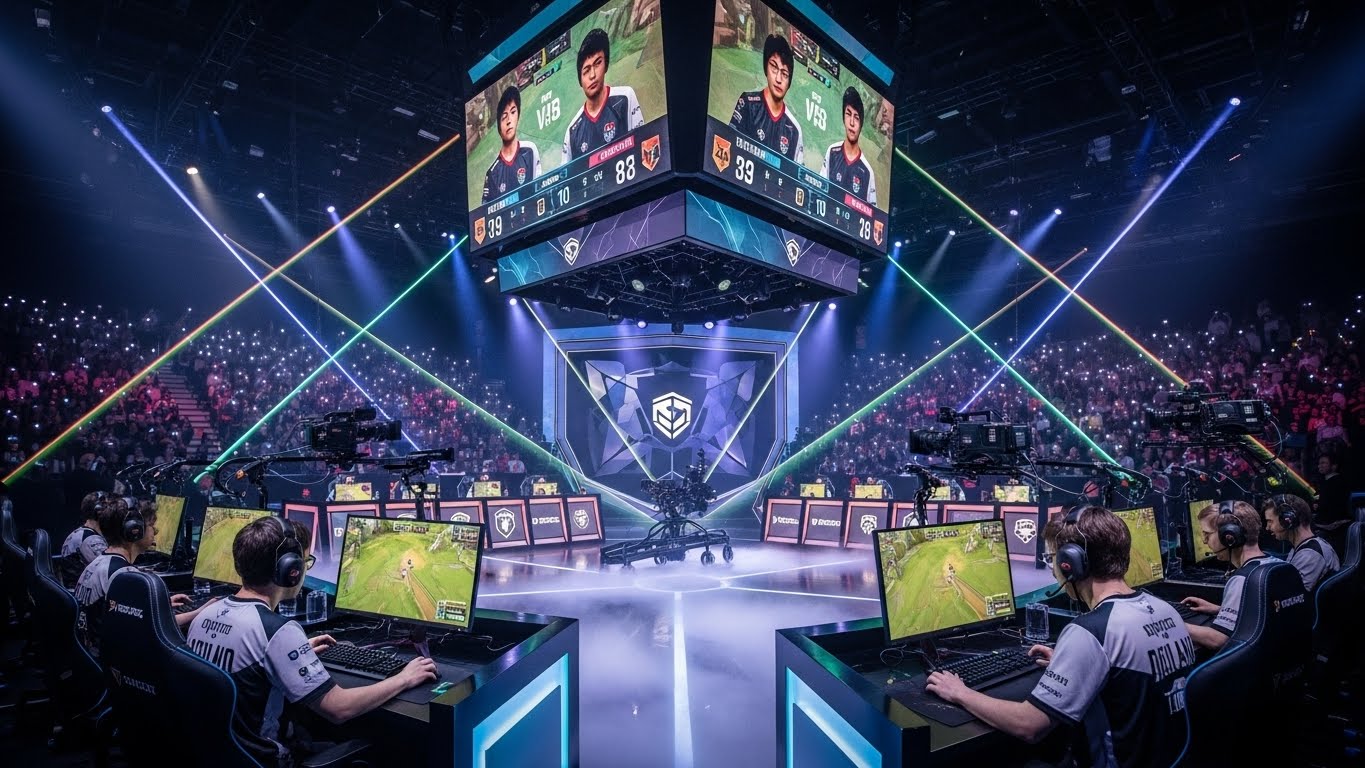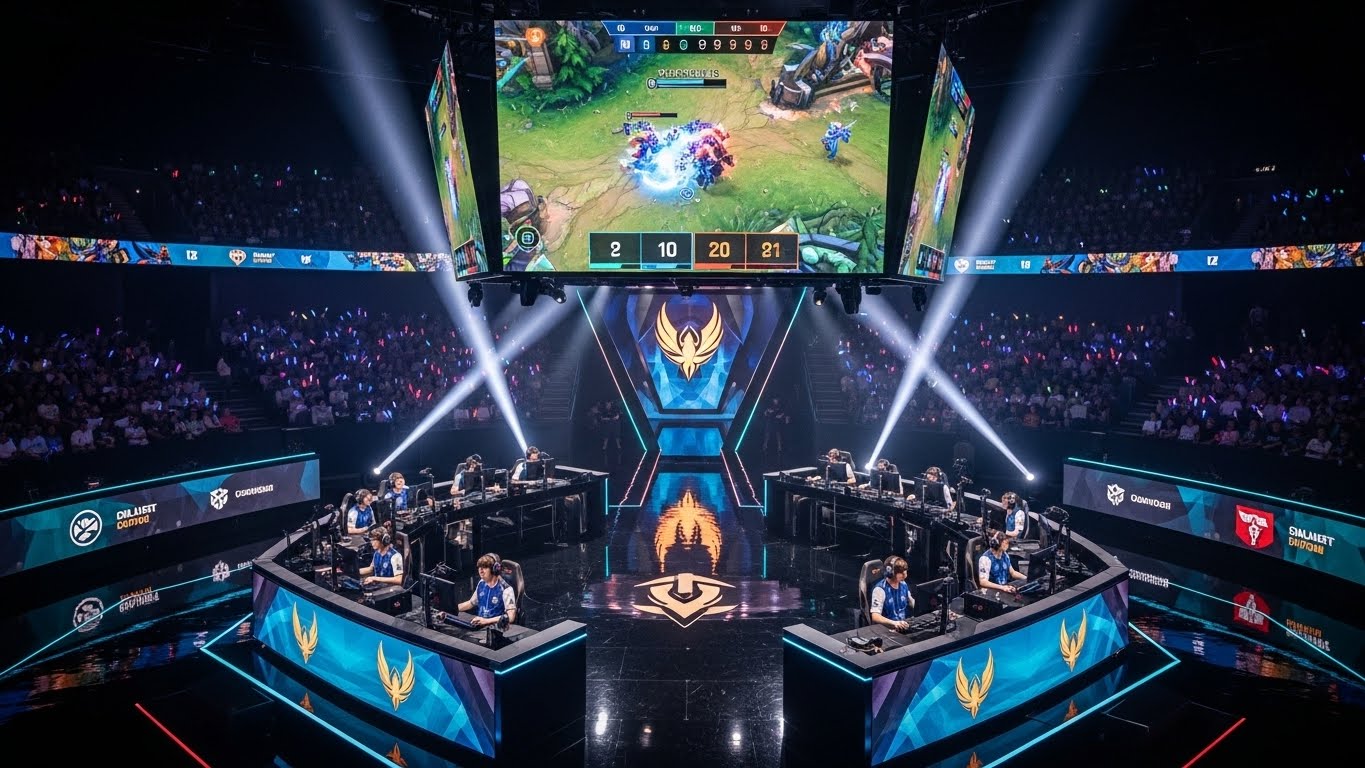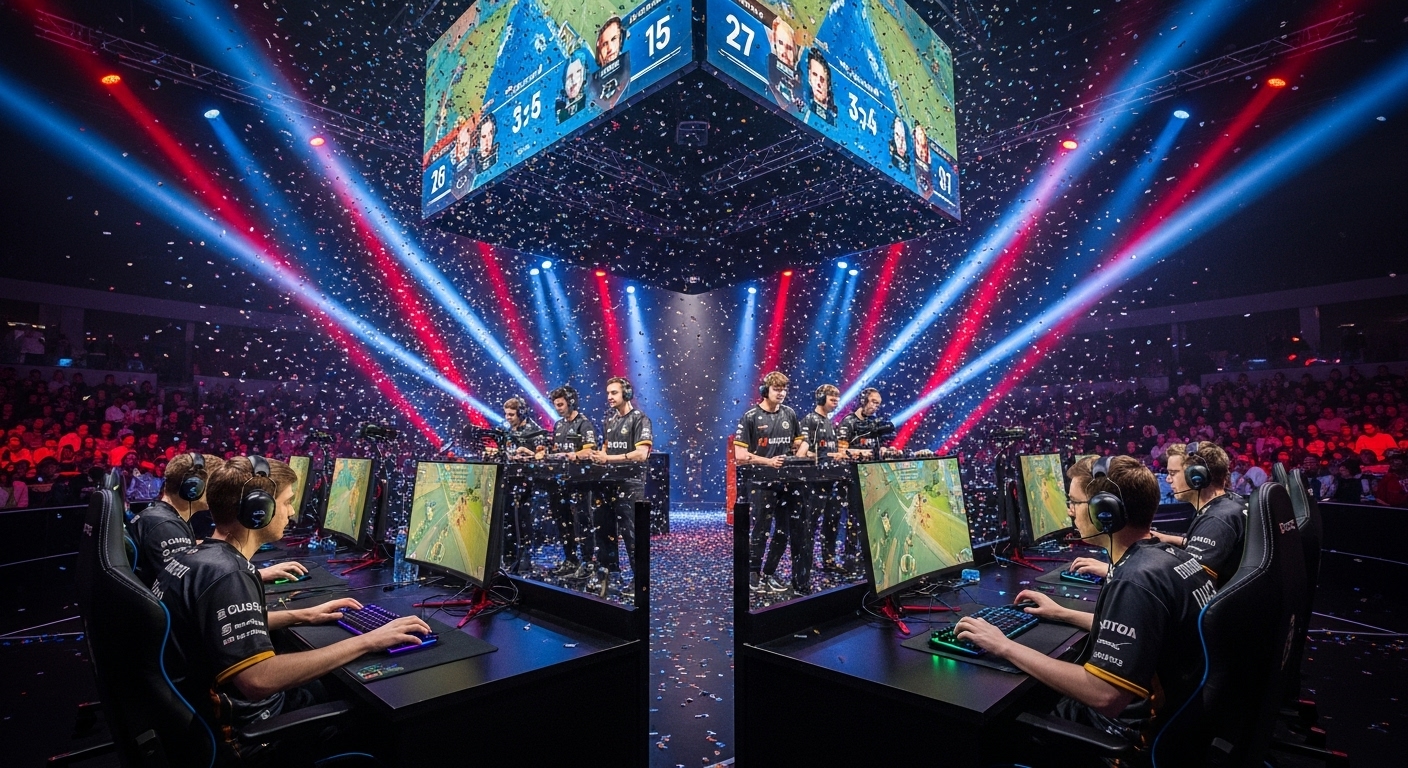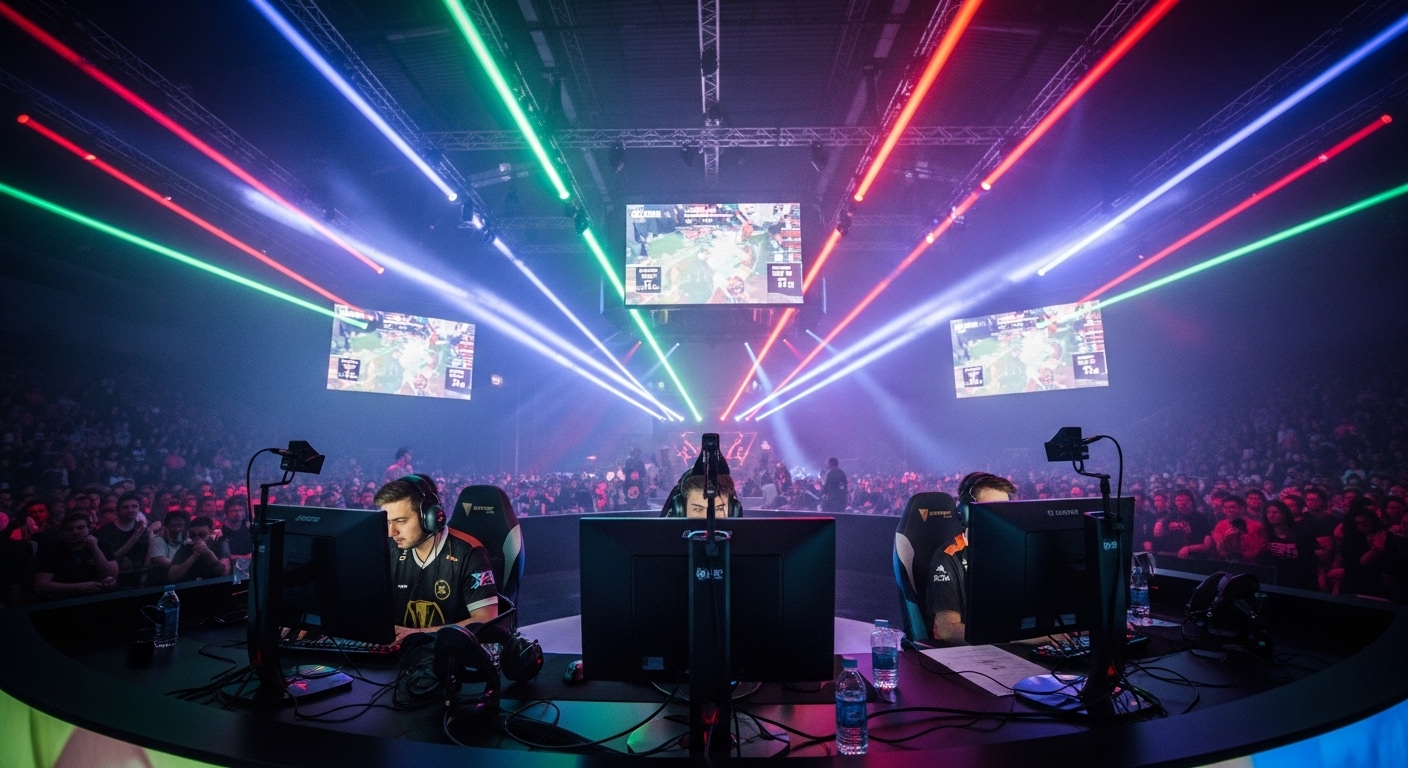
In the last two decades, Esports has transformed from a niche hobby enjoyed by small groups of dedicated gamers into a global entertainment phenomenon. What was once limited to dimly lit internet cafes and local LAN parties has now evolved into a billion-dollar industry with international tournaments, professional athletes, corporate sponsorships, and millions of devoted fans watching from every corner of the world. Esports represents the intersection of gaming, technology, and entertainment — and its rapid growth continues to reshape the future of competition and culture.
The Origins of Esports
The story of Esports began long before the internet became a household necessity. The earliest known video game competition dates back to 1972 when Stanford University hosted a tournament for the game Spacewar!. The prize was a year’s subscription to Rolling Stone magazine, but the event marked the first time players gathered to compete in a digital environment.
In the 1980s, as arcade games like Pac-Man and Donkey Kong became cultural icons, competitive gaming began to gain traction. High scores were the currency of skill, and players would travel to arcades to challenge each other for the top spot on the leaderboard. The 1990 Nintendo World Championships brought competitive gaming into mainstream awareness, as players across the United States competed for the title of world champion.
However, it was the rise of PC gaming and local area networks in the 1990s that laid the true foundation for modern Esports. Games such as Quake, StarCraft, and Counter-Strike turned multiplayer gaming into an organized, strategic competition. These early titles not only demanded reflexes and precision but also strategy, teamwork, and communication — qualities that mirrored traditional sports.
The Internet Revolution and Online Gaming
The advent of high-speed internet revolutionized gaming in the early 2000s. Players no longer needed to be in the same physical location to compete. This digital connectivity gave rise to global tournaments and online ladders where gamers could test their skills against anyone, anywhere.
South Korea emerged as a pioneer in this era. The country’s government invested heavily in broadband infrastructure, and by the early 2000s, gaming had become a national pastime. StarCraft became a cultural phenomenon, with professional players achieving celebrity status. Televised matches drew millions of viewers, and sponsors saw the potential of Esports as a marketing platform. The Korean Esports Association (KeSPA) was formed to regulate and promote the industry, setting standards for tournaments and players alike.
This period also saw the birth of professional teams and organized leagues. Tournaments like the World Cyber Games and the Electronic Sports World Cup began to appear, offering substantial cash prizes and global recognition. The idea of gaming as a viable career path slowly started to gain legitimacy.
The Role of Streaming and Media Platforms
The 2010s marked another pivotal chapter for Esports — the era of streaming. Platforms like Twitch, YouTube Gaming, and later Facebook Gaming allowed players to broadcast their gameplay live to global audiences. This accessibility broke down the barriers between professional players and fans, creating an entirely new form of digital entertainment.
Unlike traditional sports broadcasting, streaming allowed viewers to interact directly with players through chat, donations, and subscriptions. Personalities like Ninja, Shroud, and Faker became household names, not only because of their skill but because of their charisma and online presence. Esports evolved into a hybrid of competition and content creation, attracting both competitive gamers and casual viewers.
Streaming also democratized the industry. Anyone with skill and a good internet connection could showcase their gameplay, gain followers, and potentially secure sponsorships. This shift fueled an explosion of interest, helping Esports reach audiences that traditional sports could not.
The Growth of Major Esports Titles
Several key games have defined the Esports landscape and helped shape its evolution into the powerhouse it is today. Titles like League of Legends, Dota 2, Counter-Strike: Global Offensive, Overwatch, and Fortnite each built their own competitive ecosystems with unique styles, strategies, and fan bases.
League of Legends, developed by Riot Games, stands out as one of the most influential Esports titles of all time. Its annual World Championship draws millions of viewers worldwide, rivaling major traditional sports events in audience size. The game’s structure, with teams representing regions and competing for global dominance, mirrors established sports leagues, lending it legitimacy and excitement.
Meanwhile, Dota 2 revolutionized the prize pool system through its community-driven funding model. Valve introduced the “Compendium,” a digital booklet purchased by players, with a portion of proceeds contributing to the prize pool. This model resulted in record-breaking rewards, with The International 2021 boasting over $40 million in total prizes — one of the largest in Esports history.
First-person shooters like Counter-Strike and Valorant emphasized teamwork, communication, and reflexes, appealing to fans who preferred fast-paced, tactical gameplay. Battle royale titles such as Fortnite and PUBG introduced a new level of unpredictability and spectacle, attracting younger audiences and mainstream media coverage. Each of these games contributed to the diversification of Esports, ensuring that there was something for every type of player and fan.
The Professionalization of Esports
As Esports gained mainstream recognition, the need for structure and professionalism grew. Organizations began adopting business models similar to those of traditional sports teams, complete with coaches, analysts, nutritionists, and dedicated training facilities. Players signed contracts with salaries, performance bonuses, and sponsorship deals.
Franchised leagues like the Overwatch League and League of Legends Championship Series (LCS) introduced city-based teams, creating local fan bases similar to the NBA or NFL. Major corporations and sports franchises invested heavily, with teams like the Dallas Cowboys, Paris Saint-Germain, and Manchester City forming their own Esports divisions.
This influx of investment also attracted brands from outside the gaming world — companies like Coca-Cola, Intel, and Red Bull became prominent sponsors. These partnerships helped push Esports into mainstream media, with events being broadcast on major networks and featured alongside traditional sports in news outlets.
With more financial backing came higher standards. Code of conduct policies, anti-doping regulations, and player welfare initiatives were established to ensure fair play and professionalism. Esports athletes began to be recognized not only as gamers but as elite competitors who undergo rigorous training and mental preparation.
The Global Impact of Esports
Esports is not confined to one region or demographic. Its appeal spans continents, cultures, and age groups. Asia, particularly South Korea and China, remains a powerhouse, but Europe and North America have also built thriving Esports ecosystems. Latin America, the Middle East, and Africa are emerging as new frontiers for competitive gaming, fueled by increasing internet access and mobile technology.
Mobile Esports, in particular, has expanded the reach of competitive gaming to regions where high-end PCs and consoles are less accessible. Games like PUBG Mobile, Mobile Legends: Bang Bang, and Free Fire have drawn massive audiences, especially in Southeast Asia and India. Mobile tournaments now command millions in prize money and attract corporate sponsorships, proving that Esports is not limited by platform or geography.
Moreover, Esports has played a significant role in connecting communities. During the COVID-19 pandemic, when traditional sports were suspended, Esports continued to thrive in the digital space. Virtual tournaments kept fans entertained and players engaged, demonstrating the resilience and adaptability of the industry.
Esports also fosters cultural exchange. Players and fans from different countries interact in online forums, tournaments, and conventions, bridging gaps through shared passion. The international nature of gaming has created a unique global culture that transcends language and nationality.
The Economics of Esports
The Esports economy is vast and multifaceted. Revenue streams include sponsorships, advertising, media rights, merchandise, ticket sales, and in-game purchases. Market research firms estimate the global Esports market value at over $2 billion annually, with projections of continuous growth.
Sponsorship remains the largest source of revenue, as brands seek to engage with younger, tech-savvy audiences who are increasingly difficult to reach through traditional media. Streaming platforms and broadcasters also compete for exclusive rights to popular tournaments, further fueling financial growth.
Additionally, Esports organizations have diversified their income through content creation, brand partnerships, and fan engagement platforms. Merchandise such as team jerseys, collectibles, and in-game cosmetics have become lucrative products. Some Esports organizations even operate training academies and online coaching services, turning expertise into another form of business.
The economic influence of Esports extends beyond the players and teams. Cities compete to host major tournaments, which generate significant tourism and hospitality revenue. Venues like the Staples Center in Los Angeles and the Mercedes-Benz Arena in Berlin have hosted packed Esports finals, showcasing how gaming events can rival traditional sports spectacles.
Education and Career Opportunities in Esports
With Esports becoming a legitimate industry, new academic and career opportunities have emerged. Universities around the world now offer degrees in Esports management, game design, marketing, and broadcasting. Scholarship programs for talented players are increasingly common, especially in North America and Europe.
Beyond professional players, the Esports ecosystem requires a wide range of professionals — coaches, analysts, commentators, event organizers, marketers, and content creators. Careers in Esports extend into technology, psychology, nutrition, and business development. The industry’s growth has opened doors for creative and technical talent alike, contributing to job creation in an evolving digital economy.
Educational institutions also use Esports as a tool for engagement. Programs encourage teamwork, leadership, and strategic thinking, aligning with the skill sets needed in modern workplaces. As gaming continues to integrate with mainstream culture, Esports education is likely to expand further.
The Challenges Facing Esports
Despite its success, Esports faces several challenges that could impact its long-term sustainability. One major concern is player burnout. Many professional players start their careers in their teens and face intense competition, practice schedules, and public scrutiny. Without proper support systems, mental health issues can arise.
Another challenge lies in regulation. Unlike traditional sports governed by centralized bodies, Esports operates across multiple titles and publishers, each with its own rules and standards. This fragmentation makes it difficult to establish universal guidelines for contracts, fairness, and anti-cheating enforcement.
Match-fixing, hacking, and cheating have also posed threats to Esports integrity. While developers have invested heavily in anti-cheat technology, maintaining competitive fairness remains an ongoing battle.
Moreover, the industry still grapples with inclusivity. Gender representation in Esports remains low, with women often facing discrimination or harassment. However, organizations and advocacy groups are working to create safer, more inclusive spaces for all players.
Finally, Esports must balance its reliance on game publishers, who retain ultimate control over their intellectual properties. If a publisher discontinues a game or shifts priorities, entire competitive scenes can disappear overnight. This dependence highlights the need for sustainable partnerships and diversified ecosystems.
The Future of Esports
Looking ahead, the future of Esports appears boundless. Advancements in technology, such as virtual reality (VR), augmented reality (AR), and artificial intelligence (AI), are poised to revolutionize the way games are played and watched. VR Esports, for instance, offers immersive physical experiences that blur the line between digital and real-world competition.
Metaverse concepts and digital worlds may also redefine how fans interact with teams and events. Virtual arenas could allow spectators to attend matches from anywhere, complete with avatars, interactive features, and real-time engagement.
Esports’ inclusion in multi-sport events like the Asian Games marks another step toward recognition as a legitimate athletic pursuit. Discussions about potential Olympic inclusion are ongoing, signaling a future where gaming might stand alongside traditional sports on the world stage.
As audiences evolve, Esports will likely continue to merge with entertainment, music, and fashion, becoming a central pillar of youth culture. Collaborations between artists, game developers, and Esports brands will further blur the boundaries between industries.
Conclusion
Esports is no longer just about video games. It represents a new era of competition, community, and creativity that transcends generations and geographies. From its humble beginnings in university halls to global arenas filled with cheering fans, Esports has proven that passion, technology, and teamwork can create a cultural revolution.
What makes Esports truly special is its accessibility. Anyone, regardless of background, can participate, compete, and connect. As the world becomes increasingly digital, Esports stands as a symbol of how entertainment, technology, and human ambition can come together to build something extraordinary.
The journey of Esports is far from over — in many ways, it is just beginning. As innovation continues and new generations of gamers emerge, the stage is set for Esports to become not just the future of gaming, but the future of global entertainment itself.