Introduction to Esports
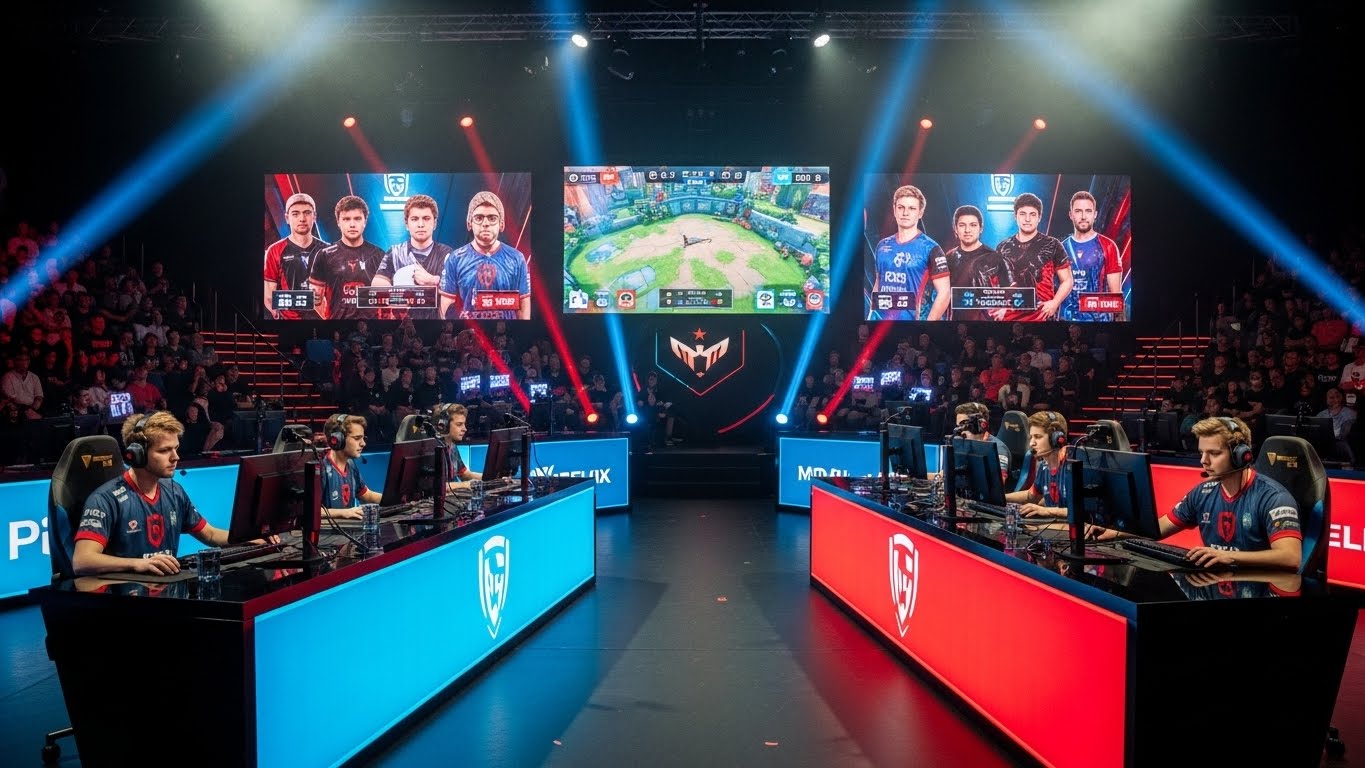
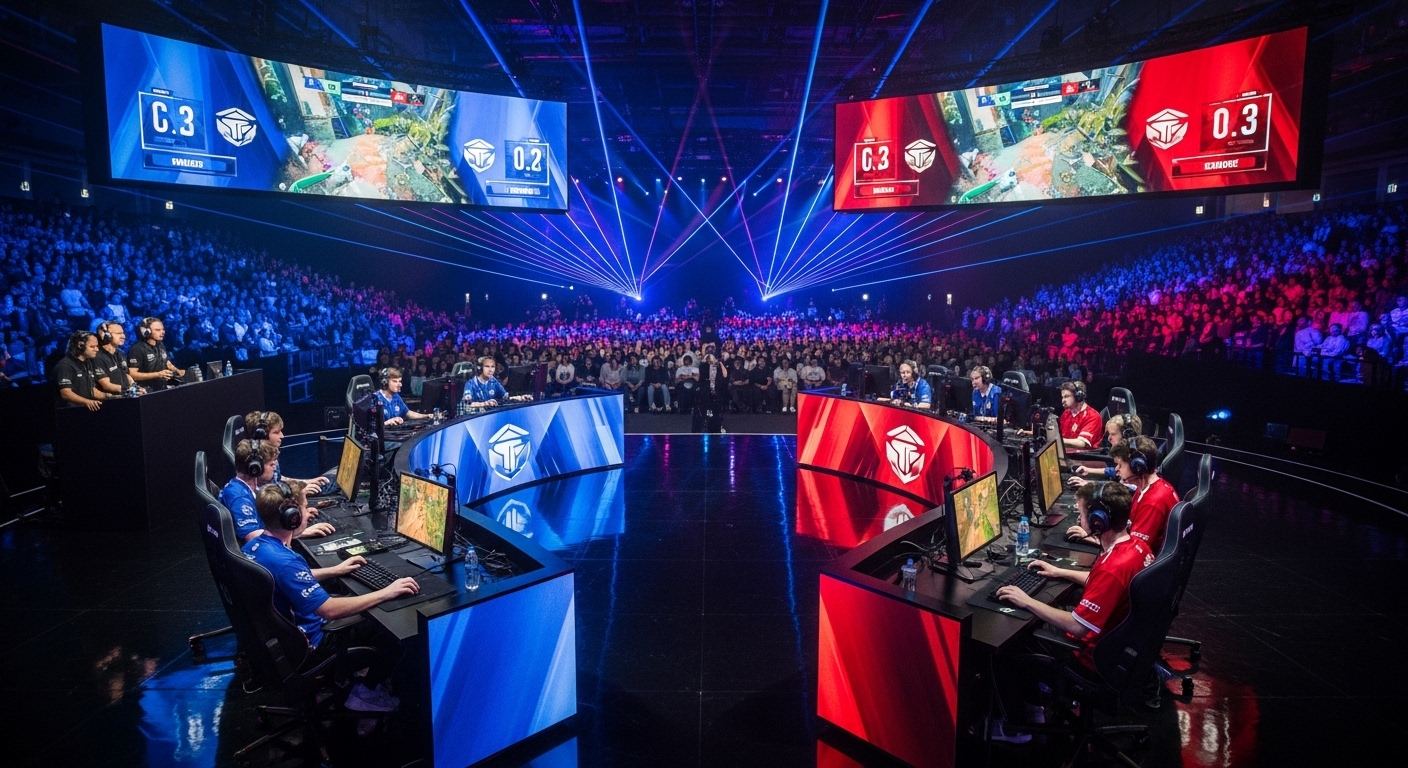
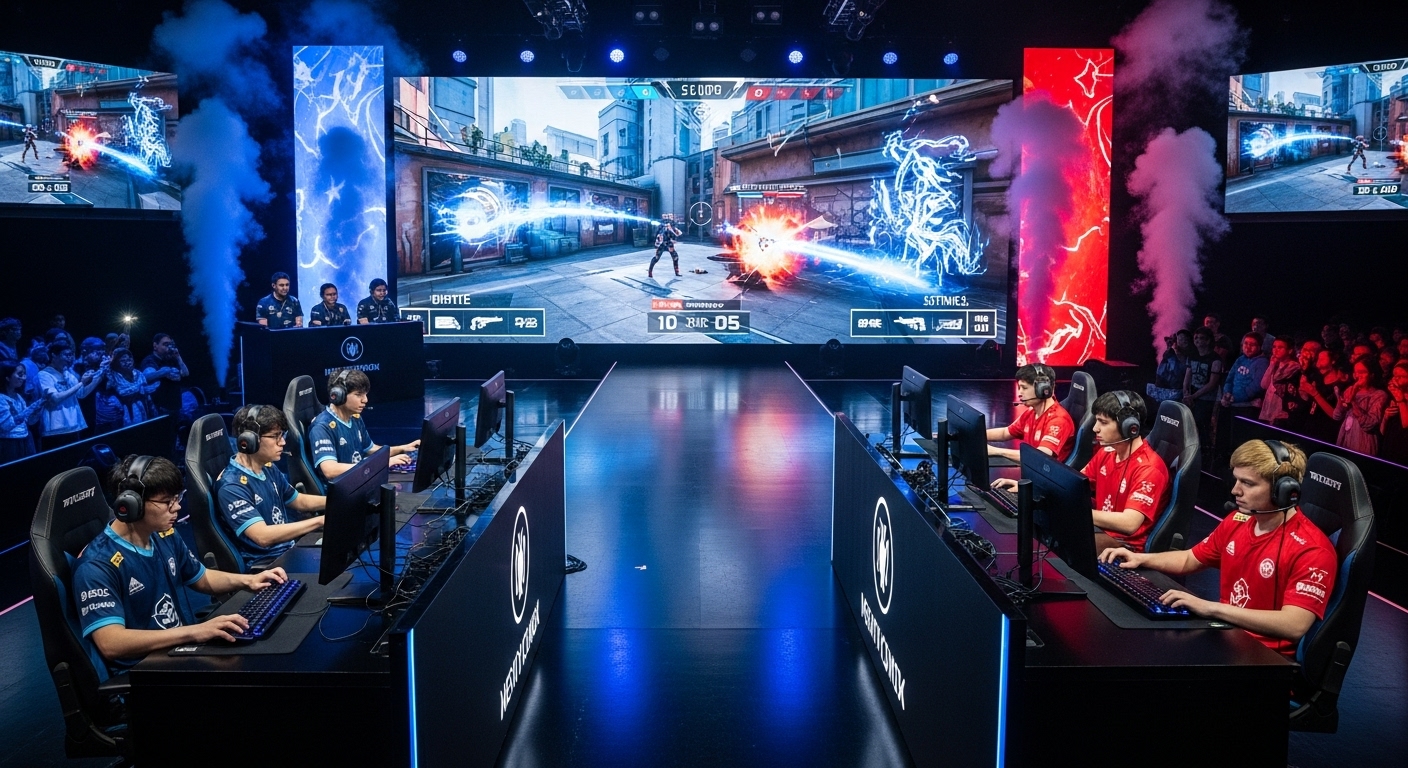
Esports, short for electronic sports, has grown from a niche hobby into one of the most powerful and influential industries in the modern entertainment landscape. What began as casual gaming competitions among friends has transformed into a global spectacle, attracting millions of viewers, professional players, lucrative sponsorships, and multi-million-dollar tournaments. The growth of esports is a story of passion, technology, and cultural change that has redefined how people view competition and entertainment. Today, esports stands shoulder to shoulder with traditional sports in terms of popularity and influence, representing a new era of digital engagement for fans and players alike.
The Origins of Esports
The concept of competitive gaming dates back to the early days of video games in the 1970s and 1980s. The first recognized esports event took place at Stanford University in 1972, where students competed in the game Spacewar. Though modest by today’s standards, this event marked the beginning of organized video game competition. As technology advanced, arcade games like Pac-Man and Donkey Kong became popular in the 1980s, giving rise to a culture of high-score chasers who competed for bragging rights and recognition.
In the 1990s, with the introduction of home consoles and personal computers, competitive gaming began to expand. Games such as Street Fighter, Mortal Kombat, and Doom paved the way for multiplayer experiences. Local area network (LAN) parties became a common way for players to compete against each other in person. This era laid the groundwork for modern esports by fostering communities built around skill, rivalry, and shared enthusiasm for gaming.
The Digital Revolution and Online Competitions
The late 1990s and early 2000s were a turning point for esports, as the rise of the internet enabled players to compete globally without the limitations of physical proximity. Online gaming communities flourished, and games like StarCraft, Counter-Strike, and Quake became the cornerstone of early esports tournaments. South Korea played a pivotal role during this time, becoming the first nation to embrace esports as a legitimate form of entertainment.
South Korean television networks began broadcasting matches, professional teams were formed, and players achieved celebrity status. The success of games like StarCraft helped establish esports as a mainstream activity in Asia, inspiring the rest of the world to follow. The concept of online tournaments began to spread globally, creating new opportunities for players to prove their skills on international stages.
The Role of Technology in Esports Growth
The advancement of technology has been one of the biggest drivers behind the success of esports. Faster internet connections, powerful gaming hardware, and high-definition streaming platforms have all contributed to making esports accessible to a worldwide audience. Platforms such as Twitch, YouTube Gaming, and various regional streaming services revolutionized how fans consume gaming content.
High-quality live streams and on-demand replays made it possible for fans to follow their favorite players and teams from anywhere in the world. Moreover, the rise of social media allowed esports communities to interact directly, fostering fan engagement in ways traditional sports could not initially match. Innovations in gaming graphics, online matchmaking systems, and spectator tools have further enhanced the esports viewing experience, making it more professional and exciting.
The Professionalization of Esports
As esports viewership exploded, the industry began to formalize its structure. Organizations began recruiting professional players, coaches, and analysts to compete at the highest level. Esports teams started to operate similarly to traditional sports franchises, with structured training regimens, sponsorship deals, and contracts. Players could now make a full-time career out of gaming, earning salaries, prize money, and endorsement deals.
Tournaments grew in scale and prestige, attracting millions of dollars in prize pools. Events like The International for Dota 2, the League of Legends World Championship, and the Fortnite World Cup drew massive audiences and media coverage. These tournaments became global events where players represented not just their teams, but often their countries, elevating esports to an international stage.
Esports as a Global Industry
The esports industry is now worth billions of dollars, with major corporations and investors recognizing its potential. Sponsorship and advertising have become key revenue sources, with brands ranging from gaming hardware companies to global consumer goods investing in esports. Traditional sports organizations have also entered the space, with football clubs, basketball teams, and even celebrities acquiring or launching their own esports teams.
Moreover, esports has created an ecosystem that extends beyond just players and tournaments. There are commentators, event organizers, graphic designers, and analysts who contribute to the growing industry. Universities now offer scholarships for esports players, and some schools even have dedicated esports programs. The integration of esports into education reflects its growing legitimacy as a competitive and cultural pursuit.
The Impact of Esports on Popular Culture
Esports has not only changed the gaming landscape but has also had a profound effect on popular culture. The rise of gaming influencers and streamers has blurred the lines between professional competition and entertainment. Esports athletes and content creators enjoy massive followings, with many becoming global celebrities. Their influence extends beyond gaming, impacting music, fashion, and lifestyle trends.
Esports-themed merchandise, documentaries, and even movies have further embedded gaming into mainstream culture. Collaborations between game developers and major entertainment franchises have created crossover events that appeal to a broad audience. The popularity of games like Fortnite, Valorant, and League of Legends showcases how esports has become an integral part of youth culture, shaping how new generations socialize and engage with entertainment.
The Community and Social Aspects of Esports
At its core, esports thrives on community. Gamers from around the world come together to share their passion, compete, and celebrate their favorite games. Online forums, social media groups, and fan conventions provide spaces for fans to connect and express their enthusiasm. Esports events often feel like cultural festivals, where fans proudly wear team jerseys, chant in support of their favorite players, and celebrate victories together.
Moreover, esports has fostered inclusivity by allowing players of all backgrounds to compete on an equal playing field. While there are still challenges related to representation and diversity, esports has shown that anyone with dedication and skill can rise to prominence regardless of their location or background.
The Psychological and Physical Demands of Esports
Though esports may appear to be purely digital, it requires significant mental and physical discipline. Professional players train rigorously, often spending hours honing their reflexes, coordination, and strategic thinking. High-level competition demands focus, teamwork, and communication skills. Players also work with coaches, nutritionists, and psychologists to maintain peak performance.
The pressure of performing on stage in front of millions of viewers can be intense, requiring mental resilience and emotional control. As esports continues to mature, player well-being and sustainable careers have become key focuses within the industry. Organizations now emphasize balance, mental health awareness, and healthy lifestyles to support long-term success.
The Economic Opportunities Created by Esports
Esports has opened up vast economic opportunities, not only for players but also for entrepreneurs, investors, and developers. The industry encompasses event management, game development, broadcasting, marketing, and merchandise. Each major tournament generates jobs and economic activity, similar to traditional sporting events.
Cities across the world now compete to host esports tournaments, recognizing their potential to attract tourism and investment. Venues dedicated to esports have been built, ranging from small community arenas to massive stadiums. These developments highlight how esports has become an essential component of the global digital economy.
The Educational Potential of Esports
Beyond entertainment, esports has educational benefits as well. It promotes skills such as strategic thinking, communication, and problem-solving. Team-based games encourage collaboration and leadership. Many educators have begun to incorporate esports into their teaching methodologies, using games as tools to engage students and teach valuable life skills.
Colleges and universities now offer degrees and scholarships related to esports management, game design, and digital marketing. Students can pursue careers in the gaming industry through structured academic pathways. The growth of esports education shows how gaming has evolved from a pastime into a legitimate field of study and professional development.
Challenges Facing the Esports Industry
Despite its immense success, esports faces several challenges. One major issue is the sustainability of players’ careers. The average competitive lifespan of an esports athlete is relatively short due to the intense mental and physical strain. Ensuring long-term support for players after retirement is crucial.
Another challenge lies in maintaining fair play and integrity. Issues such as cheating, match-fixing, and performance-enhancing software can undermine the credibility of esports. Game publishers and tournament organizers are continuously developing systems to detect and prevent such practices.
Furthermore, the rapid expansion of esports has created concerns about regulation and standardization. Different organizations operate under varying rules, which can lead to inconsistencies. Establishing a global governing body could help maintain fairness and transparency across all competitions.
The Future of Esports
The future of esports looks brighter than ever. With technological advancements like virtual reality, artificial intelligence, and augmented reality, the gaming experience is set to become even more immersive and interactive. These innovations will likely redefine how players compete and how audiences engage with esports.
Additionally, the potential inclusion of esports in major international sporting events signals growing recognition of its legitimacy. Some countries have already begun to classify esports athletes as official sports professionals, granting them similar rights and benefits as traditional athletes.
As esports continues to evolve, the boundaries between gaming, entertainment, and sports will continue to blur. The industry’s global reach ensures that it will remain a dominant cultural and economic force for years to come.
Conclusion
Esports has transformed from a simple pastime into a global powerhouse of competition, creativity, and culture. It has redefined how people view entertainment and opened doors for millions of passionate individuals to pursue careers in gaming. The journey of esports reflects the evolution of technology, community, and human ambition.
What once started as small-scale gaming competitions has now become a global stage where players, fans, and innovators unite. The impact of esports extends far beyond the screen—it connects people across borders, inspires creativity, and represents the limitless possibilities of the digital age.
The story of esports is still being written, and with every new generation of players and fans, it grows even stronger. It is not just about games; it is about the shared experience of competition, connection, and the unyielding pursuit of excellence in a rapidly changing world.