Introduction: The Rise of a New Arena
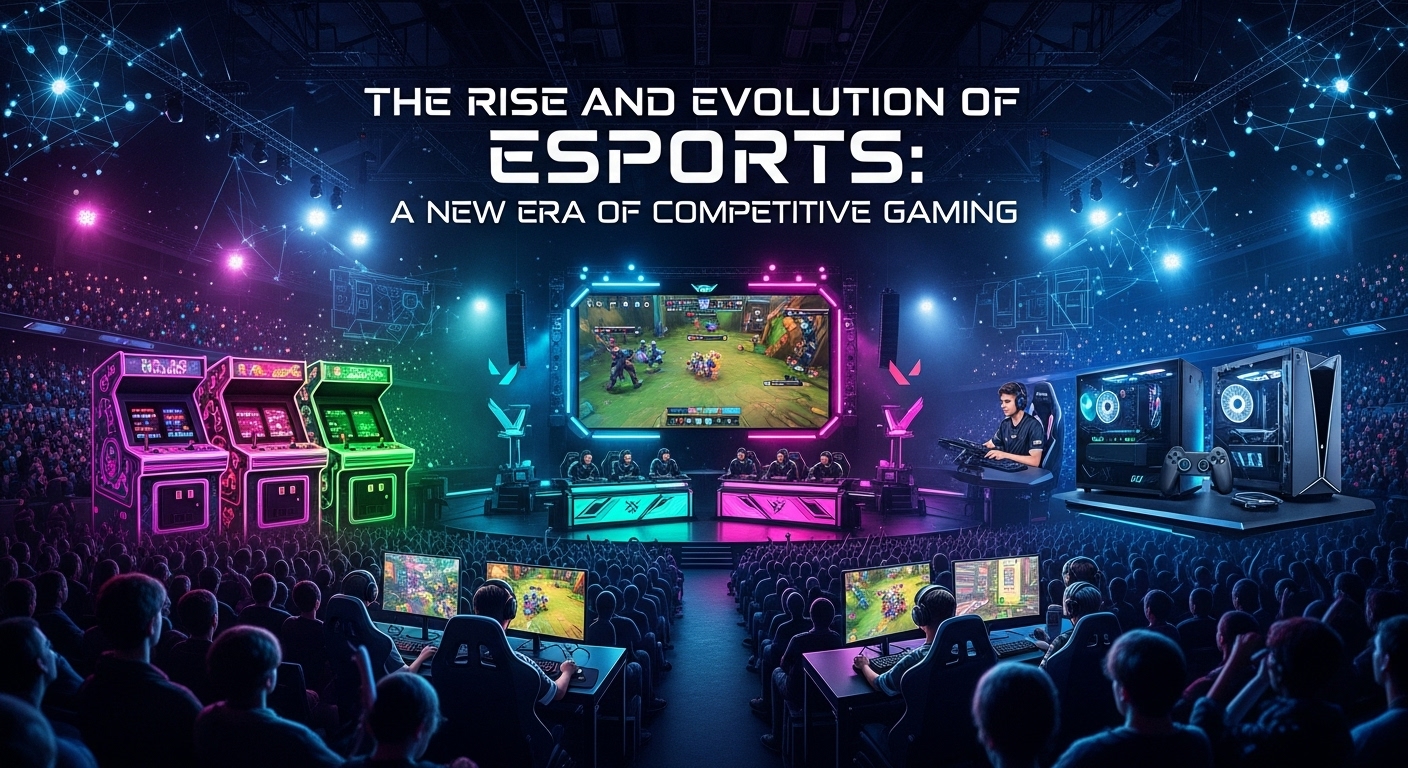
Esports, once considered a niche hobby for passionate gamers, has grown into a global competitive phenomenon. Stadiums fill with cheering fans, millions tune in through live broadcasts, and professional players train with the discipline of traditional athletes. What was once played in bedrooms and internet cafés is now a multi-billion-dollar industry shaping entertainment, technology, and youth culture. Esports is no longer just about playing games; it is about strategy, teamwork, identity, and the future of competition itself.
Understanding Esports: More Than Just Gaming
Esports refers to organized, competitive video gaming where individuals or teams compete at a professional or semi-professional level. Unlike casual gaming, esports demands structured rules, ranked systems, leagues, and tournaments. Games such as multiplayer online battle arenas, first-person shooters, real-time strategy titles, and sports simulations dominate the scene. Each game requires a unique combination of mechanical skill, decision-making, communication, and mental resilience.
What separates esports from traditional gaming is the emphasis on performance under pressure. Professional players practice for hours daily, analyze opponents, review match footage, and work closely with coaches and analysts. The competitive intensity mirrors that of physical sports, even though the battlefield is digital.
The Evolution of Esports Culture
The growth of esports did not happen overnight. Early competitive gaming events were small, community-driven gatherings with modest prizes. As internet infrastructure improved and streaming platforms emerged, esports found its audience. Viewers could now watch competitions live, interact with commentators, and support their favorite teams from anywhere in the world.
This accessibility fueled a strong global culture. Fans identify with teams, celebrate legendary players, and participate in online discussions that shape the narrative of the scene. Esports culture blends technology, creativity, and competition, creating a shared experience that transcends geographical boundaries.
Professional Players: The New-Age Athletes
Esports professionals are often misunderstood as simply people who play games all day. In reality, their lifestyle is demanding and highly structured. Training schedules can exceed eight hours a day, including practice matches, strategy meetings, physical exercise, and mental conditioning. Reaction time, hand-eye coordination, and focus are critical skills that require constant refinement.
Mental health is also a major factor. High expectations, public scrutiny, and the pressure to perform can take a toll on players. As a result, many teams now employ psychologists and wellness coaches to help players maintain balance and longevity in their careers. This professional approach highlights how esports has matured into a legitimate competitive field.
Teams, Organizations, and Management
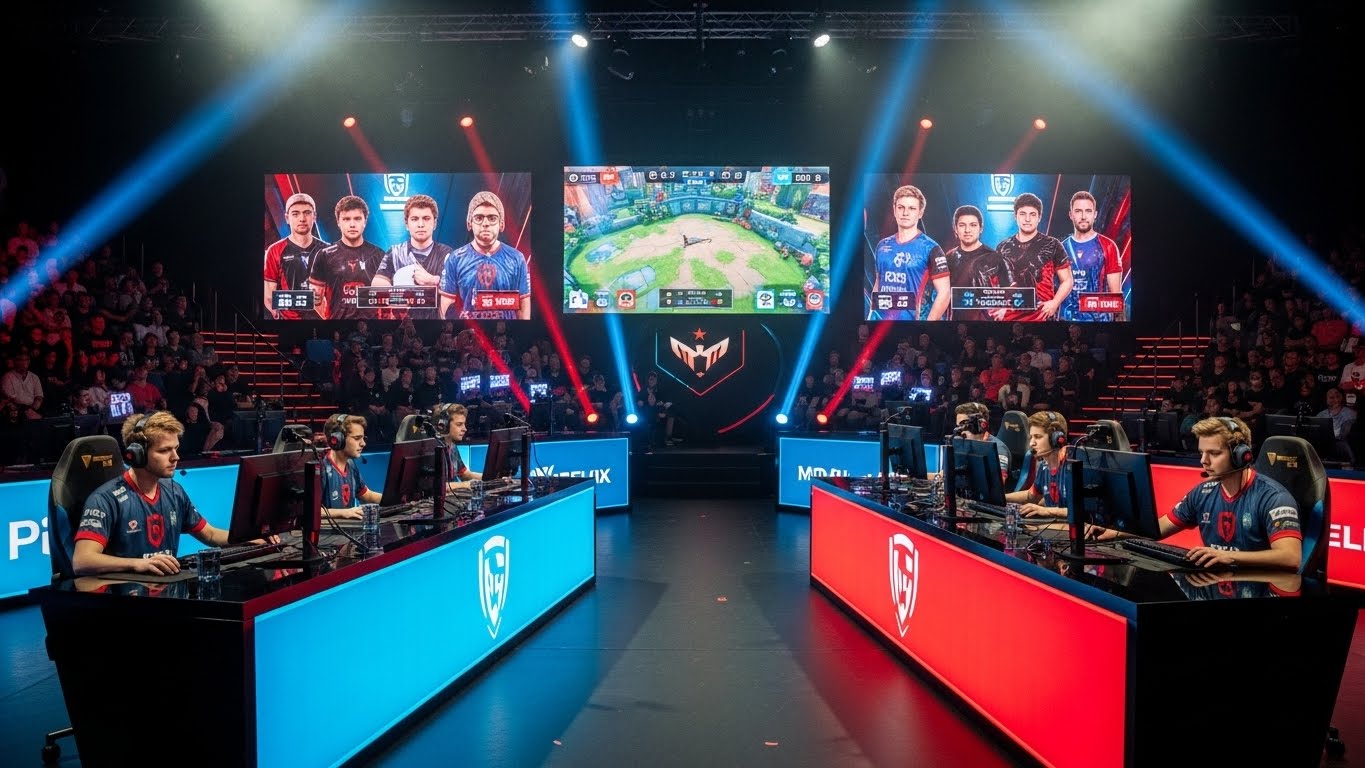
Behind every successful esports player is a well-organized team structure. Professional esports organizations operate similarly to traditional sports clubs. They manage player contracts, sponsorships, branding, and logistics. Coaches develop strategies, analysts study opponents, and managers ensure smooth operations.
These organizations play a crucial role in shaping the industry. They provide stability for players, build long-term fan engagement, and contribute to the overall professionalism of esports. As the industry grows, so does the importance of ethical management, fair contracts, and sustainable career paths.
The Business of Esports
Esports has become a powerful economic engine. Revenue streams include sponsorships, advertising, merchandise sales, ticketed events, and media rights. Brands from both gaming and non-gaming sectors invest heavily in esports to reach younger, digitally engaged audiences.
The appeal lies in authenticity. Esports fans value genuine connections and are highly engaged with the content they consume. This creates opportunities for innovative marketing and storytelling. However, the business side also faces challenges, such as ensuring profitability, maintaining competitive integrity, and adapting to rapid technological changes.
Technology and Innovation Driving Growth
Technology is at the heart of esports. High-performance hardware, fast internet connections, and advanced software tools enable players to compete at the highest level. Streaming technology allows millions to watch events in real time, while data analytics helps teams refine strategies and improve performance.
Emerging technologies such as virtual reality, augmented reality, and artificial intelligence have the potential to further transform esports. These innovations could enhance viewer experiences, create new game formats, and redefine how competitions are played and watched.
Esports and Education
One of the most significant developments in recent years is the integration of esports into education. Schools and universities now offer esports programs, scholarships, and dedicated facilities. These initiatives recognize that esports can teach valuable skills such as teamwork, leadership, problem-solving, and digital literacy.
Educational esports also challenge outdated stereotypes about gaming. When structured properly, competitive gaming can promote discipline, goal-setting, and collaboration. This shift in perception is helping esports gain acceptance as a meaningful and constructive activity.
Diversity and Inclusion in Esports
Esports has the potential to be one of the most inclusive forms of competition. Players of different backgrounds, nationalities, and abilities can compete on an equal playing field. However, the industry still faces challenges related to gender representation, accessibility, and online behavior.
Efforts are being made to create safer and more inclusive environments. Community guidelines, diversity initiatives, and grassroots programs aim to ensure that esports is welcoming to everyone. A more inclusive ecosystem not only strengthens the community but also drives innovation and long-term growth.
The Fan Experience: From Viewers to Participants
Esports fans are not passive spectators. They engage through live chats, social media, fantasy leagues, and community events. This interactive relationship between fans and the competition creates a sense of belonging and ownership.
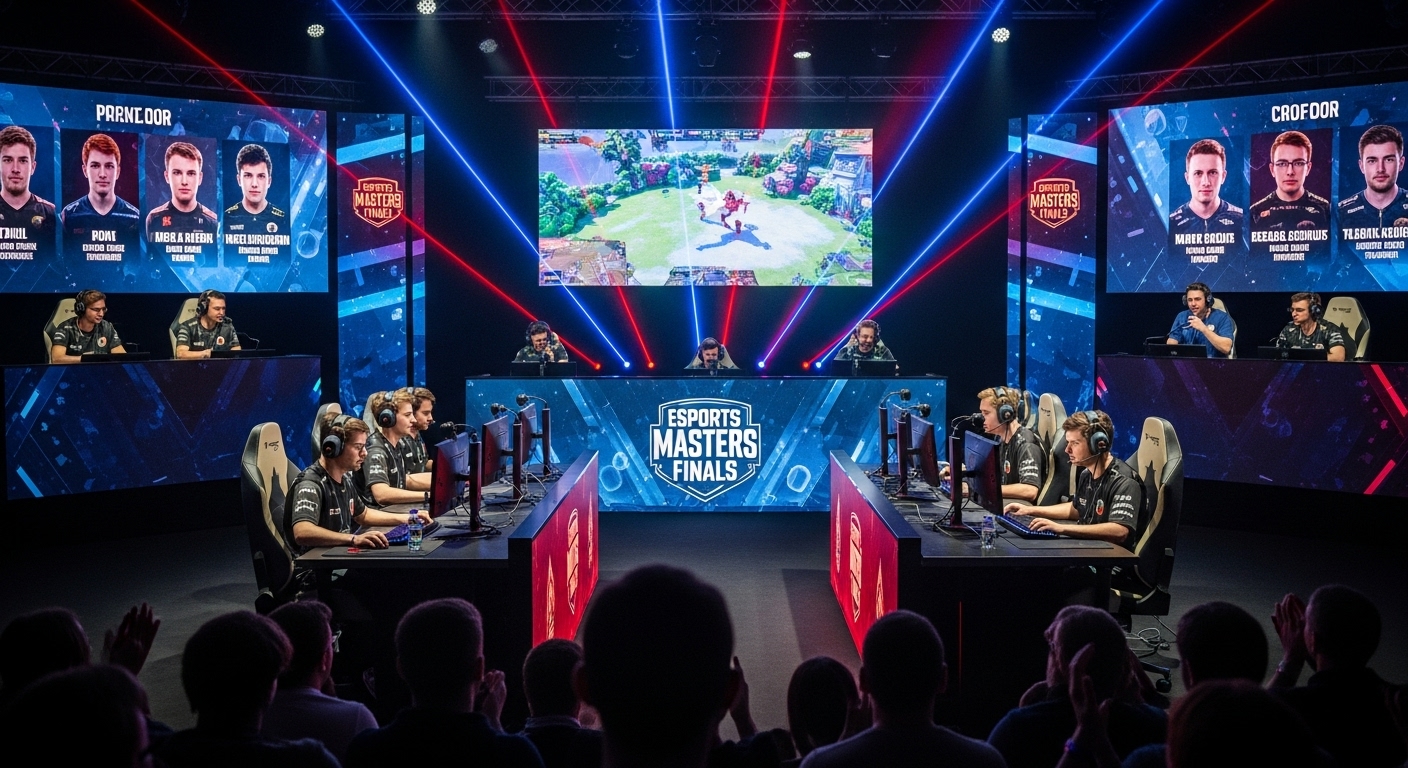
Events are designed to be immersive experiences, combining high-level gameplay with entertainment, storytelling, and spectacle. Whether watching online or attending in person, fans feel connected to the action and to each other. This deep engagement is one of esports’ greatest strengths.
Challenges Facing the Esports Industry
Despite its rapid growth, esports faces several challenges. Player burnout, inconsistent regulations, and financial sustainability remain concerns. The fast-paced nature of the industry means that games can rise and fall in popularity quickly, affecting careers and investments.
Addressing these challenges requires collaboration between developers, teams, organizers, and communities. Clear governance, player protections, and long-term planning are essential for building a stable and resilient ecosystem.
The Future of Esports
The future of esports is filled with possibility. As technology advances and global connectivity increases, competitive gaming will continue to evolve. New game genres, formats, and platforms will emerge, attracting even broader audiences.
Esports is also likely to further integrate with mainstream culture. Collaborations with music, fashion, and traditional sports will blur boundaries and create new forms of entertainment. As perceptions continue to shift, esports may become a standard part of how society understands competition and performance.
Conclusion: A Digital Legacy in the Making
Esports represents more than a trend; it is a reflection of how the digital age reshapes human interaction and competition. It combines skill, strategy, technology, and community into a powerful cultural force. As esports continues to grow, it challenges traditional ideas of sport and opens new opportunities for players, fans, and industries alike.
The story of esports is still being written. With each tournament, each innovation, and each new generation of players, the digital arena expands. What began as simple games has become a global movement, proving that competition, passion, and excellence can thrive in any form, even beyond the screen.