Introduction: The Growing World of Esports
Esports, short for electronic sports, has evolved from a niche hobby into a global industry worth billions of dollars. Once, competitive gaming was confined to small local tournaments or online leagues with minimal exposure. Today, esports has become a massive cultural and economic force, with professional players, teams, and events drawing millions of viewers worldwide. The rapid growth of esports has transformed video games into a legitimate profession, while creating new entertainment experiences that resonate with people of all ages. In this blog post, we will explore the rise of esports, its global impact, and the key factors that have contributed to its success.
What is Esports? Understanding the Phenomenon
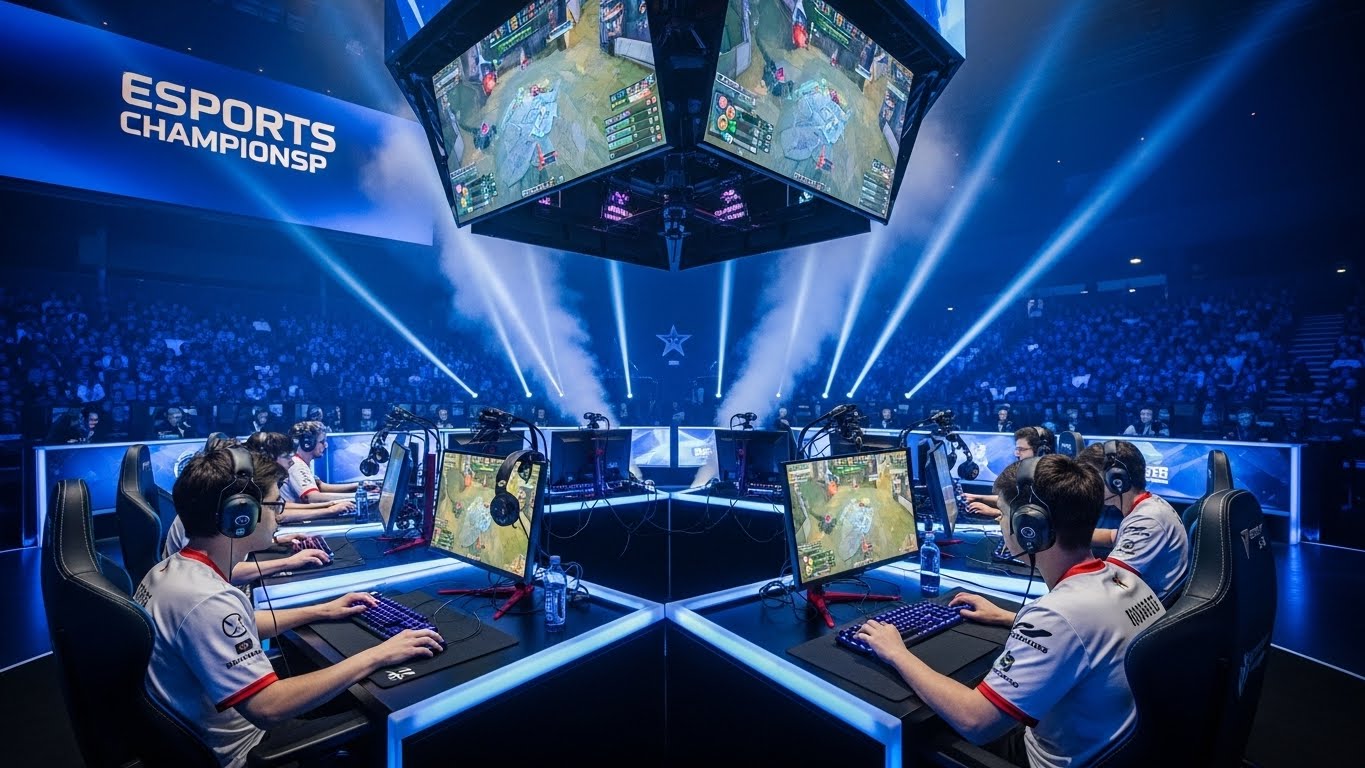
At its core, esports refers to organized multiplayer video game competitions, particularly between professional players, individually or as teams. While casual gaming remains a significant part of the video game industry, esports focuses on high-stakes, competitive play often in front of live audiences or streamed to millions of online viewers.
Esports covers a broad spectrum of game genres, including:
- First-Person Shooters (FPS): Games like Counter-Strike: Global Offensive (CS: GO) and Call of Duty involve tactical shooting and team-based strategies.
- Multiplayer Online Battle Arenas (MOBA): Games like League of Legends (LoL) and Dota 2 are team-based, strategic games that involve coordinating with teammates to destroy the opponent’s base.
- Real-Time Strategy (RTS): Games like StarCraft II are fast-paced, requiring players to manage resources, build armies, and outsmart their opponents in real time.
- Sports Simulation Games: Titles such as FIFA and NBA 2K replicate real-world sports, allowing players to simulate the experience of professional athletes.
The competitive nature of these games has sparked a massive following, with tournaments offering lucrative prize pools, sponsorships, and fan bases that rival those of traditional sports.
The Key Drivers Behind the Growth of Esports
Esports has exploded in popularity in recent years, and several key factors have contributed to its meteoric rise.
Streaming Platforms and Accessibility
One of the most significant drivers of esports’ success is the rise of streaming platforms like Twitch and YouTube Gaming. These platforms allow players to stream their gameplay live to an audience, making it easy for fans to follow their favorite players and teams in real-time. For fans, this level of accessibility has created an engaging way to be part of the action, with interactive chats, live commentary, and real-time audience engagement.
Additionally, platforms like Twitch and YouTube have enabled aspiring gamers to build large followings. Many successful esports players have transitioned from casual streamers to professional competitors, leveraging their online popularity to gain sponsorships and contracts with top esports organizations.
The Rise of Professionalism
As esports grew, it started to mirror traditional sports in its structure. Today, many players are full-time professionals, competing in international tournaments and representing major esports organizations. These organizations, like Team Liquid or Cloud9, recruit top players and manage their teams with the same professionalism seen in traditional sports leagues. Coaches, analysts, and support staff are now essential parts of the esports ecosystem, ensuring that players are constantly improving their skills and strategies.
This shift toward professionalism has attracted investors, brands, and even traditional sports organizations, who see esports as a valuable and growing market. As a result, esports players are earning millions of dollars in prize money, sponsorships, and streaming deals.
Global Connectivity and Online Tournaments
The internet has enabled global connectivity, allowing players to compete with others from around the world without the need for physical proximity. This global accessibility has transformed esports into a worldwide phenomenon, with players from different continents facing off in international competitions.
The accessibility of online tournaments has also played a role in the industry’s growth. Gamers can participate in online qualifiers for major events, regardless of where they are located. For instance, players from North America, Europe, and Asia can all compete in the same tournament without the need to travel, lowering the barriers to entry for newcomers and allowing esports to grow its global fan base.
The Esports Ecosystem: Teams, Tournaments, and Fans
Esports is a complex ecosystem, and its growth can be attributed to several interconnected components, including professional teams, high-profile tournaments, sponsors, and dedicated fans.
Esports Teams and Players
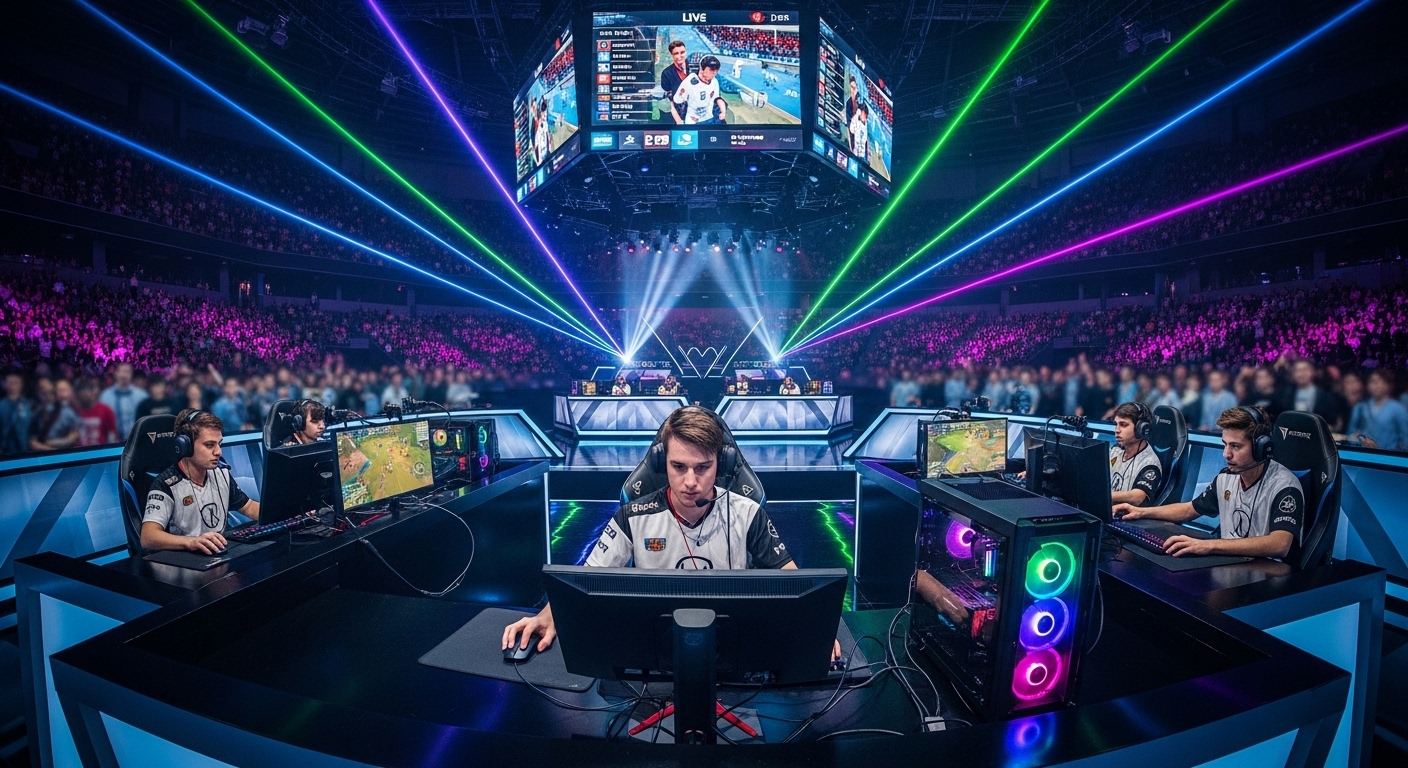
Esports teams are similar to traditional sports teams, with professional players representing the organization in various tournaments. Teams recruit top players from around the world, offering them contracts, salaries, and sponsorship deals. Players, in turn, dedicate themselves to rigorous training and practice schedules, similar to athletes in traditional sports.
In addition to team-based competition, there are also individual esports stars. Some players gain international fame for their exceptional skills in a particular game, attracting large fan bases and lucrative sponsorships. For example, players like Faker (Lee Sang-hyeok) in League of Legends and Ninja (Tyler Blevins) in Fortnite have become household names, with millions of followers on social media and streaming platforms.
Major Tournaments and Competitions
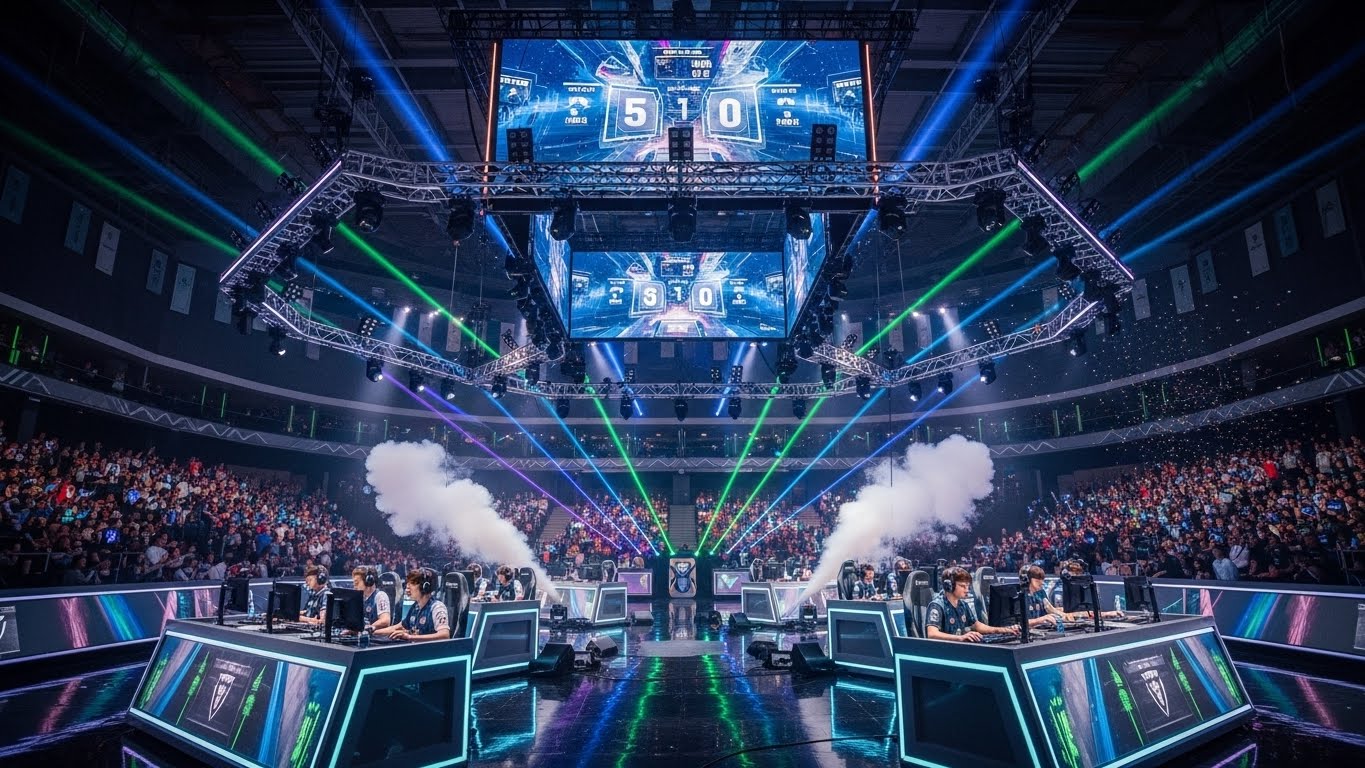
Esports tournaments are the heart of the competitive gaming scene. These events often offer massive prize pools, drawing the best players and teams from across the globe. Some of the most iconic esports tournaments include:
- The International (Dota 2): Known for its enormous prize pool, often exceeding $30 million.
- League of Legends World Championship: A global event where the best LoL teams compete for the title of World Champion.
- CS:GO Major Championships: A series of tournaments where top Counter-Strike teams battle for supremacy.
These tournaments are broadcasted live to millions of viewers, with prize money reaching millions of dollars. Beyond just the money, the prestige of winning these events is a significant motivator for players and teams.
The Role of Fans in Esports
Fans are an integral part of the esports ecosystem. The connection between esports players and their fans is often deep and personal. Fans engage with players through social media, live streams, and even meet-and-greets at tournaments. Some fans even form fan clubs or organize online communities where they can discuss strategies, share content, and cheer for their favorite teams.
Esports events also foster a sense of community. Fans travel to large tournaments to support their favorite teams in person, creating a live event atmosphere similar to traditional sports. Major events like The International or the League of Legends World Championship attract tens of thousands of fans, while millions more watch from home.
The Economic Impact of Esports
Esports has grown into a multi-billion-dollar industry, creating new jobs, revenue streams, and economic opportunities.
Sponsorships and Advertising
Just like traditional sports, esports has attracted major brands looking to tap into the young, tech-savvy audience that esports attracts. Companies such as Coca-Cola, Red Bull, and Intel sponsor tournaments, teams, and individual players, making esports a lucrative industry for advertising.
The rise of esports has also created new marketing opportunities for companies. In-game advertising, where brands sponsor in-game events or characters, has become a common method of reaching players and fans directly.
Merchandising and Ticket Sales
Esports teams and players often sell branded merchandise, including clothing, posters, and gaming accessories. Merchandise sales contribute significantly to the revenue of teams and tournament organizers. Additionally, ticket sales for live events, such as major esports tournaments, add to the overall economic impact of the industry.
Media Rights and Broadcasting
Esports has begun to attract media rights deals similar to traditional sports leagues. Streaming platforms, television networks, and even mainstream sports networks now carry esports content, with some companies paying large sums to broadcast tournaments. As esports continues to grow, broadcasting deals will play an increasingly important role in the industry’s financial structure.
The Future of Esports: What’s Next?
The future of esports is incredibly promising, and several key trends are likely to shape its trajectory.
Esports and Education
Many universities around the world are now offering scholarships for esports athletes, recognizing the skill and commitment required to succeed in competitive gaming. Additionally, esports programs are being established at schools to promote teamwork, strategy, and critical thinking among students. As esports gains legitimacy, it is expected that more educational institutions will integrate gaming into their curricula.
Virtual Reality and Augmented Reality (VR/AR)
Advancements in VR and AR technologies could take esports to a new level. VR gaming allows for an immersive experience, where players can interact with virtual environments in real-time. As VR technology becomes more accessible, esports may evolve to incorporate more immersive, interactive competitions.
Global Expansion
Esports is already a global phenomenon, but its growth is far from over. Emerging markets in Latin America, Africa, and Southeast Asia offer new opportunities for expansion. As internet infrastructure improves worldwide, esports will likely see continued growth in these regions.
Conclusion: Esports is Here to Stay
Esports has firmly established itself as a dominant force in the entertainment industry. Its growth, driven by streaming platforms, technological advancements, and the increasing professionalism of players and teams, has created a thriving global ecosystem. With passionate fans, lucrative sponsorships, and large-scale tournaments, esports is no longer just a pastime—it’s a cultural movement.