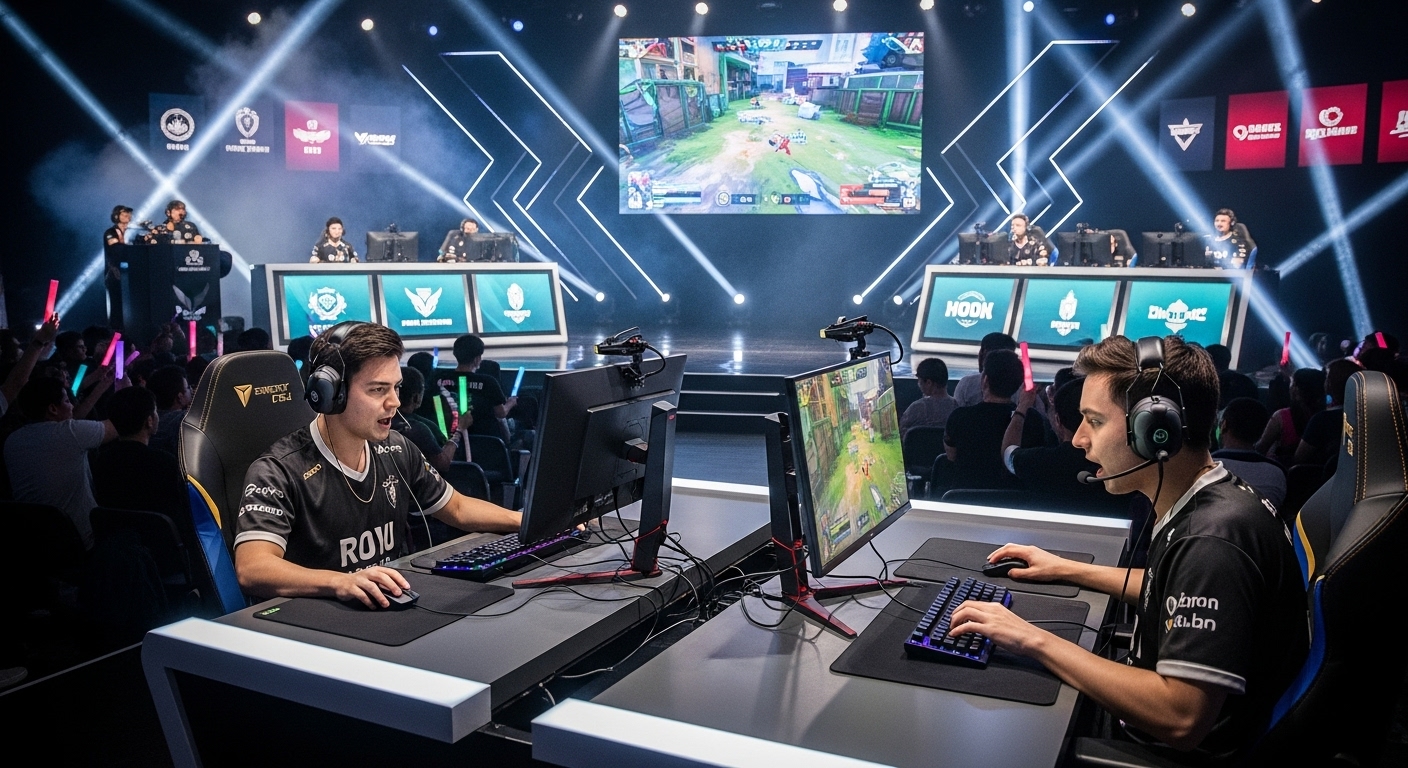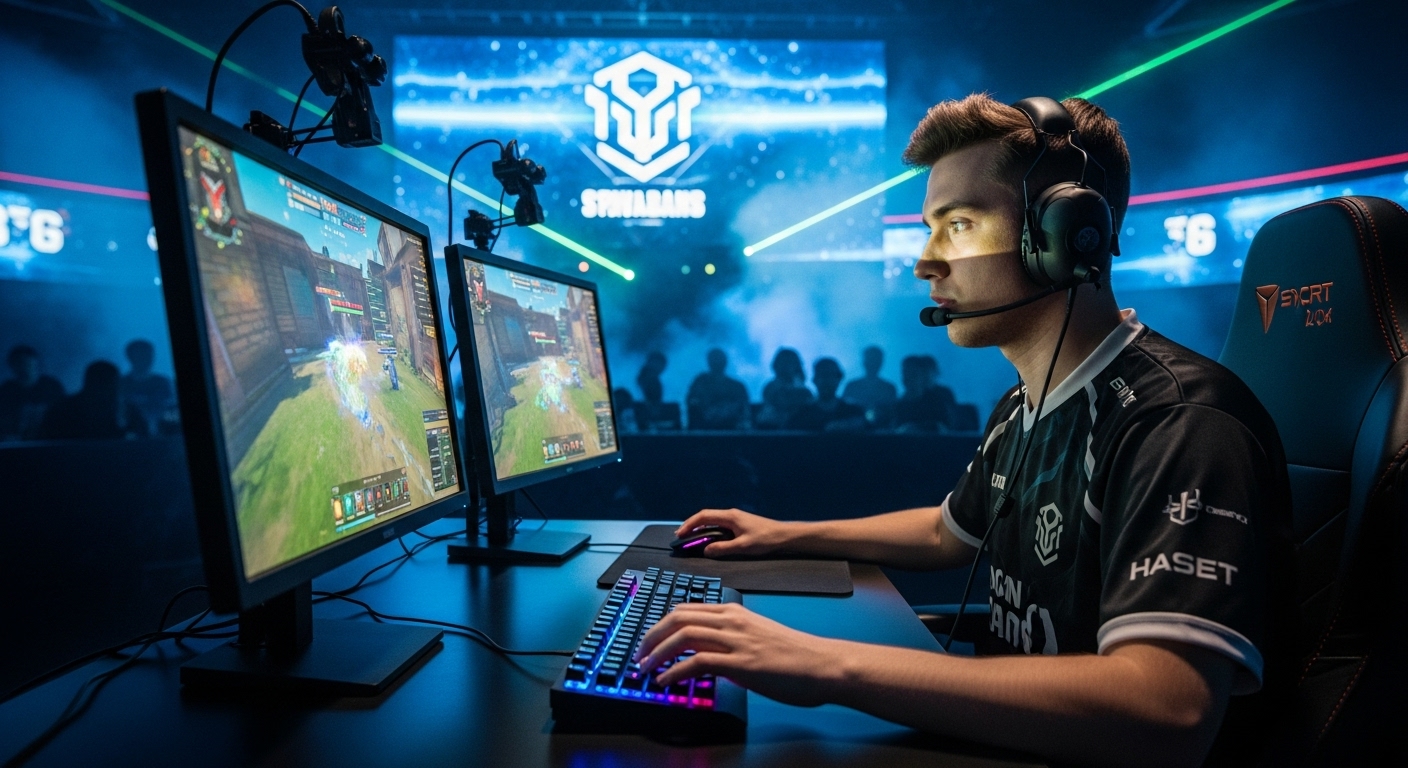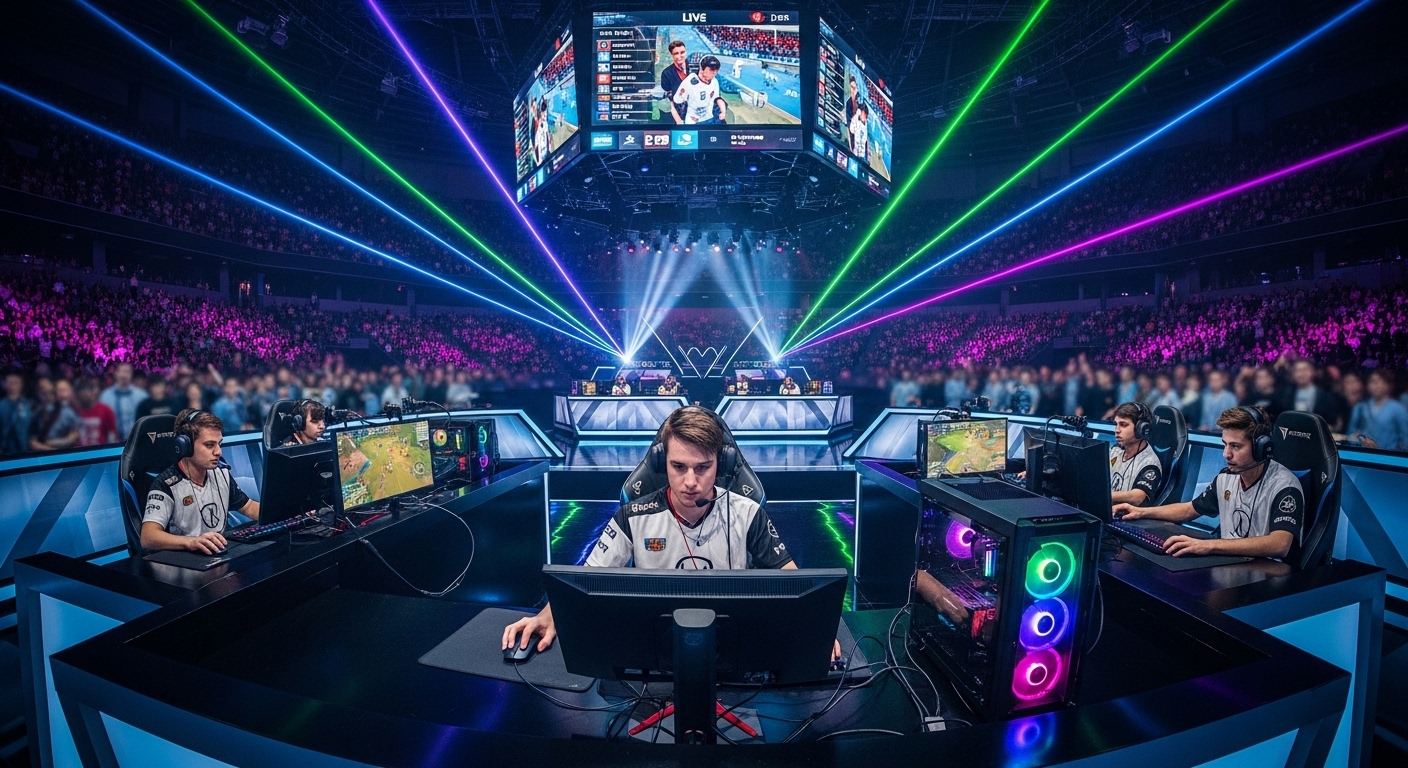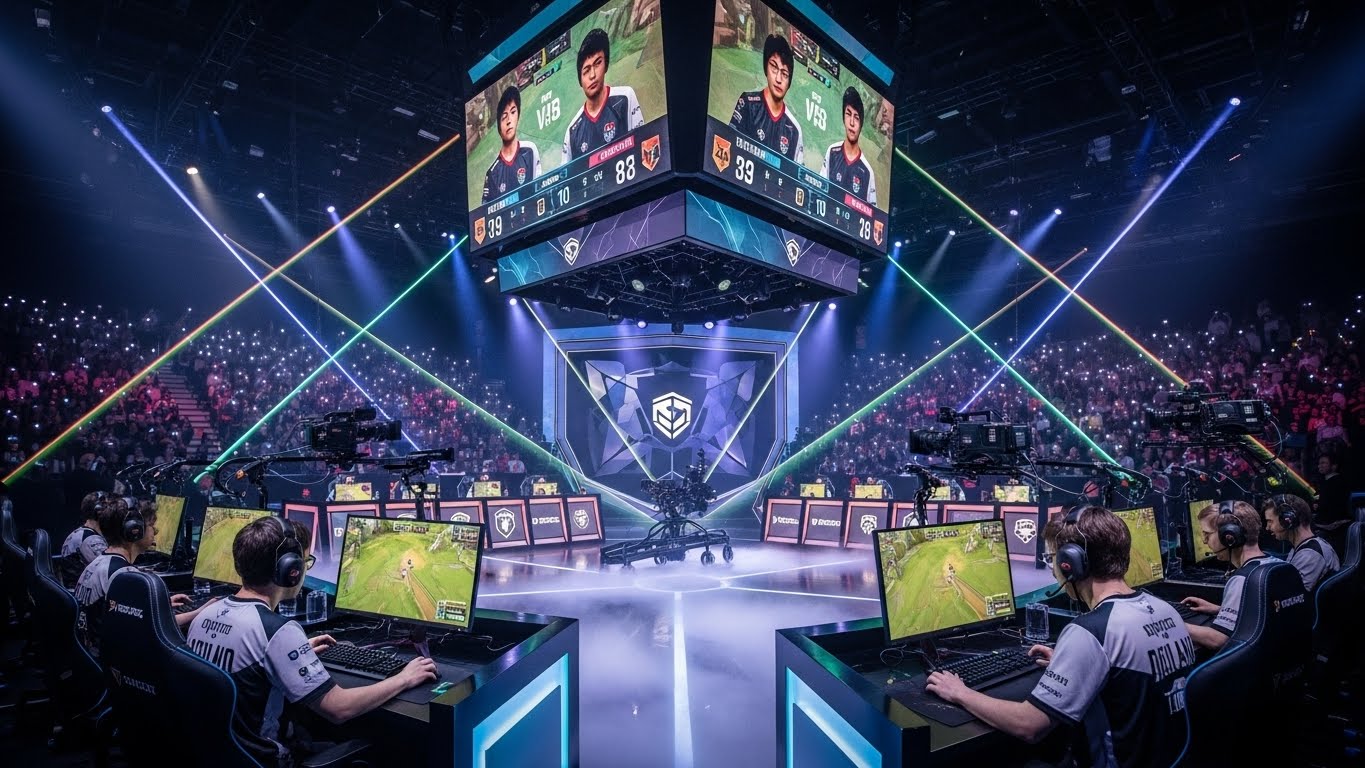
Esports has come a long way from the early days of video gaming, transforming from a niche hobby to a global phenomenon. Over the past decade, competitive gaming has exploded in popularity, drawing millions of players and fans from around the world. As the esports industry continues to grow and evolve, it presents new opportunities for players, teams, and even entire nations to make their mark on the global stage. In this blog post, we will explore the various aspects of esports, its history, its current landscape, and where it is headed in the future.
The Birth of Esports: From Casual to Competitive
Esports, short for “electronic sports,” is essentially organized, multiplayer video gaming, often involving professional players, teams, and leagues. While video games have been around since the 1970s, esports as we know it today started taking shape in the late 1990s and early 2000s. The first major esports tournaments, such as the Red Annihilation tournament in 1997, attracted gamers from all over the world, though the concept was still in its infancy.
During the early days of esports, games like Quake, StarCraft, and Warcraft laid the foundation for what would become the competitive gaming scene. These games were highly competitive, required skill and strategy, and fostered online communities. As internet access became more widespread, gaming tournaments began to take place online, allowing players from different regions to compete against one another.
In the 2000s, esports gained a more formal structure. Major tournaments began to offer cash prizes, and the concept of professional gaming teams began to take hold. The rise of platforms like Twitch (launched in 2011) allowed fans to watch live streams of tournaments and gameplay, further fueling the popularity of esports.
The Rise of Esports as a Global Industry
As esports grew in popularity, so did its financial backing. Investors, brands, and corporations began to recognize the potential of esports as a legitimate form of entertainment. By the 2010s, esports had evolved into a multi-billion-dollar industry. According to recent reports, the global esports market is expected to surpass $1.5 billion in revenue by 2025, with millions of fans tuning in to watch major tournaments across the world.
One of the key drivers behind this rapid growth is the increasing number of professional esports leagues and tournaments. For instance, the League of Legends World Championship, which has been held annually since 2011, is one of the largest and most prestigious esports events in the world. In 2021, the tournament attracted over 140 million unique viewers, surpassing many traditional sports events in terms of viewership.
Esports has also become a mainstream entertainment medium, with major media outlets such as ESPN and BBC providing coverage of major events. Additionally, streaming platforms like Twitch and YouTube Gaming have enabled players to showcase their skills, build large followings, and even monetize their gameplay through ads, sponsorships, and fan donations.
The Role of Professional Teams and Players
At the heart of the esports industry are the professional players and teams that compete in major tournaments. These players, often referred to as “esports athletes,” train rigorously to hone their skills in specific games. Much like traditional athletes, esports players must possess a combination of technical skill, strategic thinking, and mental fortitude to succeed at the highest level.
Esports teams are often backed by sponsors, who provide funding for player salaries, equipment, and travel expenses. These teams compete in a variety of games, including League of Legends, Dota 2, Counter-Strike: Global Offensive (CS: GO), Overwatch, and many more. Some of the most well-known esports organizations include Team Liquid, Cloud9, FaZe Clan, and T1.
For many players, esports is no longer just a hobby but a full-time career. Top-tier players can earn substantial salaries, with some even securing lucrative sponsorships and endorsement deals. For example, Tyler “Ninja” Blevins, one of the most famous streamers and esports personalities, has made millions of dollars through his sponsorships, live streams, and brand deals.
While the financial rewards are certainly a draw, the mental and physical demands of professional gaming should not be underestimated. Esports players often practice for several hours a day, perfecting their skills and strategies. The intense competition and high stakes of major tournaments can create immense pressure, and mental resilience is crucial for success.
The Popularity of Esports Among Younger Audiences
One of the most notable trends in esports is its ability to captivate younger audiences, particularly Gen Z and Millennials. Unlike traditional sports, which have a long-established fanbase, esports appeals to a generation that has grown up in the digital age. The accessibility of online gaming, combined with the ability to watch live streams of competitions, has made esports an attractive form of entertainment for young people around the world.
In addition to its entertainment value, esports also offers a sense of community. Online multiplayer games allow players to connect with friends and strangers from all over the world, fostering social interaction and teamwork. Streaming platforms like Twitch and YouTube Gaming enable fans to interact with their favorite players, creating a more engaging and interactive experience compared to traditional sports broadcasts.
Esports has also made its way into educational institutions. Many universities now offer scholarships to talented esports players, and esports clubs are becoming more common on college campuses. Some schools have even established their own esports teams and compete in intercollegiate tournaments. This shift has helped to legitimize esports as a serious and respected pursuit, much like traditional athletics.
The Impact of Esports on Traditional Sports
Esports has not only impacted the world of gaming but also influenced traditional sports in several ways. For one, many traditional sports teams have embraced esports as a way to reach younger audiences and expand their brand. In recent years, football clubs like FC Barcelona, Paris Saint-Germain, and Manchester City have invested in esports teams, either by acquiring existing organizations or forming their own teams to compete in games like FIFA and League of Legends.
Furthermore, esports has begun to carve out a place in major sporting events like the Asian Games and the Olympics. While esports is not yet included as a medal event in the Olympics, there have been discussions about its potential inclusion in the future. The IOC (International Olympic Committee) has expressed interest in exploring the possibilities of integrating esports into the Olympic Games, with some speculating that it could become a part of future events.
The Future of Esports: Growth and Innovation
The future of esports looks incredibly promising, with continuous growth and innovation on the horizon. Several trends are expected to shape the future of the industry:
- Virtual Reality (VR) and Augmented Reality (AR): As technology advances, VR and AR could revolutionize the way esports tournaments are played and viewed. VR could create a more immersive experience for players, while AR could enhance the viewing experience for fans by overlaying stats and other data during live broadcasts.
- Esports in the Metaverse: The rise of the metaverse, a virtual world where users can interact with each other and digital objects, may open up new opportunities for esports. Tournaments and events could be held in fully virtual spaces, attracting new audiences and pushing the boundaries of what’s possible in competitive gaming.
- Increased Sponsorship and Investment: As the esports industry matures, more brands and investors are likely to get involved. This influx of capital could lead to higher player salaries, larger prize pools, and more professional infrastructure. Additionally, esports could become more integrated into mainstream media, with larger networks broadcasting tournaments and competitions.
- Diversity and Inclusion: Esports has the potential to break down barriers and create a more inclusive environment for people from all walks of life. As the industry grows, there is a growing emphasis on diversity, equity, and inclusion. More female players, people of color, and individuals from diverse backgrounds are beginning to make their mark on the scene, and this trend is likely to continue in the years ahead.
Conclusion: Esports as the Future of Competitive Entertainment
Esports is no longer just a hobby for a select few; it has become a global entertainment juggernaut. From humble beginnings in the 1990s to multi-million-dollar tournaments, esports has become a legitimate career path for gamers, a source of entertainment for millions, and a cultural phenomenon that is reshaping the landscape of competitive sports. As the industry continues to evolve, it will be exciting to see how technology, innovation, and global collaboration drive esports into the future.
Whether you’re a casual gamer, a professional player, or just an avid fan, there’s no denying that esports is here to stay. The growth and development of the industry suggest that esports will play an increasingly important role in the entertainment world for years to come.