Introduction
Once upon a time, playing video games was considered a casual pastime—something done for fun after school or work, a hobby often dismissed as unproductive. Fast forward to today, and the picture could not be more different. The world of gaming has evolved into a massive, global phenomenon known as esports, where professional players, teams, and organizations compete for millions of dollars in prize money and the admiration of millions of fans.
From small arcade tournaments in the 1980s to massive international competitions filling entire stadiums today, esports has transformed entertainment, technology, and even education. This blog explores how esports rose from humble beginnings to become one of the most powerful industries in modern culture—complete with its own stars, leagues, and global influence.
The Origins of Competitive Gaming
To understand esports, we must go back to its roots. The concept of competitive gaming is not new. It began in the early 1970s when students at Stanford University held the world’s first video game competition for the game “Spacewar!” The winner received a one-year subscription to Rolling Stone magazine—not exactly a million-dollar prize, but it set the stage for what was to come.
During the 1980s, arcade gaming became the next big thing. Games like Pac-Man, Donkey Kong, and Space Invaders created a new generation of gamers hungry for high scores. The famous Space Invaders Championship in 1980, organized by Atari, attracted over 10,000 participants across the United States—a record-breaking number at that time.
Although the technology was primitive by modern standards, these events showed that people had a competitive spirit even in virtual environments. Gamers wanted recognition, and the idea of being “the best” at a game began to take root.
The Birth of the Modern Esports Scene
The true esports era began in the late 1990s and early 2000s. The rise of the internet allowed players from around the world to connect, compete, and share their experiences. Games like StarCraft, Counter-Strike, Quake, and Warcraft III became the backbone of the early esports ecosystem.
South Korea played a vital role in shaping modern esports. The country invested heavily in broadband infrastructure, and by the early 2000s, gaming cafes—known as “PC bangs”—were everywhere. Televised gaming matches became national entertainment. Players like Lim “BoxeR” Yo-hwan, a professional StarCraft player, achieved celebrity status, with fans treating him like a rockstar.
This era also saw the birth of organized esports leagues and tournaments. The Cyberathlete Professional League (CPL), Major League Gaming (MLG), and the World Cyber Games (WCG) began to offer structured competition and real prize money. Gaming was no longer just a hobby—it was becoming a legitimate career path.
The Explosion of Esports in the 2010s
The 2010s marked a period of explosive growth for esports. With the rise of streaming platforms like Twitch and YouTube Gaming, fans could now watch live matches from anywhere in the world. This accessibility changed everything.
Games like League of Legends, Dota 2, Counter-Strike: Global Offensive, and Overwatch became cultural phenomena. Riot Games, the developer of League of Legends, launched the League of Legends Championship Series (LCS), turning the game into a global spectator sport. Similarly, Valve’s Dota 2 hosted The International, which became known for its enormous prize pools—often reaching tens of millions of dollars thanks to community funding.
In 2019, The International 9 had a prize pool exceeding $34 million, making it one of the largest in competitive gaming history. These numbers drew mainstream media attention, solidifying esports as a serious industry.
The Globalization of Esports
Esports is no longer confined to one region or culture—it’s a global movement. Countries across Asia, Europe, and North America all have thriving esports communities. In China, millions tune in to watch tournaments; in Europe, organizations like G2 Esports and Fnatic have become household names; in North America, franchised leagues now mirror traditional sports organizations.
The Middle East, South America, and Africa are also emerging as new esports powerhouses. Nations are investing in gaming infrastructure, esports academies, and digital entertainment hubs. The global nature of esports has made it one of the most inclusive and culturally diverse industries in the world.
Esports as a Career
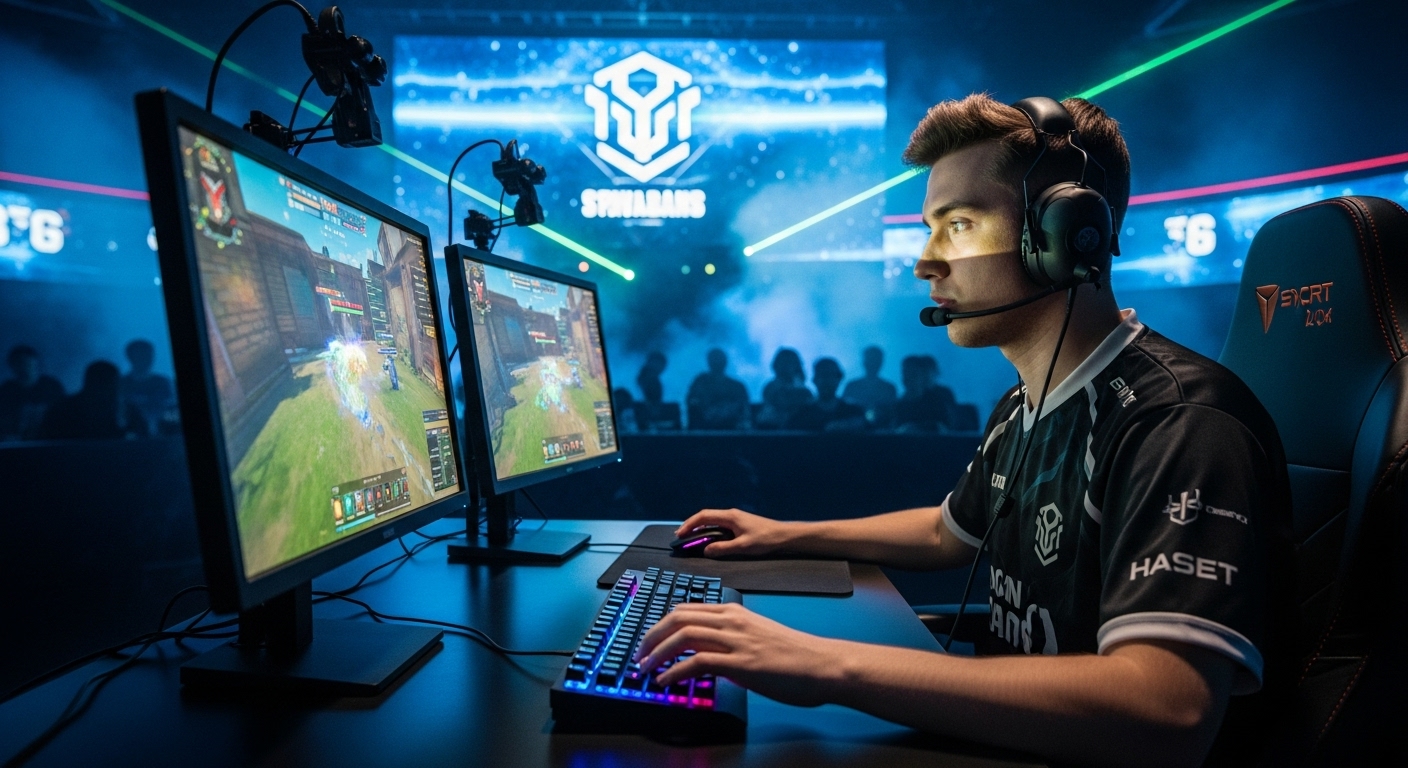
For many young gamers, the dream of becoming a professional esports athlete is now as legitimate as wanting to be a footballer or basketball player. Esports professionals train rigorously, often practicing for 8–12 hours a day. Teams have coaches, analysts, nutritionists, and even sports psychologists to ensure peak performance.
The career opportunities in esports extend far beyond players. There are casters (commentators), event organizers, production teams, content creators, and marketing specialists. Universities around the world now offer degrees in esports management, game design, and digital marketing, preparing students for the industry’s various roles.
Some universities even provide esports scholarships, recognizing the skill, discipline, and teamwork required to compete at a high level. What was once a niche interest is now a respected professional field.
The Role of Technology in Esports Growth
Esports would not exist without technology—and the constant evolution of that technology has fueled its rapid expansion. The improvement of graphics, servers, and high-speed internet connections has made competitive gaming smoother and more engaging.
Streaming platforms transformed how audiences engage with games. A gamer in one part of the world can broadcast a live match to millions instantly. This interactivity—fans chatting, donating, and cheering in real-time—creates a level of engagement that traditional sports can only dream of.
Moreover, advances in artificial intelligence, data analytics, and virtual reality are shaping the next generation of esports experiences. AI is used to analyze player behavior, optimize training routines, and even predict match outcomes. Virtual reality and augmented reality may soon redefine what it means to “play” or “watch” esports, blurring the line between digital and physical competition.
The Esports Economy
Esports has grown into a multi-billion-dollar industry. Revenue comes from sponsorships, advertising, media rights, merchandise, and ticket sales. Major brands such as Coca-Cola, Intel, Red Bull, and Nike sponsor teams and tournaments, seeing esports as a key way to reach younger, tech-savvy audiences.
Franchised leagues have emerged, mirroring traditional sports like the NBA or Premier League. Teams buy slots in leagues, fans purchase branded apparel, and organizations build long-term identities. This professionalization has stabilized the industry, ensuring players receive salaries and benefits rather than relying solely on prize money.
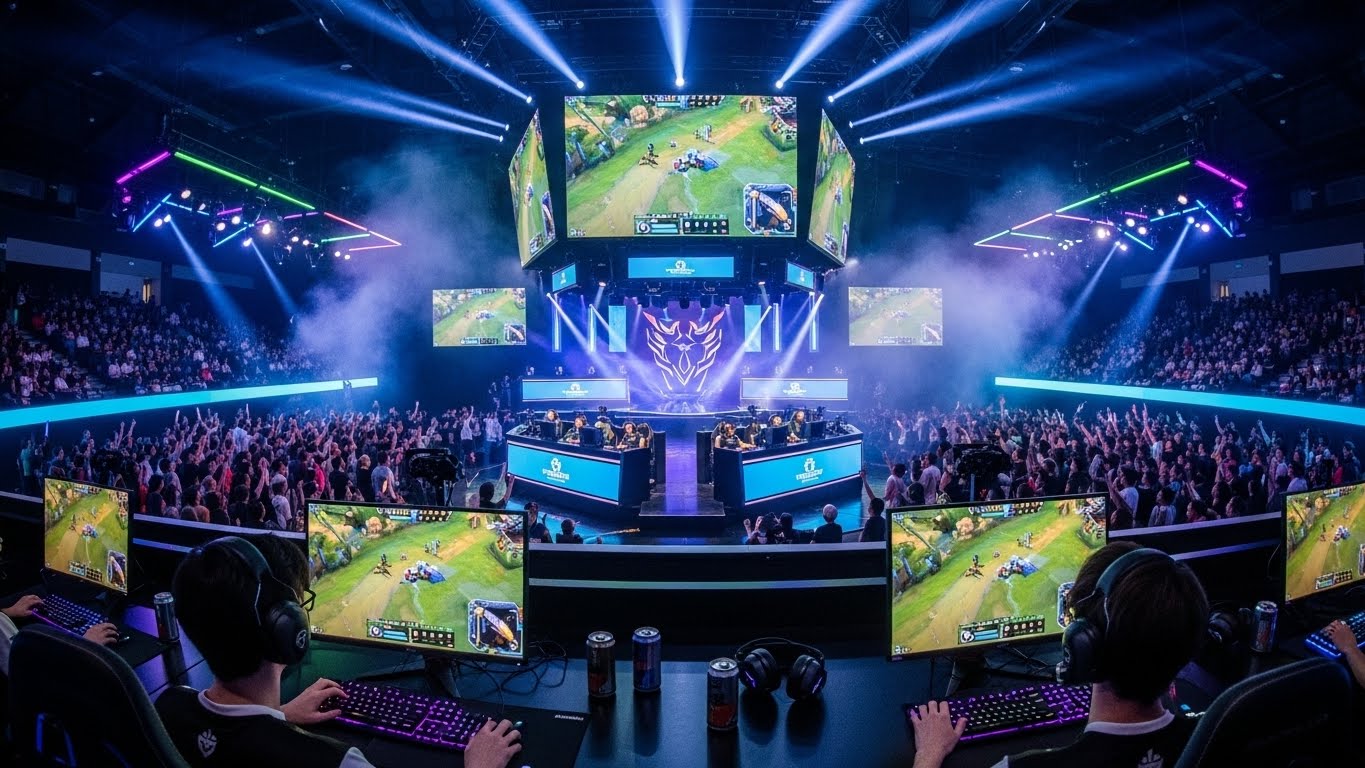
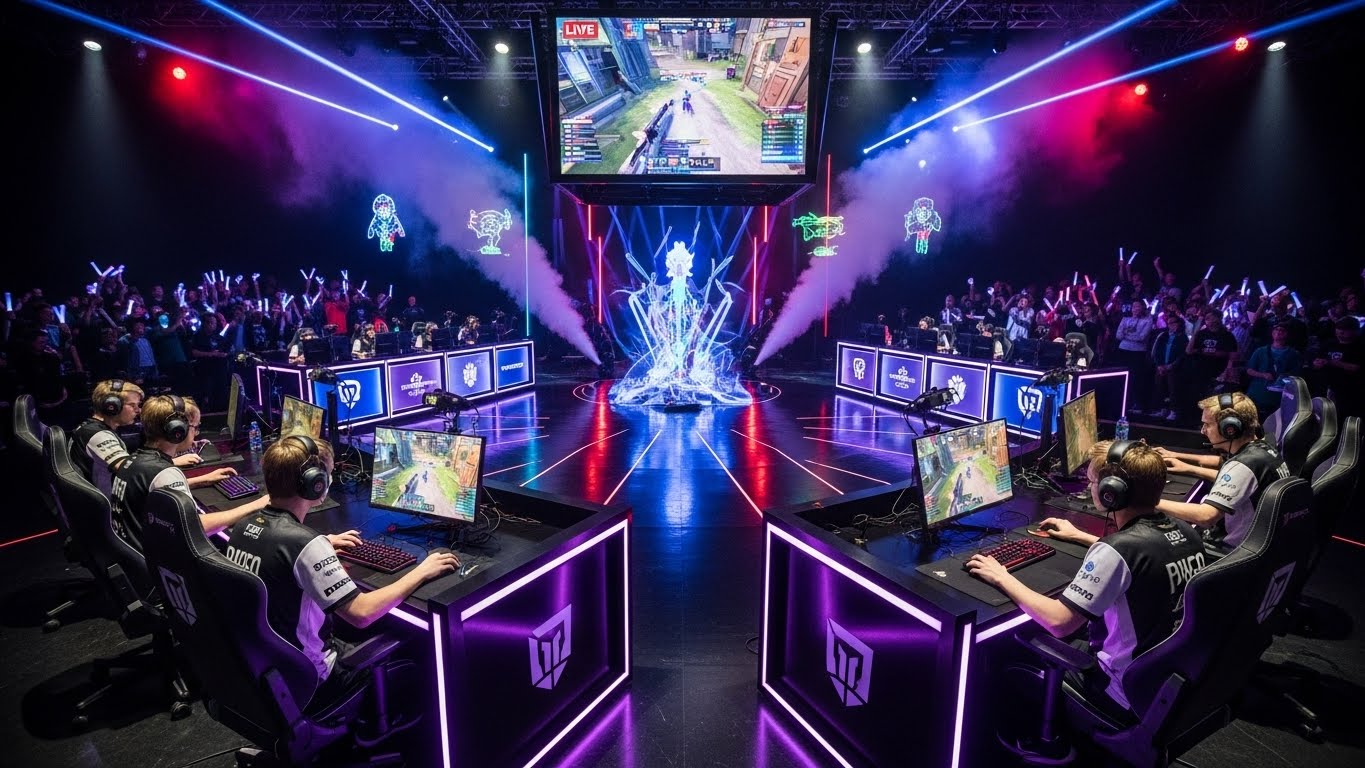
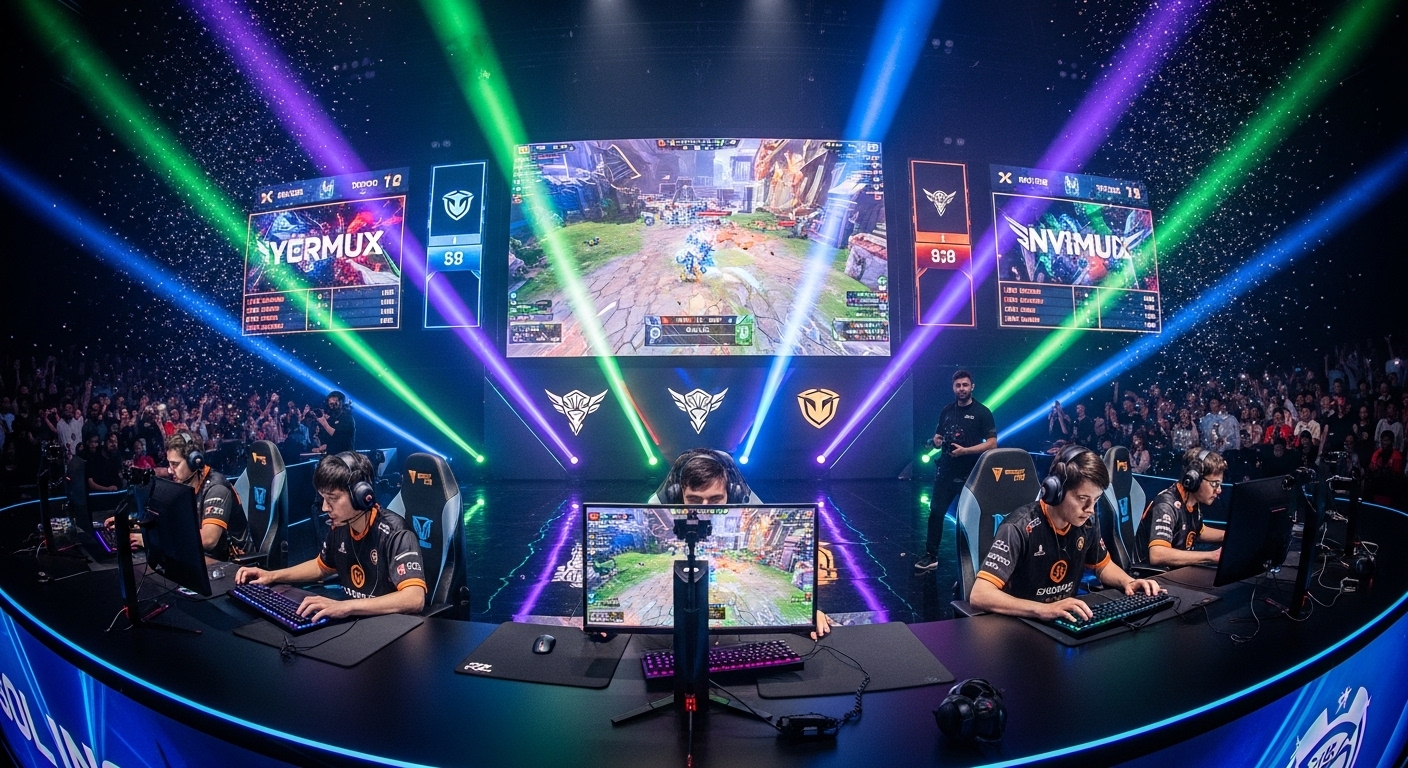
The rise of esports has also driven the creation of dedicated venues. Cities such as Seoul, Shanghai, and Los Angeles have built esports arenas designed for large audiences and live broadcasts. Esports events now fill stadiums with tens of thousands of cheering fans—an image that was once unimaginable.
The Cultural Impact of Esports
Beyond the numbers and profits, esports has profoundly influenced modern culture. Gaming is no longer something “nerdy” or “antisocial.” It’s mainstream. Celebrities, musicians, and athletes have embraced gaming, often collaborating with teams or streaming themselves playing.
Esports has also redefined community. Unlike traditional sports limited by geography, esports communities are global. A fan in Brazil can cheer for a Korean team, discuss strategies on Reddit, and play with teammates from Europe—all in one day.
Moreover, esports has become a powerful tool for social connection. During global events such as the COVID-19 pandemic, when live sports were suspended, esports thrived. It provided entertainment, competition, and community in a time of isolation.
Challenges Facing the Esports Industry
Despite its success, esports faces several challenges that must be addressed for sustainable growth.
1. Player Burnout
Professional gaming is demanding. Long hours of practice, travel, and constant competition lead to mental and physical exhaustion. Unlike traditional sports, where careers can last decades, esports players often retire in their early twenties. Organizations are now investing in better health management, but burnout remains a significant issue.
2. Financial Stability
While top-tier players earn millions, many lower-tier competitors struggle to make a living. Prize pools are often concentrated among a few games and teams, creating inequality within the industry.
3. Governance and Regulation
Esports is still developing a unified regulatory framework. Issues like match-fixing, doping (through performance-enhancing drugs), and betting scandals have occasionally tarnished its image. Standardized global regulations are necessary to maintain integrity and fairness.
4. Representation and Inclusion
While gaming is universal, certain demographics remain underrepresented in professional esports—particularly women and marginalized communities. The industry is making efforts toward inclusivity, but there’s still progress to be made in creating safe and welcoming spaces for everyone.
Education and Esports: A New Partnership
One of the most exciting developments in recent years is the intersection between education and esports. Schools and universities have begun recognizing the value of gaming as a tool for learning. Esports encourages teamwork, problem-solving, critical thinking, and digital literacy—all vital skills in the 21st century.
Educational institutions are forming esports clubs and leagues, where students compete just as they would in traditional sports. Some programs even use gaming as a gateway to careers in technology, media, and business. This collaboration between education and gaming has helped legitimize esports as a valuable part of modern culture.
The Psychology of Esports
Behind the flashing lights and fast-paced gameplay lies a complex psychological world. Esports athletes operate under intense pressure, similar to traditional athletes. They must maintain focus, adaptability, and resilience during high-stakes matches watched by millions.
Sports psychologists now work with esports teams to improve mental health, manage stress, and enhance concentration. The study of cognitive performance in gaming has also become an academic field, exploring how decision-making, reflexes, and teamwork function in virtual environments.
Interestingly, esports has also been found to improve cognitive abilities such as memory, coordination, and multitasking—skills that transfer into real-world applications.
Esports and Traditional Sports: The New Rivalry
The relationship between esports and traditional sports is both competitive and collaborative. On one hand, esports attracts younger audiences who spend less time watching traditional sports broadcasts. On the other, sports franchises are investing heavily in esports to stay relevant.
Organizations like the NBA and FIFA have their own esports leagues. Traditional athletes often stream or invest in teams, bridging the gap between the two worlds. This crossover shows that esports isn’t replacing sports—it’s expanding what competition can mean in a digital age.
The Future of Esports
The future of esports looks brighter than ever. As technology continues to advance, the boundaries of virtual competition will keep expanding. We can expect to see greater integration of virtual and augmented reality, more sophisticated analytics, and even cross-platform tournaments where players from different games or systems compete.
Esports will also continue to blend with entertainment. Music performances, celebrity appearances, and interactive fan experiences are becoming staples of major tournaments. The line between gaming, sports, and show business is rapidly disappearing.
In addition, the rise of mobile gaming has opened esports to billions of players in developing countries. Titles like PUBG Mobile and Mobile Legends have brought competitive gaming to regions previously limited by expensive hardware requirements.
Governments are recognizing esports as a legitimate industry, offering funding, infrastructure, and visa programs for professional players. The day when esports is part of the Olympic Games may not be far off.
Conclusion
Esports has traveled an extraordinary journey—from small arcades and LAN parties to billion-dollar tournaments and sold-out arenas. It’s a story of innovation, passion, and community. More than just games, esports represents a shift in how humanity interacts, competes, and entertains itself in the digital age.
What started as a niche hobby has become a global movement connecting millions through shared excitement, skill, and creativity. As technology continues to evolve, one thing is certain: esports will remain at the heart of the future of entertainment.
In many ways, esports is more than competition—it’s a celebration of what humans can achieve when passion meets technology. And just like traditional sports, it will inspire generations to come.