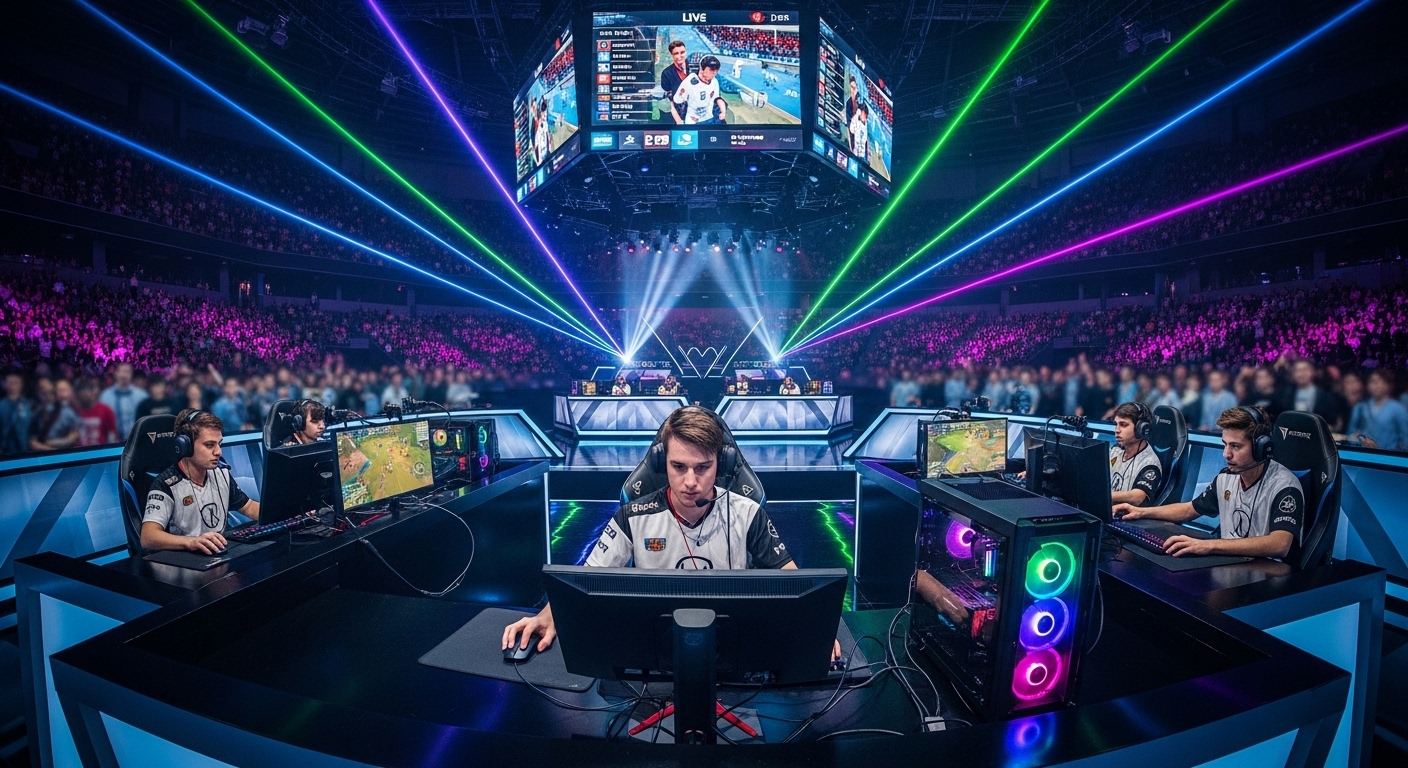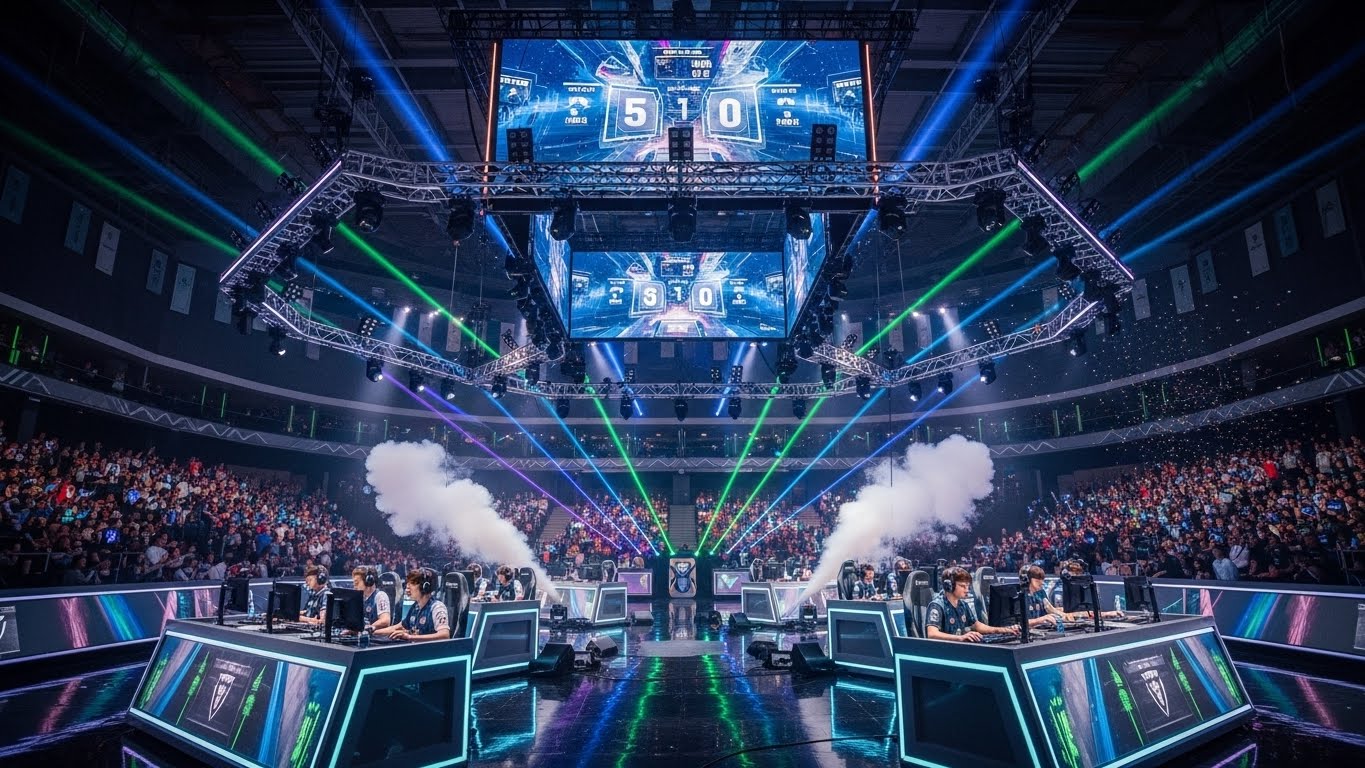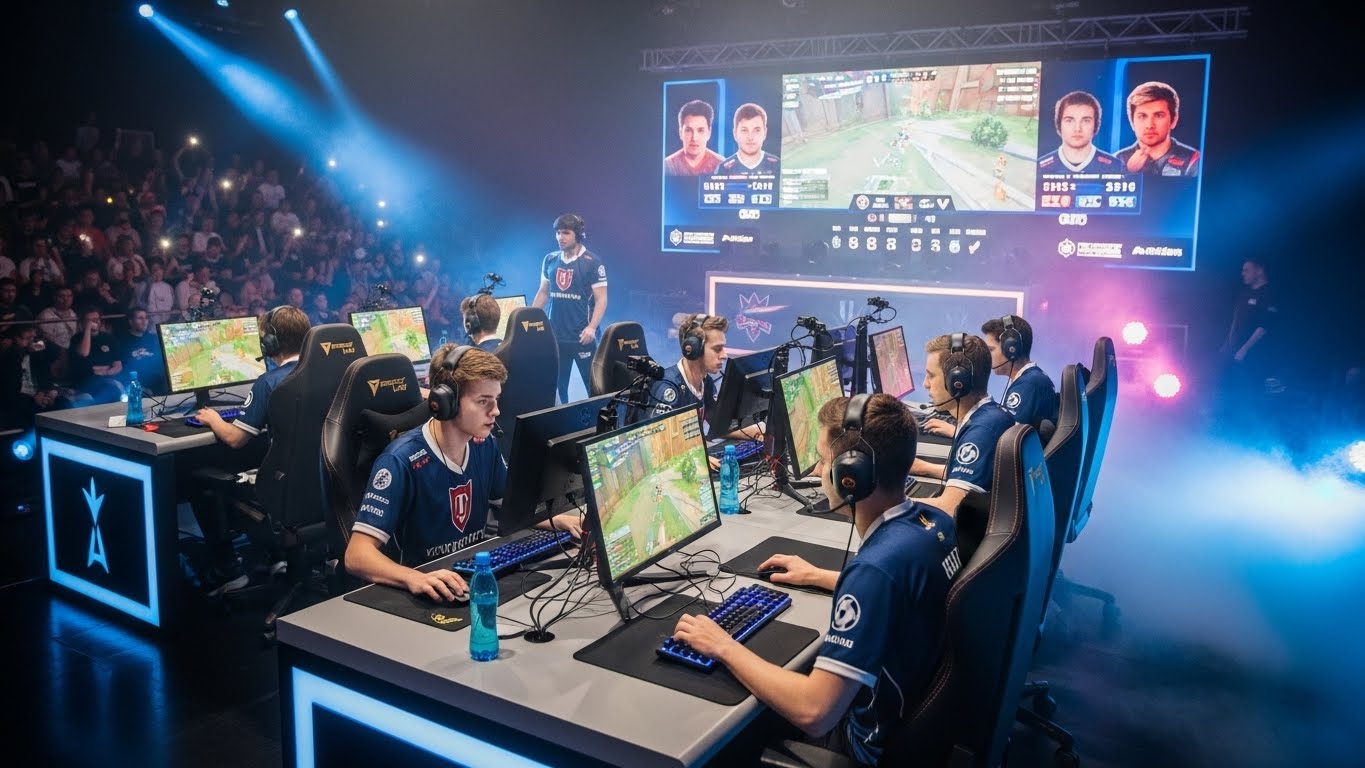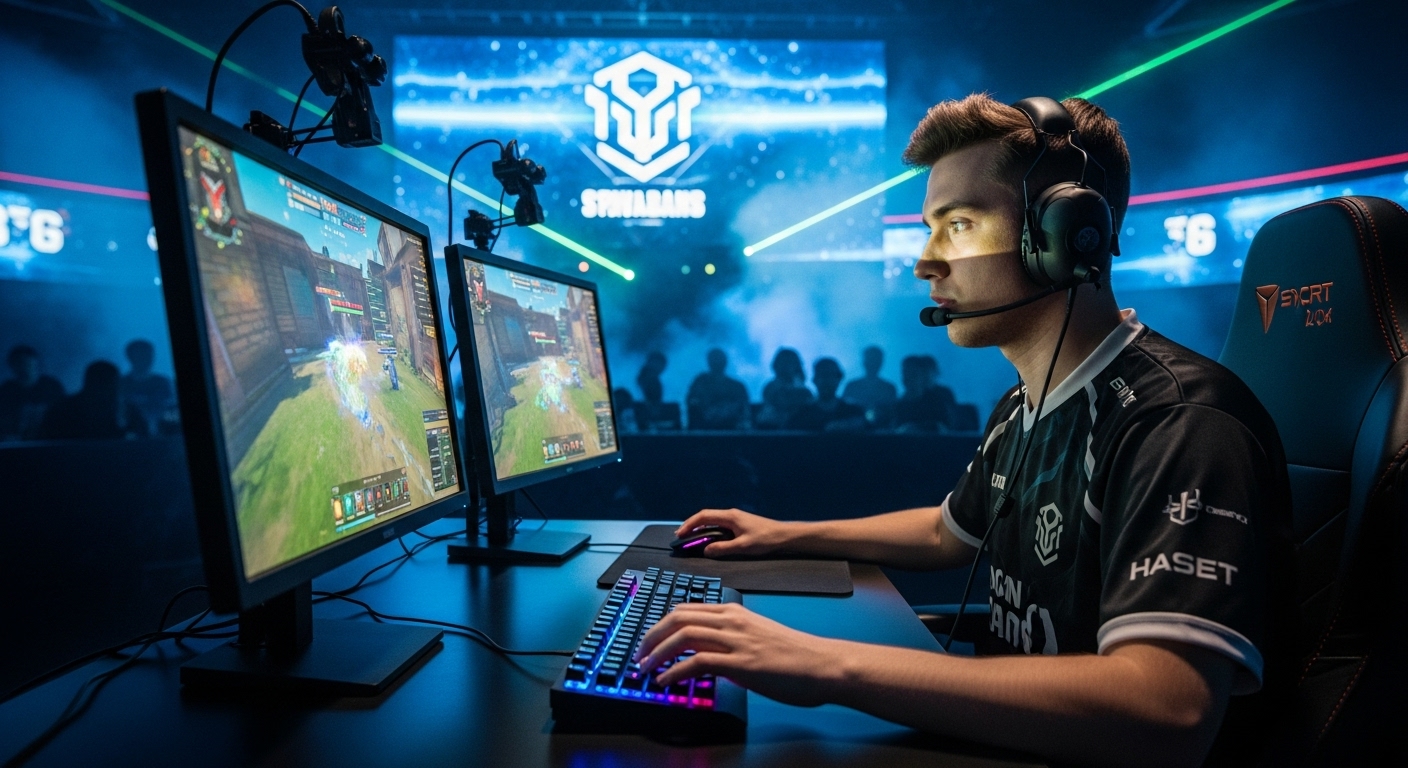
Esports, or electronic sports, has rapidly evolved from a niche pastime into a mainstream global industry. What began as casual competitive gaming among friends has transformed into a multi-billion-dollar ecosystem encompassing professional leagues, sponsorships, streaming platforms, and international tournaments. The world of esports is now a place where elite players, innovative technology, and passionate communities converge, shaping a new era of entertainment.
The Origins of Competitive Gaming
The roots of competitive gaming can be traced back to the 1970s and 1980s, when arcade culture flourished. Games like Pong and Space Invaders inspired early competitions, often organized in arcades or local communities. The concept of “high scores” was the first glimpse into what would become esports: a measure of skill and achievement in a digital arena.
By the 1990s, the rise of personal computers and internet connectivity expanded the scope of competitive gaming. Titles like Quake, StarCraft, and Counter-Strike introduced multiplayer experiences that allowed players to challenge each other online. This period saw the emergence of small-scale tournaments, many organized by dedicated communities passionate about gaming.
The Growth of Esports Leagues and Professionalization
The early 2000s marked the beginning of esports’ professionalization. South Korea played a pivotal role in this transformation, particularly with the popularity of StarCraft: Brood War. The South Korean government and private sponsors recognized esports’ potential, investing in professional teams, stadiums, and televised competitions. This support helped turn gaming into a legitimate career path.
In the West, leagues such as the Championship Gaming Series and Major League Gaming (MLG) started formalizing competitive structures. Players could now earn salaries, travel internationally for tournaments, and build personal brands. The professionalization of esports provided the foundation for the industry’s exponential growth in the following decade.
Popular Esports Titles and Their Impact
The diversity of esports titles reflects the variety of skills and strategies required to excel. Multiplayer online battle arena (MOBA) games like League of Legends and Dota 2 have created enormous competitive ecosystems. These games emphasize teamwork, strategy, and quick decision-making, drawing millions of viewers to live events and streaming platforms.
First-person shooters (FPS) like Counter-Strike: Global Offensive and Valorant highlight precision, reflexes, and tactical thinking. The competitive scene for these games often features international leagues with robust fan engagement.
Battle royale games such as Fortnite and PUBG brought esports to a younger demographic, blending fast-paced gameplay with accessible streaming experiences. Meanwhile, fighting games like Street Fighter and Tekken maintain a loyal niche audience, often celebrated through community-driven tournaments.
The Role of Streaming Platforms in Esports Growth
Streaming platforms have been instrumental in popularizing esports globally. Platforms like Twitch, YouTube Gaming, and more recently, TikTok Gaming, provide fans with direct access to live competitions, player commentary, and community engagement. Streamers often act as ambassadors for esports, bridging the gap between professional players and casual audiences.
The interactive nature of streaming has transformed spectatorship. Viewers can chat with each other, participate in polls, and even influence certain aspects of the gameplay experience. This level of engagement fosters a sense of community and creates a more immersive entertainment experience than traditional sports broadcasting.
Sponsorships, Branding, and Economic Impact
Esports has become a lucrative industry for sponsors and brands. Global companies in technology, apparel, energy drinks, and telecommunications frequently invest in tournaments, teams, and individual players. These sponsorships provide essential funding for events, player salaries, and marketing campaigns.
Beyond sponsorships, merchandise sales, in-game purchases, and media rights contribute to esports’ economic ecosystem. Major tournaments, such as The International for Dota 2 and League of Legends World Championship, offer multi-million-dollar prize pools, rivaling traditional sports events in both scale and visibility.
Esports and Global Communities
One of esports’ defining characteristics is its ability to foster global communities. Unlike traditional sports, which are often geographically confined, esports transcends borders. Players from different countries compete on the same platforms, interact through social media, and share strategies in online forums.
These communities are diverse and inclusive, encompassing people of all ages, genders, and backgrounds. Online tournaments, fan meetups, and content-sharing platforms provide spaces for collaboration and socialization. Esports has become more than competition—it’s a cultural movement that unites people through a shared passion for gaming.
Mental and Physical Demands on Professional Players
While esports may appear purely recreational, professional competition demands extraordinary mental and physical discipline. Players dedicate hours each day to practice, analyzing gameplay, refining strategies, and coordinating with teammates. Reaction time, decision-making under pressure, and teamwork are critical to success.
Physical health is also essential. Extended gaming sessions can strain eyes, wrists, and posture, leading professional players to adopt fitness routines, ergonomic setups, and dietary plans. Mental resilience is equally important, as players must navigate high-pressure tournaments, public scrutiny, and intense competition.
Technological Innovations Driving Esports
Esports thrives at the intersection of technology and entertainment. High-performance gaming rigs, advanced graphics engines, and real-time streaming technologies enable seamless gameplay and spectator experiences. Virtual reality (VR) and augmented reality (AR) are beginning to influence competitive gaming, offering new ways to engage players and audiences.
Artificial intelligence (AI) also plays a role, from analyzing player performance to creating dynamic opponents and enhancing training methods. Technology is not only expanding gameplay possibilities but also shaping the very infrastructure that supports esports as an industry.
Esports Education and Career Opportunities
As esports has grown, educational institutions have recognized its potential. Universities now offer programs in esports management, game design, and digital media. Scholarships are available for talented players, and specialized courses teach marketing, event management, and analytics within the esports industry.
Career opportunities extend beyond playing professionally. Esports requires managers, coaches, commentators, content creators, analysts, and technical staff. This diversification provides pathways for individuals with varied skill sets to contribute to and benefit from the industry.
Challenges and Controversies
Despite its growth, esports faces challenges. Issues such as player burnout, online harassment, and cheating have prompted debates about regulation and ethics. The rapid commercialization of esports has also raised concerns about maintaining integrity, fair play, and community values.
Balancing competitive rigor with player well-being remains a priority. Organizations are increasingly implementing mental health programs, stricter codes of conduct, and anti-cheating measures to address these challenges. How the industry navigates these issues will shape its long-term sustainability.
The Future of Esports
Looking ahead, esports is poised for continued expansion. Emerging markets in Asia, South America, and Africa are producing talent and attracting investment. New genres, platforms, and interactive technologies will redefine competitive gaming experiences.
Integration with traditional sports is also on the horizon. Partnerships between esports teams and professional sports franchises, combined events, and shared sponsorship models suggest a convergence of digital and physical athletic entertainment.
Moreover, esports is likely to influence broader cultural trends, from fashion and music to lifestyle and education. As gaming technology advances, esports will continue to redefine what it means to compete, watch, and connect in the digital age.
Conclusion
Esports has evolved from modest beginnings into a global cultural and economic powerhouse. It represents not just a form of entertainment but a complex ecosystem where technology, community, and competition intersect. Players dedicate themselves to excellence, organizations invest in innovation, and fans around the world engage passionately.
The journey of esports is far from over. As technology continues to advance and communities expand, the industry promises to shape the future of competitive entertainment, offering opportunities, challenges, and experiences unlike any other. For anyone interested in gaming, culture, or digital innovation, esports is an arena that deserves attention, respect, and appreciation.