Introduction: Esports as a Cultural Phenomenon
Esports, short for electronic sports, has grown from a niche hobby into a global phenomenon that rivals traditional sports in viewership, revenue, and cultural impact. Once limited to small local tournaments, esports has evolved into a professional industry with millions of fans, lucrative sponsorships, and international competitions. Its growth reflects not only advancements in technology but also changing perceptions of gaming as a legitimate form of competition and entertainment.
Esports combines skill, strategy, teamwork, and entertainment in ways that appeal to a broad range of audiences. Players and teams dedicate thousands of hours to refining their skills, while fans engage with their favorite teams and personalities through live streaming, social media, and live events. The industry has created opportunities for professional careers in playing, coaching, broadcasting, content creation, and game development.
This blog explores the evolution of esports, its competitive landscape, technological influences, cultural impact, and future potential, illustrating why esports has become a defining element of modern entertainment.
The Origins of Competitive Gaming
The roots of esports can be traced back to the 1970s and 1980s, when simple video games introduced the concept of high scores and competition. Arcade games like Space Invaders, Pac-Man, and Donkey Kong attracted players to challenge one another, often for prestige rather than monetary reward. These early competitions laid the foundation for organized gaming tournaments.
The 1990s marked a significant turning point with the rise of multiplayer PC games. Titles such as Doom, Quake, and StarCraft emphasized both individual skill and team coordination. StarCraft, in particular, became hugely popular in South Korea, where professional leagues and television broadcasts elevated competitive gaming into a respected career. The internet played a key role, connecting players globally and allowing online tournaments to emerge.
By the late 1990s and early 2000s, esports began to formalize. Dedicated tournaments, ranking systems, and organized teams appeared, creating a structured environment that mirrored traditional sports. The combination of skill, strategy, and online connectivity laid the groundwork for the professional esports ecosystem we see today.
The Professionalization of Esports
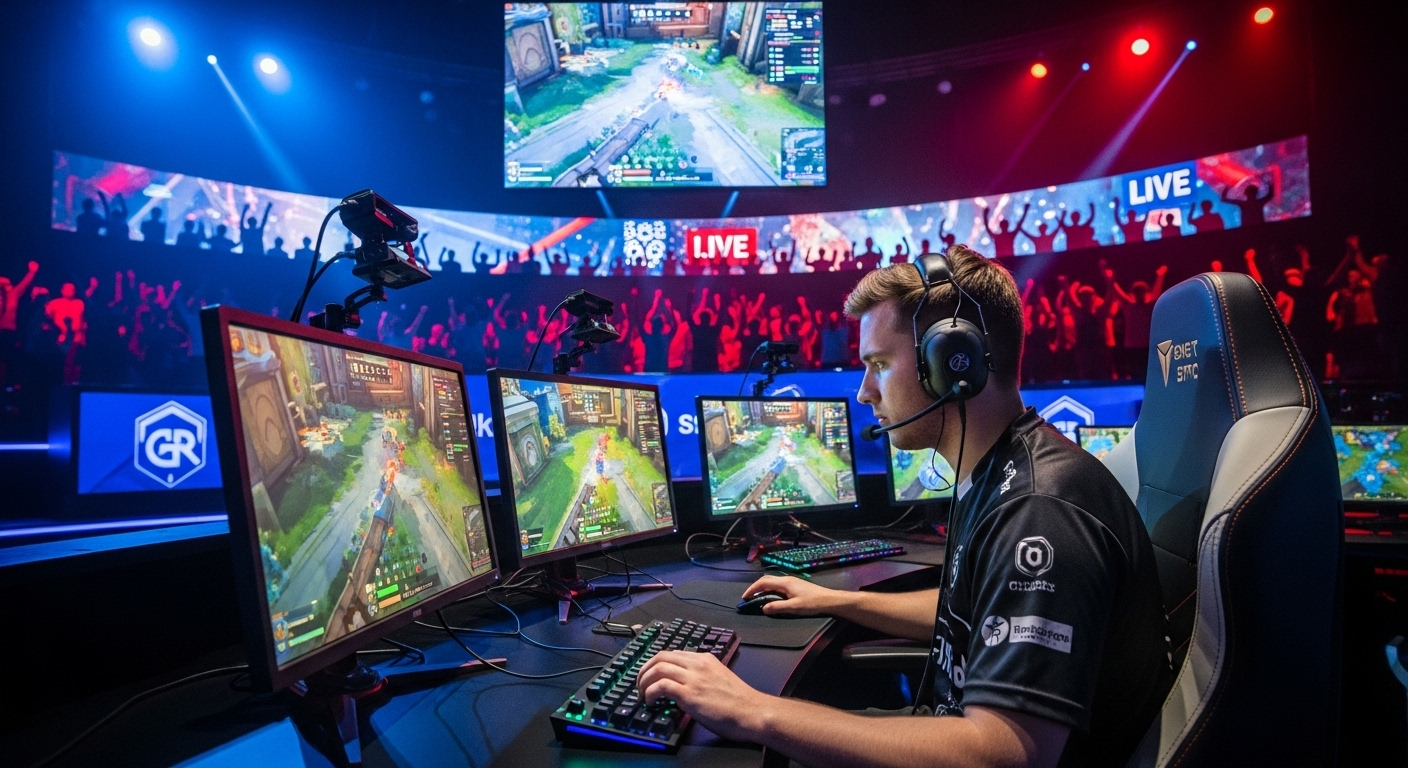
Esports has developed into a highly professional industry. Players now follow rigorous training schedules, often practicing for six to ten hours a day, similar to traditional athletes. Professional teams employ coaches, analysts, and psychologists to enhance performance, strategy, and mental resilience. Nutrition and wellness programs are also common, emphasizing holistic preparation for peak performance.
Games such as League of Legends, Dota 2, Counter-Strike: Global Offensive, Fortnite, and Call of Duty have established global professional leagues. These leagues feature seasonal competitions, playoffs, and world championships, attracting millions of viewers and offering substantial prize pools. Dota 2’s The International, for example, regularly features prize pools exceeding tens of millions of dollars, highlighting the high stakes of professional esports.
Professionalization extends beyond players. Commentators, broadcasters, content creators, and event organizers play critical roles in the industry. Streaming platforms allow fans to watch live competitions, interact with players, and engage with a global community. Esports has thus grown into a multifaceted industry with opportunities for a wide range of careers.
The Role of Streaming Platforms
Streaming platforms like Twitch, YouTube Gaming, and Facebook Gaming have revolutionized esports by providing a direct connection between players and fans. Live streaming allows viewers to watch tournaments in real-time, interact with broadcasters, and participate in community discussions.
Streaming has democratized esports. Amateur players can gain recognition, showcase their skills, and potentially turn professional. It also provides a platform for content creators to build personal brands, influence the community, and create additional revenue streams. Features such as live chat, emotes, and interactive polls enhance audience engagement, making viewers active participants rather than passive spectators.
Streaming platforms also support grassroots growth. Smaller tournaments and niche games can reach global audiences, creating new competitive ecosystems and fostering diversity in gaming genres and styles.
Major Esports Titles and Competitive Scenes
Esports encompasses a wide range of games, each with its own competitive structure and community.
- League of Legends: A multiplayer online battle arena game emphasizing teamwork, strategy, and quick decision-making. Its World Championship is one of the most-watched esports events worldwide.
- Dota 2: Known for its strategic depth, complex mechanics, and massive prize pools. The International is considered the pinnacle of competitive gaming for Dota 2 players.
- Counter-Strike: Global Offensive: A tactical first-person shooter that focuses on precision, coordination, and strategy. CS:GO tournaments attract large audiences and feature extensive international competition.
- Fortnite and Call of Duty: Fast-paced games with dynamic gameplay that appeal to younger audiences. Large-scale online tournaments, often streamed to millions, highlight both individual skill and team dynamics.
Each game has its own meta, competitive strategies, and fan communities, contributing to the diversity and global appeal of esports.
Tournament Structures and Competitive Formats
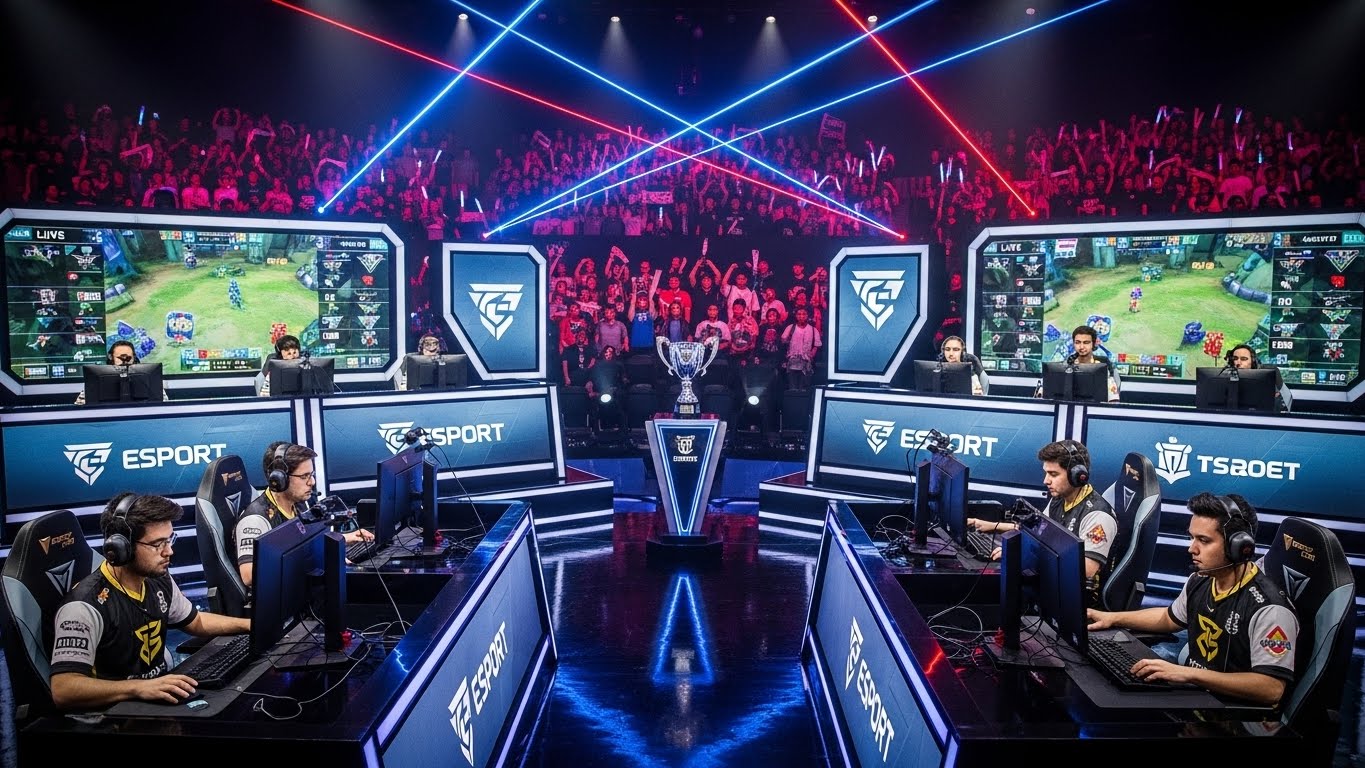
Esports tournaments are designed to test skill, strategy, and teamwork. Formats include single-elimination brackets, double-elimination tournaments, and league-based seasonal systems. Teams earn points over a season to qualify for playoffs and championship events.
Prize pools in professional tournaments often reach millions of dollars, funded through sponsorships, advertising, media rights, and ticket sales. The high stakes create intense competition, pushing players to continuously improve. Analytical tools are integral, allowing teams to study player performance, map strategies, and opponent tendencies. This data-driven approach mirrors traditional sports preparation and enhances competitive depth.
Cultural Influence and Community Engagement
Esports is more than just competition; it is a global cultural movement. Fans form communities around games, teams, and players, sharing content, memes, and discussions. Cosplay, fan art, and video content contribute to a rich and participatory culture.
Live events and conventions strengthen community engagement, offering shared experiences for fans worldwide. International tournaments unite audiences across borders, creating a sense of global camaraderie. Online forums, social media platforms, and fan-generated content foster inclusivity and creative expression, further embedding esports into global culture.
Esports also influences mainstream entertainment. Collaborations with music, film, and fashion industries bring gaming into broader cultural conversations, reinforcing its legitimacy as a form of modern entertainment.
Esports Versus Traditional Sports
Esports shares many characteristics with traditional sports, including competition, teamwork, strategy, and fan engagement. Players train rigorously, leagues operate seasonally, and championships attract global audiences. Professional teams manage player contracts, sponsorships, and brand identities similar to traditional sports franchises.
Differences lie in medium and physicality. Esports is digital, relying on mental agility, reflexes, and strategic thinking rather than physical endurance. Interactive streaming platforms enable participatory spectator experiences, allowing fans to engage in real-time discussions and influence the viewing experience.
Esports has also inspired traditional sports to adopt new engagement strategies, analytics tools, and fan interaction techniques. The intersection of esports and traditional sports highlights its growing cultural legitimacy.
Economic Impact of Esports
Esports is a multi-billion-dollar industry with revenue streams from sponsorships, advertising, media rights, merchandise, and ticket sales. Major tournaments attract global audiences, drawing investments from brands seeking to access engaged and tech-savvy demographics.
Technological innovation drives economic growth in esports. Gaming hardware, streaming infrastructure, analytics software, and event management platforms continue to evolve to support professional competition. The industry creates diverse career opportunities beyond players, including roles in broadcasting, marketing, content creation, and event management.
The economic impact extends globally. Countries invest in esports infrastructure, host international tournaments, and integrate esports into educational and vocational programs. Its growth demonstrates the economic potential of digital entertainment in the modern age.
Challenges in Esports
Despite rapid growth, esports faces challenges. Player burnout and mental health issues are prevalent due to rigorous training schedules, high pressure, and extensive travel. Organizations are implementing wellness programs, but sustained support remains necessary.
Diversity and inclusivity continue to be critical issues. Female and minority players remain underrepresented, and efforts to create equitable opportunities are ongoing. Ethical concerns, including cheating, match-fixing, and gambling, require robust governance and oversight.
Sustainability is another concern. Maintaining competitive integrity, fan engagement, and technological infrastructure is essential to ensure long-term growth. The industry must balance expansion with responsible practices to thrive.
The Future of Esports
The future of esports is bright, with emerging technologies and evolving cultural trends shaping its trajectory. Virtual reality and augmented reality may redefine gameplay and spectator experiences, creating immersive, interactive environments. Artificial intelligence can enhance training, strategy analysis, and audience engagement.
Educational institutions are increasingly recognizing esports, offering scholarships, courses, and professional programs. Global leagues continue to expand, and collaborations with entertainment industries further integrate esports into mainstream culture.
Esports is evolving into a holistic ecosystem where players, fans, creators, and brands interact in real-time. Its growth is poised to redefine entertainment, competition, and social connection in the digital age.
Conclusion: Esports as a Defining Element of Modern Entertainment
Esports has transformed from a niche hobby into a professional, cultural, and economic powerhouse. Its rise illustrates the power of technology to create new forms of competition, entertainment, and community. Players dedicate themselves to mastering skills, fans engage through interactive platforms, and organizations innovate to sustain growth.
By merging technology, strategy, and storytelling, esports has created a unique space in modern entertainment. It provides opportunities for professional careers, cultural expression, and global connectivity. As technology advances and audiences expand, esports will continue to shape the future of entertainment, demonstrating that gaming is more than play — it is a defining element of digital culture.
Esports is not just a passing trend; it is a movement that celebrates skill, creativity, and community on a global scale. Its impact will continue to grow, leaving an indelible mark on the way people compete, connect, and experience entertainment.