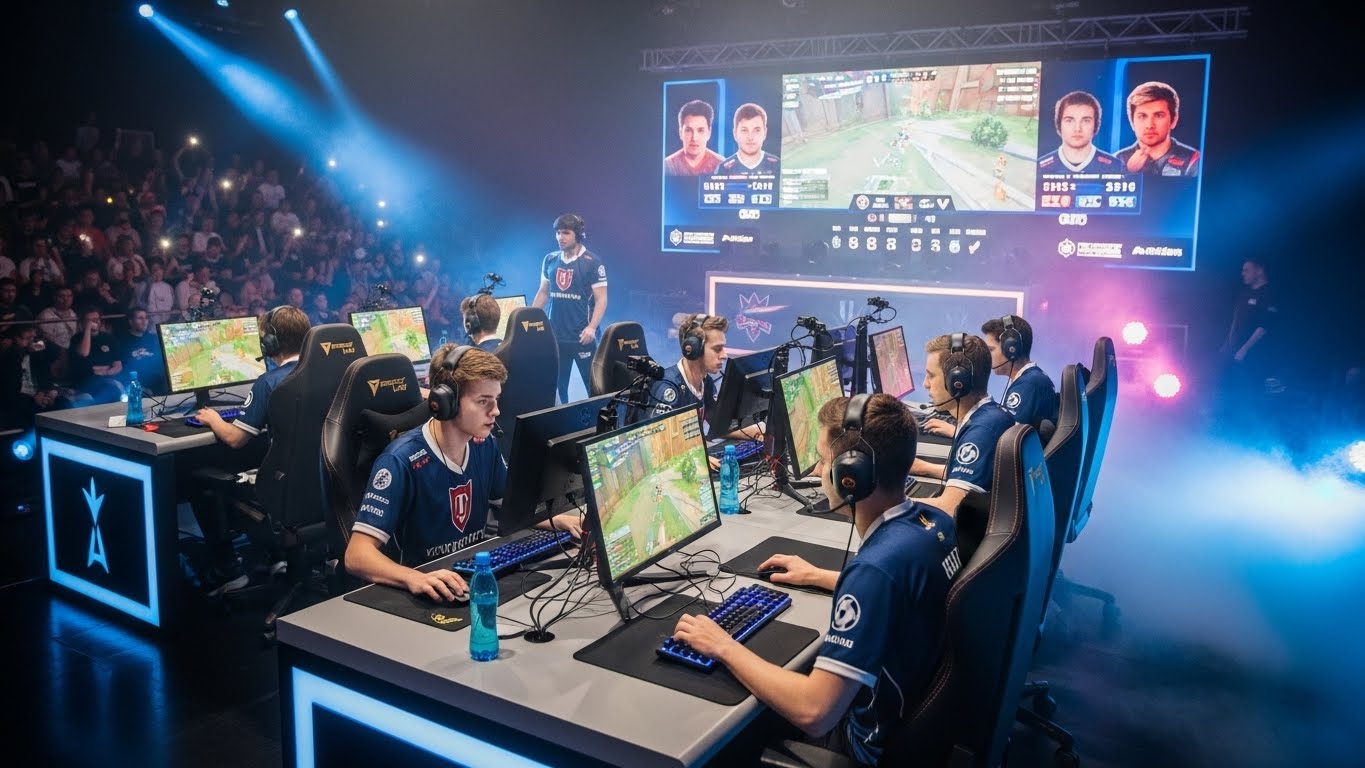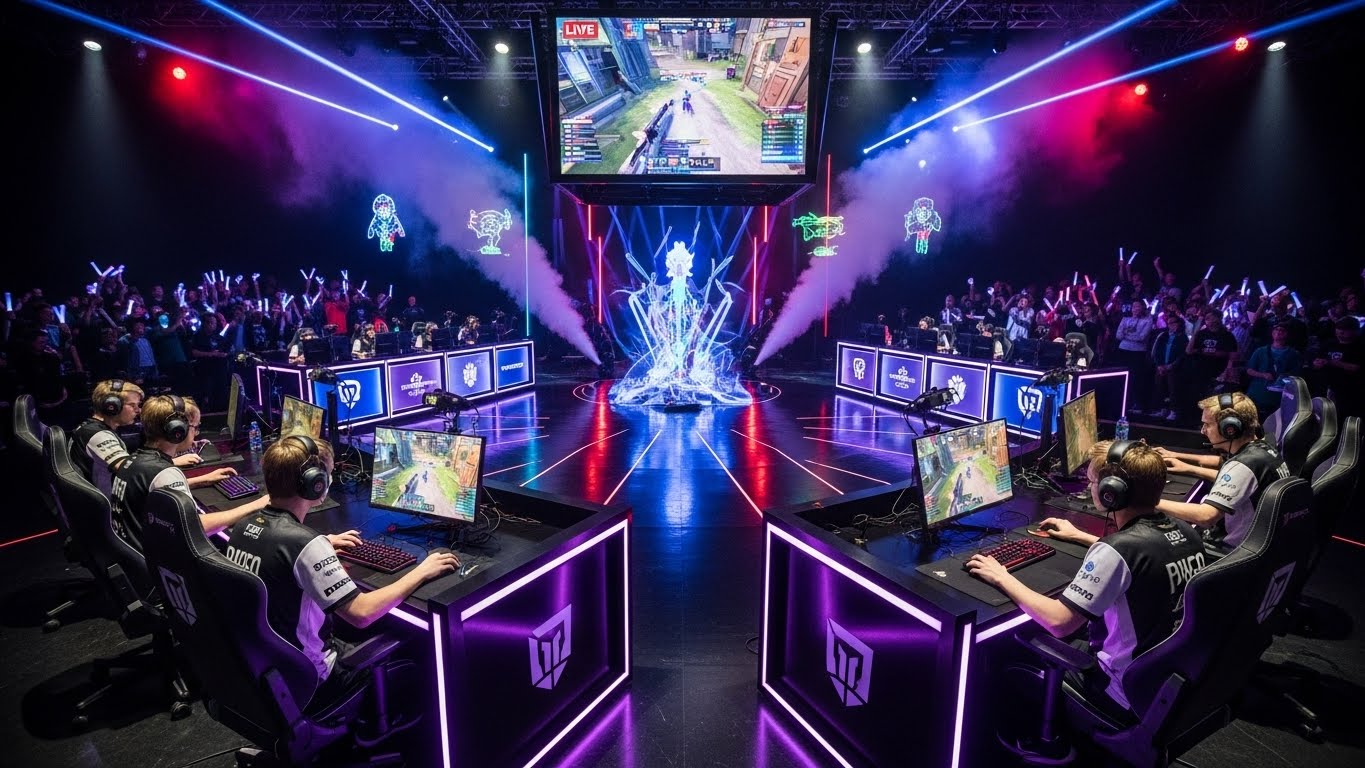
In recent years, esports has skyrocketed into the global mainstream, transitioning from a niche hobby into a massive, professional industry. What was once considered a subculture dominated by basement gamers has now evolved into a billion-dollar market. Competitive gaming, or esports, is no longer just about playing video games for fun; it has become a platform where professional players, teams, and organizations compete at the highest levels for prestige and substantial monetary rewards. But how did esports grow to become such a dominant force in the entertainment industry, and where is it headed in the future? This blog explores the rise of esports, its impact on culture, and its potential for growth.
The Origins of Esports: From Arcades to Online Tournaments
Esports has its roots in the early days of gaming, particularly in the arcade era of the 1980s. Titles like Space Invaders, Pong, and Street Fighter became the foundation for what would eventually become a competitive industry. These early games had local competitions, often in arcades or other social gathering spots, where players competed for high scores. As gaming technology advanced, competitive gaming began to evolve, and tournaments for more complex games such as Doom and Warcraft started taking shape.
However, the real breakthrough for esports came in the late 1990s and early 2000s. The introduction of online multiplayer games like StarCraft and Quake allowed players to compete globally from their homes, bypassing the need for physical gatherings. This digital evolution laid the groundwork for the online tournaments that would later become a staple of esports.
The Golden Age of Esports: The Evolution of Major Tournaments
The 2010s saw esports truly come into its own. The rise of games like League of Legends, Dota 2, and Counter-Strike: Global Offensive brought massive attention to competitive gaming. The first major milestone in the esports world came in 2011 with the formation of the League of Legends World Championship, an annual tournament that would eventually grow to become one of the most-watched esports events worldwide. Other titles like Dota 2 and Overwatch followed suit, each creating their own competitive leagues and tournaments.
What set esports apart from traditional sports is its unique ability to blend digital entertainment with the passion of its fanbase. While traditional sports have stadiums filled with fans, esports competitions allowed fans to watch live-streamed broadcasts from the comfort of their own homes, and they could interact with other fans in real-time through live chats and social media. Platforms like Twitch, YouTube Gaming, and even Facebook Gaming became essential for watching esports in real time.
The Commercialization of Esports: Sponsorships, Streaming, and Broadcasting
As esports gained popularity, major brands began to see the commercial potential of this new digital sport. Sponsorships from big-name companies such as Coca-Cola, Intel, and Red Bull began pouring into the scene. These companies not only sponsored events but also formed partnerships with esports teams and players, effectively legitimizing esports as a professional industry.
Streaming platforms, especially Twitch, became a crucial component in the growth of esports. Twitch was originally designed to be a platform for gamers to broadcast their playthroughs, but it quickly transformed into the primary hub for esports content. The ability to stream tournaments live to millions of viewers around the world made it easier for fans to follow the action and for players to earn a living through sponsorships, advertisements, and subscriptions.
Additionally, traditional media companies began to take notice of esports’ popularity. Broadcast deals with networks like ESPN and TBS brought esports into the living rooms of millions, showcasing events like The International (Dota 2’s yearly tournament) and Overwatch League to wider audiences. This kind of exposure helped to further solidify esports as an industry worth investing in.
The Professionalization of Esports: Teams, Coaches, and Analysts
What started as a passion for gaming has now grown into a full-fledged professional industry. Esports teams, much like their traditional sports counterparts, are organized entities with a management structure, coaches, analysts, and players. These teams often have sponsors, team houses, and facilities dedicated to training and development.
The growth of esports leagues, such as League of Legends Championship Series (LCS) and Call of Duty League (CDL), mimicked the structure of professional sports leagues, with franchise systems, contracts, and salary caps. Teams compete not only in tournaments but also in regular seasons, much like basketball, football, or soccer leagues. Players now undergo rigorous training regimens to hone their skills, and many have personal coaches and analysts to help them improve.
The professionalization of esports has also made it a viable career path for many young gamers. With the success of players like Faker from League of Legends, KuroKy from Dota 2, and Ninja from Fortnite, young people see esports as a legitimate opportunity to pursue their passion for gaming and potentially make a living from it.
Esports and Its Global Impact: A Cultural Shift
Esports is not just a form of entertainment; it has become a cultural phenomenon. It has influenced the way we view gaming, technology, and even community interaction. The esports community is vast and global, encompassing fans from every corner of the world. Esports transcends traditional geographical and language barriers, uniting players and fans through their shared passion for gaming.
Esports has also had a significant impact on other industries, especially in the realm of education and scholarships. Universities and colleges across the globe have started offering scholarships for esports players, recognizing the skill, dedication, and teamwork that the sport demands. In countries like South Korea, esports has been integrated into the national culture, with professional gamers becoming national celebrities and even receiving government support.
Additionally, esports has created new career opportunities. From streamers and commentators to event organizers and analysts, the ecosystem around esports is thriving. The rise of esports has made gaming a respected and profitable industry, offering opportunities for individuals to turn their passion for gaming into a career.
The Future of Esports: What’s Next?
As esports continues to grow, several trends point to an exciting future. First, the technological advancements in virtual reality (VR) and augmented reality (AR) could revolutionize the way competitive gaming is experienced. VR could bring an entirely new level of immersion to esports, allowing players to compete in virtual environments that feel more real than ever before. The integration of AR could also add new layers of interactivity for both players and spectators.
Another promising development is the rise of mobile esports. With the growing popularity of smartphones and mobile gaming, developers are beginning to create mobile versions of popular games like PUBG Mobile and League of Legends: Wild Rift. Mobile esports tournaments are becoming more common, and in regions like Southeast Asia, mobile gaming is the dominant form of competitive gaming.
Esports could also see an integration with traditional sports. Just as sports like basketball and football have sports media networks dedicated to broadcasting games, we could see esports leagues creating their own networks or expanding onto larger media platforms. The Olympic Games has even flirted with the idea of including esports as an official event, further blurring the lines between traditional and digital sports.
Conclusion: Esports – A New Age of Entertainment
Esports has come a long way since its humble beginnings in arcades and online gaming communities. What was once a fringe activity for enthusiasts has now blossomed into a global industry with professional players, massive fanbases, and significant cultural impact. As technology continues to advance and new games emerge, the future of esports looks incredibly promising. Whether it’s the rise of virtual and augmented reality or the integration of mobile gaming, esports is poised to continue its trajectory as one of the most important and influential forms of entertainment in the world.
The success of esports shows that the gaming community is not just about playing video games for fun—it is about building communities, creating new career paths, and embracing a new era of competitive entertainment. As esports continues to evolve, it will no doubt keep redefining what it means to be a gamer, a fan, and a competitor in the 21st century.