Introduction
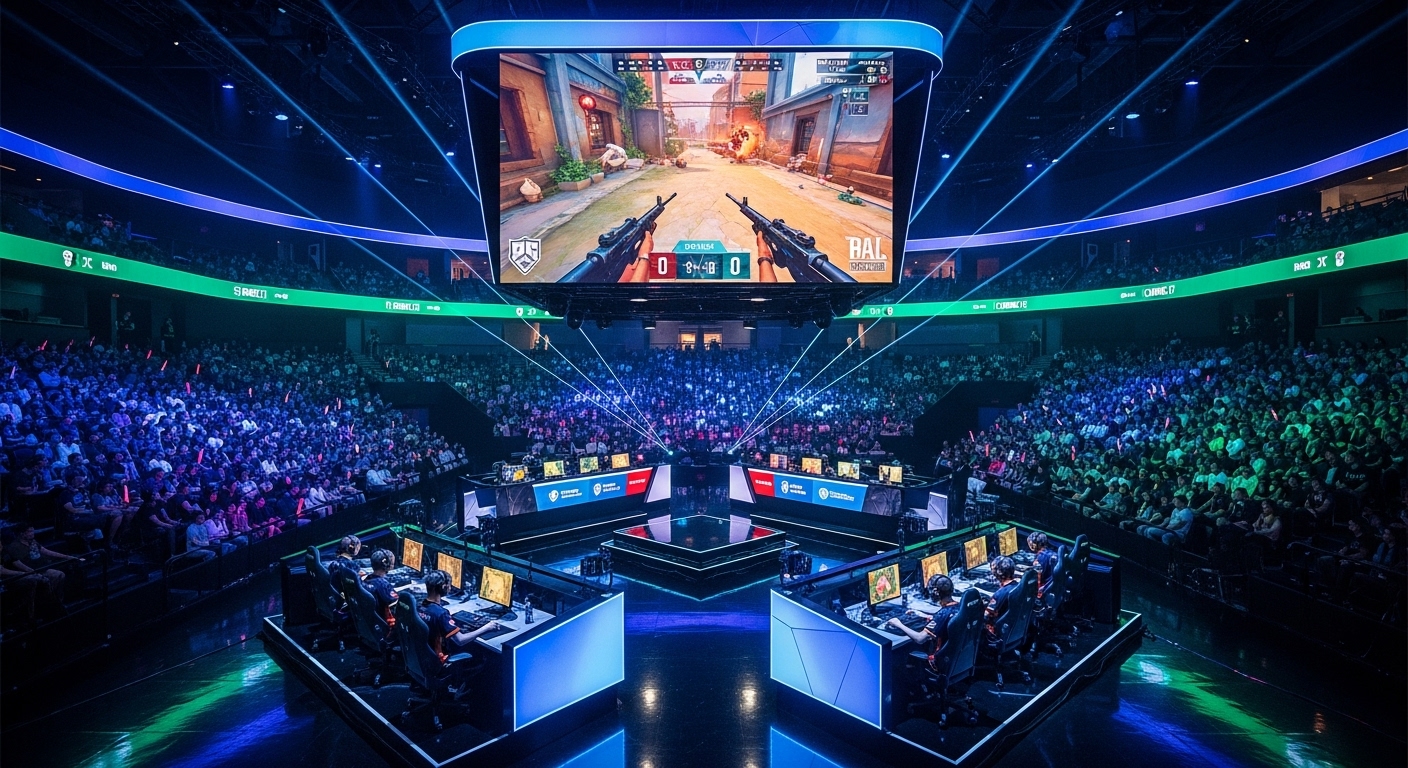
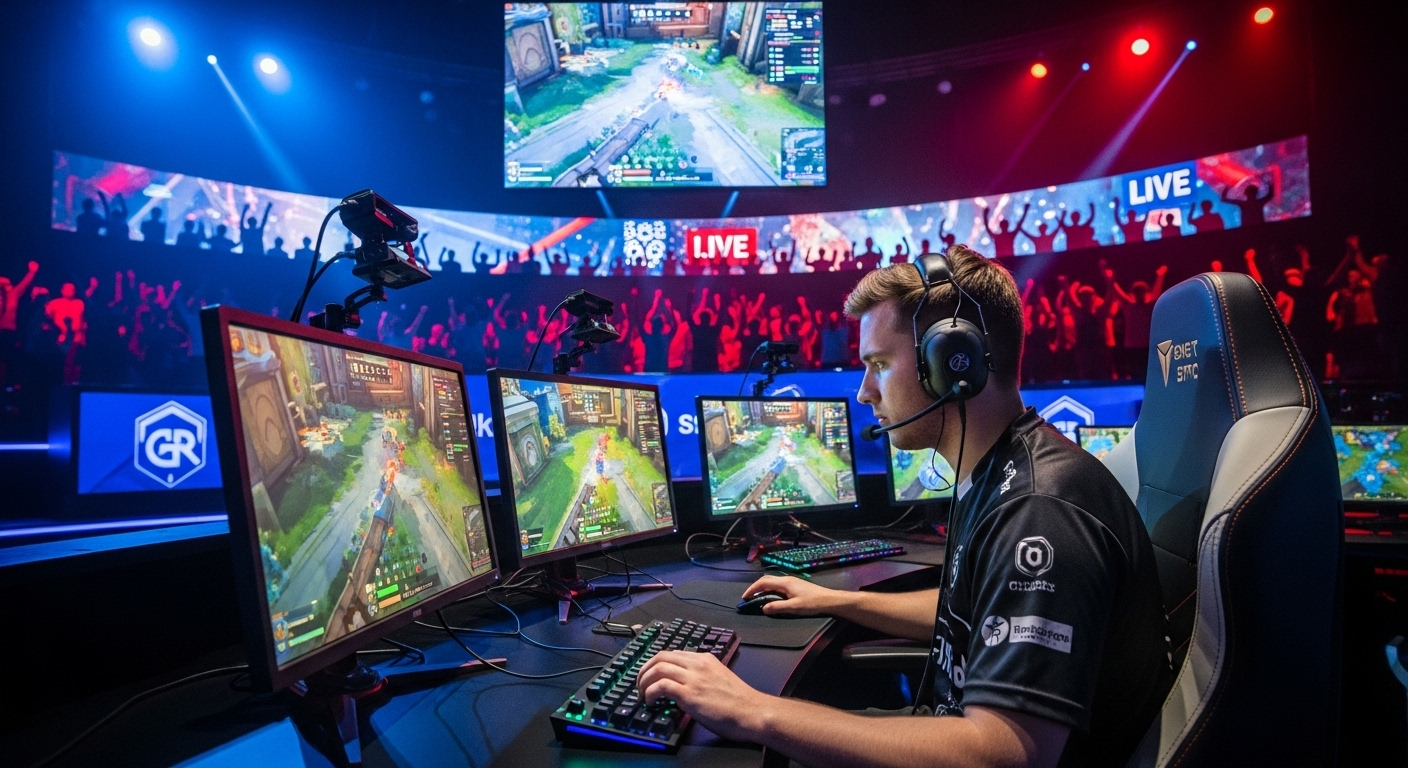
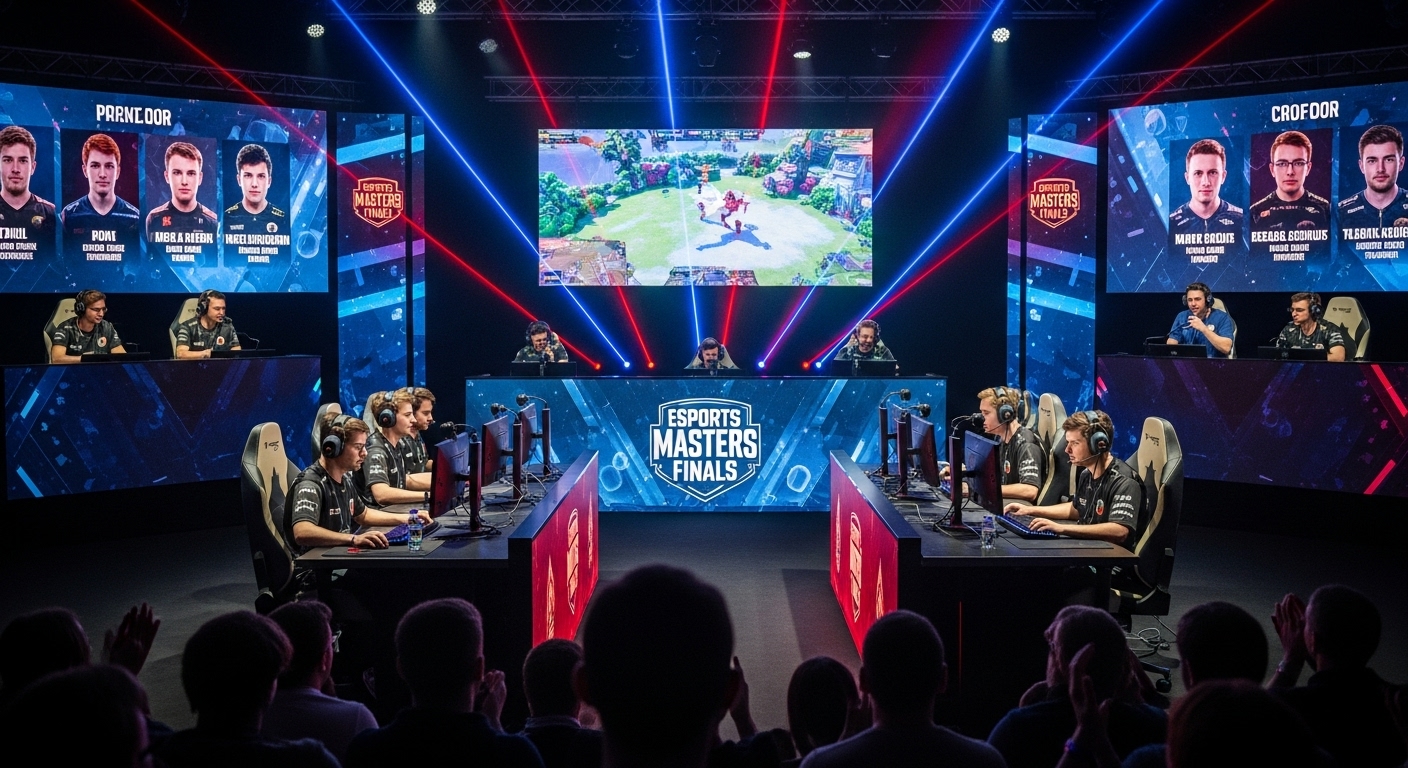
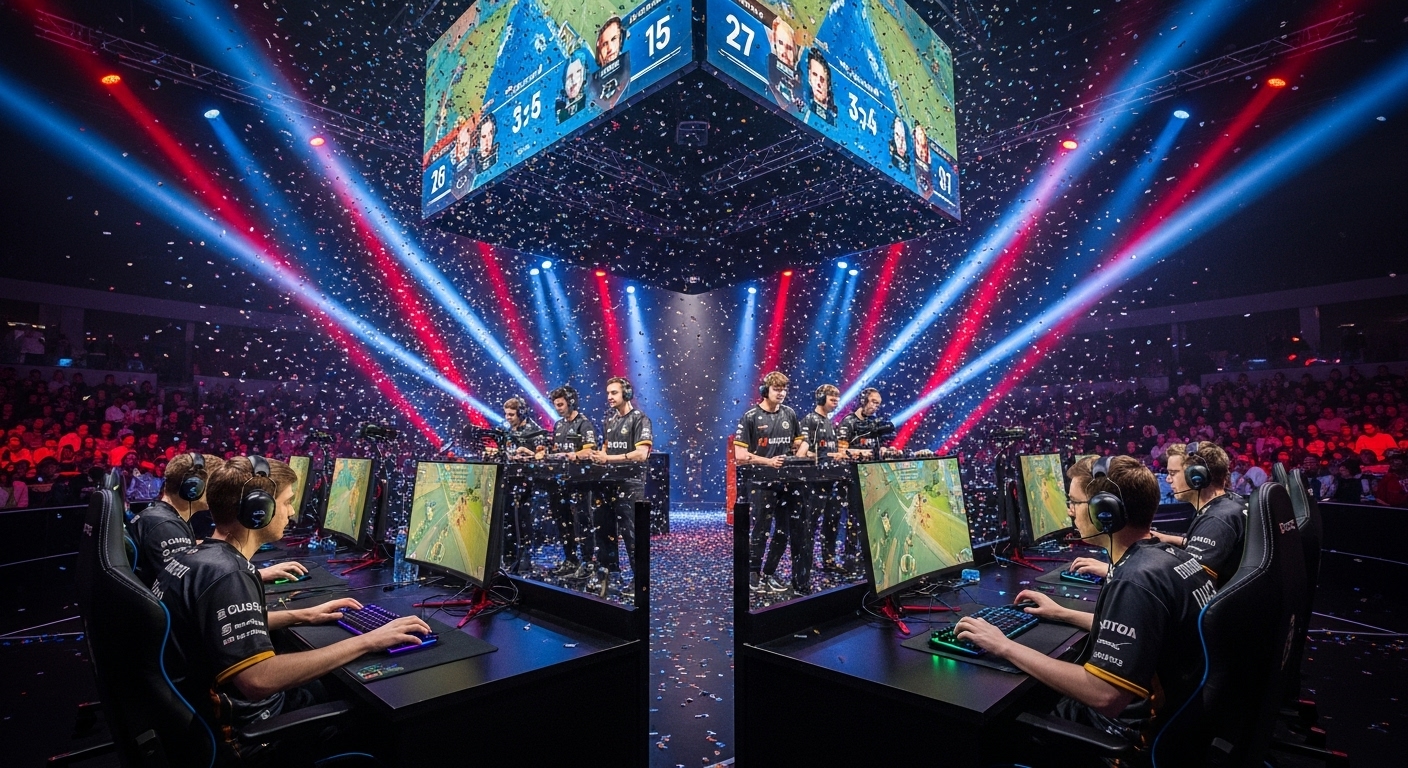
Esports, short for electronic sports, has grown from a niche activity into a multi-billion-dollar global industry. The roots of competitive video gaming trace back to the early 2000s, when small tournaments and online gaming communities began to form. Today, esports has transformed into a mainstream entertainment phenomenon, captivating millions of fans worldwide. With its rise in popularity, esports has also brought along significant changes in how we view competitive gaming, the role of technology in sports, and the potential of virtual competitions.
In this blog post, we will explore the evolution of esports from its humble beginnings to its current status as a global powerhouse. We will look at key milestones in esports history, the business and cultural impact of the industry, and the future of competitive gaming.
The Beginnings of Esports
Esports can be traced back to the early days of online multiplayer games, which started gaining traction in the 1990s. However, it wasn’t until the early 2000s that esports truly began to take shape as we know it today. The first competitive gaming tournaments were small, often held in gaming cafes or local LAN (Local Area Network) events. These competitions were typically limited to a few hundred participants and attracted only a niche audience.
One of the earliest examples of organized competitive gaming was the Cyberathlete Professional League (CPL), founded in 1997. The CPL was one of the first organizations to host tournaments with cash prizes, and it set the stage for the development of a competitive esports culture. The CPL’s focus was on first-person shooters, such as Quake and Counter-Strike, which became staples of competitive gaming for many years.
The emergence of StarCraft in 1998, developed by Blizzard Entertainment, marked a turning point for esports. The game’s deep strategic gameplay and online multiplayer capabilities made it a hit among gamers. In South Korea, StarCraft became a national obsession, and television broadcasts of professional StarCraft tournaments began drawing massive audiences. The country’s esports scene flourished, and South Korea became the epicenter of competitive gaming during the early 2000s.
The Growth of Esports in the 2000s
During the early 2000s, the competitive gaming scene began to expand internationally, driven by the growth of online multiplayer games. Games like Warcraft III, Counter-Strike, and Battlefield saw the rise of professional teams, players, and tournaments. In 2003, the World Cyber Games (WCG) was established, a global esports competition that brought together players from across the world to compete for titles in games like Counter-Strike, StarCraft, and Warcraft III. The WCG helped solidify the idea of esports as a legitimate form of competition and entertainment on a global scale.
As the 2000s progressed, more publishers and developers began to invest in competitive gaming. Valve Corporation’s Counter-Strike became a major esports title, with tournaments like ESL (Electronic Sports League) and the Intel Extreme Masters (IEM) emerging to host international competitions. These tournaments played a significant role in promoting competitive gaming as a professional sport, attracting sponsorships from major tech companies and bringing a sense of legitimacy to the scene.
The late 2000s also saw the rise of multiplayer online battle arena (MOBA) games, which would become some of the most popular esports titles in the following decade. Defense of the Ancients (DotA), a custom map for Warcraft III, became a cult hit, eventually leading to the creation of League of Legends by Riot Games in 2009. League of Legends (LoL) revolutionized the esports scene, offering a team-based, highly strategic, and highly accessible game that could be played at a competitive level.
The Rise of Major Esports Titles
In the 2010s, esports entered a new era of growth, driven by the widespread success of major titles like League of Legends, Dota 2, and Counter-Strike: Global Offensive (CS: GO). These games, along with others like Overwatch and Fortnite, played pivotal roles in turning esports into a mainstream entertainment industry. Tournaments for these games began offering multi-million-dollar prize pools, attracting both professional players and investors.
One of the most significant moments in the history of esports was the launch of The International (TI) tournament by Valve in 2011. The International is an annual competition for Dota 2, offering some of the largest prize pools in esports history. The first TI tournament had a prize pool of $1 million, a number that has since grown into tens of millions. The success of The International helped elevate esports to the level of traditional sports in terms of prize money, viewer engagement, and media coverage.
Another milestone came with the establishment of the Overwatch League (OWL) in 2018. Overwatch, a team-based first-person shooter by Blizzard Entertainment, had quickly become one of the most popular esports titles. The OWL, which featured city-based teams, followed a similar structure to traditional sports leagues like the NBA or NFL. This move further legitimized esports as a professional sport and attracted mainstream sponsorships, including deals with companies like Coca-Cola and Intel.
The Business and Economic Impact of Esports
Esports has grown into a massive business with a global fanbase. According to recent reports, the global esports industry is expected to generate over $1.5 billion in revenue by 2025. This revenue comes from a variety of sources, including sponsorships, advertising, media rights, ticket sales, and merchandise. The rise of streaming platforms like Twitch and YouTube Gaming has also played a significant role in the economic growth of esports.
Tournaments such as The International and League of Legends World Championship have become major events that attract sponsorships from top global brands. Companies like Coca-Cola, Intel, Red Bull, and Nike have all invested heavily in esports, recognizing the potential to reach a young, engaged audience. The increasing investment in esports has also led to the creation of professional esports teams and leagues, similar to those in traditional sports.
The role of streaming platforms in the esports ecosystem cannot be understated. Platforms like Twitch and YouTube Gaming have provided a place for fans to watch live events, interact with their favorite players, and discover new games. The rise of content creators and streamers has also been a driving force behind the success of esports. Top streamers like Ninja, Shroud, and Pokimane have millions of followers and have built careers around gaming content.
Furthermore, esports has created numerous job opportunities, from professional players and coaches to analysts, broadcasters, event organizers, and social media managers. This has led to the creation of a new industry ecosystem that provides a wide range of career options for those passionate about gaming.
The Cultural Impact of Esports
Beyond the business and economic growth, esports has had a significant cultural impact on both gaming communities and mainstream entertainment. The rise of esports has challenged traditional ideas of what constitutes a “sport,” blurring the lines between physical and digital competition.
Esports has also played a pivotal role in the social aspect of gaming. Competitive gaming events often bring together players and fans from all over the world, creating a sense of community and camaraderie. Online platforms like Discord, Reddit, and Twitch have further helped build these communities, offering a space for fans to discuss games, share content, and interact with players.
In addition, esports has become an important part of popular culture, with references to gaming and esports appearing in movies, television shows, and even music. The success of The Last Dance, a documentary series about Michael Jordan and the Chicago Bulls, also highlighted the crossover between traditional sports and esports. With its massive audience, esports is no longer just a niche interest; it has become a mainstream entertainment form, attracting viewers from all walks of life.
The Future of Esports
Looking ahead, the future of esports seems incredibly bright. With technological advancements like virtual reality (VR) and augmented reality (AR), esports is set to become even more immersive and engaging. VR gaming, in particular, has the potential to revolutionize esports by offering a new form of competition that combines physical movement with digital gameplay.
Esports is also expanding into new regions, with Asia, North America, and Europe leading the charge. However, Latin America, the Middle East, and Africa are becoming increasingly important markets for competitive gaming. The rise of mobile gaming, particularly in regions with limited access to high-end PCs, has also opened up new opportunities for esports growth.
One of the most exciting developments in the future of esports is the potential for its inclusion in the Olympic Games. In 2018, the International Olympic Committee (IOC) held a summit to explore the possibility of adding esports to the Olympics. While esports has not yet been included, the conversation is ongoing, and the prospect of esports becoming an Olympic sport is no longer far-fetched.
Conclusion
Esports has come a long way since its humble beginnings in the early 2000s. What started as a small, niche activity has evolved into a global entertainment industry that rivals traditional sports in terms of viewership, revenue, and cultural impact. With major tournaments, high-profile sponsorships, and a growing fanbase, esports is poised to continue its upward trajectory for years to come.
As the industry grows, so does its potential to influence gaming culture, technology, and mainstream entertainment. With technological advancements on the horizon and a passionate, engaged community behind it, esports is not just a passing trend—it is a permanent fixture in the world of entertainment. The future of esports looks brighter than ever, and its place in the global cultural landscape is assured.