Introduction
Esports, short for electronic sports, has rapidly emerged from a niche pastime to a global phenomenon, transforming the way we think about gaming, entertainment, and competition. No longer a hobby for a select group of gamers, esports has become a multi-billion-dollar industry, attracting millions of viewers, professional players, and top-tier sponsors. The rise of competitive gaming has sparked a revolution in the world of sports, entertainment, and media, redefining traditional forms of entertainment and creating a new wave of digital sports.
From its humble beginnings in local gaming tournaments to becoming a global spectacle with packed arenas and massive prize pools, esports is now a powerhouse in the entertainment world. Whether you’re a dedicated fan, a curious observer, or someone with an interest in gaming culture, understanding the rise of esports and its growing influence can help you appreciate how competitive gaming is reshaping the future of entertainment.
The Origins of Esports: From Casual Play to Professional Competitions
Esports, as we know it today, traces its roots back to the 1990s, when competitive gaming began to emerge through early multiplayer games. The first significant esports event, the “Red Annihilation” tournament in 1997, was held for the Quake video game. While relatively small, this event marked the first large-scale esports competition, offering a Ferrari as the grand prize, and igniting interest in the potential of competitive gaming.
In the following years, competitive gaming tournaments began to grow in scale and complexity, driven by the success of online multiplayer games like StarCraft, Warcraft III, and Counter-Strike. Esports started to find its true home in South Korea, where the government supported competitive gaming and infrastructure, and events like the StarCraft Pro League flourished. The professional gaming scene in South Korea became a model for the rest of the world, with televised tournaments and huge fan followings.
The real turning point for esports came in the 2000s with the advent of streaming platforms. Twitch, launched in 2011, revolutionized the way fans could watch esports. Gamers could now broadcast their gameplay to a global audience in real-time, allowing fans to interact with players and other viewers. This not only expanded esports’ reach but also created new ways for players to engage with their fans and build personal brands. As major games like League of Legends, Dota 2, and Overwatch grew in popularity, esports exploded onto the global stage.
Today, esports is an industry that generates billions of dollars in revenue each year, attracting millions of viewers to live events and streaming platforms, and providing players with new career opportunities.
Esports as a Professional Career: The Life of an Esports Athlete
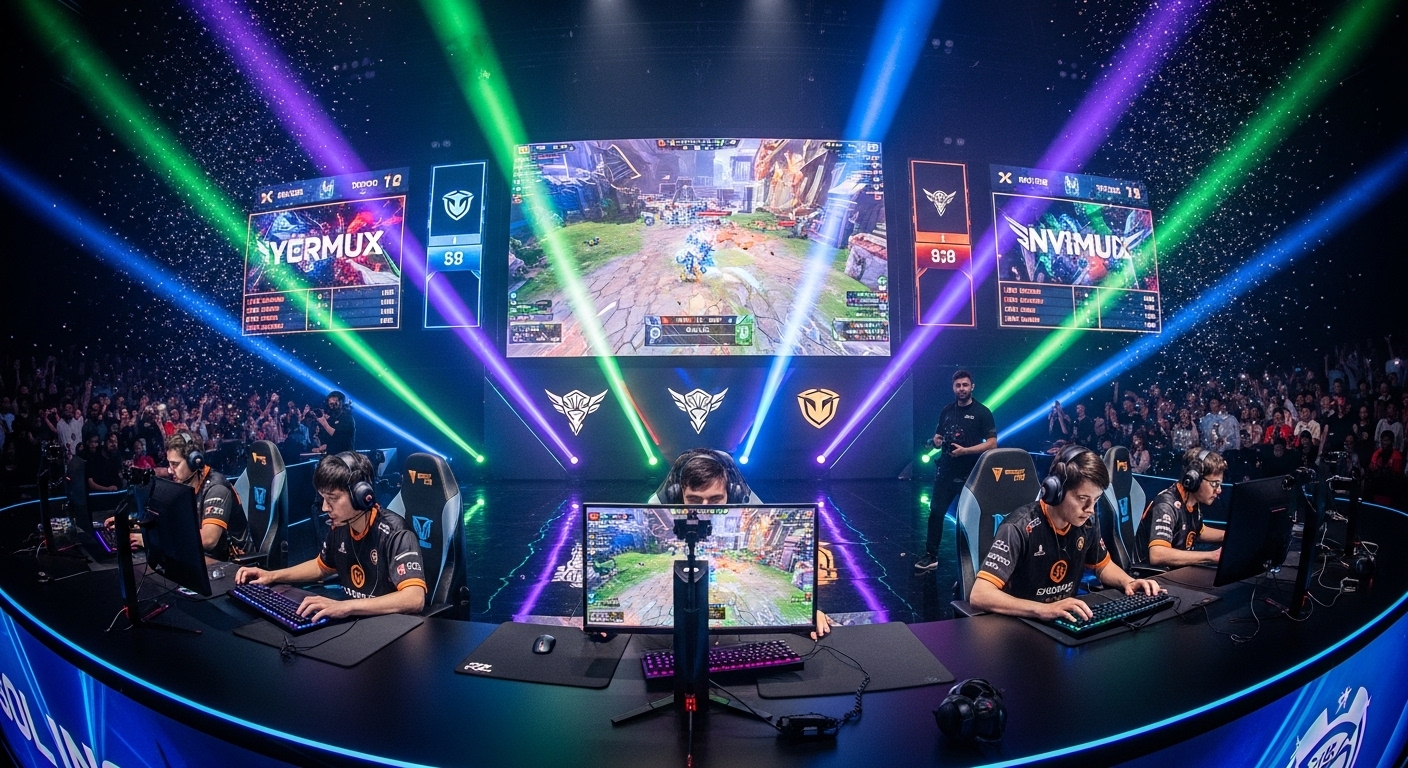
One of the most remarkable transformations brought about by the rise of esports is the establishment of professional gaming as a legitimate career. Once seen as an activity reserved for hobbyists or amateurs, competitive gaming has now become a full-time profession for many. Professional esports players dedicate themselves to perfecting their craft, spending hours each day training, strategizing, and competing in high-stakes tournaments.
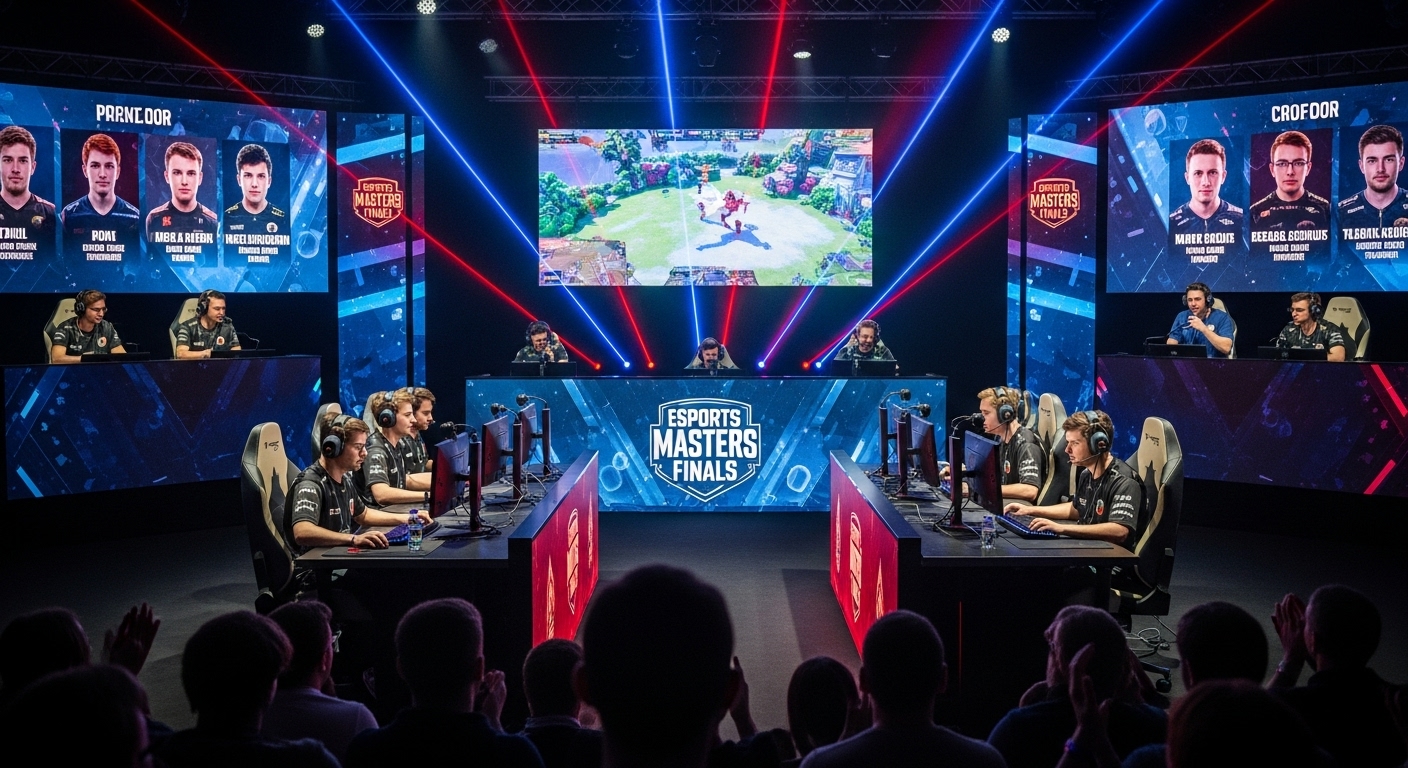
Top esports players are often signed to professional teams, which operate similarly to traditional sports organizations. These teams have coaches, analysts, and support staff, all working together to help players improve their performance. Players train intensively to stay at the top of their game, often competing in leagues and tournaments for high prize money and sponsorship deals.
In addition to their earnings from tournament winnings, professional esports players also make money through sponsorships and streaming. Major gaming companies, sports brands, and even beverage companies like Red Bull, Coca-Cola, and Monster Energy have sponsored esports teams and players, offering financial support in exchange for brand promotion. Many players also build massive followings on platforms like Twitch and YouTube, generating income through ads, donations, and brand partnerships.
Esports has created a completely new career pathway for young individuals who are passionate about gaming. In fact, many players start their careers in their teens, honing their skills from an early age with the hope of landing a spot on a professional team. The rise of esports scholarships, particularly in colleges and universities, further supports the idea of gaming as a viable career choice, helping young players turn their passion into a legitimate profession.
The Esports Ecosystem: Teams, Tournaments, and Fans
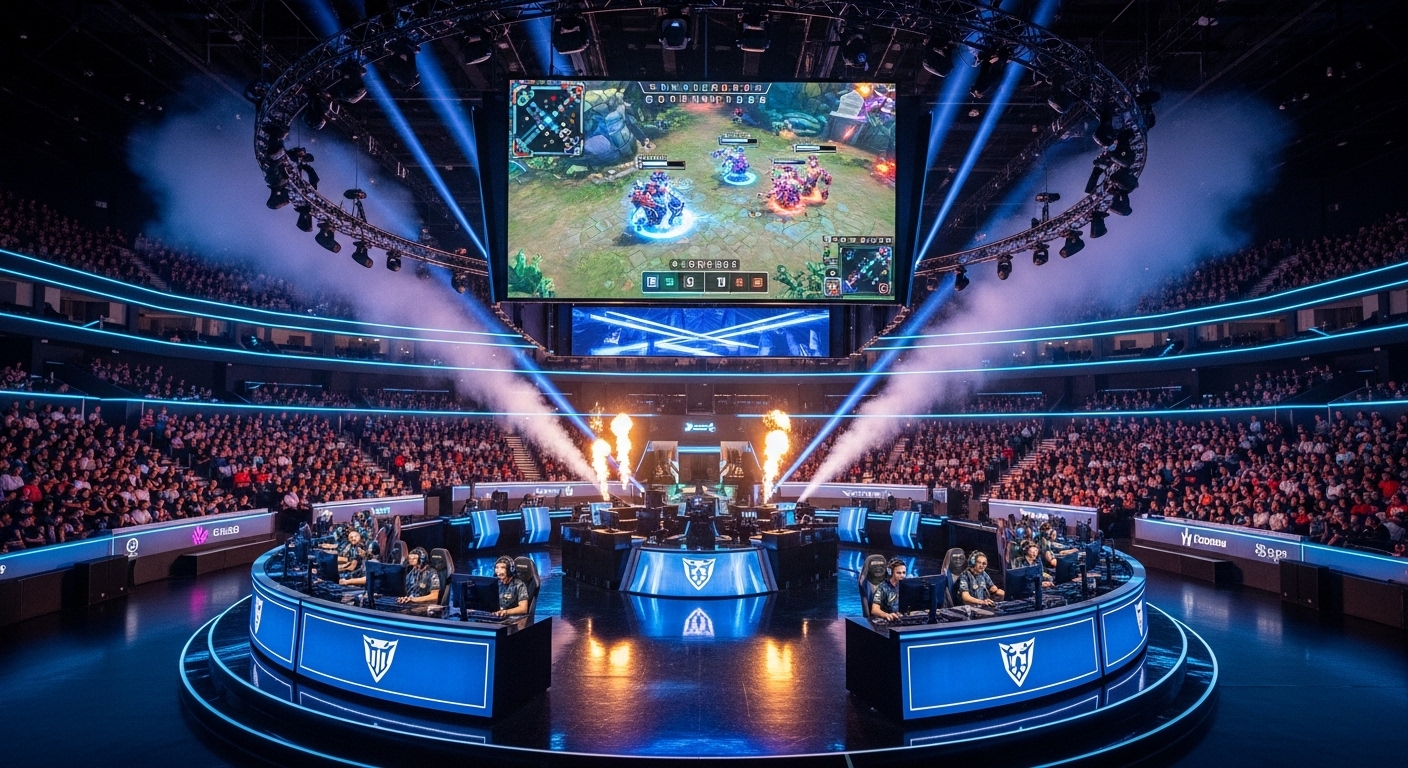
At the heart of the esports industry is its competitive ecosystem—professional teams, tournaments, and passionate fans. Esports tournaments are some of the biggest events in the entertainment world, with large-scale competitions taking place throughout the year. Games like League of Legends, Dota 2, and Counter-Strike: Global Offensive feature international tournaments that attract millions of viewers both online and in-person.
These events are often held in iconic venues, from massive arenas to stadiums that rival those of traditional sports. The International, the annual Dota 2 tournament, offers one of the largest prize pools in esports, regularly exceeding $30 million. The League of Legends World Championship similarly attracts millions of viewers, with intense competition between the best teams from around the world. The rise of these tournaments has allowed esports to establish itself as a form of entertainment on par with traditional sports.
Esports fans play a crucial role in the ecosystem. Fans not only watch tournaments but actively participate in the experience through social media, online communities, and live-streaming platforms. On platforms like Twitch, viewers can interact with players, vote on in-game decisions, and cheer for their favorite teams in real-time. Social media platforms like Twitter, Instagram, and TikTok also provide fans with the opportunity to stay updated on player news, team updates, and event highlights.
This deep level of fan engagement has helped make esports more than just a competitive event; it’s a lifestyle and a community. For many, the excitement of esports comes not only from the games themselves but from the camaraderie of being part of something larger—a global community of like-minded people who share the same passion for gaming.
The Economic Impact of Esports: A Billion-Dollar Industry
Esports is one of the fastest-growing industries in the world, with projections estimating that its global market value will exceed $1.5 billion by 2023. The financial impact of esports extends far beyond the players themselves. Companies across various industries, including technology, apparel, and even real estate, have invested heavily in esports.
A significant portion of esports revenue comes from sponsorships. Major companies like Intel, Microsoft, and Nike have entered into multi-million-dollar sponsorship agreements with esports teams and events, recognizing the industry’s ability to connect with a young, tech-savvy audience. Streaming platforms like Twitch also generate significant revenue through advertisements, subscriptions, and donations, with esports content accounting for a large portion of Twitch’s viewership.
Another major revenue source for esports comes from the sale of media rights. Media companies are paying for the rights to broadcast live tournaments on television and streaming platforms, further increasing the accessibility and visibility of esports. As esports continues to attract mainstream attention, more companies are looking to capitalize on the growing interest by purchasing broadcasting rights for major events.
Merchandise sales also contribute to the growing financial ecosystem of esports. Fans can purchase team jerseys, hats, and other branded items, while in-game purchases such as skins, emotes, and other digital goods also bring in millions of dollars each year.
Esports’ ability to generate revenue has made it a highly attractive industry for investors and sponsors, and its economic impact is likely to continue growing in the years ahead.
The Role of Streaming and Social Media in Esports
Streaming platforms like Twitch, YouTube Gaming, and Facebook Gaming have revolutionized how esports content is consumed. These platforms provide fans with direct access to live events, allowing them to watch their favorite players and teams compete in real-time. Twitch, in particular, has become the dominant platform for esports, with millions of users tuning in to watch competitive gaming tournaments, interact with streamers, and engage with the community.
Social media platforms also play a significant role in the growth of esports. Players, teams, and organizations use Twitter, Instagram, and TikTok to connect with their followers, promote their events, and build their personal brands. Fans engage with content by liking, sharing, and commenting on posts, further amplifying the reach of esports content.
The interactive nature of streaming and social media has made esports more engaging than traditional sports. Fans are not just passive viewers—they actively participate in the experience by chatting, voting, and sharing their thoughts on the game. This level of engagement has helped foster a sense of community and connection between fans and players, creating a more immersive and interactive entertainment experience.
Challenges Facing Esports: Sustainability and Well-Being
While esports has achieved incredible success, the industry faces several challenges that need to be addressed in order to ensure its long-term sustainability. One of the biggest concerns is the mental and physical well-being of esports players. Professional gamers often spend long hours practicing, which can lead to physical strain, including repetitive stress injuries, eye strain, and posture problems.
The mental health of players is another issue that needs attention. The pressure to perform at the highest level, combined with the intense competition and long hours, can lead to burnout, anxiety, and depression. As the industry matures, there is an increasing focus on player health, with teams implementing wellness programs, mental health support, and regular breaks to prevent burnout.
Another challenge is the need for regulation and standardization within esports. Unlike traditional sports, esports lacks a governing body that sets and enforces standardized rules. This can lead to inconsistencies in tournament structures, player contracts, and match fairness. As esports continues to grow, the establishment of a regulatory framework will be essential for maintaining fairness and ensuring the integrity of the sport.