Introduction: The Explosion of Esports
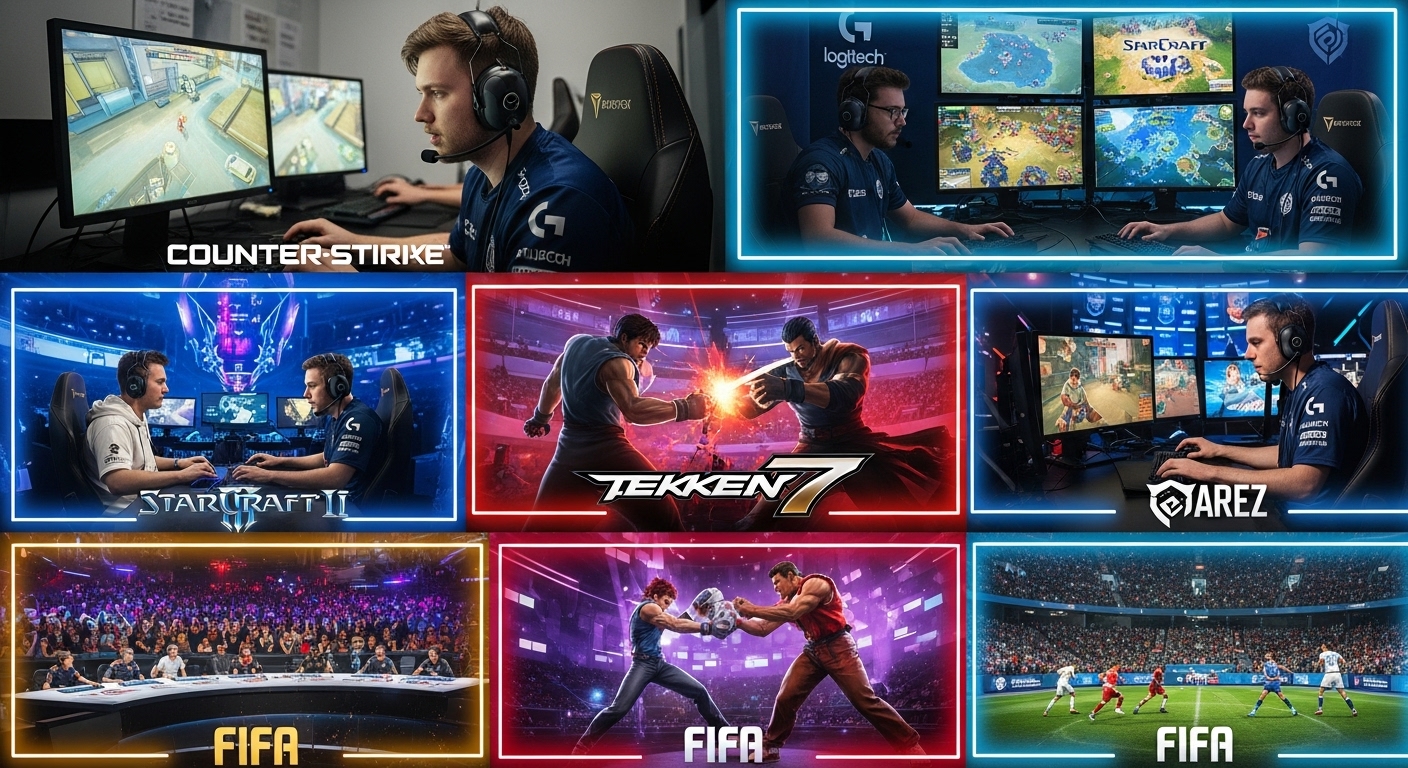
Esports, or electronic sports, has evolved from a niche hobby into a global entertainment powerhouse. With multi-million-dollar tournaments, professional players, and millions of fans tuning in from all corners of the world, competitive gaming is no longer just a passing trend. In fact, esports has carved out a unique space in the entertainment industry, sitting alongside traditional sports in terms of fan engagement, sponsorship deals, and media coverage. In this blog, we will explore the rapid growth of esports, the major games driving this surge, and the impact it has had on the world of sports and entertainment.
The Early Days of Esports: Humble Beginnings
Esports didn’t emerge overnight; it has a long history that dates back to the early days of gaming. The concept of competitive gaming dates back to the late 1970s and early 1980s, with the first recorded video game competition held for the game Space Invaders in 1980. Although the event was small, it marked the beginning of something much bigger.
However, it wasn’t until the late 1990s and early 2000s, with the advent of the internet, that esports started to gain traction. LAN (Local Area Network) parties became a popular way for gamers to compete with each other in real time. Games like StarCraft and Quake set the stage for larger, more organized tournaments.
By the 2010s, esports had become a force to be reckoned with. Online streaming platforms like Twitch and YouTube enabled gamers to broadcast live competitions, and the rise of popular games like League of Legends and Counter-Strike turned esports into a massive global industry.
The Key Genres Driving Esports Growth
Esports is not defined by a single game but by a variety of game genres that offer unique challenges and exciting competitive play. These genres form the backbone of the esports ecosystem, and each attracts a dedicated following.
Multiplayer Online Battle Arenas (MOBAs)
MOBAs have become some of the most iconic and influential games in the esports world. Titles like League of Legends and Dota 2 are household names, and their competitive scenes are massive. In these games, two teams of players control powerful characters, or “heroes,” with the goal of defeating the enemy team and destroying their base. The depth of strategy, teamwork, and skill required in MOBAs makes them a natural fit for esports.
Tournaments like the League of Legends World Championship and Dota 2’s The International offer multi-million-dollar prize pools, attracting the best players and teams from around the globe. The high stakes and intense competition have made MOBAs the centerpiece of the esports scene.
First-Person Shooters (FPS)
First-person shooters are another dominant force in esports. Games like Counter-Strike: Global Offensive (CS:GO), Overwatch, and Call of Duty provide fast-paced, action-packed gameplay, where individual skill and teamwork are key to success. These games have evolved into professional sports, with teams representing organizations, cities, and even countries.
The CS:GO Major Championships and the Overwatch League have brought FPS esports into the mainstream, attracting large viewership and sponsorships. Esports fans flock to watch these high-level competitions, where every shot counts, and the action is often nail-bitingly close.
Battle Royale
The Battle Royale genre has revolutionized competitive gaming. With the rise of games like Fortnite, PUBG, and Apex Legends, the genre has brought new dynamics to the competitive scene. In a Battle Royale game, players are dropped onto a large map, where they must outlast everyone else while navigating an ever-shrinking battlefield. The last player or team standing wins.
Fortnite, in particular, has become a cultural phenomenon, drawing millions of viewers and creating some of the largest esports events in history. Its accessibility and appeal to younger audiences have made it a staple in the world of competitive gaming.
Fighting Games
Fighting games have been a cornerstone of competitive gaming since the arcade days. Games like Street Fighter, Tekken, Super Smash Bros., and Mortal Kombat bring players head-to-head in one-on-one combat, where precise inputs and strategic thinking are key to victory. The Evo Championship Series, one of the most prestigious fighting game tournaments, attracts top players and a passionate fanbase.
Though fighting games may not have the same widespread mainstream appeal as MOBAs or FPS games, they have remained a vital part of the esports ecosystem, with a dedicated community and fierce competition.
The Business Side of Esports: Sponsorships, Media, and Teams
As esports has exploded in popularity, it has attracted significant investment from corporations, brands, and even traditional sports organizations. The business side of esports is booming, and it plays a huge role in sustaining and expanding the industry.
Sponsorships and Partnerships
One of the key drivers behind the growth of esports is sponsorship. Esports tournaments and professional teams have secured major deals with companies ranging from tech giants like Intel and Nvidia to consumer brands such as Coca-Cola and Red Bull. These sponsorships fund tournaments, provide equipment, and elevate the professional esports scene to new heights.
In addition to corporate sponsorships, individual streamers and players also secure deals with brands. Top-tier esports players often have personal sponsorships with companies like Razer, Alienware, and Nike. These partnerships benefit both the brands and the players, helping them reach wider audiences.
Media Rights and Broadcasting
Media rights have become a significant revenue stream for the esports industry. Platforms like Twitch and YouTube allow fans to watch live events, while traditional media outlets, such as ESPN, have begun broadcasting esports tournaments. The rise of esports as a form of entertainment has led to an increase in media rights deals, allowing networks to capitalize on the growing viewership.
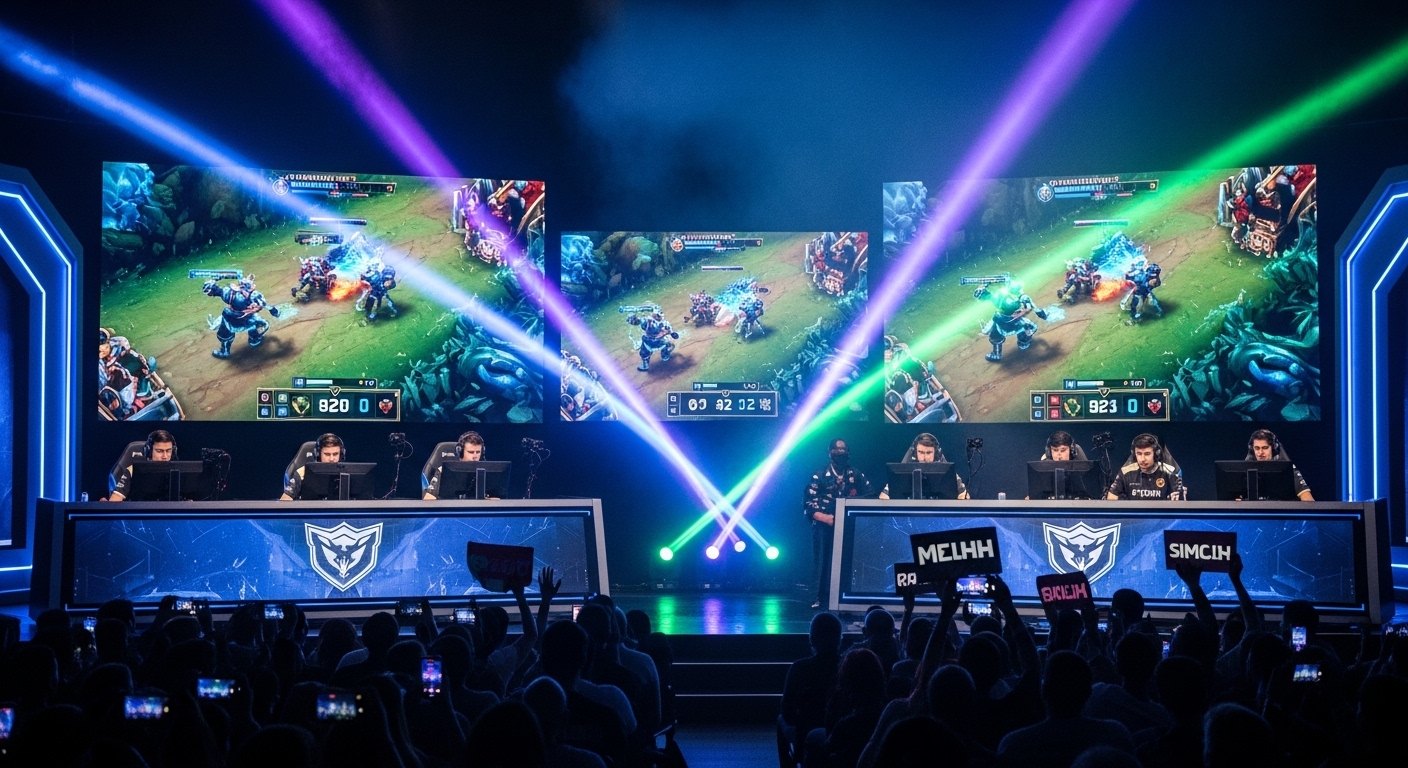
Esports events, such as The International or League of Legends Worlds, are broadcasted live to millions of viewers, with commentators and analysts providing expert analysis of the action. This type of professional broadcasting is now standard for major tournaments, with coverage extending beyond digital platforms to television networks and pay-per-view services.
Professional Teams and Players
As esports continues to grow, professional teams and players are increasingly becoming household names. Much like traditional sports, esports organizations field teams of highly skilled players who compete in various games. These teams are often backed by investors and sponsors and have dedicated coaching and management staff to ensure they perform at the highest level.
Organizations like Team Liquid, Cloud9, Fnatic, and T1 have made a name for themselves by recruiting top-tier talent, winning major tournaments, and building strong fan bases. The life of a professional esports player can be both rewarding and challenging, as players must maintain peak performance, travel the world for events, and continuously hone their skills.
Esports Communities: Fans, Culture, and Inclusion
Esports is not just about the games themselves; it’s about the communities they create. The esports scene thrives on fan engagement, and the communities surrounding each game are some of the most passionate and dedicated in the world.
Fan Engagement and Content Creation
Fans are the lifeblood of esports, and many teams and players have massive, loyal followings. Social media platforms like Twitter, Instagram, and Reddit provide fans with a space to discuss their favorite teams, players, and games. Streamers on Twitch and YouTube also play a crucial role in engaging with fans, providing content, and creating a sense of intimacy with their audiences.
Content creators, from professional gamers to casual streamers, shape the culture of esports. They interact with fans through live streams, YouTube videos, and social media posts, fostering a strong sense of community. This deep engagement between fans and players creates a unique bond, making esports more than just a spectator sport but a shared experience.
Diversity and Inclusion in Esports
Esports has the potential to be more inclusive than traditional sports, as it doesn’t rely on physical attributes like height or strength. The accessibility of online gaming has allowed people from all backgrounds to participate. Many organizations and initiatives are working to make esports a more inclusive space, offering opportunities to underrepresented groups in terms of gender, race, and location.
Efforts are being made to ensure that esports tournaments are open to everyone, regardless of gender or background. More initiatives, such as women-only tournaments and diverse team rosters, are beginning to appear, ensuring that esports remains a space for all.
The Future of Esports: What’s Next?
The future of esports is exciting, with numerous possibilities on the horizon. As technology advances, so will the potential for innovation within the industry.
Integration with Virtual Reality (VR) and Augmented Reality (AR)
As VR and AR technologies become more mainstream, they could revolutionize the way esports is played and experienced. Imagine players competing in fully immersive virtual environments or viewers experiencing tournaments from different perspectives through AR glasses. These technologies have the potential to create an even more engaging and interactive esports experience.
Global Expansion and New Markets
While esports has already become a global phenomenon, there is still significant room for growth in regions like Latin America, Southeast Asia, and Africa. As internet infrastructure improves and local organizations invest in esports, these regions are expected to see significant increases in both participation and viewership.
Traditional Sports and Esports Convergence
We are already seeing traditional sports teams and organizations invest in esports, and this trend is likely to continue. As esports grows, it may even integrate with traditional sports in ways we can’t fully predict yet. Whether through sponsorships, joint events, or hybrid competitions, the lines between esports and traditional sports may blur even further.
Conclusion: Esports is More Than Just a Game
Esports has quickly become one of the most exciting and lucrative sectors in the entertainment industry. With its broad appeal, growing business opportunities, and thriving global communities, esports has cemented its place as a dominant force in modern culture. Whether you’re a die-hard fan, a casual player, or someone interested in the business of esports, one thing is clear: the esports revolution is here to stay. The future of competitive gaming has never looked brighter.