Introduction: The Rise of a New Competitive Era
Competition has always been a fundamental part of human culture. From ancient athletic contests to modern professional sports, people have continuously sought ways to test skill, strategy, and mental strength. In recent decades, a new form of competition has emerged that challenges traditional definitions of sport. Esports, or competitive video gaming, has grown from small local tournaments into a global phenomenon with millions of fans, professional players, and massive prize pools. What was once considered a casual hobby has now become a serious industry that is reshaping entertainment, careers, and global culture.
Understanding Esports: More Than Just Gaming
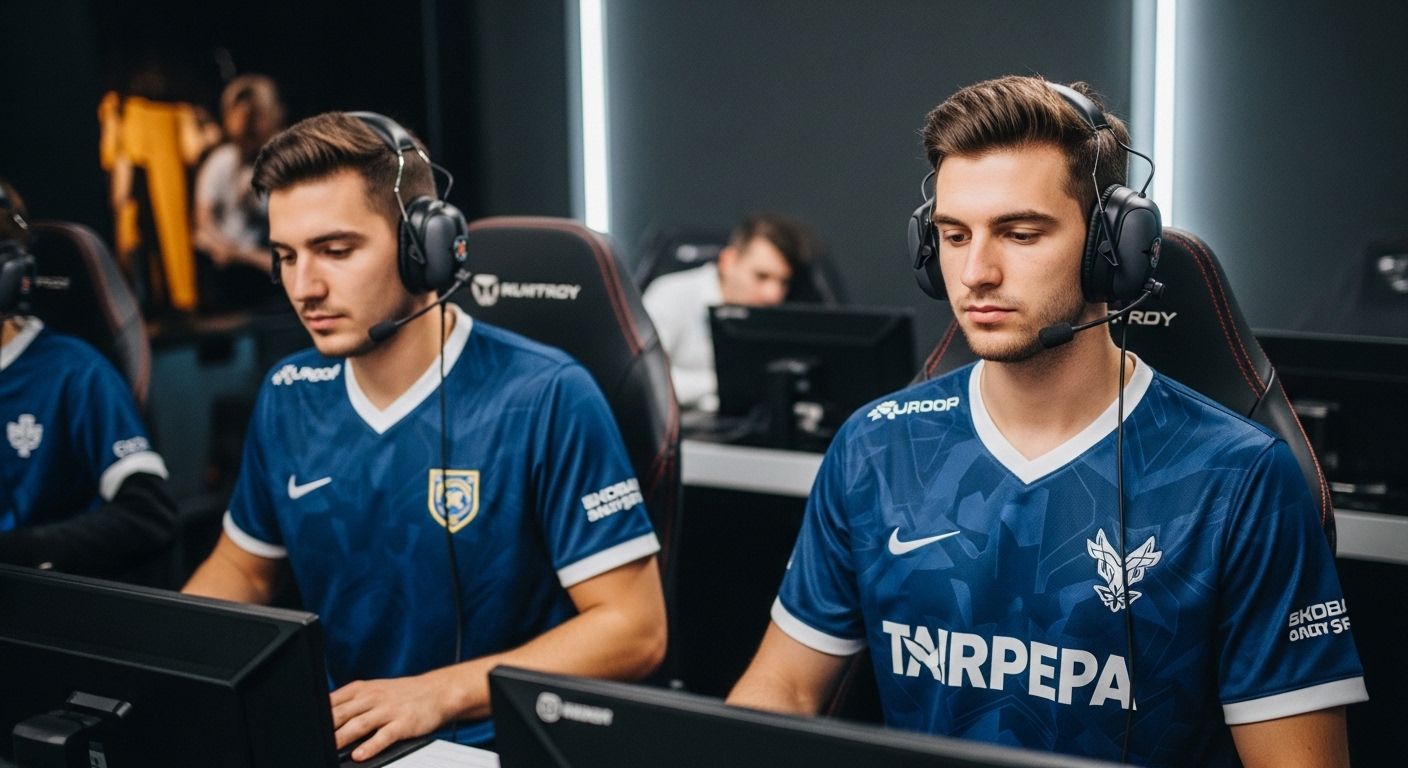
Esports refers to organized, competitive video gaming where players or teams compete in structured tournaments. Unlike casual gaming, esports demands intense practice, strategic thinking, teamwork, and exceptional reflexes. Professional esports players train for hours every day, studying gameplay mechanics, analyzing opponents, and refining strategies. The level of dedication required is comparable to traditional athletes, challenging the misconception that esports is simply playing games for fun.
The Evolution of Esports Over Time
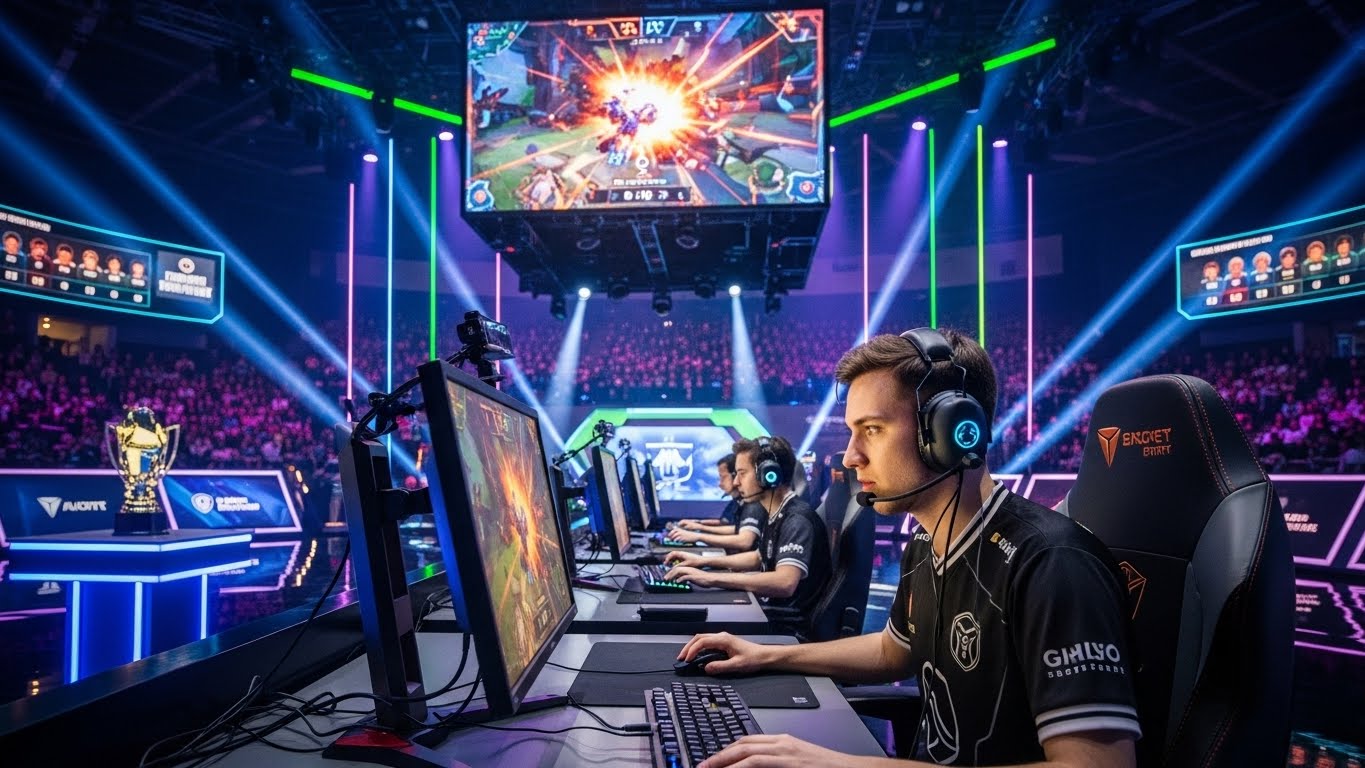
The journey of esports began modestly with small arcade competitions and local computer tournaments. As internet connectivity improved, online multiplayer gaming allowed players from different regions to compete against each other. This connectivity laid the foundation for larger tournaments and global competitions. Over time, advances in streaming technology made it possible for fans to watch live matches from anywhere in the world, accelerating the growth of esports into a mainstream form of entertainment.
Popular Esports Genres and Their Appeal
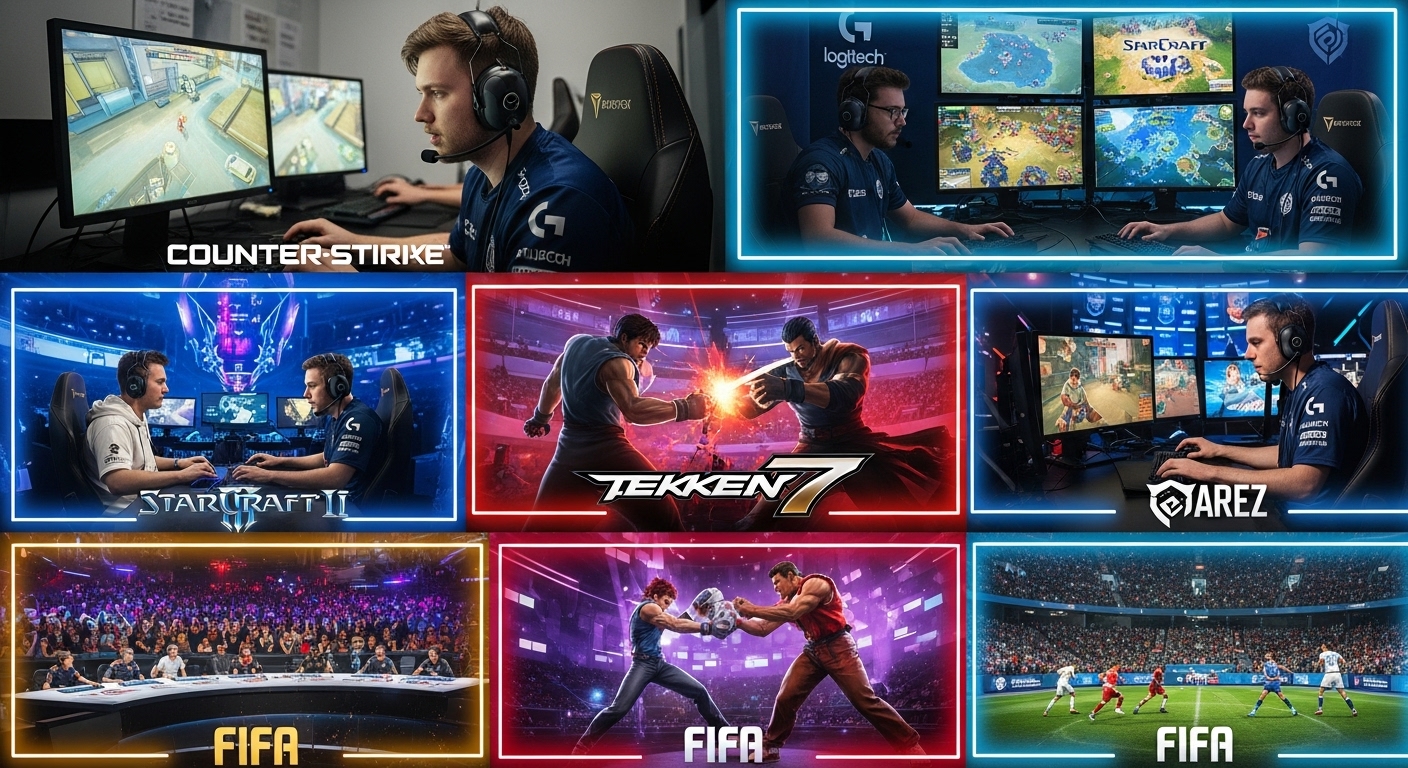
Esports encompasses a wide range of game genres, each offering unique challenges and fan experiences. Strategy games emphasize tactical planning and decision-making. First-person shooters focus on precision, reaction speed, and teamwork. Multiplayer online battle arena games combine strategic depth with fast-paced action, requiring coordination and adaptability. Sports simulation games replicate real-world sports, blending traditional sports fans with gaming audiences. This diversity allows esports to attract a broad demographic of players and viewers.
The Professional Esports Player Lifestyle
Behind the excitement of tournaments lies a demanding professional lifestyle. Esports players often follow strict schedules that include practice sessions, physical exercise, mental conditioning, and team meetings. Maintaining peak performance requires more than gaming skills; players must manage stress, maintain focus, and adapt quickly to evolving game updates. The pressure of competition, public scrutiny, and performance expectations can be intense, making mental resilience a critical skill.
Esports as a Career Path
Esports has opened new career opportunities beyond professional playing. Coaches, analysts, team managers, content creators, event organizers, and broadcasters all play vital roles in the ecosystem. Universities and institutions have begun offering esports scholarships and academic programs related to game design, event management, and digital media. This expanding career landscape demonstrates that esports is not a temporary trend but a sustainable industry with long-term potential.
The Role of Technology in Esports Growth
Technology is the backbone of esports. High-speed internet, advanced gaming hardware, and sophisticated software enable seamless competitive play. Streaming platforms allow fans to watch live events, interact with communities, and follow their favorite players. Innovations such as virtual reality, artificial intelligence, and data analytics are shaping the future of esports, enhancing both gameplay and spectator experiences.
Esports and Global Community Building
One of the most powerful aspects of esports is its ability to connect people across borders. Fans from different cultures and backgrounds unite around shared passion for games and teams. Online communities, fan discussions, and global tournaments foster a sense of belonging and mutual respect. Esports has become a cultural bridge, breaking language and geographic barriers in ways few other forms of entertainment can.
Economic Impact of the Esports Industry
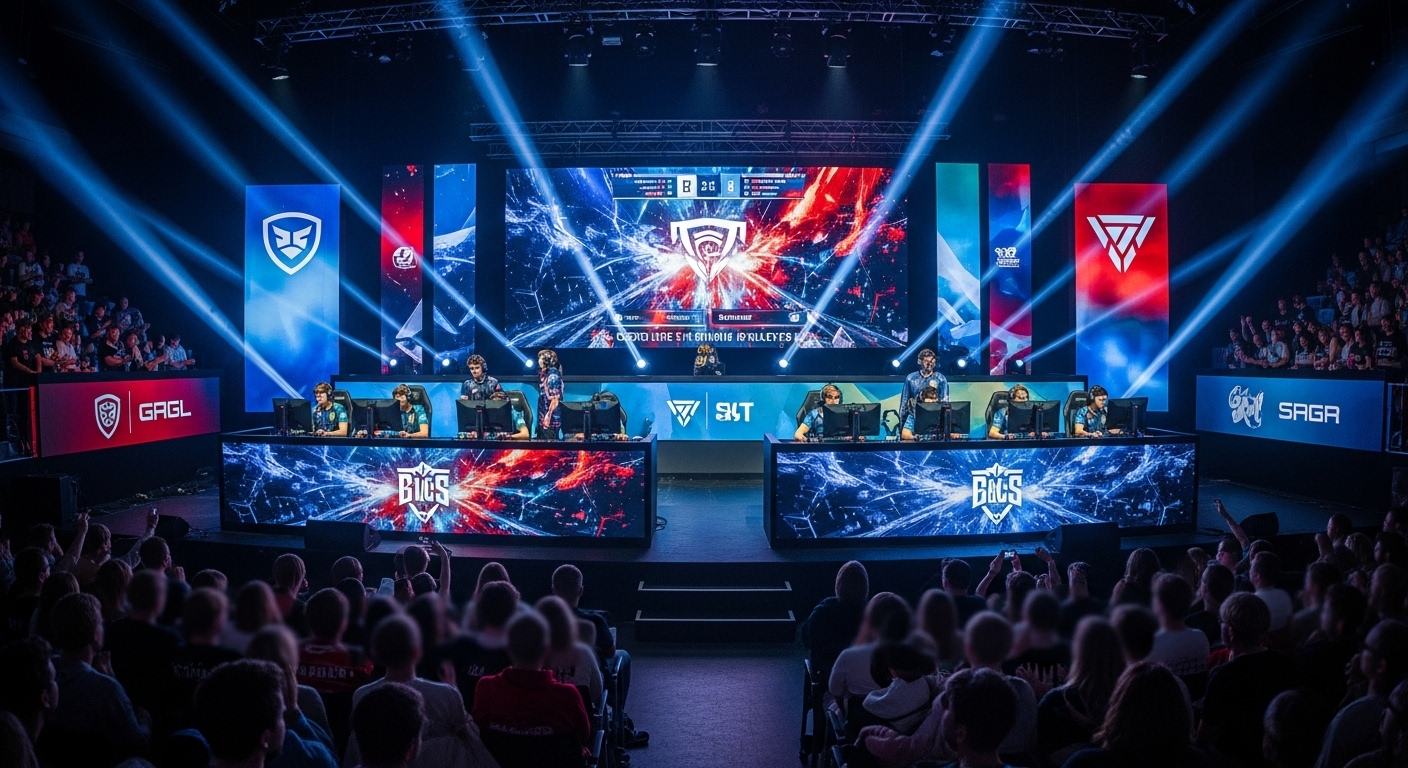
The esports industry has grown into a significant economic force. Revenue streams include sponsorships, merchandise sales, advertising, ticketed events, and media rights. Large tournaments attract global audiences and generate substantial financial returns. Cities that host esports events benefit from tourism and local business growth. As investment continues to increase, esports is contributing to job creation and economic development worldwide.
Health, Balance, and Responsibility in Esports
Despite its many benefits, esports also raises important concerns related to health and balance. Prolonged screen time, physical inactivity, and mental stress can affect players if not managed responsibly. The industry is increasingly recognizing the importance of wellness programs, ergonomic training, and mental health support. Encouraging balanced lifestyles ensures that esports remains a positive and sustainable pursuit for players at all levels.
Esports Versus Traditional Sports: A Changing Debate
The debate over whether esports should be considered a sport continues. Critics argue that esports lacks physical exertion, while supporters highlight the mental discipline, skill, and training involved. As technology and society evolve, definitions of sport are expanding. Esports does not replace traditional sports but exists alongside them, offering an alternative form of competition that reflects the digital age.
Education and Skill Development Through Esports
Esports promotes valuable skills such as teamwork, communication, strategic thinking, and adaptability. Educational institutions are leveraging esports to engage students and teach problem-solving in innovative ways. Structured esports programs encourage discipline and collaboration, demonstrating that gaming can be both educational and constructive when guided properly.
The Future of Esports in a Digital World
The future of esports appears promising and dynamic. As technology continues to evolve, esports will likely integrate more immersive experiences, broader accessibility, and deeper audience engagement. With growing acceptance, increased investment, and expanding career paths, esports is poised to become an even more influential part of global entertainment and culture.
Conclusion: A New Definition of Competition
Esports represents a transformation in how competition, entertainment, and community are experienced in the modern world. It challenges outdated perceptions and showcases the potential of digital platforms to create meaningful, skill-based competition. As esports continues to grow, it will redefine what it means to be an athlete, a fan, and a competitor in the digital era. Far from being a passing trend, esports stands as a testament to human adaptability and innovation in an increasingly connected world.