Introduction
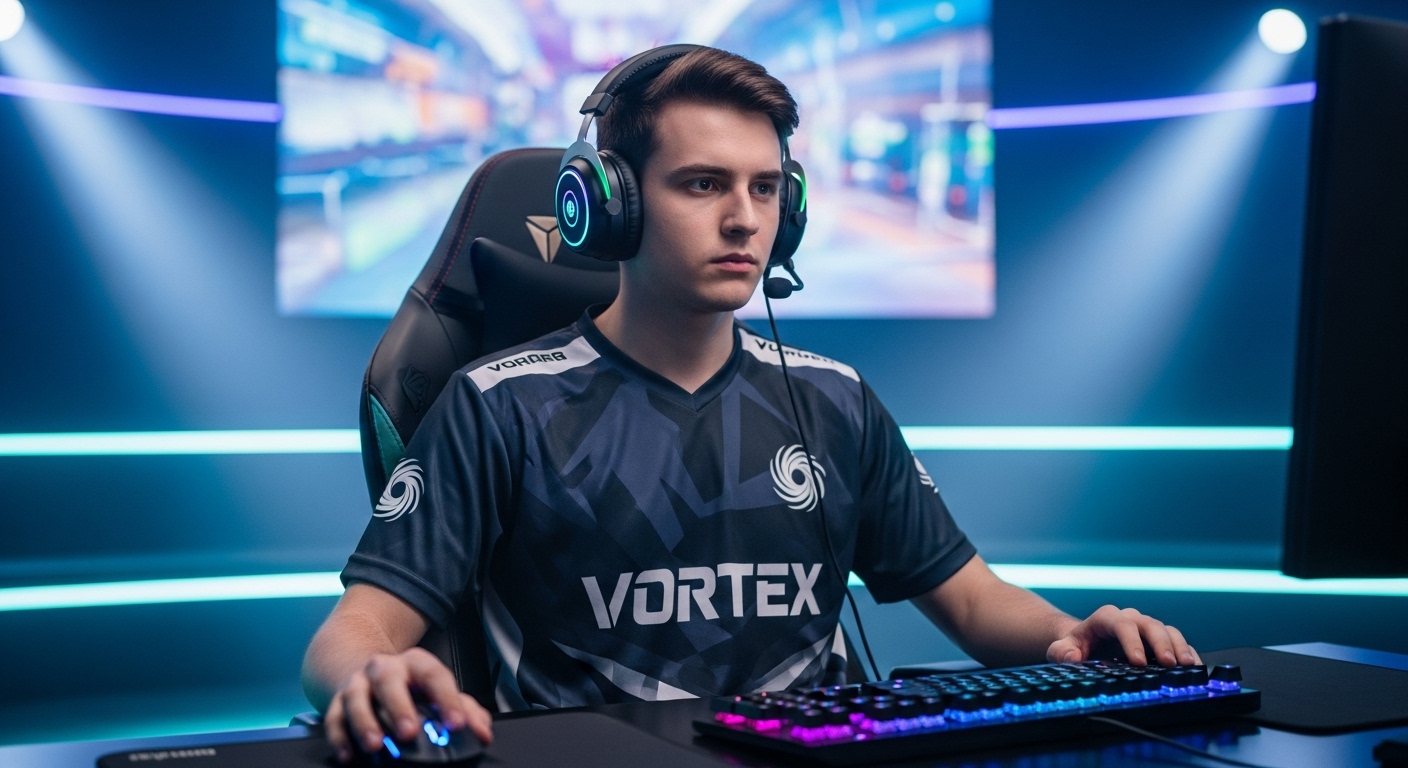
Player branding is essential in esports, helping professionals stand out, attract sponsorships, and grow their fanbase. A strong personal brand can extend a player’s career, influence, and revenue potential beyond tournament winnings.
This blog explores player branding strategies, platforms, fan engagement, challenges, and future trends.
Importance of Player Branding
- Differentiates players in a crowded competitive scene.
- Attracts sponsorships, partnerships, and collaboration opportunities.
- Builds a loyal fanbase that supports streaming, merchandise, and content.
- Provides long-term career opportunities beyond active competition.
Strategies for Player Branding
- Social Media Presence: Regular posts, updates, and interactive content on Twitter, Instagram, TikTok, and YouTube.
- Streaming & Content Creation: Share gameplay, tutorials, behind-the-scenes content, and lifestyle vlogs.
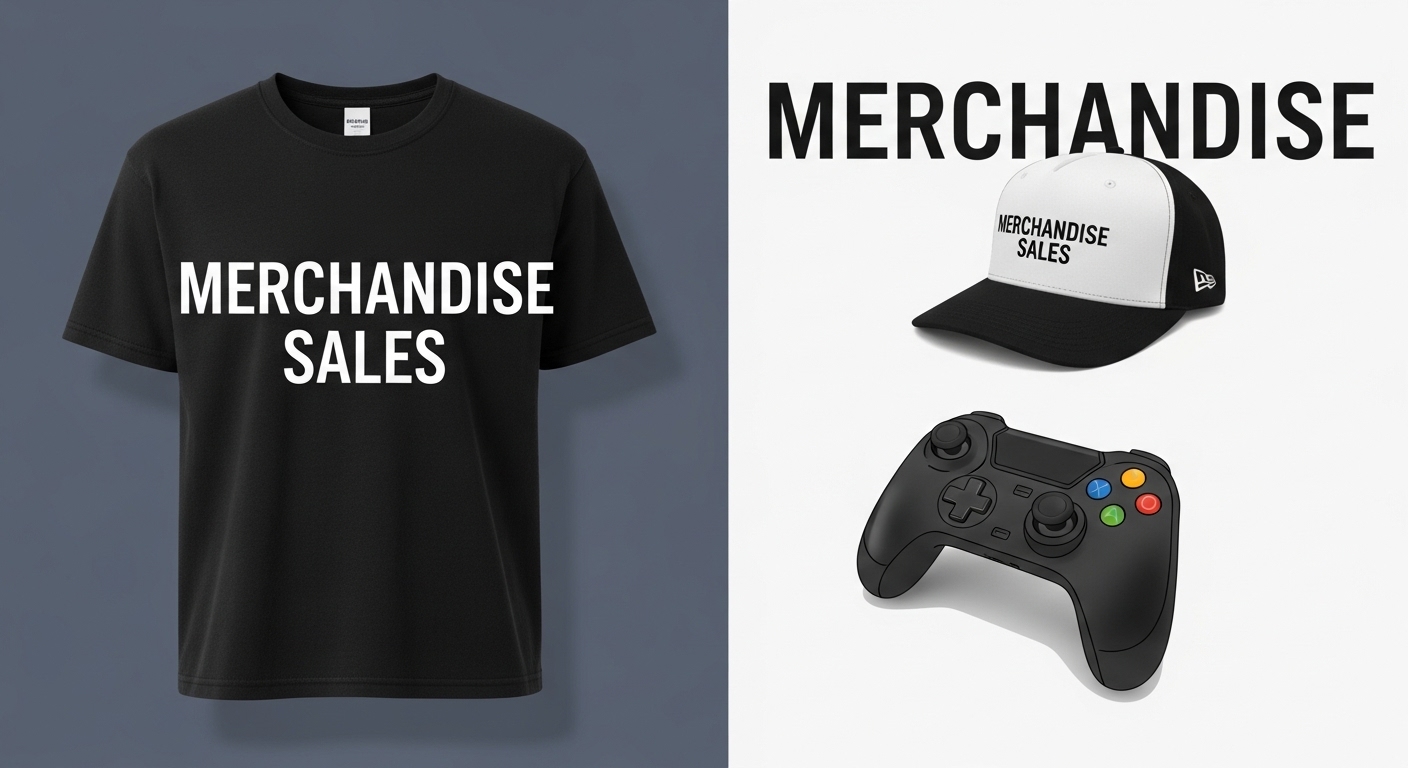
- Merchandise & Collaborations: Launch personal merchandise or collaborate with brands.
- Media & Public Appearances: Participate in interviews, podcasts, and events.
- Community Engagement: Interact with fans through Discord, Q&A sessions, and contests.
Platforms for Branding
- Twitch: Live streaming and fan interaction.
- YouTube: Long-form content, highlights, tutorials.
- TikTok & Instagram: Short-form viral content and lifestyle promotion.
- Discord & Fan Communities: Direct engagement and loyalty building.
Challenges
- Maintaining authenticity while monetizing influence.
- Handling public scrutiny and potential negative attention.
- Balancing competition, content creation, and personal life.
- Adapting to changing trends and platform algorithms.
Future Trends
- AI-driven brand optimization for social media and streaming content.
- Cross-platform branding strategies integrating streaming, social media, and merchandise.
- Personal digital assets and NFTs to engage fans and monetize influence.
- Player-led community platforms and subscription models for direct engagement.
Conclusion
Player branding is a crucial component of esports success, extending influence, revenue, and fan engagement beyond tournaments. Strategic content creation, social media presence, and community interaction help players establish a lasting personal identity.