Introduction: The Era of Digital Competition
Esports has grown from a niche pastime into one of the fastest-growing entertainment industries in the world. What once began as informal gaming competitions among friends has evolved into a global phenomenon, attracting millions of viewers, sponsorships, and professional athletes. With its blend of strategy, skill, and teamwork, esports has redefined what it means to be a competitive sport in the digital age. This blog explores the origins of esports, the factors behind its rapid growth, and the future of this booming industry.
The Origins of Esports: From Arcades to Online Arenas
The roots of competitive gaming trace back to the 1970s and 1980s when arcade competitions became popular. Early video game tournaments such as Space Invaders competitions set the stage for organized gaming contests. However, it wasn’t until the late 1990s and early 2000s, with the advent of online multiplayer games, that esports began to take its modern form.
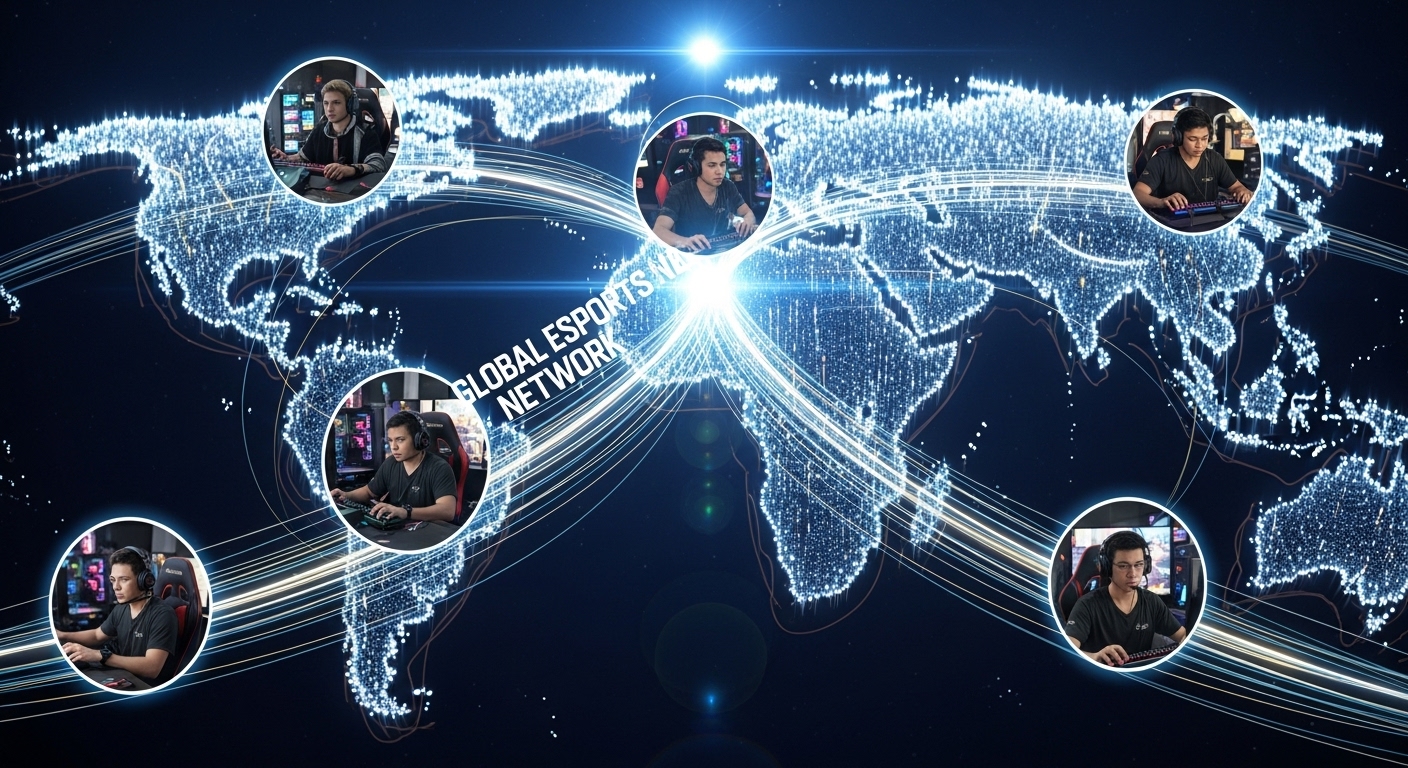
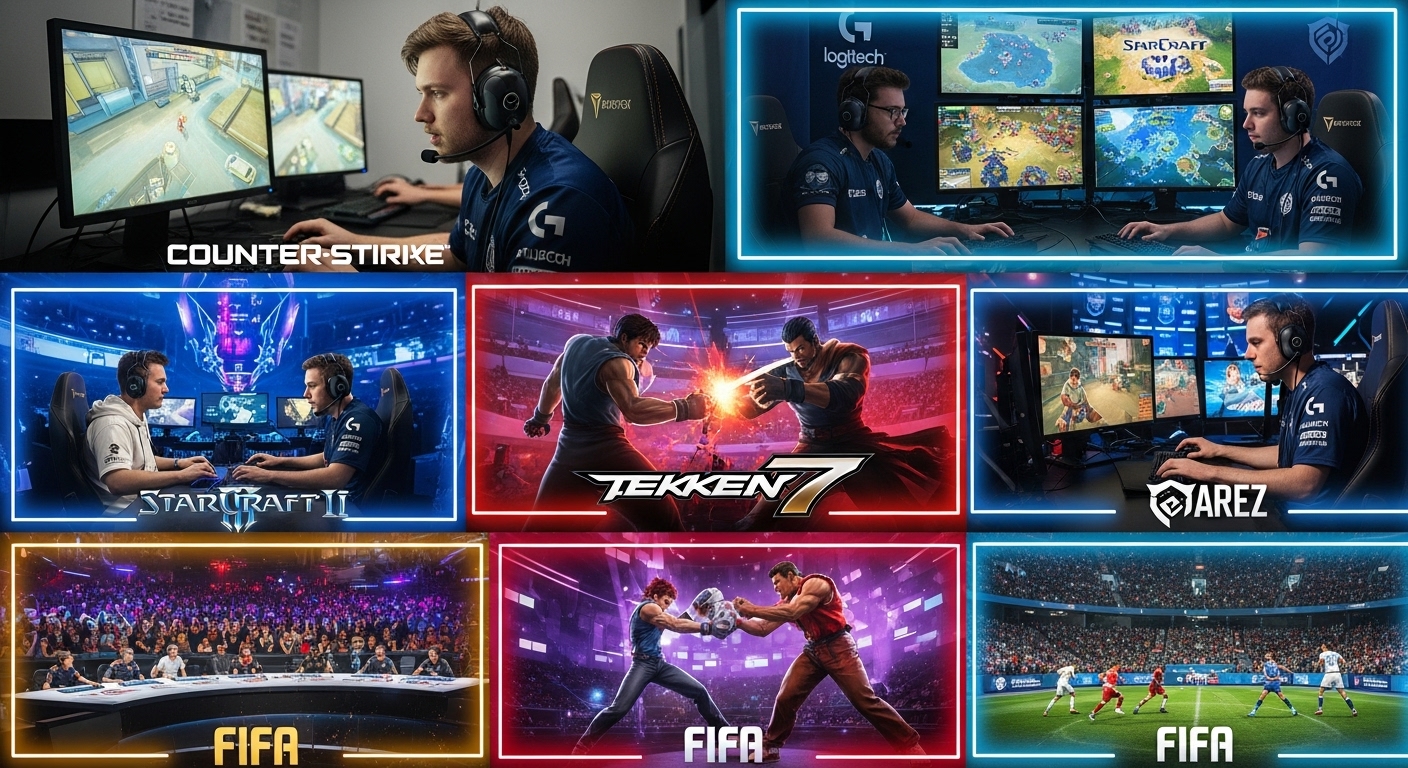
Games like StarCraft, Counter-Strike, and Warcraft III laid the foundation for professional competition. These titles required not only individual skill but also team coordination, strategic thinking, and quick decision-making. The global accessibility of these games allowed players from different countries to compete, breaking geographical barriers and creating an international gaming community.
Professional Teams and the Rise of Esports Careers
As esports gained popularity, the concept of professional gaming teams emerged. Unlike casual players, professional esports athletes dedicate several hours a day to practice and strategy development. Teams operate similarly to traditional sports franchises, with managers, coaches, analysts, and support staff.
Professional players follow rigorous training schedules that include reaction time drills, strategy sessions, and physical fitness routines. Mental stamina is equally important, as players must maintain focus during long tournaments and high-pressure situations. The rise of professional esports careers has created a new generation of athletes who compete on global stages, earning substantial incomes from tournaments, sponsorships, and streaming.
Streaming Platforms: Connecting Fans with the Action
One of the key factors behind the growth of esports is the emergence of streaming platforms. Unlike traditional sports that rely on television networks, esports leveraged platforms where fans could watch live matches, interact with players, and engage with the community.
Streaming made esports more accessible and interactive. Fans can comment, ask questions, and celebrate highlights in real time. Popular streamers also share gameplay tutorials, behind-the-scenes content, and personal stories, building a strong connection with their audience. This direct engagement has been instrumental in transforming esports into a mainstream entertainment phenomenon.
The Psychology of Competitive Gaming
Competitive gaming is not just about fast reflexes; it involves complex cognitive skills. Esports athletes constantly make decisions under pressure, anticipate opponents’ moves, and adapt strategies in real time. Hand-eye coordination, memory retention, multitasking, and focus are critical components of success.
Sports psychologists and trainers now play a vital role in professional esports. They help players manage stress, maintain mental health, and optimize performance. Nutrition, exercise, and sleep are also considered essential, as peak mental function is closely tied to physical well-being. This holistic approach has helped esports evolve into a professional sport comparable to traditional athletics.
Esports in Education: Expanding Opportunities for Students
Esports has found its way into educational institutions around the world. Schools and universities now offer esports programs, clubs, and even scholarships. These programs teach valuable skills such as leadership, teamwork, communication, and problem-solving.
Participating in esports also encourages strategic thinking and time management. Students learn to balance academics with competitive gaming, gaining skills applicable beyond the virtual arena. Moreover, universities are recognizing esports as a legitimate career pathway, offering degrees in game design, event management, marketing, and esports business administration.
Global Esports Tournaments: A New Spectator Experience
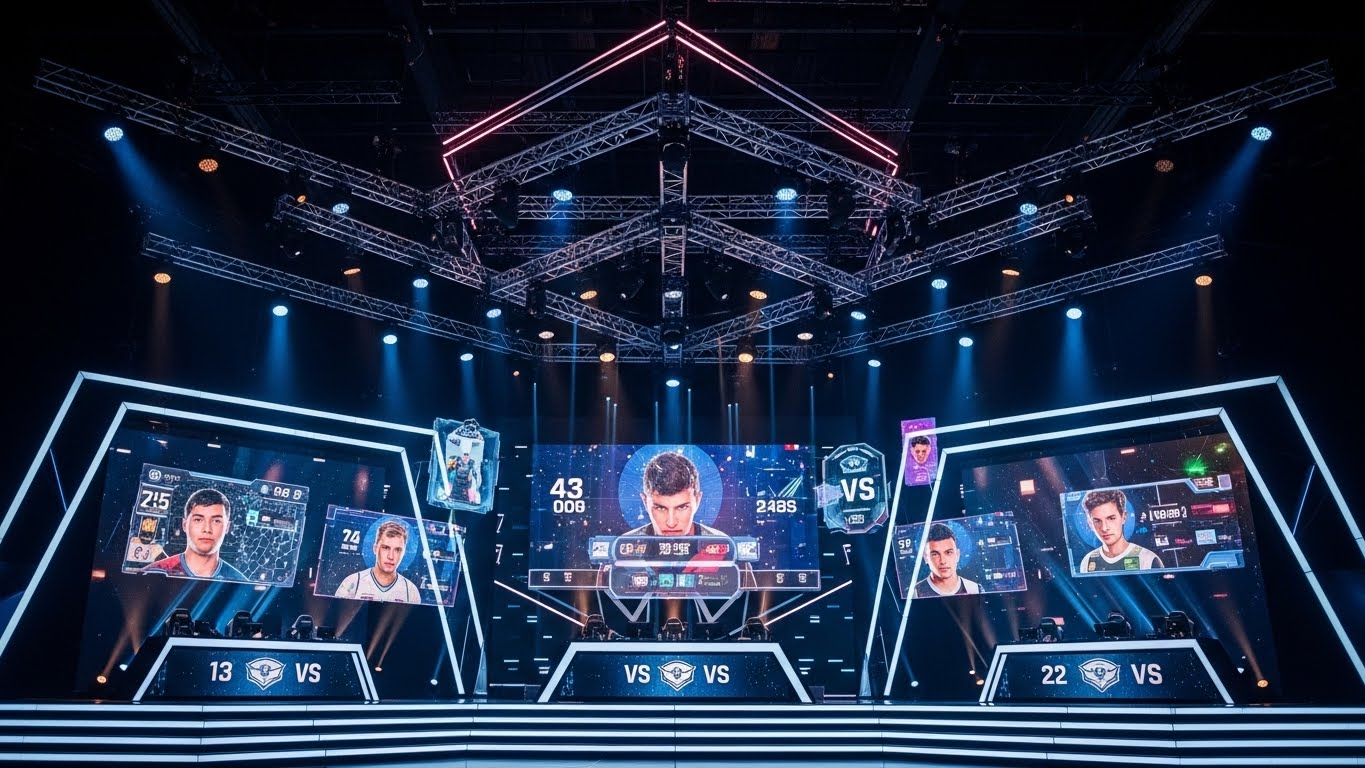
Esports tournaments have grown into massive events, attracting thousands of spectators and millions of online viewers. International championships feature teams from all corners of the globe, competing for substantial prize pools and international recognition.
These tournaments are not just about the competition; they are a celebration of gaming culture. Fans enjoy elaborate stage setups, live commentary, cosplay contests, and interactive experiences. Major tournaments have prize pools reaching millions of dollars, reflecting the scale and commercial potential of esports. The energy at these events rivals traditional sports finals, demonstrating the global appeal of competitive gaming.
The Economics of Esports
The esports industry has become a multi-billion-dollar market. Revenue comes from multiple streams including tournament prize money, sponsorships, advertising, merchandising, and content creation. Major corporations and brands have recognized the value of esports as a platform to engage younger audiences who consume digital content at unprecedented rates.
Sponsorships are a major component of esports economics. Brands collaborate with teams, players, and tournaments to showcase products and services. Merchandise sales such as team jerseys, collectibles, and digital assets generate additional income. Moreover, streaming platforms and digital media have created new opportunities for monetization, making esports a sustainable and lucrative industry.
Challenges Facing the Esports Industry
Despite rapid growth, esports faces several challenges. Player burnout is a significant issue due to long practice hours, frequent travel, and the pressure to perform consistently. Teams are now focusing on player wellness programs to ensure longevity and mental health.
Another challenge is maintaining fairness and integrity. Issues such as cheating, match-fixing, and account manipulation must be addressed through regulations, monitoring, and standardized rules. Diversity and inclusion are also areas for improvement. While esports is accessible, representation of women, minorities, and underrepresented groups remains limited. Promoting inclusivity is essential for the future of the industry.
The Future of Esports: Innovation and Expansion
The future of esports looks promising, with new technologies and trends shaping the industry. Virtual reality and augmented reality are expected to revolutionize gameplay and spectator experiences. Cloud gaming will make competitive gaming more accessible to those without high-end hardware.
Mobile esports is also on the rise, particularly in regions where smartphone access outpaces computer ownership. Cross-platform gaming allows players on different devices to compete together, expanding the competitive pool and audience. Furthermore, esports will continue to intersect with mainstream entertainment, offering innovative experiences that blend gaming, media, and social interaction.
Esports as a Cultural Phenomenon
Esports is more than just a form of competition; it is a cultural movement. It has created communities, inspired creativity, and provided opportunities for personal and professional growth. Fans identify with teams, share experiences, and celebrate victories and milestones together. The rise of cosplay, fan art, and social media engagement demonstrates the cultural impact of esports on modern society.
As esports continues to grow, it will further influence popular culture, education, technology, and business. It has transformed gaming from a hobby into a legitimate profession, a global entertainment platform, and a cultural force that transcends borders.
Conclusion: The Digital Revolution of Competition
Esports represents a new era of competition that combines skill, strategy, and community in ways that traditional sports could not. From humble beginnings in arcades to global tournaments with massive audiences, esports has proven that gaming is more than just entertainment—it is a legitimate sport, a cultural movement, and a thriving industry.
The growth of esports shows that passion, dedication, and innovation can create new opportunities for millions of people worldwide. Whether you are a player, a fan, or a professional pursuing a career in this industry, esports offers an exciting and dynamic future. As technology continues to advance, esports will remain at the forefront of digital competition, inspiring new generations of gamers and spectators alike.