Introduction: The Birth of Esports and Its Meteoric Rise
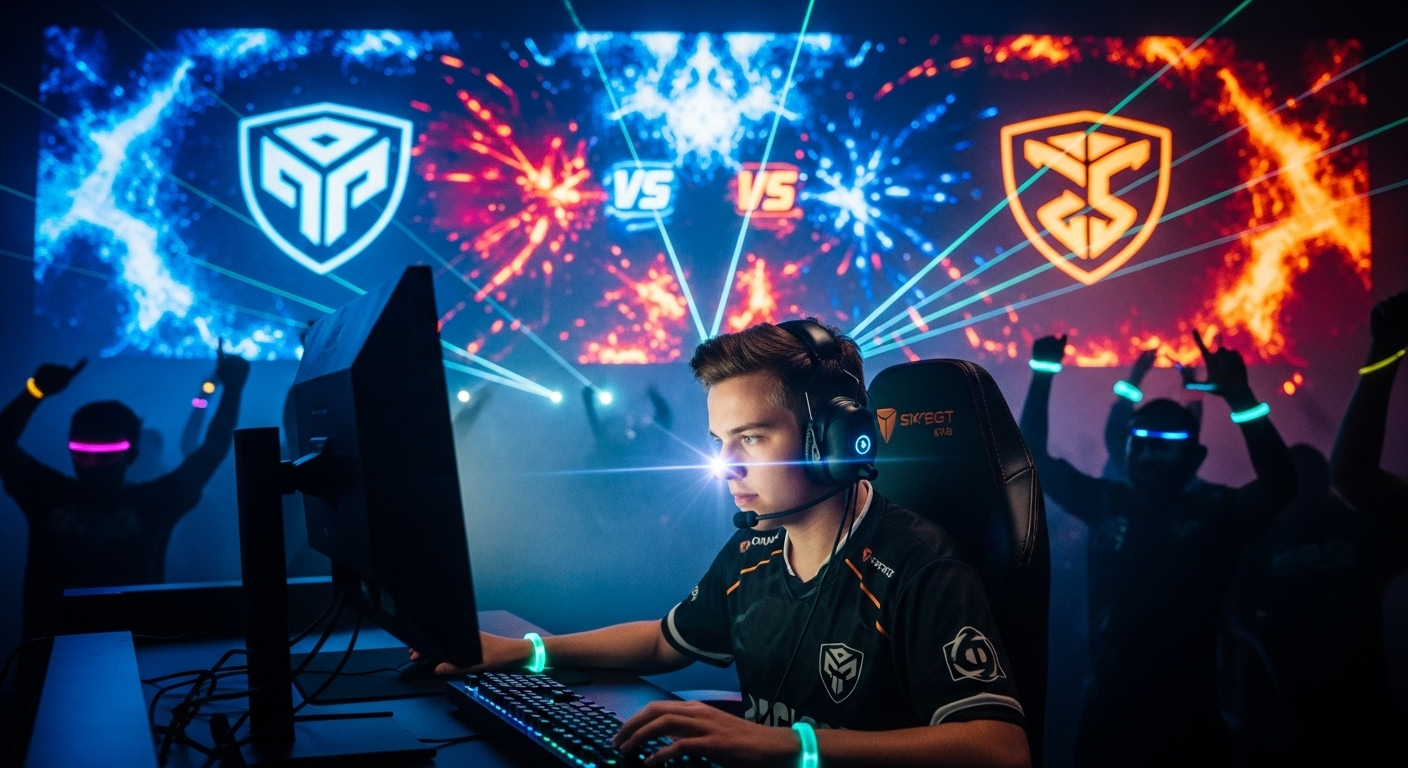
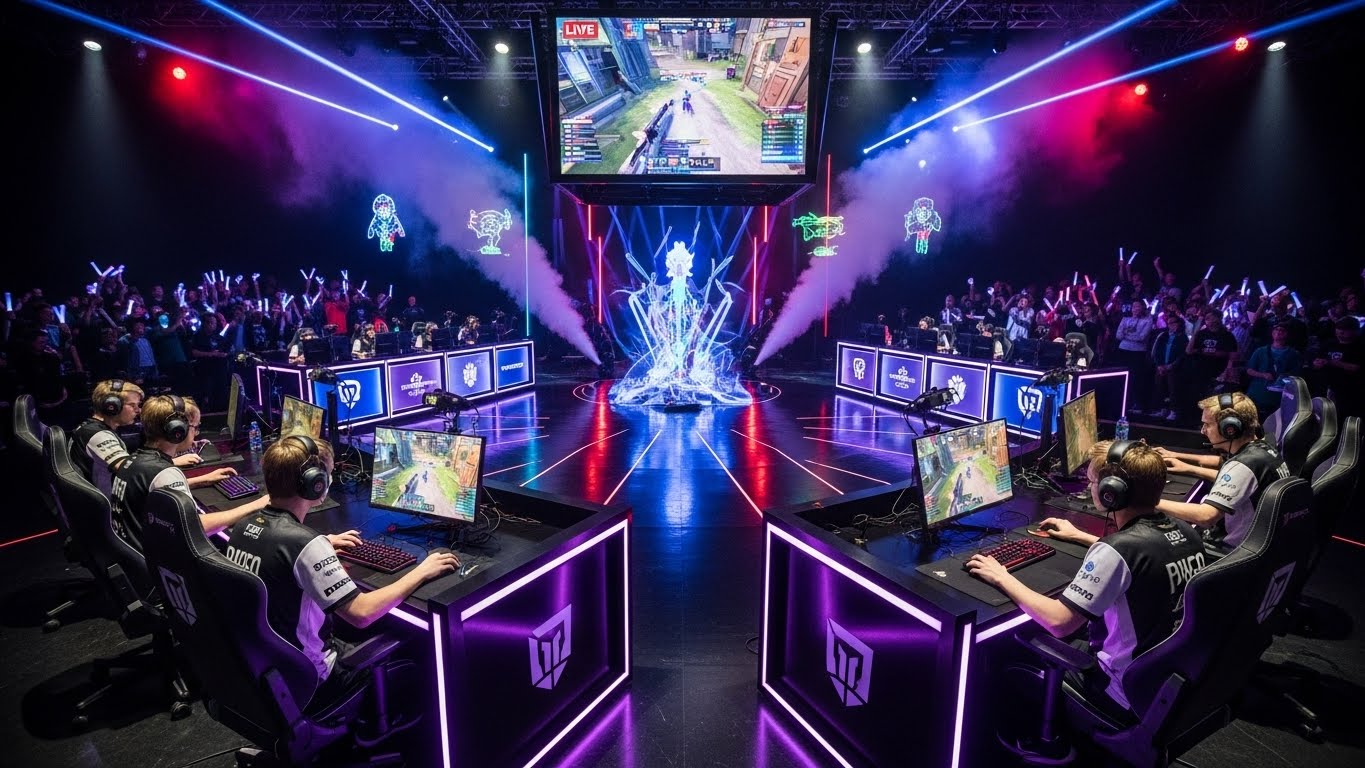
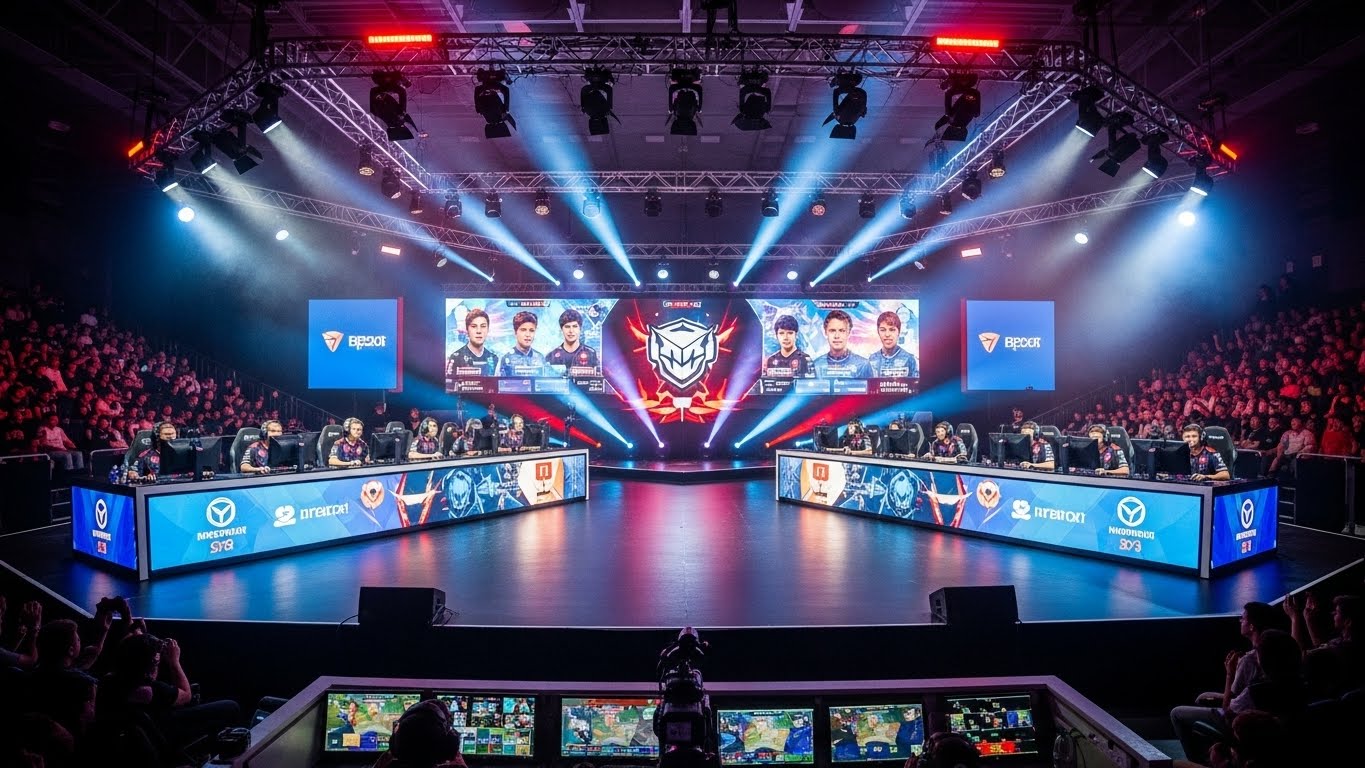
Esports, or electronic sports, has become a global sensation, transforming from a niche hobby into a billion-dollar industry in just a few decades. What started as casual gaming between friends has now evolved into organized, professional tournaments that rival traditional sports in viewership, sponsorship, and prestige. Millions of players across the world now compete in digital arenas for massive prize pools, while fans cheer them on from home, filling virtual stadiums and watching live broadcasts on streaming platforms.
This blog post will explore the history, development, and cultural impact of esports, examining how it has grown into the phenomenon it is today and where it might be headed in the future. We will delve into the origins of competitive gaming, the business side of esports, its global reach, and the challenges that come with its rapid expansion.
The Origins of Competitive Gaming
The roots of esports can be traced back to the early days of gaming itself. While video games have existed since the 1970s, competitive gaming didn’t gain traction until the 1980s when arcade games like Pong and Space Invaders allowed players to compete for high scores. As technology advanced, more sophisticated games, such as Quake and Warcraft III, provided the foundation for competitive gaming. These early games fostered a sense of rivalry among players, setting the stage for what would eventually become a professional industry.
One of the first major milestones in esports history came in the late 1990s with the advent of LAN (Local Area Network) parties, where gamers would gather to compete in multiplayer games like StarCraft and Quake. These small-scale, grassroots tournaments began attracting large groups of players and fans. The Cyberathlete Professional League (CPL), founded in 1997, was one of the first organizations to host competitive gaming events with a professional structure, offering cash prizes to the top players.
However, it wasn’t until the early 2000s, with the rise of broadband internet, that esports really started to take off. Players could now compete online, connecting with people from all over the world, and tournaments began to attract larger audiences. This period marked the shift from local LAN events to global online competitions, expanding the scope of esports beyond a small community of hardcore gamers.
The Professionalization of Esports
The turning point for esports came in 2009 with the release of League of Legends (LoL) by Riot Games. LoL was a game designed specifically with competitive play in mind, offering a team-based experience that was perfect for esports. Riot Games recognized the potential for a professional league and quickly established the League of Legends Championship Series (LCS), a league system similar to traditional sports leagues like the NBA or NFL. This move was a game-changer for the esports scene, establishing a model for organized, professional competitions with consistent schedules, prize money, and sponsorships.
Around the same time, the growth of StarCraft II and Dota 2 helped fuel the expansion of esports. The International, a Dota 2 tournament, became one of the biggest and most prestigious events in esports, with prize pools reaching tens of millions of dollars. The growth of these tournaments signaled to the world that competitive gaming was not only a serious endeavor but also a viable career path for talented players.
In the years that followed, more esports leagues and tournaments emerged, each catering to different games. Titles like Counter-Strike: Global Offensive (CS:GO), Overwatch, and Fortnite all saw their own professional circuits, attracting teams, sponsors, and media attention. The rise of esports organizations such as Cloud9, Fnatic, Team Liquid, and T1 further cemented esports as a legitimate sport, with professional players now signing contracts, receiving salaries, and even benefiting from team coaches and analysts—similar to traditional sports teams.
The Business Side of Esports: Sponsorship, Revenue, and Media
Esports has evolved into a thriving business, generating billions of dollars annually. The industry’s revenue comes from a variety of sources, including sponsorships, advertising, media rights, and merchandise. Major global brands like Coca-Cola, Intel, and Nike have all made significant investments in esports, sponsoring tournaments and teams to reach a younger, tech-savvy audience.
One of the key revenue drivers for esports is sponsorship. Companies see esports as an effective way to engage with the coveted millennial and Gen Z demographic. Brands partner with esports organizations and players to advertise their products through streams, social media, and event sponsorships. Esports tournaments, such as the League of Legends World Championship, The International, and CS:GO Major Championships, attract millions of viewers, and the revenue from advertising and sponsorships continues to grow each year.
In addition to sponsorships, media rights have become a significant source of revenue for the esports industry. The rise of streaming platforms like Twitch and YouTube Gaming has allowed fans to watch their favorite players and tournaments live, while also offering a platform for content creators to generate revenue through ads, donations, and subscriptions. Traditional media networks such as ESPN have also begun broadcasting esports events, further legitimizing esports as a mainstream form of entertainment.
Esports teams themselves generate revenue through merchandise sales, ticket sales for live events, and streaming income. As esports continues to grow in popularity, more revenue streams are being developed, and the business side of esports is becoming increasingly professionalized. In fact, esports is now considered one of the fastest-growing industries in the entertainment sector.
The Global Appeal of Esports
Esports is not just a phenomenon in the United States or South Korea; it is a global movement that has captured the imagination of people worldwide. While countries like South Korea and China were early adopters of competitive gaming, the rise of streaming platforms and the global accessibility of games have made esports a truly international event.
Tournaments like the League of Legends World Championship, The International, and Overwatch League draw viewers from every corner of the globe. These events are broadcast in multiple languages and are accessible to fans everywhere, from the United States to Southeast Asia to Europe. Esports’ appeal lies in its ability to unite people from different backgrounds and cultures around a shared passion for gaming.
Countries like China and South Korea have become esports powerhouses, with professional leagues and dedicated gaming facilities. In South Korea, esports is even considered a legitimate career, with many players receiving recognition and respect akin to that of traditional athletes. In China, the government has supported the development of esports, recognizing it as an official sport and providing funding for esports infrastructure.
Challenges in the Esports Industry
Despite its rapid growth, esports faces several challenges that could impact its long-term sustainability. One of the primary concerns is the mental health of professional players. The pressure to perform at the highest level, combined with long practice hours and a demanding travel schedule, has led to issues like burnout, anxiety, and depression among players. Some esports organizations are beginning to address these concerns by providing mental health resources, team psychologists, and wellness programs for their players.
Another challenge is the issue of toxicity within the esports community. While gaming is an inclusive and welcoming space for many, the competitive nature of esports can sometimes foster toxic behavior, such as harassment, sexism, and racism. Esports organizations and game developers are increasingly working to create safe, welcoming environments for players by enforcing strict codes of conduct, introducing better reporting systems, and promoting positive behavior within the community.
Additionally, the lack of standardized regulations in the esports industry can sometimes lead to issues with tournament organization, player contracts, and team management. As the industry continues to grow, there is a need for clearer guidelines and governance to ensure fair play, prevent corruption, and protect the interests of players and fans.
The Future of Esports
The future of esports is incredibly bright, with continued growth projected in the coming years. As technology continues to evolve, we can expect even more immersive experiences for players and fans. Virtual reality (VR) and augmented reality (AR) could play a significant role in shaping the future of esports, creating more interactive and engaging competitions.
Mobile esports is another area that will likely experience significant growth. Mobile games like PUBG Mobile and Arena of Valor have already attracted millions of players, and as mobile gaming technology improves, we can expect to see more competitive tournaments in the mobile space. The global accessibility of mobile gaming makes it a perfect platform for esports to reach new audiences, particularly in regions like Southeast Asia and Latin America.
Finally, esports will continue to integrate with traditional sports. Many traditional sports organizations, such as the NBA, NFL, and Formula 1, have already ventured into the world of esports, either by creating their own esports leagues or by sponsoring existing ones. This integration of physical and digital competition could lead to exciting new hybrid events that combine traditional sports with esports.
Conclusion: Esports as the Future of Competition and Entertainment
Esports has come a long way from its humble beginnings as a hobby to a global entertainment juggernaut. The competitive gaming industry has experienced explosive growth, attracting millions of fans, players, and sponsors. As esports continues to evolve, it will shape the future of entertainment, providing new opportunities for both players and fans alike. While there are challenges to overcome, the potential for esports to continue growing and innovating is immense.
Whether you’re a player, a fan, or someone who is just discovering the world of esports, one thing is clear: competitive gaming is here to stay, and its impact on the world of entertainment will only continue to grow.