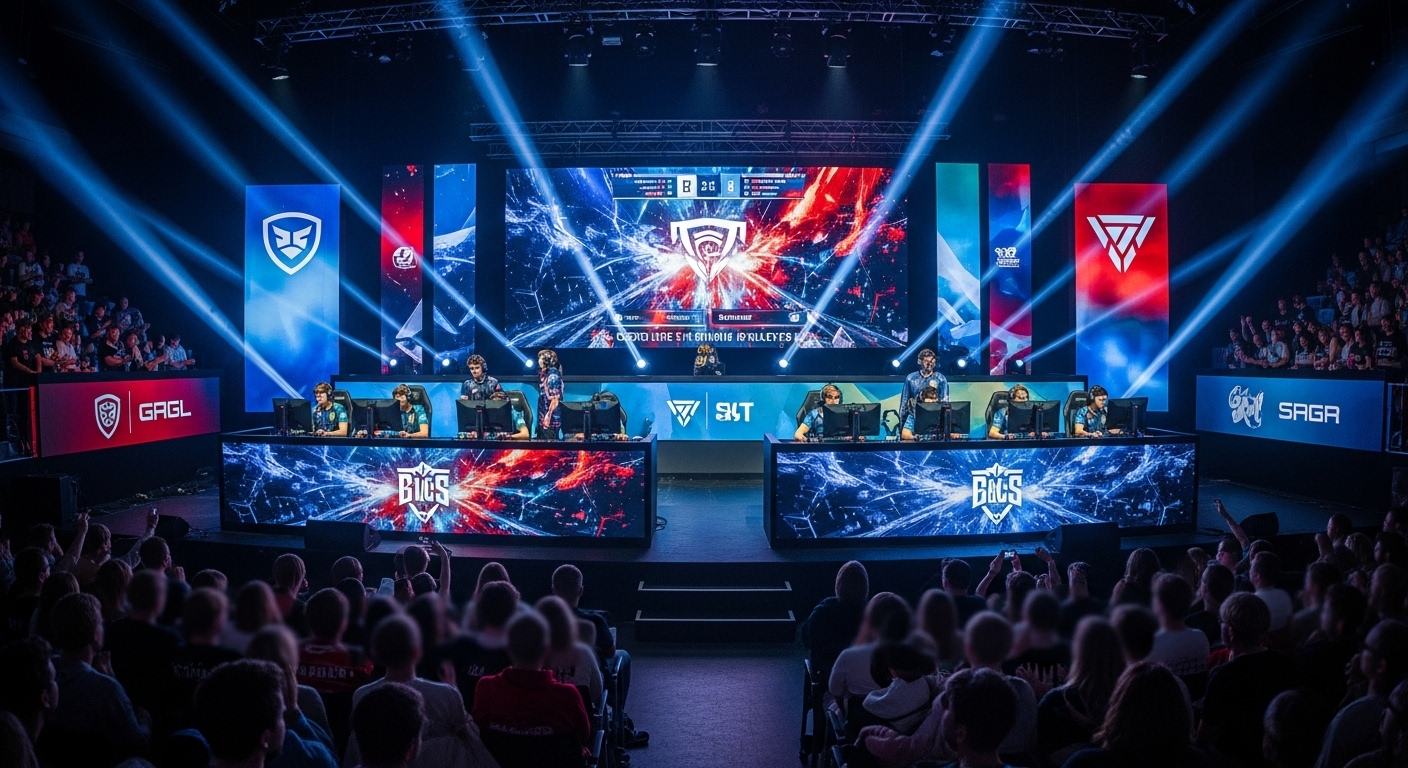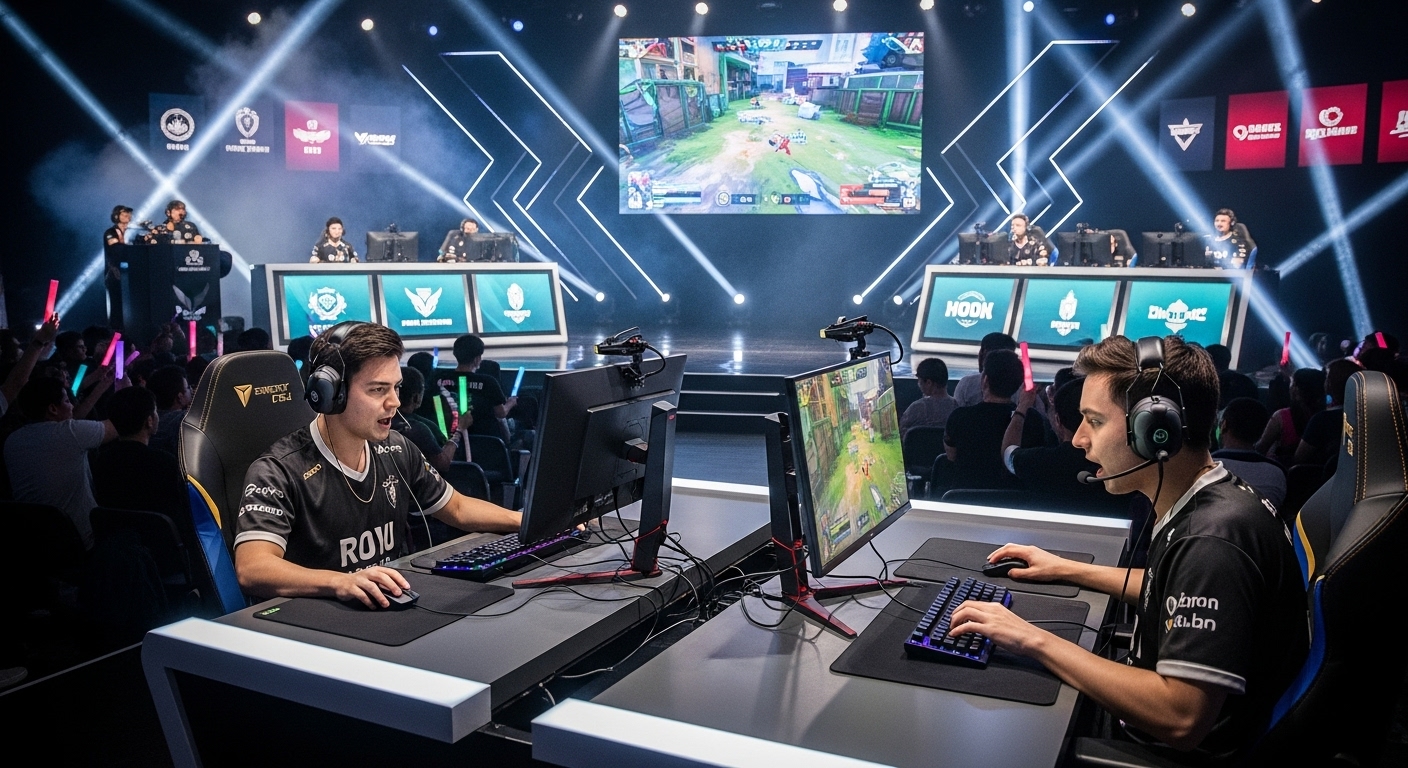
Esports, once a niche subculture confined to small LAN parties and online communities, has blossomed into a global phenomenon. What was once a simple way to bring gamers together to compete and have fun has now evolved into a multi-billion-dollar industry that spans professional leagues, major tournaments, sponsorships, and a rapidly expanding fanbase. Today, esports is not only a source of entertainment for millions of fans worldwide but also a career opportunity for many young athletes and professionals. This blog explores the rise of esports, its cultural impact, the business of competitive gaming, and what the future holds for this ever-evolving industry.
What Is Esports?
At its core, esports refers to competitive video gaming. It involves individuals or teams competing against each other in organized video game tournaments, often for cash prizes, sponsorships, and global recognition. Esports covers a wide variety of games, from real-time strategy games like StarCraft to first-person shooters like Counter-Strike: Global Offensive and Overwatch, multiplayer online battle arenas like League of Legends, and even battle royale games like Fortnite.
Esports is distinct from casual gaming in that it involves high levels of skill, strategy, and teamwork, often requiring months or even years of practice. While some players compete solo, many esports competitions involve teams, each with specific roles and tactics designed to give them the best chance of winning.
Beyond the gameplay itself, esports has become a full-fledged ecosystem, encompassing professional teams, coaches, analysts, casters (commentators), broadcasters, streamers, and event organizers. Its growth has been fueled by the expansion of streaming platforms, digital content creation, and a rapidly growing community of dedicated fans.
The Early Days of Competitive Gaming
Competitive gaming isn’t a new concept. In fact, it dates back to the 1970s, with some of the earliest esports-like competitions occurring around arcade games. One of the first major events was the 1972 Stanford University “Intergalactic Spacewar Olympics,” a tournament based around the game Spacewar, which was played on mainframe computers. While this event was a far cry from the large-scale tournaments we see today, it marked the first instance of gaming as a competitive pursuit.
The real transformation began in the 1990s with the rise of PC gaming and internet connectivity. Titles like Quake and StarCraft enabled players to connect over the internet and compete against one another on a global scale. The World Cyber Games (WCG), founded in 2000, and the Electronic Sports World Cup (ESWC), founded in 2003, were two early attempts at creating global esports tournaments. These events, although small by today’s standards, helped establish the foundation for what would eventually become the massive esports industry.
In the early 2000s, LAN (Local Area Network) cafes became popular gathering spots for gamers to meet and compete. These venues allowed gamers to connect their computers to a local network, play games together, and participate in organized tournaments. As the internet became more widespread and faster, players no longer needed to gather in person to compete, giving rise to online tournaments and leagues.
Esports Takes Flight in the 2010s
While esports had existed for several years, it wasn’t until the 2010s that the industry began to gain significant momentum. A key factor in this shift was the advent of Twitch, a live-streaming platform launched in 2011, that allowed gamers to broadcast their play to a global audience. Twitch’s early success played a pivotal role in bringing esports into the mainstream. For the first time, millions of fans could watch their favorite players compete in real-time, engage with commentary, and interact with the esports community.
With platforms like Twitch creating an ecosystem for viewing competitive gaming, tournament organizers and game developers began investing heavily in creating larger-scale events. Games like League of Legends, Dota 2, Counter-Strike: Global Offensive, and Overwatch started holding international tournaments with millions of dollars in prize money.
One of the standout moments for the esports industry came in 2013 with the launch of The International, an annual tournament for Dota 2, which broke records with a prize pool of over $2.8 million, crowning it as one of the richest esports tournaments in history. This success drew massive attention to esports, signaling that professional gaming could be a lucrative venture, both for players and for the industry at large.
The Business of Esports
Esports has transformed into an incredibly profitable industry. While prize money remains a significant draw for top-tier players, the financial backbone of esports lies in sponsorships, broadcasting rights, media deals, merchandising, and digital content creation.
Corporations from outside the gaming industry, including Coca-Cola, Red Bull, Intel, Mercedes-Benz, and Nike, have made major investments in esports by sponsoring teams, players, and events. These partnerships help fund tournaments, provide exposure for brands, and generate a significant amount of revenue for esports organizations.
The sale of broadcasting rights has also become a major source of income. Media giants such as ESPN and NBC Sports have begun airing esports tournaments, and digital platforms like YouTube, Facebook, and Twitch have also contributed to the growth of esports viewership. By attracting millions of viewers to live streams, major esports events generate substantial advertising revenue and brand deals.
Sponsorships and partnerships aren’t just limited to the games themselves. Esports organizations, which operate much like traditional sports teams, generate revenue through team merchandise, ticket sales for live events, and exclusive partnerships with brands that align with their identity. Teams such as Cloud9, Team Liquid, and G2 Esports have not only become household names in the gaming community but have also expanded their reach by signing lucrative sponsorships with major brands.
The potential for investment in esports has made it a prime target for venture capitalists. High-profile investors, such as Mark Cuban and Magic Johnson, have invested in esports organizations, seeing the industry as an emerging market with substantial growth potential.
Esports and the Players: A New Career Path
With the rise of esports, professional gaming has transformed into a viable career choice. Players now compete in major leagues, often under the banner of esports organizations, where they receive salaries, benefits, and sponsorships. These organizations support their players with resources such as dedicated coaching, analysts, and psychologists to help them maintain peak performance.
Just like in traditional sports, players are required to dedicate countless hours to practice, strategy, and team dynamics. The best esports players can achieve celebrity status within their gaming communities. Some, such as Faker from League of Legends or KennyS from Counter-Strike: Global Offensive, have become iconic figures in the esports world, with large followings on social media and streaming platforms.
However, the road to becoming a professional esports player is not easy. Players often start their careers at a young age, with many competing in minor leagues or streaming on platforms like Twitch before being scouted by larger organizations. The competition is fierce, and only a small percentage of players manage to make a living from their skills.
For many gamers, being part of an esports team isn’t just about the prize money; it’s also about being part of a global community. The camaraderie and sense of belonging that esports provides are essential aspects of its appeal. The shared passion for gaming creates lasting friendships and networks that can help players succeed both in and out of the competitive arena.
The Cultural Impact of Esports
The rise of esports has had a profound impact on culture, reshaping how we think about video gaming, competition, and entertainment. Where video games were once seen as a solitary activity, esports has transformed them into a team-based, performance-driven pursuit. Esports has helped legitimize gaming as a serious career path, with universities offering esports scholarships and even establishing varsity teams to compete at the collegiate level.
Moreover, esports has bridged the gap between gamers and mainstream culture. Traditional sports organizations have taken notice of esports’ rapid growth. In fact, some pro sports teams have invested in esports organizations, and esports stars are beginning to appear in commercials, documentaries, and mainstream media.
As the demographic of esports fans continues to expand, we are seeing a shift in cultural attitudes toward gaming. The stigma surrounding video games as a waste of time or as being “anti-social” has largely faded, replaced by a new understanding of gaming as a legitimate form of competition and entertainment.
The Future of Esports
The future of esports looks incredibly bright. Industry experts predict that esports viewership will continue to increase, with platforms like Twitch, YouTube, and Facebook Gaming driving a new wave of fan engagement. The integration of esports into mainstream media, including partnerships with traditional sports leagues and global broadcasters, will continue to raise the profile of competitive gaming.
Additionally, the development of virtual reality (VR) and augmented reality (AR) technology could usher in a new era for esports, offering even more immersive and interactive experiences for players and fans alike.
The inclusion of esports in events like the Asian Games, and the ongoing discussions around adding esports to the Olympics, highlight the growing acceptance of competitive gaming as a legitimate and respected form of entertainment. The continued investment from corporations, governments, and universities will help esports evolve into an even more significant cultural and economic force in the years to come.
Conclusion
Esports has come a long way from its humble beginnings as a hobby for dedicated gamers. Today, it is a global industry, with a vibrant community, thriving professional leagues, and a growing fanbase. As technology continues to evolve, the future of esports promises even more exciting developments, from larger tournaments and bigger prize pools to deeper integrations with mainstream sports and entertainment.