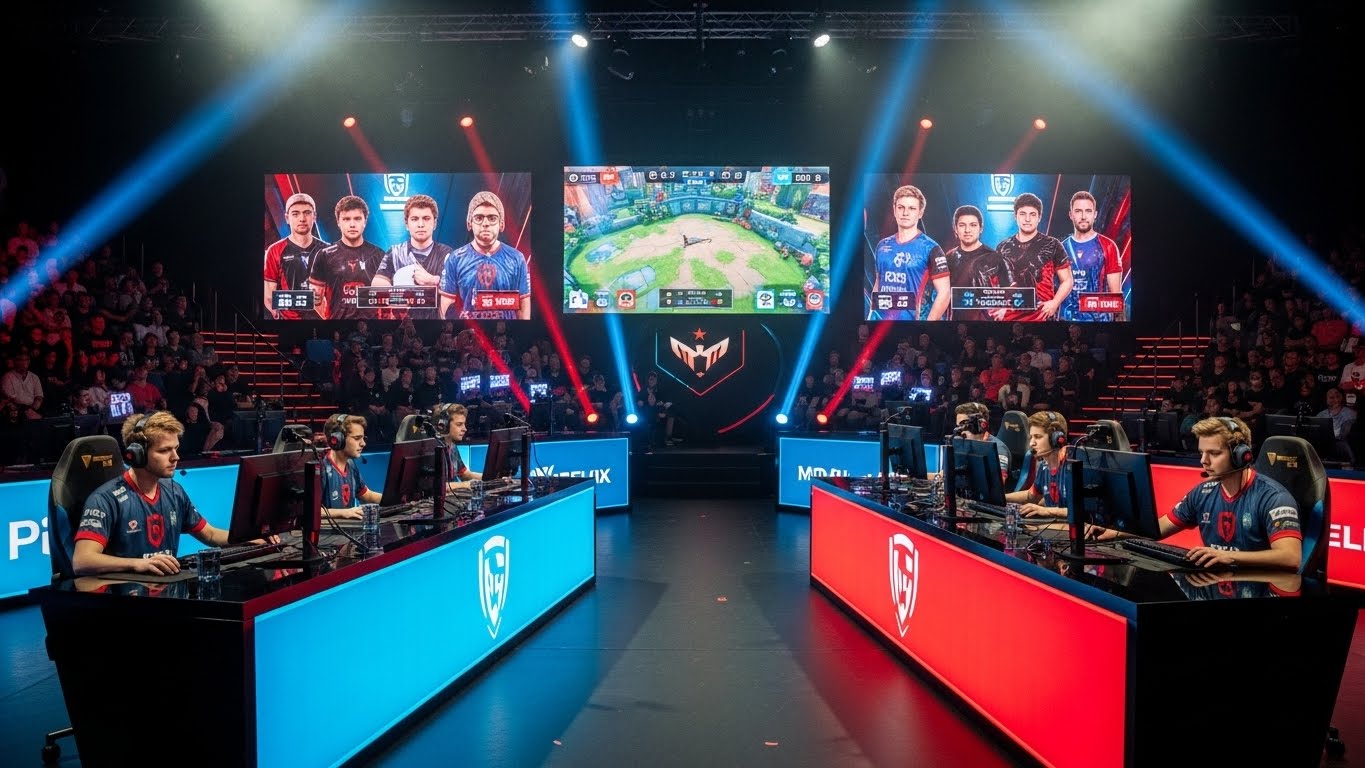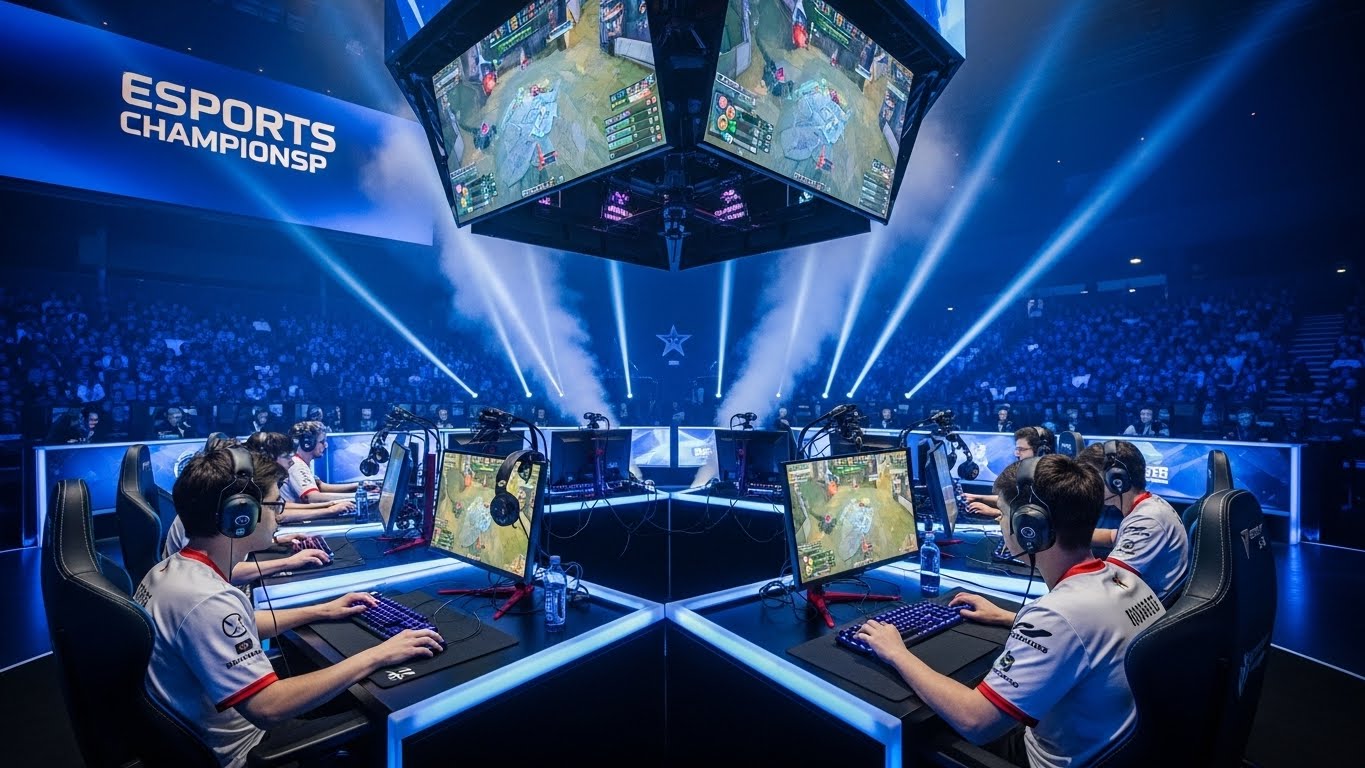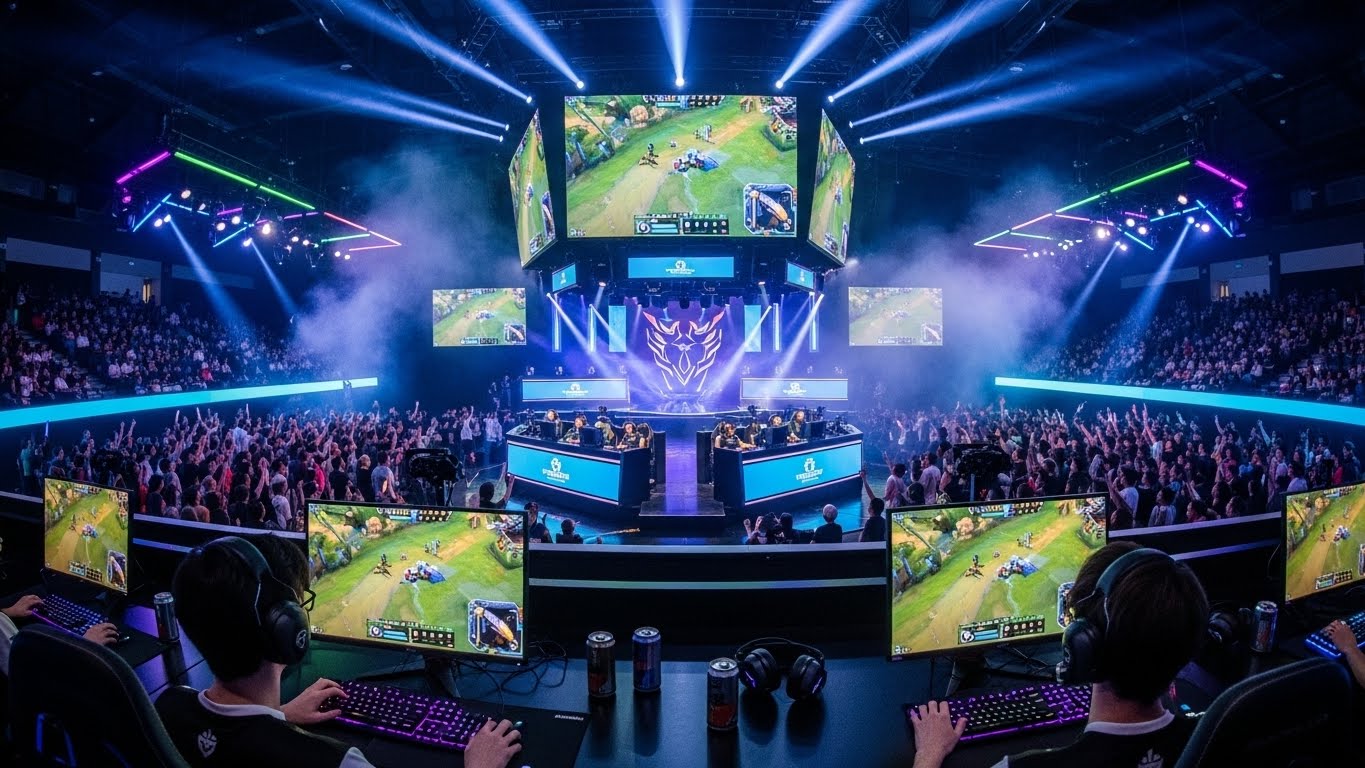
In the span of just a few decades, esports has transformed from a niche hobby into one of the most lucrative and dynamic industries in the world. What began as small tournaments between enthusiasts has grown into a multi-billion-dollar global industry with millions of players, fans, and sponsors. With its immense popularity, professional players, and high-stakes tournaments, esports has solidified itself as not only a significant aspect of the gaming world but as a major player in global entertainment. In this post, we will take a closer look at the rise of esports, how it has shaped the gaming landscape, and where it is headed in the future.
The Emergence of Esports: From Casual Gaming to Professional Competitions
Esports, short for electronic sports, refers to competitive gaming where individuals or teams compete against each other in video games. The term has evolved over the years to represent not just any form of competitive play but professional-level tournaments, leagues, and organizations with organized teams and high-paying sponsorships. But how did esports evolve into the giant it is today?
The roots of esports can be traced back to the 1970s and 1980s, with some of the earliest competitive gaming events taking place in the form of arcade tournaments. However, it wasn’t until the 1990s, with the rise of internet gaming, that the competitive aspect of gaming truly began to take shape. The first true esports tournament can be traced to 1997, when the Red Annihilation tournament for the game Quake attracted significant attention. This event marked the beginning of competitive gaming as a more formalized activity.
In the early 2000s, esports began to find its footing, especially with the rise of South Korea as a hub for professional gaming. The game StarCraft became a national obsession in South Korea, and the government began to embrace esports as a legitimate form of entertainment. Television networks began broadcasting esports tournaments, and professional players began to gain celebrity status. The Korean e-Sports Association (KeSPA), founded in 2000, was one of the first steps toward the formalization of esports as an industry.
By the mid-2000s, the growth of online gaming and streaming platforms began to take esports to new heights. Games like Warcraft III, Counter-Strike, and World of Warcraft attracted large online communities, and tournaments began to go global. As internet speeds improved and broadcasting technologies advanced, esports became more accessible to audiences beyond South Korea. This global expansion was accelerated by platforms like Twitch, which allowed viewers to watch live gameplay and tournaments, bringing esports to millions of people worldwide.
Esports Today: The Global Powerhouse
Esports has evolved into a massive industry, generating billions in revenue each year. What was once a small group of passionate gamers has now blossomed into a global phenomenon, with dedicated fan bases, major sponsorships, and professional leagues across the world. According to a 2021 report by Newzoo, the global esports industry is estimated to generate over $1 billion in revenue, with sponsorships, media rights, and advertising contributing the majority of the income. The industry’s rapid growth has also led to new job opportunities, ranging from professional players to coaches, analysts, broadcasters, and game developers.
One of the most significant milestones for esports has been the rise of major gaming tournaments and leagues. These events attract hundreds of thousands of viewers and offer multi-million-dollar prize pools. The League of Legends World Championship, for example, boasts some of the largest prize pools in esports, with the 2021 tournament offering over $2 million in prize money. In addition, the The International (TI) tournament for Dota 2 has consistently broken records for the largest esports prize pool, reaching over $40 million in 2021.
Tournaments like these are broadcast to millions of viewers on platforms such as Twitch and YouTube, and their popularity has led to esports becoming more mainstream. What was once considered a niche hobby is now recognized as a legitimate form of entertainment, with massive global viewerships comparable to those of traditional sports like the Super Bowl or the FIFA World Cup. In fact, some esports tournaments attract more viewers than mainstream sports events, particularly among younger demographics who are more likely to engage with digital forms of entertainment.
The increasing visibility of esports has also brought major brands into the fold. Companies like Coca-Cola, Intel, Nike, and Mercedes-Benz have all become sponsors of esports tournaments, and many traditional sports organizations, such as NBA teams, have invested in esports teams or leagues. This sponsorship influx has fueled the growth of esports and helped establish it as a major player in the global entertainment industry.
Popular Games in Esports: The Staples of Competitive Gaming
Esports encompasses a wide variety of games across different genres, each with its own competitive scene. Some of the most popular games in the esports world are:
1. League of Legends (LoL)
League of Legends, a multiplayer online battle arena (MOBA) game developed by Riot Games, is widely regarded as one of the biggest esports titles globally. With its fast-paced action, strategic depth, and large roster of champions, League of Legends has created a thriving competitive scene. The League of Legends World Championship draws millions of viewers each year, and its professional leagues, such as the League of Legends Championship Series (LCS) in North America and the League of Legends European Championship (LEC), have helped foster top-tier talent.
2. Counter-Strike: Global Offensive (CS: GO)
As one of the most iconic first-person shooter (FPS) games in esports, CS: GO has remained a staple of the competitive gaming landscape since its release in 2012. Known for its strategic depth, team coordination, and precise mechanics, CS: GO continues to attract top-tier teams and players. Major tournaments like ESL One and DreamHack feature huge prize pools, and the game’s competitive scene remains strong across both North America and Europe.
3. Dota 2
Dota 2, developed by Valve, is another MOBA game that has become a giant in esports. Known for its high skill ceiling and complexity, Dota 2 tournaments, particularly The International, offer some of the largest prize pools in esports. The International 2021 had a prize pool of over $40 million, making it one of the most lucrative events in gaming history. Dota 2 is renowned for its competitive, team-based play, with top-tier teams competing for dominance in the global scene.
4. Overwatch
Overwatch, developed by Blizzard Entertainment, introduced a unique blend of first-person shooter mechanics and team-based strategy. Its colorful cast of characters, each with their own abilities, made the game stand out in the competitive scene. The Overwatch League (OWL), a city-based franchise league, has further established Overwatch as a major esports title, with teams from all over the world competing in high-stakes matches.
5. Fortnite
Though it is more of a battle royale game, Fortnite has had an undeniable impact on the esports scene. With its fast-paced action and ever-changing in-game world, Fortnite has attracted millions of players worldwide. The Fortnite World Cup held in 2019 was one of the largest esports events ever, with a total prize pool of $30 million. The game’s integration of unique events and cross-platform play has helped it maintain its place in the competitive gaming scene.
Esports Organizations: Teams, Coaches, and Managers
Just like traditional sports, esports has its own professional organizations, teams, coaches, and managers. Top-tier esports organizations operate much like sports franchises, with teams that represent them in various competitive leagues and tournaments. These teams are often sponsored by major brands, and they have their own logos, jerseys, and fanbases.
Each team is typically made up of professional players who specialize in a particular game. These players are not only highly skilled but also have to undergo extensive training to maintain their competitive edge. Many organizations employ coaches and analysts who help develop strategies, review gameplay footage, and give players the tools they need to improve. Team managers also handle logistics, sponsorships, and the business side of operations, ensuring that players are well-supported both on and off the field.
The Future of Esports: Innovations and Opportunities
The future of esports looks incredibly promising. With technology continuing to advance and internet infrastructure improving globally, the reach of esports will only expand. Virtual reality (VR) and augmented reality (AR) are likely to play a significant role in the next evolution of competitive gaming. These technologies have the potential to offer immersive experiences that could transform both how players interact with the game and how spectators experience esports events.
Additionally, the global expansion of mobile gaming is opening up new opportunities for esports. With smartphones becoming more powerful and capable of running high-quality games, mobile esports is rapidly growing in popularity. Games like PUBG Mobile and Free Fire are already hosting international tournaments, and this trend is expected to continue as mobile gaming becomes more prevalent in developing regions.
Esports is also expected to become a more integrated part of education and youth culture. Many schools and universities now offer esports scholarships, and some even have dedicated esports teams that compete in intercollegiate leagues. This trend is likely to increase as esports continues to gain recognition as a legitimate career path.