In a world where digital technology is rapidly shaping every aspect of our lives, a new form of competition has emerged: Esports. What was once a niche community of gamers has grown into a multi-billion-dollar industry, transforming how we view and participate in sports. Esports, or competitive video gaming, has captured the hearts of millions around the world, with professional players, massive tournaments, and global fan bases. But what is driving this phenomenon? And how did it evolve from casual gaming to the powerhouse it is today? Let’s dive into the world of Esports and explore how it’s revolutionizing competitive sports.
The Rise of Esports: From Hobby to Global Industry
Esports has come a long way from its humble beginnings. The term “Esports” was first coined to describe competitive video gaming, but its origins stretch back to the early 90s. In the beginning, small tournaments were organized by game developers or local communities, and players competed mostly for bragging rights. However, as gaming technology advanced and the internet grew in accessibility, competitive gaming started to attract larger audiences. Titles like StarCraft, Warcraft III, and Counter-Strike became early staples of the esports scene, laying the foundation for the massive tournaments we see today.
As gaming became more mainstream, so did Esports. The early 2000s saw the establishment of professional leagues and competitions, including the creation of large-scale events like the World Cyber Games and ESL tournaments. This shift from casual competitions to organized, professional tournaments attracted sponsorships, media attention, and, most importantly, players who wanted to make a career out of gaming.
Why Esports is Gaining Mass Appeal
One of the most significant factors contributing to Esports’ rise is accessibility. Unlike traditional sports, Esports requires minimal physical requirements and is relatively inexpensive to participate in. All you need is a gaming setup and an internet connection, which makes it possible for people across the globe to compete. This has made Esports more inclusive and diverse, with players from all walks of life participating in competitive gaming.
Another key factor is the digital platforms that have made Esports viewing easy and convenient. Streaming services such as Twitch, YouTube Gaming, and Facebook Gaming allow fans to watch live tournaments, interact with players, and engage with the community in real-time. The growing popularity of these platforms has led to Esports becoming a primary source of entertainment for millions, rivaling traditional sports in viewership and excitement.
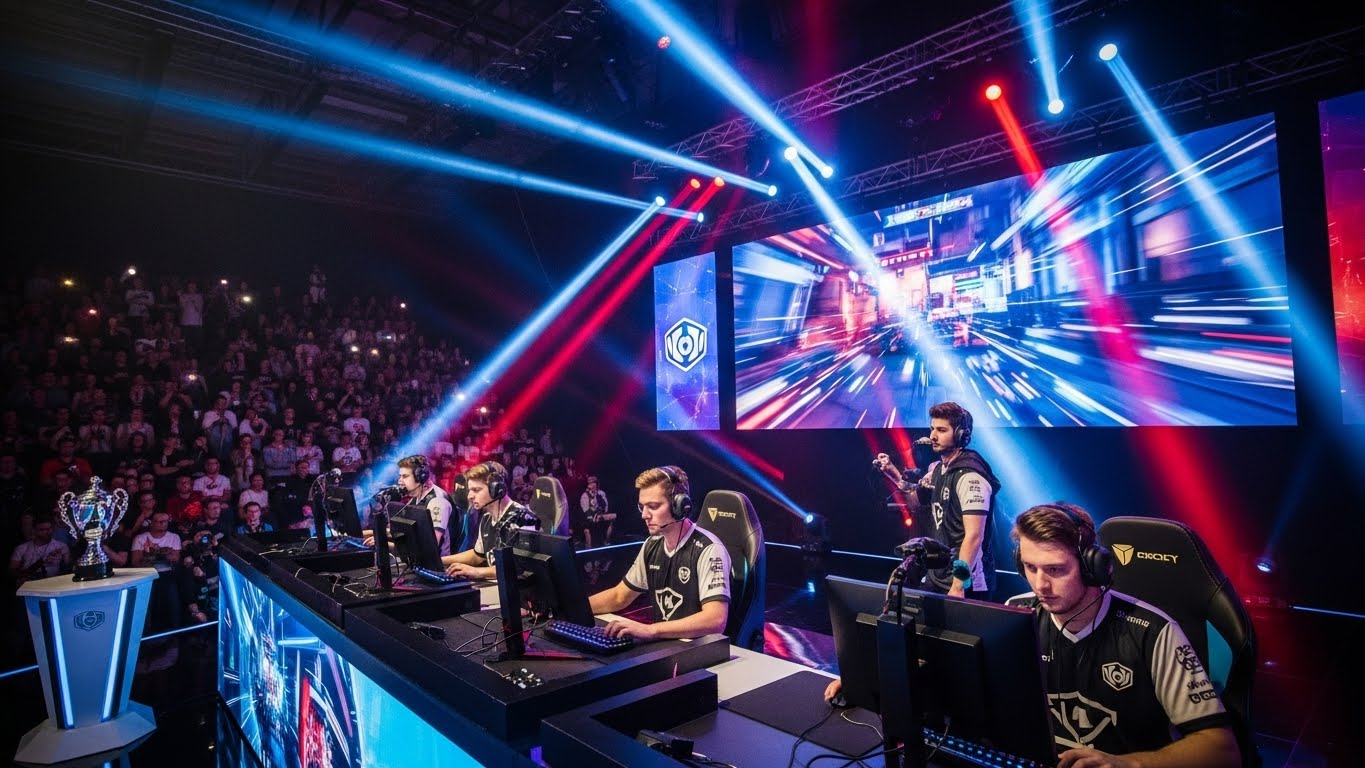
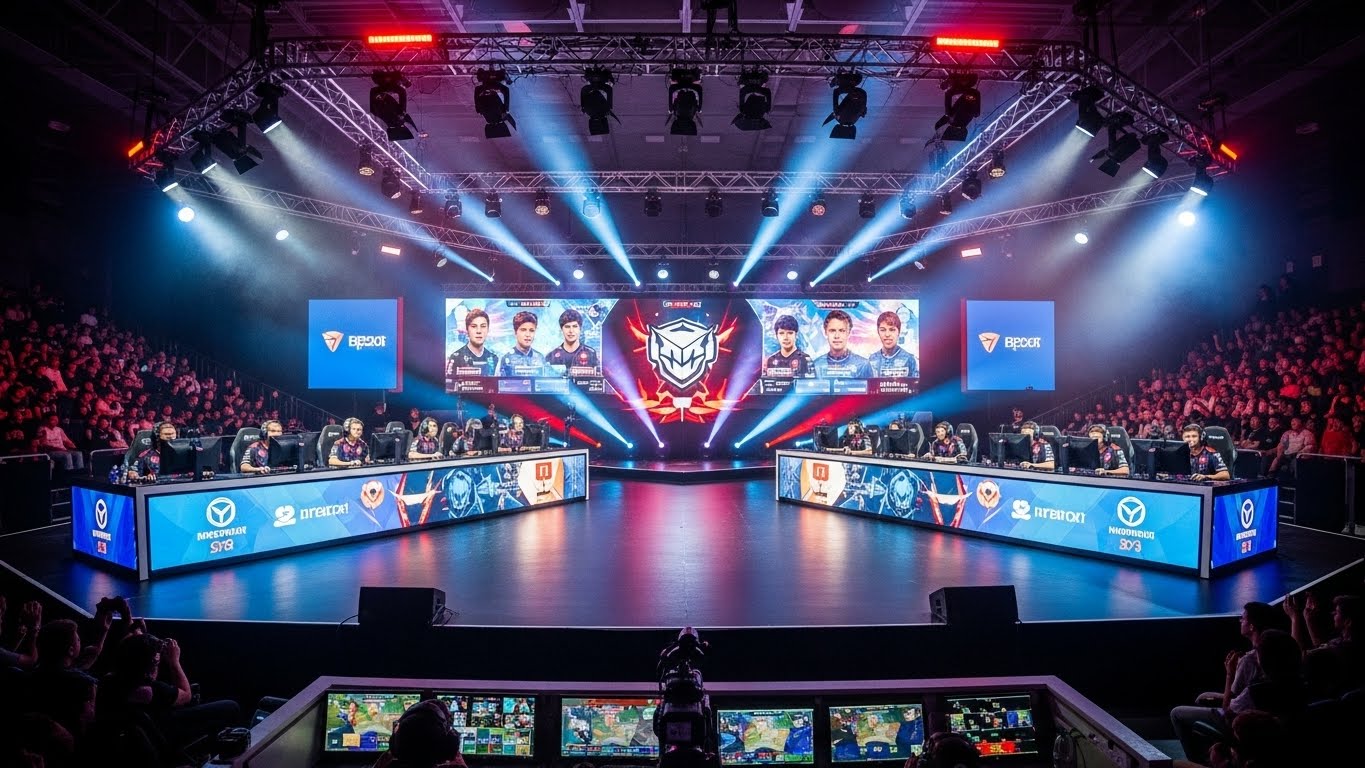
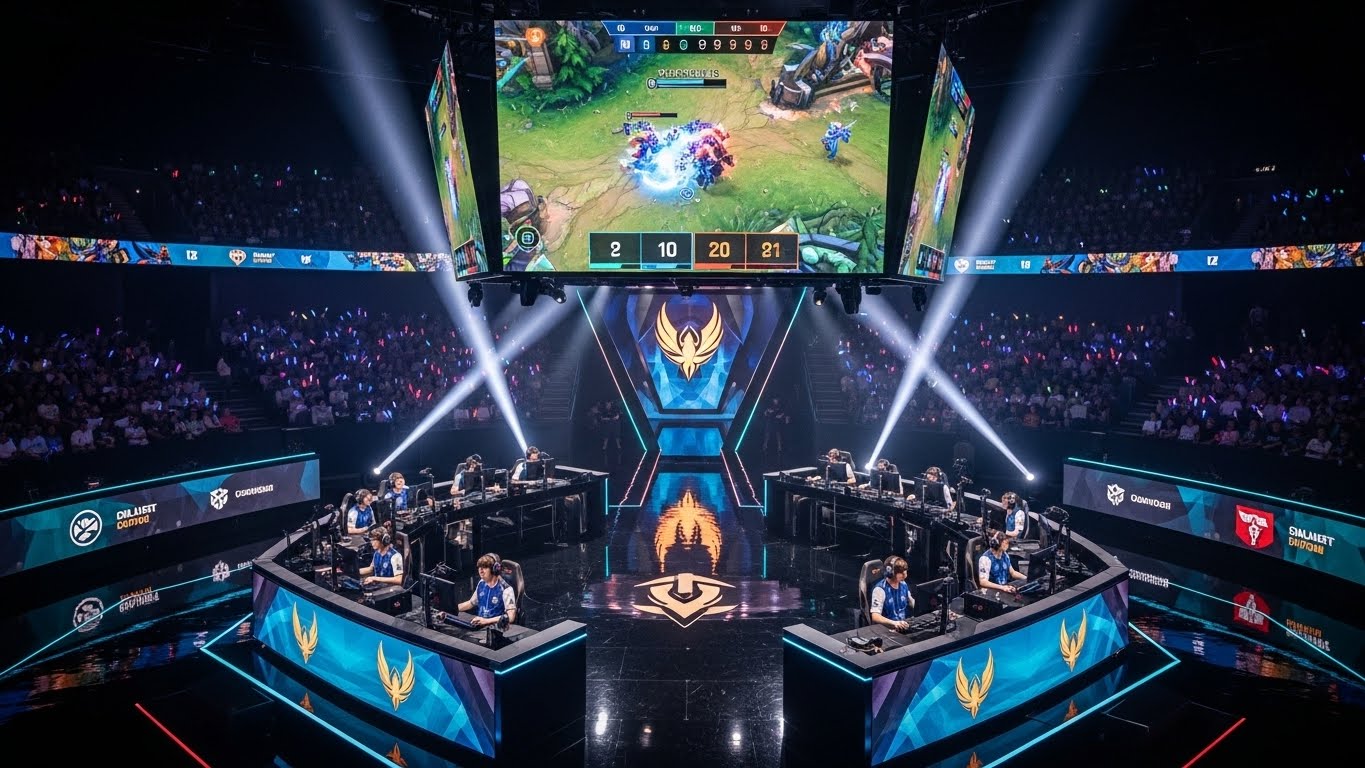
Moreover, Esports has successfully blended entertainment and competition, making it appealing to a broad audience. From the elaborate stage productions and live commentary to the intense competition and high stakes, Esports events mirror the spectacle of traditional sports, offering fans an immersive experience like no other.
Esports as a Career: Professional Gaming
One of the most remarkable aspects of the growth of Esports is its transformation into a legitimate career for thousands of players worldwide. Professional gamers now earn salaries, sponsorships, and prize money that rival the income of traditional athletes. Top players often spend hours each day practicing their skills, studying strategies, and participating in scrims (practice matches) to stay at the top of their game.
Esports teams, similar to traditional sports teams, have coaches, analysts, and support staff. These teams often compete in a variety of games, including popular titles like League of Legends, Dota 2, Counter-Strike: Global Offensive, Fortnite, and Overwatch. As the industry has expanded, so too have the opportunities within it. Now, people can work as content creators, casters, analysts, marketers, and event organizers—all of whom play integral roles in making Esports an unforgettable experience.
The Spectacle of Esports: From Tournaments to Global Events
One of the biggest draws of Esports is the spectacle of its major tournaments. Events like The International (Dota 2’s world championship), League of Legends Worlds, and Fortnite World Cup attract millions of viewers, both online and in-person. The prize pools for these tournaments can reach tens of millions of dollars, and the level of competition is intense.
Esports tournaments are often broadcast live in high-definition with professional commentary, just like traditional sports events. These broadcasts provide not only live gameplay but also behind-the-scenes insights, player interviews, and expert analysis. The result is a captivating viewing experience that attracts fans from all corners of the globe.
In addition to the tournaments, Esports is rapidly moving into mainstream media. Major networks like ESPN and TBS have aired Esports events, while global brands like Coca-Cola, Nike, and Intel have become sponsors of leading teams and tournaments. The rise of Esports has firmly placed it in the realm of mainstream entertainment, bridging the gap between gaming and traditional sports.
The Impact of Esports on Traditional Sports
Esports’ explosive rise is making waves even in traditional sports. Teams from the NBA, NFL, and other major leagues are investing in Esports, either by sponsoring teams or by creating their own Esports leagues. For instance, the NBA has launched the NBA 2K League, where players compete in the video game NBA 2K. This cross-over between digital and physical sports further validates Esports as a legitimate, professional industry.
Furthermore, Esports has also introduced traditional sports to younger, tech-savvy audiences who may not have been interested in watching conventional sports. Through digital platforms, Esports has expanded the reach of both gaming and sports, allowing fans of one to explore the other.
Challenges and Controversies in Esports
Despite its success, Esports faces challenges that need to be addressed for the industry to thrive in the long run. One of the most pressing issues is player burnout. Professional gamers often work under intense pressure and have grueling schedules that can take a toll on their physical and mental well-being. Organizations are increasingly recognizing the need for player health programs and support systems to help mitigate these issues.
Another challenge is the issue of cheating and match-fixing. As Esports becomes more lucrative, some players and teams resort to unfair tactics to secure wins. This has led to calls for stricter regulation and oversight to ensure that competition remains fair and transparent.
Lastly, Esports must work to maintain inclusivity and diversity. While the industry has made strides in attracting players from all backgrounds, there is still work to be done to ensure that people of different genders, races, and ethnicities feel equally represented and supported in the community.
The Future of Esports
The future of Esports is incredibly bright. As technology continues to evolve, we can expect even more immersive and interactive experiences for players and fans alike. Virtual reality (VR) and augmented reality (AR) could revolutionize the way Esports events are played and viewed, offering a whole new level of engagement.
Esports is also expected to expand its reach into more regions around the world, especially as internet access improves in developing countries. This globalization of Esports will continue to foster new talent, new fans, and new business opportunities, making it an even more significant player in the global entertainment market.
Furthermore, as more mainstream brands and investors get involved, the financial backing for Esports will grow, leading to larger prize pools, better training facilities for players, and more expansive leagues and tournaments. We’re just beginning to see how Esports will reshape the entertainment landscape, and the best is yet to come.
Conclusion: The Future of Competitive Gaming
Esports has evolved from a niche activity to a worldwide phenomenon. With its captivating competition, professional opportunities, and global community, Esports is poised to continue its rise as a major form of entertainment. As it expands into mainstream culture and further integrates with traditional sports, Esports offers a glimpse into the future of competition, where digital skills and traditional athleticism coexist. Whether you’re a player, a fan, or simply an observer, Esports has proven that competitive gaming is here to stay—and it’s only going to get bigger from here.