Esports, or competitive video gaming, has transformed from a niche hobby into a global phenomenon. Once considered a pastime for enthusiasts, it now commands stadiums full of spectators, millions of online viewers, and professional players earning substantial incomes. Esports represents more than just gaming; it is a cultural, economic, and technological movement that is reshaping how people perceive competition, entertainment, and community in the digital age. This blog explores the rise of esports, its global impact, challenges, and the opportunities it presents for the future.
The Origins of Esports
Esports has a surprisingly long history. Competitive gaming can be traced back to arcade tournaments in the 1970s and early 1980s, where players would compete in games such as Pong and Space Invaders. The 1990s saw the emergence of competitive PC gaming with titles like StarCraft, Quake, and Counter-Strike, which laid the groundwork for organized leagues and online tournaments. During this era, internet connectivity began connecting players from different regions, allowing the growth of competitive gaming communities.
The real expansion of esports came with the 2000s and the rise of multiplayer online battle arena games and first-person shooters. Platforms such as online forums and streaming services facilitated global competitions, and tournaments began offering cash prizes. The combination of technology, accessibility, and community engagement transformed esports from informal contests into a serious, competitive pursuit.
What Defines Esports
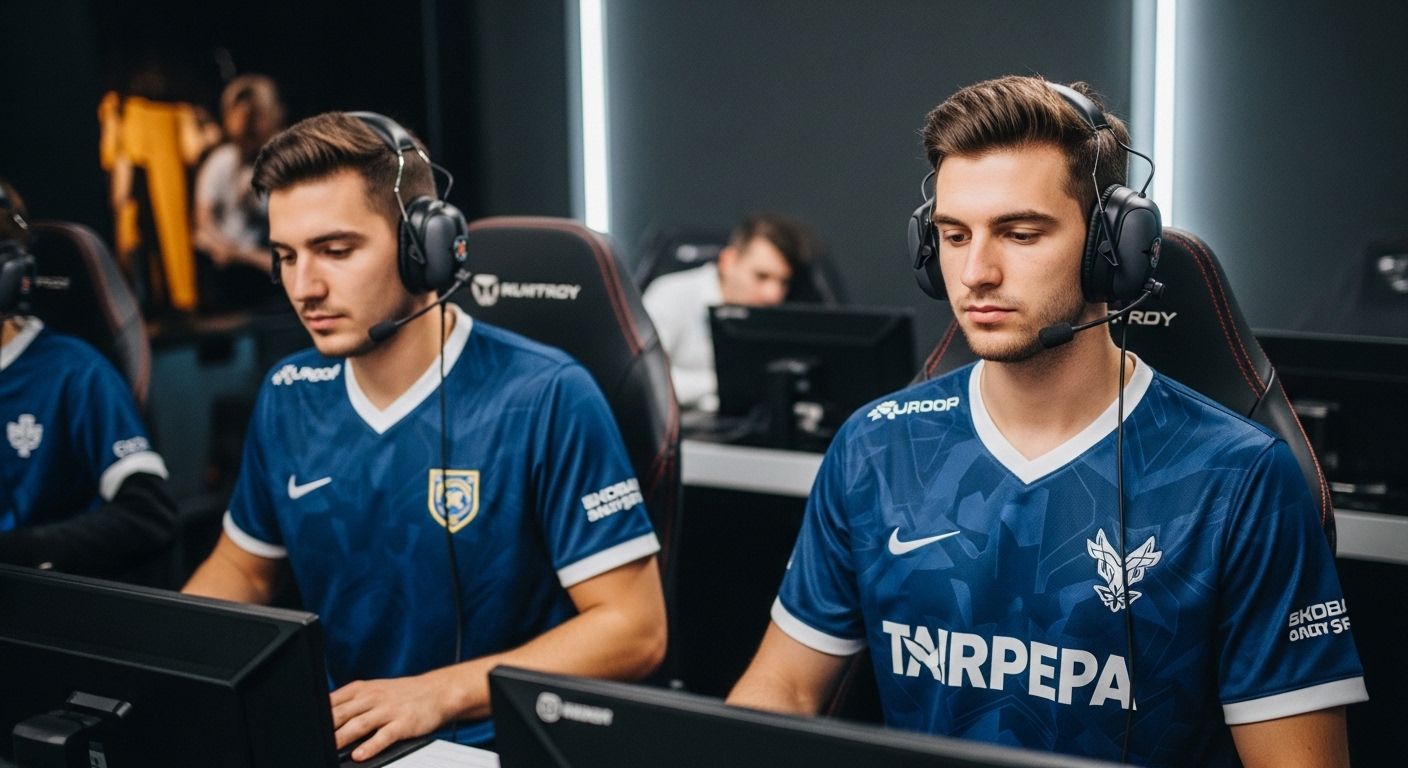
Esports is more than simply playing video games; it is organized, competitive gaming at a professional level. Players dedicate hours daily to practice, strategize, and improve performance. Success in esports requires a combination of quick reflexes, tactical thinking, teamwork, and mental resilience. Teams are formed with specialized roles, each player contributing to the overall strategy and performance.
Professional esports also involves a structured ecosystem with coaching staff, analysts, nutritionists, and psychologists. Much like traditional sports, the preparation, planning, and discipline of esports players are crucial to achieving success at the highest level.
Popular Esports Genres
Esports encompasses a wide range of game genres, each appealing to different types of players and audiences. Multiplayer online battle arena games, such as League of Legends and Dota 2, emphasize teamwork, strategy, and map control. First-person shooters, like Counter-Strike and Call of Duty, require precision, reflexes, and tactical positioning. Real-time strategy games focus on planning, resource management, and adaptability, while battle royale games like Fortnite combine survival, speed, and skill.
Each genre attracts its own fanbase and competitive community. The diversity of esports ensures a constant flow of innovation, fresh challenges, and dynamic competitions, keeping the industry engaging for both players and spectators.
The Global Audience of Esports
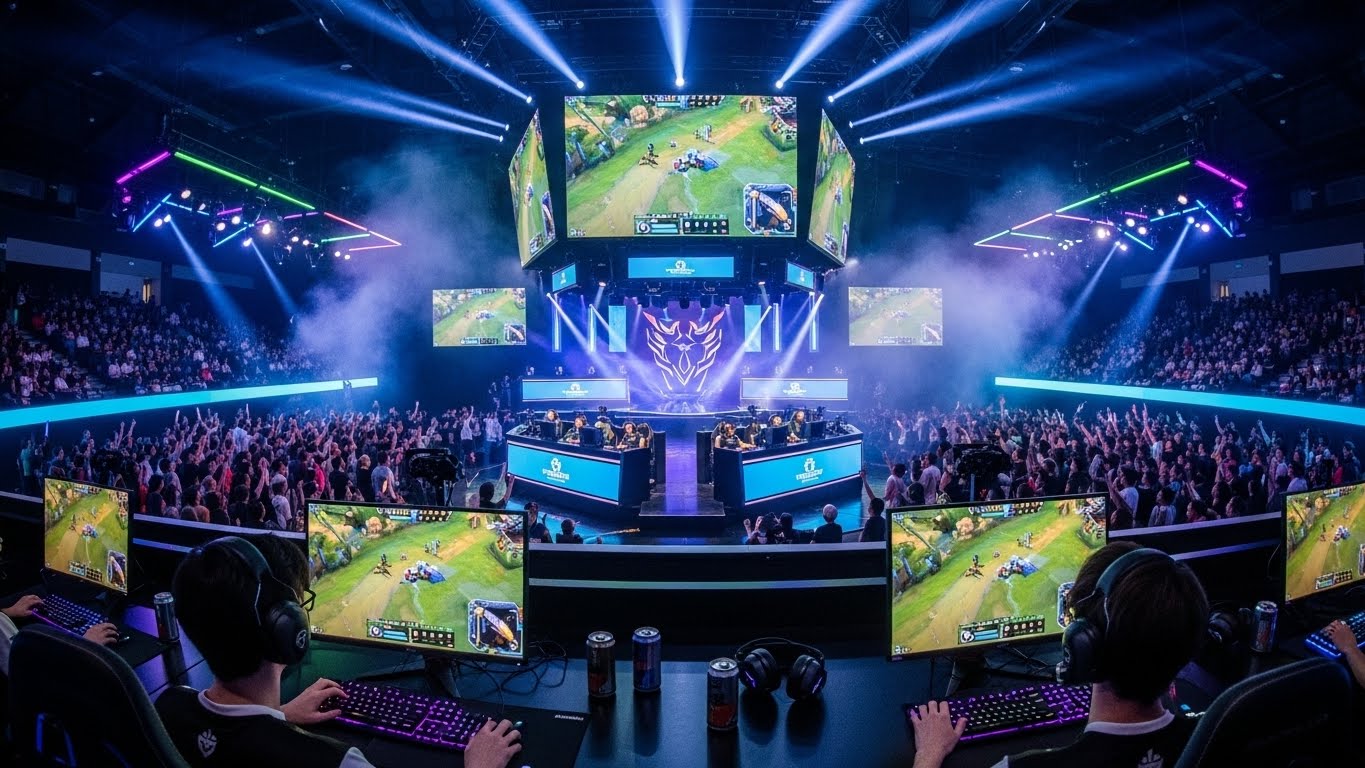
Esports has developed a massive global audience. Millions of fans watch live tournaments online or in arenas, engage with players through social media, and participate in fan communities. Streaming platforms allow spectators to experience competitions in real time, while chat features and forums create interactive experiences that foster community and engagement.
Major events, such as the League of Legends World Championship and Dota 2’s The International, draw viewership numbers comparable to traditional sports. Fans follow players’ careers, analyze strategies, and celebrate victories, creating a passionate and dedicated global audience that contributes to the growth and legitimacy of esports.
Esports as a Career
One of the most remarkable aspects of esports is its emergence as a professional career path. Top-tier players earn salaries, prize money, and sponsorship deals. Beyond players, careers exist in team management, coaching, broadcasting, content creation, marketing, event organization, and game development.
The professionalization of esports mirrors traditional sports, with structured training programs, performance reviews, and holistic support systems. Players dedicate countless hours to mastering their craft, while teams invest in analytics and mental coaching to maintain competitive advantages. For aspiring professionals, esports offers an avenue to turn passion into a livelihood.
Technology’s Role in Esports
Technology is the backbone of esports. High-performance computers, gaming consoles, peripherals, and fast internet connections are crucial for competitive play. Innovations in streaming technology allow millions of viewers to watch competitions in high definition and interact in real time.
Data analytics also plays a significant role. Teams study opponents’ gameplay, track performance metrics, and optimize strategies using software and artificial intelligence. Training simulations and advanced tools allow players to refine skills and adapt quickly to different situations. Technology ensures that esports is not only competitive but also highly strategic and professional.
Health and Wellbeing in Esports
While esports offers numerous benefits, it also presents physical and mental challenges. Long hours of gameplay can lead to eye strain, repetitive stress injuries, and posture-related issues. Competitive pressure can result in stress, anxiety, and burnout, particularly for professional players under constant scrutiny.
To combat these risks, esports organizations prioritize player health and wellbeing. Structured practice schedules, regular breaks, physical exercise routines, and mental health support are now integral parts of professional training. Maintaining a balanced lifestyle ensures long-term performance, career longevity, and overall health.
Youth Engagement and Education
Esports has become a significant part of youth culture, providing opportunities for skill development, teamwork, and social interaction. Young players learn problem-solving, strategy, communication, and leadership through competitive gaming. These skills extend to academics and future career paths, proving the value of esports beyond entertainment.
Educational institutions have begun embracing esports programs, providing scholarships and organized leagues for students. These programs promote discipline, collaboration, and strategic thinking, while helping students balance competitive gaming with other responsibilities.
Diversity and Inclusion in Esports
Esports has the potential to be more inclusive than traditional sports. Success relies on skill, strategy, and mental acuity rather than physical characteristics. This inclusivity allows individuals of different genders, abilities, and backgrounds to compete at high levels.
Efforts to increase diversity in esports are ongoing. Organizations host inclusive tournaments, mentorship programs, and campaigns that promote equal opportunities. By creating a welcoming and supportive environment, esports fosters global participation and challenges traditional stereotypes of competition.
Challenges Facing Esports
Despite rapid growth, esports faces several challenges. Inconsistent regulations, cheating, match-fixing, and online harassment threaten the integrity of competitions. Financial stability is another concern, as organizations rely heavily on sponsorships, streaming revenue, and fan engagement.
Addressing these challenges requires cooperation among players, teams, organizers, and game developers. Establishing ethical standards, promoting fair play, and creating safe environments are essential for maintaining credibility and ensuring sustainable growth.
The Future of Esports
The future of esports is full of potential. Emerging technologies, including virtual reality, augmented reality, and cloud-based gaming, are expected to redefine competition and viewer experience. New game genres and formats will attract fresh audiences and provide innovative challenges for players.
Esports is increasingly recognized as a legitimate cultural and professional pursuit. Governments, educational institutions, and media outlets are acknowledging its impact, and collaborations with traditional sports continue to expand its reach. The integration of esports into mainstream culture ensures that it will remain a vibrant and influential industry for years to come.
Conclusion: Esports as a Cultural Phenomenon
Esports has grown into a global cultural and professional force, redefining what it means to compete, connect, and entertain in the digital era. It offers career opportunities, personal development, and a platform for social engagement. Through technology, strategy, and community, esports has proven that competition is not limited to physical arenas—it thrives in the virtual world as well.
As esports continues to evolve, it will shape the future of entertainment, education, and professional sports. The industry’s rise demonstrates that skill, teamwork, and dedication are universal values, whether on a physical field or a digital battlefield. Esports is more than just gaming; it is a movement that represents the possibilities of competition in the modern age.