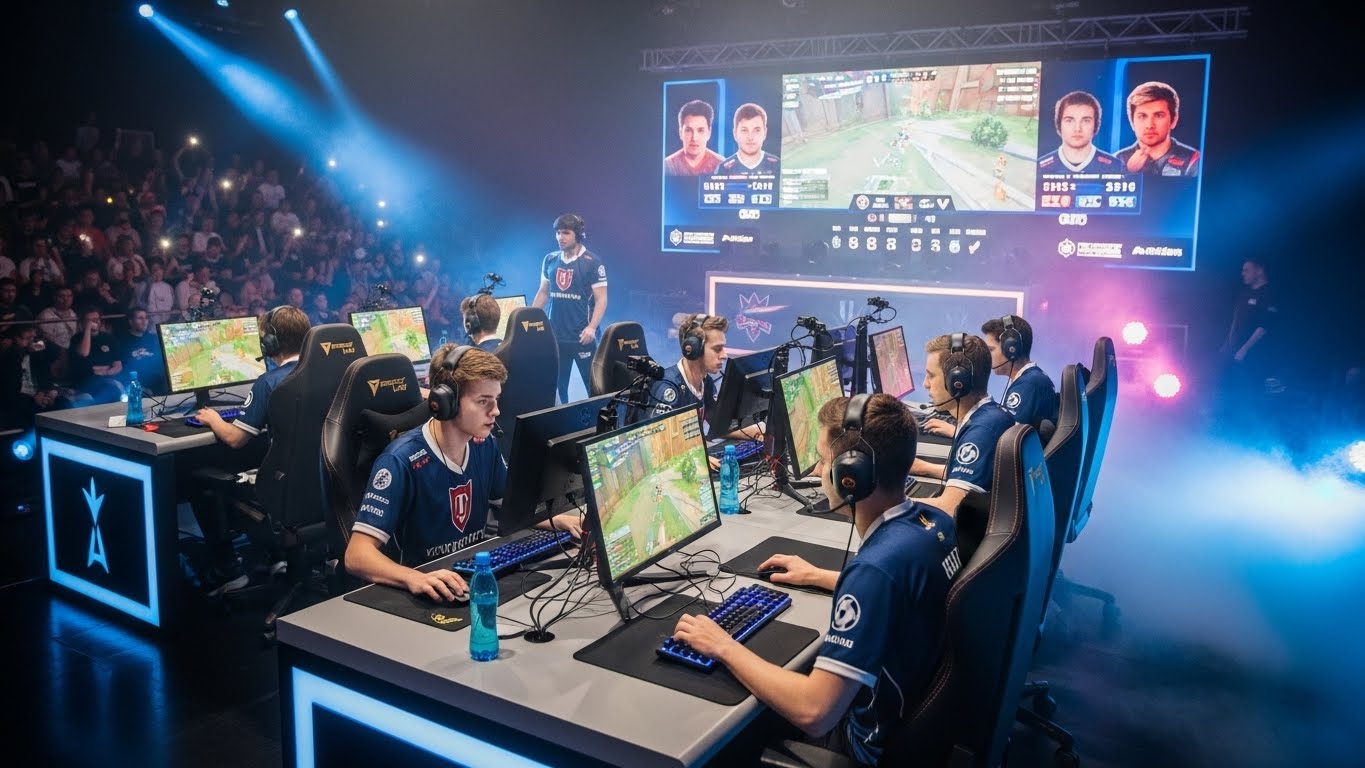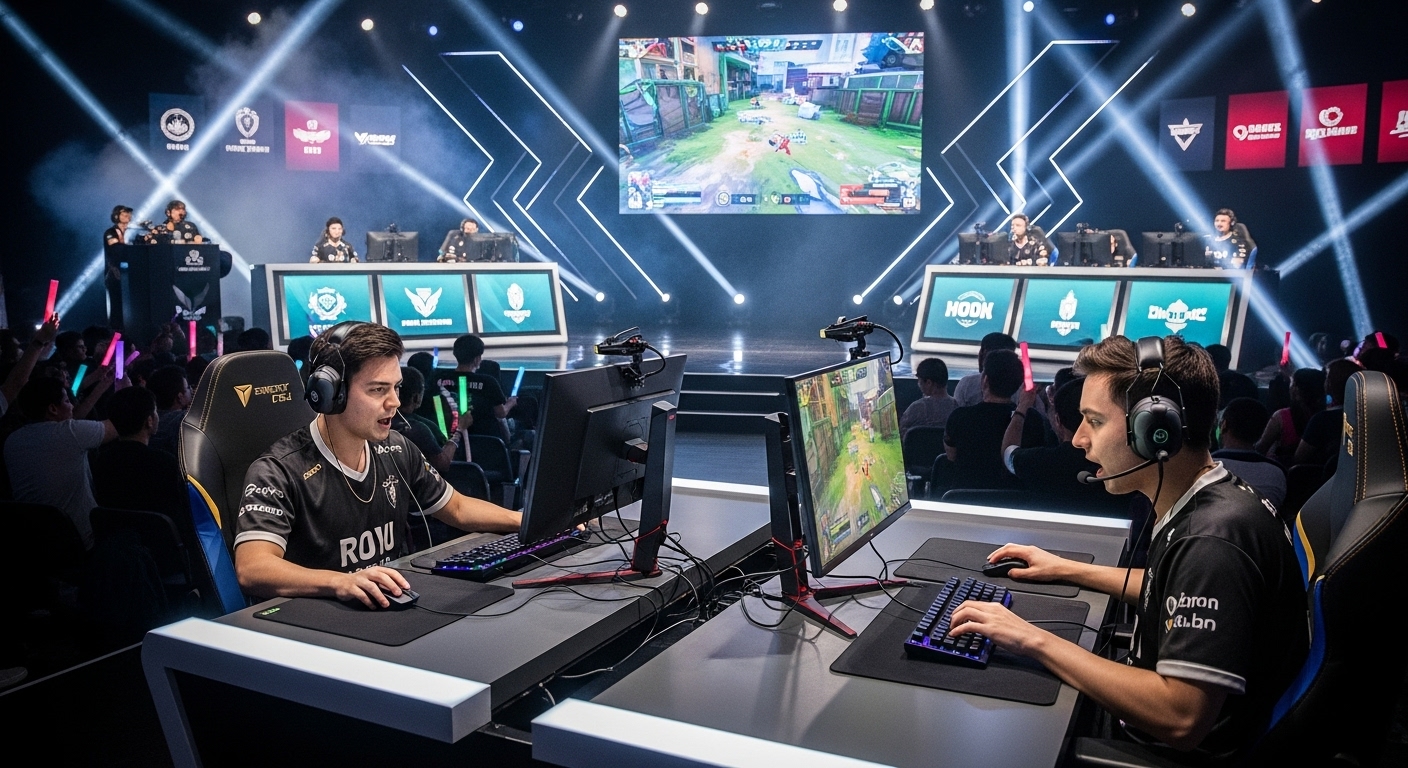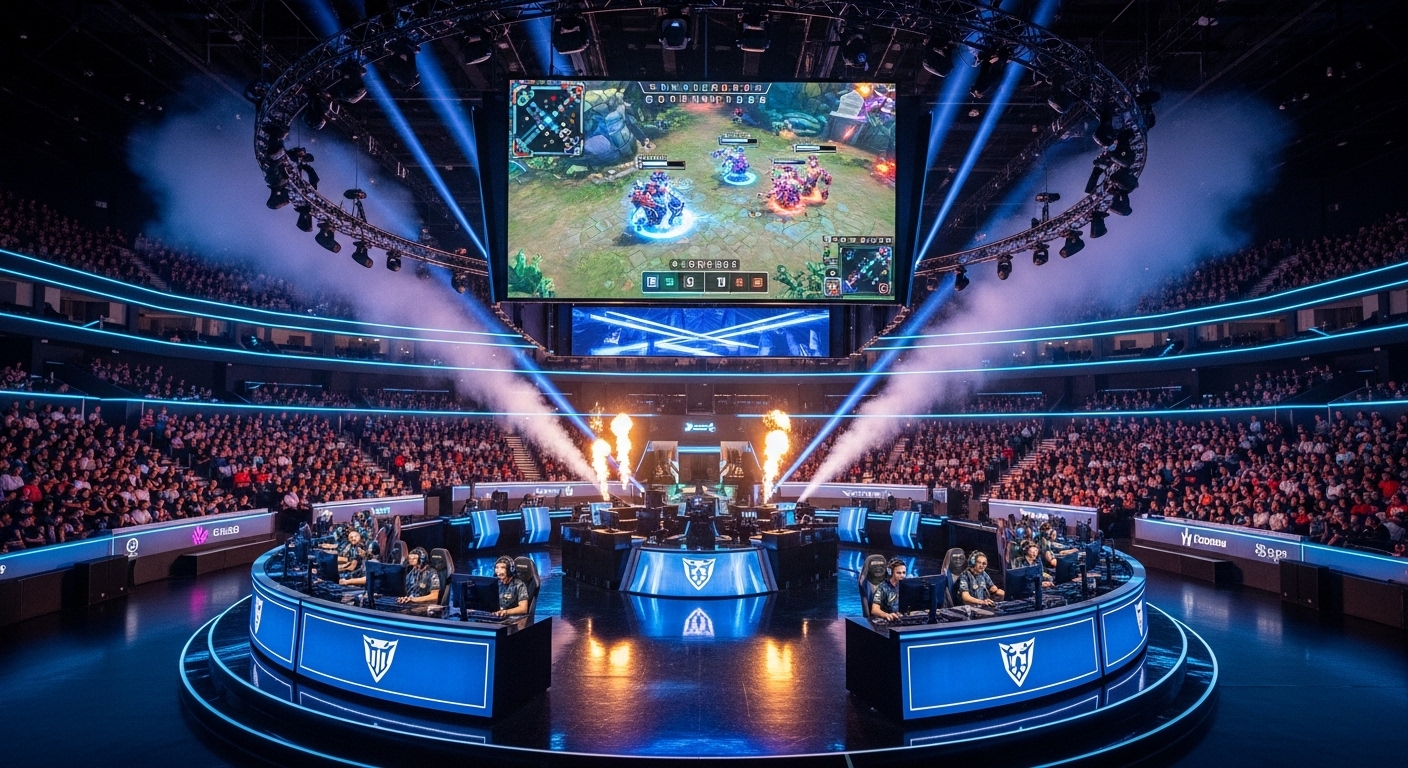
Over the past few decades, the world of sports has experienced a seismic shift. While traditional physical sports like soccer, basketball, and football have long been the cornerstone of entertainment for millions, a new form of competition has emerged on a global scale—esports. Competitive gaming, once a niche hobby for a select few, has now become a major player in the entertainment industry. With millions of fans, players, and investors flocking to the scene, esports is quickly reshaping the way we think about competition, sports, and entertainment in the digital age. This blog will explore the rise of esports, its impact on culture, and why it has become one of the most significant developments in modern sports.
What is Esports?
At its core, esports refers to competitive video gaming, where individuals or teams compete against each other in various video games for prizes, glory, and sponsorships. While anyone can play video games casually, esports involves a much higher level of skill, strategy, and dedication. Professional esports players train extensively, practicing for hours each day to perfect their skills, refine their strategies, and compete at the highest level.
Esports spans a wide variety of games, ranging from strategy games such as League of Legends and Dota 2, to first-person shooters like Counter-Strike: Global Offensive and Call of Duty, and battle royale games like Fortnite. As gaming technology continues to advance, esports has expanded into mobile games, virtual reality (VR) competitions, and beyond. Tournaments for these games are broadcast live and attract millions of viewers, many of whom watch the action from streaming platforms like Twitch and YouTube Gaming.
Esports is more than just about gaming; it’s about skill, competition, and entertainment. Much like traditional sports, it requires a unique blend of individual talent, teamwork, and strategy. In fact, the parallels between esports and traditional sports are growing stronger every day, with professional teams, coaches, analysts, and commentators now a standard part of the industry.
The Early Days of Esports
While today’s esports scene is a multi-billion-dollar industry, its origins trace back to the 1970s when early competitive gaming began to emerge. One of the first known competitive video game events was a Spacewar! tournament held at Stanford University in 1972. Though small in scale, it set the groundwork for what would become a thriving competitive community.
In the 1990s, the rise of real-time strategy games (RTS) like WarCraft and StarCraft helped establish competitive gaming as a serious pursuit. In South Korea, StarCraft became a cultural phenomenon, with professional gaming leagues, such as the Korean Pro-Gaming League, forming around the game. These leagues set the stage for competitive gaming to grow beyond local LAN parties and small tournaments into a global industry.
The early 2000s saw the rise of Major League Gaming (MLG), one of the first organized esports leagues in North America. MLG hosted large-scale tournaments for games like Halo and Call of Duty, bringing competitive gaming to the mainstream. As the popularity of online multiplayer games grew, esports began to attract more serious players, sponsors, and fans.
The Explosion of Esports in the 2010s
The 2010s marked the true rise of esports as a global phenomenon. The explosion of games like League of Legends, Dota 2, and Counter-Strike: Global Offensive brought esports into the mainstream. These games offered not only exciting gameplay but also the potential for high-level competition and massive tournaments with huge prize pools.
One of the most significant turning points came in 2011 when The International, a Dota 2 tournament, offered a prize pool of over $1 million—an unprecedented amount at the time. The tournament’s success highlighted the growing potential of esports, leading to an influx of investment from sponsors and investors looking to capitalize on the booming industry. The prize pool for The International has only grown since then, reaching over $40 million in recent years.
As the scale of tournaments grew, so did their viewership. Major esports events began to attract millions of viewers, with global audiences tuning in to watch the best players compete for massive prizes. League of Legends, in particular, saw its World Championship draw over 100 million viewers in 2019—putting it on par with some of the most-watched sports events globally.
Platforms like Twitch and YouTube Gaming played a crucial role in the growth of esports. These streaming platforms allowed fans to watch live broadcasts of tournaments, interact with players, and even follow the day-to-day lives of professional gamers. As the number of esports fans grew, so did the revenue potential for tournaments, sponsors, and streaming platforms alike.
Esports as a Global Industry
What makes esports truly unique is its global nature. Unlike traditional sports, which are often confined to specific regions or countries, esports transcends borders and brings together fans from all over the world. Games like League of Legends, Fortnite, and PUBG have millions of players and fans across the globe, with esports tournaments being held in countries as diverse as South Korea, the United States, China, and Brazil.
The international appeal of esports has also led to the creation of global leagues and tournaments. One of the most significant of these is the Overwatch League (OWL), which has teams from cities around the world, including Los Angeles, London, and Seoul. In addition to regional competitions, the league features global championships that bring together the best players from all corners of the globe.
As esports becomes more globally recognized, it is attracting interest from traditional sports organizations as well. For example, the NBA has launched its own esports league, the NBA 2K League, while football clubs such as Paris Saint-Germain and Manchester City have invested in esports teams. These partnerships represent a broader trend of traditional sports entities recognizing the growing influence of esports and looking for ways to integrate it into their ecosystems.
Esports and the Economy
The financial impact of esports cannot be overstated. What was once a hobby or underground passion has now blossomed into a billion-dollar industry. The economic landscape of esports is driven by several key factors: sponsorships, advertising, media rights, merchandise sales, and ticket sales for live events.
Sponsorship deals are a major revenue stream for esports organizations and tournaments. Just as traditional sports teams are sponsored by major brands, esports teams and events are backed by global companies such as Coca-Cola, Intel, Razer, and Red Bull. These companies are keen to tap into the highly engaged esports audience, which is predominantly made up of young, tech-savvy individuals. These sponsorship deals not only provide financial backing but also help promote the brands to millions of fans worldwide.
Broadcasting deals are another significant revenue source. Platforms like Twitch, YouTube Gaming, and Facebook Gaming have become essential in delivering esports content to global audiences. These platforms generate revenue through advertising, subscriptions, and exclusive content deals. As viewership of esports events continues to grow, streaming platforms are paying millions for the broadcasting rights to some of the most-watched tournaments in the world.
Esports merchandise, including team jerseys, apparel, and accessories, also contributes to the overall revenue of the industry. Fans who want to support their favorite teams often purchase official merchandise, contributing to the growing retail market surrounding esports.
Esports and Its Cultural Impact
Beyond its financial success, esports has had a profound impact on popular culture. It has redefined the concept of “athleticism,” as professional gamers are now viewed as elite athletes in their own right. The rise of esports has also paved the way for a new form of fandom. Just like traditional sports fans, esports fans are passionate, vocal, and loyal to their teams and players. Esports tournaments are often filled with fans who cheer for their favorite teams and players, creating a vibrant, energetic atmosphere.
The growing popularity of esports has also led to increased recognition of gaming as a legitimate form of entertainment. For many, esports represents the future of competitive sports, where skill, strategy, and technology converge. The increasing integration of esports into mainstream media—through television broadcasts, social media platforms, and even documentaries—has helped elevate the status of competitive gaming in the eyes of the general public.
The Future of Esports
As esports continues to grow, the future looks incredibly promising. The industry is expected to generate even more revenue in the coming years, thanks to increasing investment, growing fan engagement, and technological advancements. New formats for tournaments and competitions, such as virtual reality (VR) and augmented reality (AR) events, are also expected to revolutionize the way fans experience esports.
There is also a growing movement to integrate esports into traditional sports events. The possibility of esports being included in the Olympic Games has been a topic of discussion for some time. While esports is not yet an official Olympic sport, there is widespread interest in its inclusion, particularly as younger audiences continue to embrace gaming culture.
Conclusion
Esports has come a long way from its humble beginnings as a niche hobby for gamers. Today, it is a multi-billion-dollar global industry that has captivated millions of fans around the world. As technology continues to evolve and the industry grows, esports is poised to become an even more integral part of our digital and entertainment landscape. With its combination of skill, strategy, and entertainment value, esports represents a new era of competition—one that is redefining the world of sports and entertainment for the next generation.