Introduction: Esports Enters the Mainstream
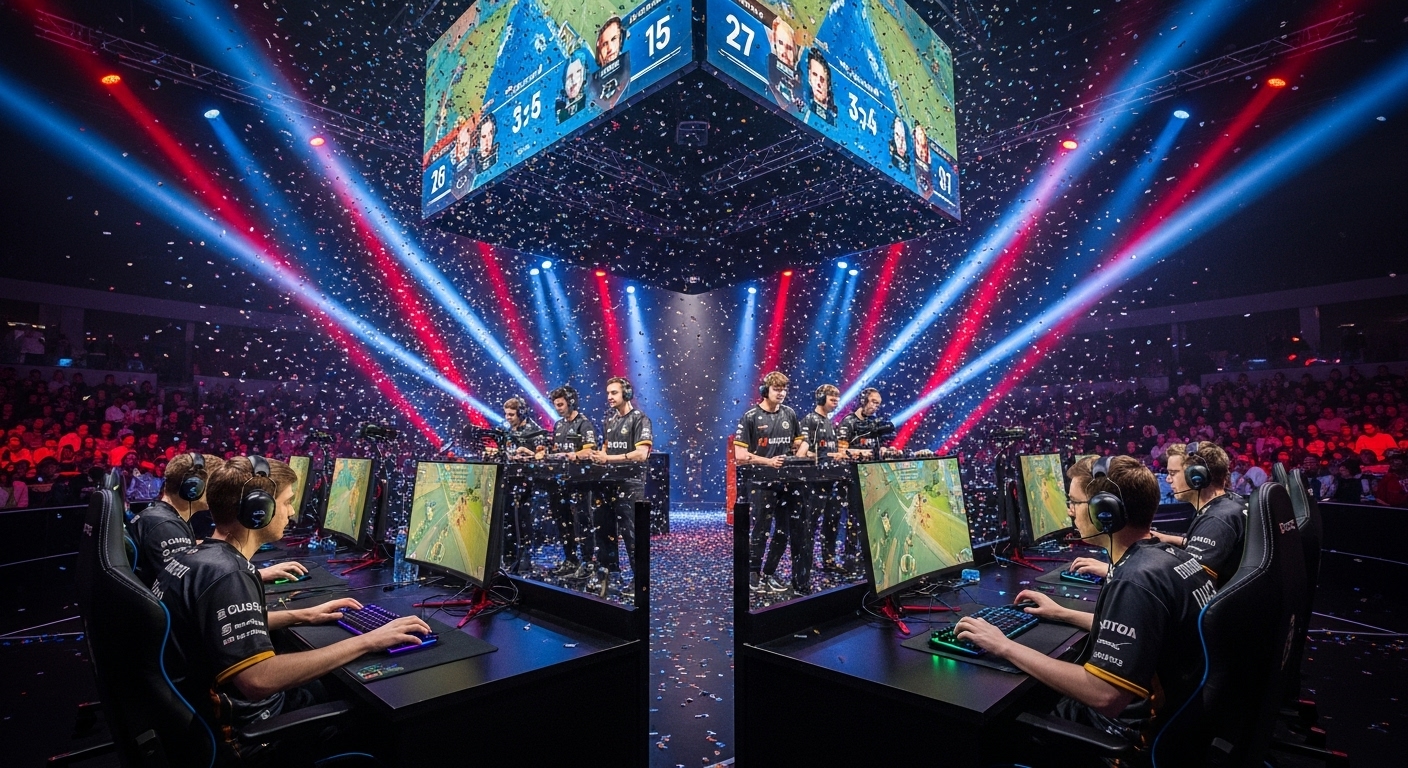
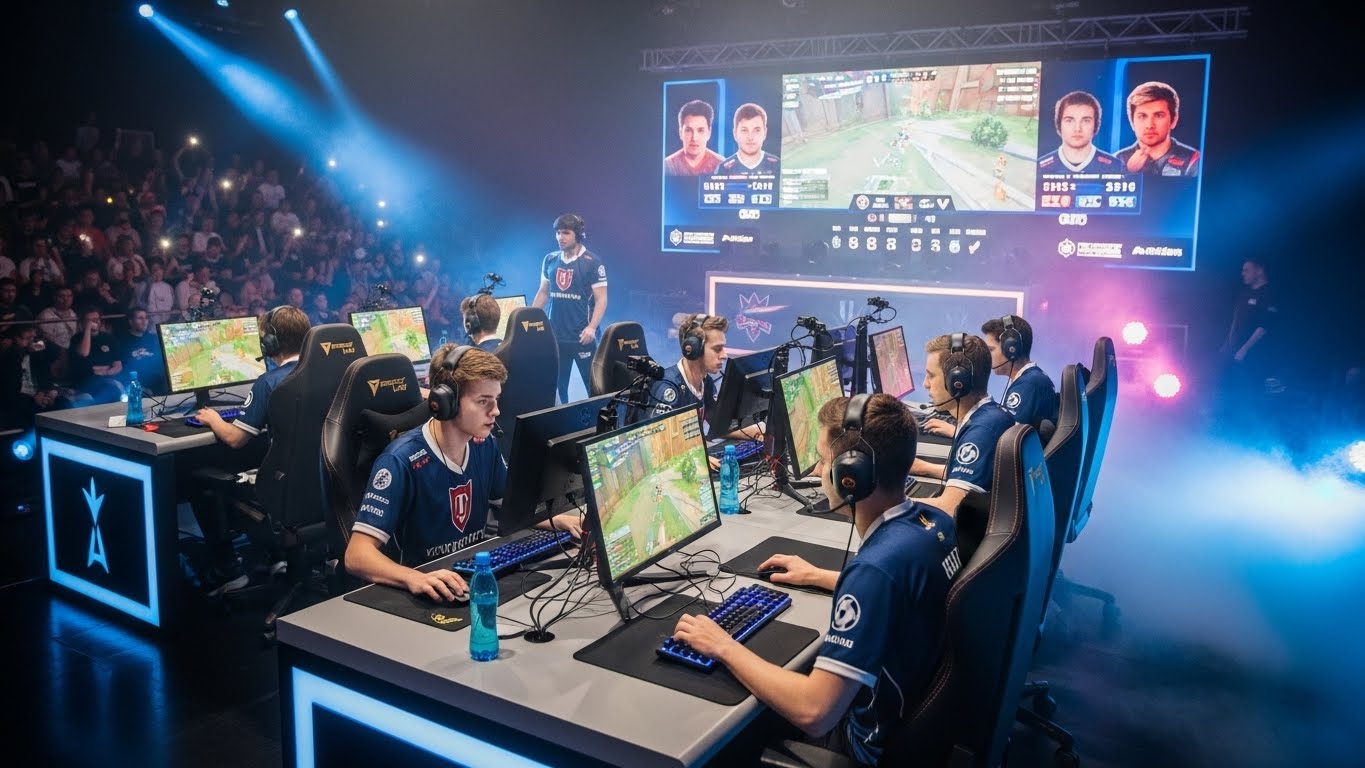
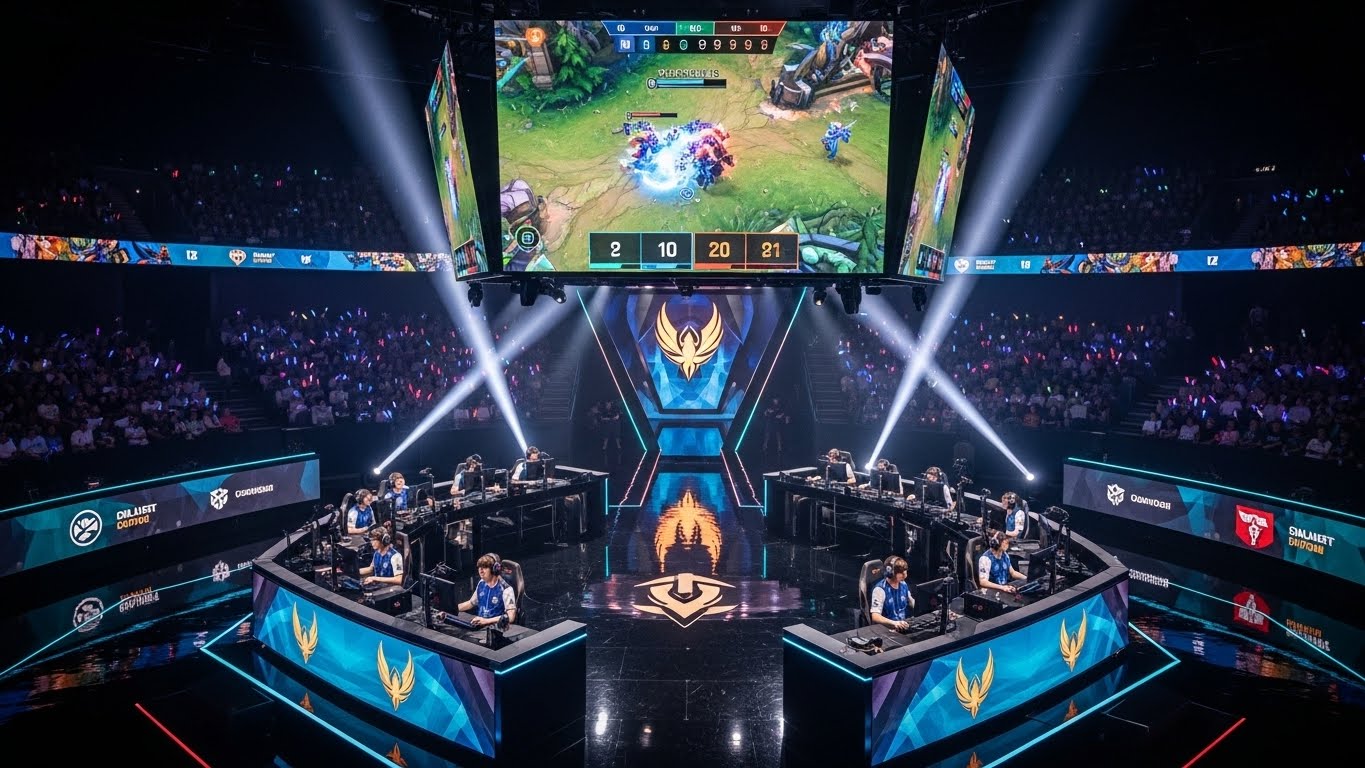
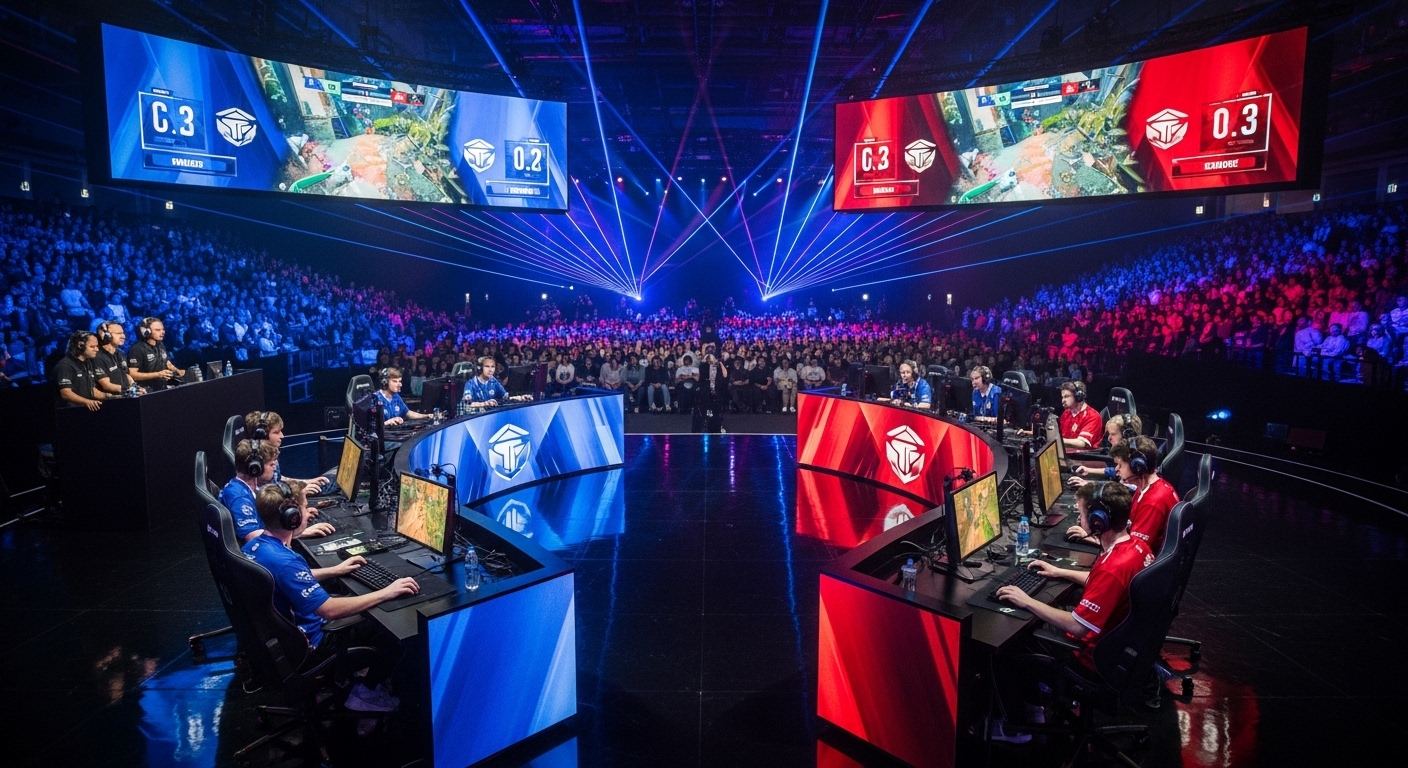
Esports, or competitive gaming, has exploded in popularity over the past decade, evolving from a niche hobby into a global entertainment powerhouse. What was once limited to LAN parties and small tournaments is now a multi-billion dollar industry, complete with professional leagues, global sponsorships, and massive fanbases. From stadiums packed with spectators to millions of viewers tuning in online, esports has transformed into a new form of entertainment that rivals traditional sports in many ways.
The Growth of Esports: From Casual to Professional
The journey of esports began in the early 2000s when games like StarCraft and Warcraft III brought gamers together in online tournaments. However, it wasn’t until the rise of multiplayer online battle arenas (MOBAs) like League of Legends and battle royales like Fortnite that esports really began to take off. With the advent of streaming platforms such as Twitch and YouTube Gaming, fans could now watch their favorite players and teams compete from the comfort of their homes. What started as small-scale events quickly grew into global spectacles, with tournaments offering multi-million-dollar prize pools and attracting a global audience.
Esports Games: Diversity and Competition
Esports is a vast ecosystem with numerous game genres fueling the competitive scene. Multiplayer Online Battle Arenas (MOBAs) like League of Legends and Dota 2 dominate the competitive landscape due to their strategic depth and team-based gameplay. First-Person Shooters (FPS) like Counter-Strike: Global Offensive and Call of Duty also have massive followings, emphasizing fast reflexes and precise aim. Additionally, battle royale games like Fortnite and Apex Legends have carved their own niche, offering intense solo and team-based survival gameplay.
Sports simulation games like FIFA and NBA 2K provide a different type of competition, closely mimicking real-life professional sports. Racing simulators and real-time strategy games round out the diversity of titles that make esports a multi-faceted domain, appealing to a broad range of gamers and fans.
The Business of Esports: More Than Just a Game
Esports is no longer just a pastime—it’s a thriving business. Major corporations, including tech companies like Intel and NVIDIA, beverage giants like Coca-Cola, and even sportswear brands like Adidas, have invested heavily in the industry. Sponsorships, advertising, and media rights have created a multi-billion-dollar ecosystem around esports events and teams. Streaming platforms like Twitch and YouTube also play a pivotal role, providing both exposure and revenue streams for players, teams, and organizers.
The financial success of esports has led to the formation of professional leagues and franchise models, similar to traditional sports. Teams in games like League of Legends and Overwatch sign players to long-term contracts, and the athletes are often paid salaries, in addition to earnings from tournament winnings. These teams also generate income through merchandise sales, ticketed events, and media deals. This combination of traditional sports structure with digital gaming creates a unique business model.
Esports Athletes: The New Age of Competitors
Professional esports players, also known as esports athletes, are not just casual gamers—they are elite competitors who dedicate their lives to mastering their craft. To succeed in esports, players must spend hours each day practicing, analyzing gameplay, and strategizing with their teammates. Many players start their careers in their teens and can reach peak performance in their early 20s.
In addition to technical skill, esports players must possess mental fortitude. The pressure to perform in front of millions of viewers can be intense, and many players work with psychologists and coaches to maintain focus and deal with the stress of high-stakes competitions. Esports athletes also have to maintain physical health, as prolonged gaming can lead to issues like eye strain, repetitive stress injuries, and mental burnout.
Esports Culture: A Global Community
Esports has created a vibrant and diverse global community. With players, fans, and teams spread across every corner of the world, esports breaks down cultural and geographical barriers. Whether it’s through live streaming platforms, social media, or fan meetups, esports fosters a sense of connection between individuals who share a common passion for gaming.
Major esports events like The International (Dota 2) and League of Legends Worlds attract hundreds of thousands of live spectators and millions of online viewers. These events often feel like a celebration of gaming culture, with elaborate production, cosplay, music, and merchandise. Fans follow their favorite players and teams, form fan clubs, and engage in lively online discussions about game strategies, matchups, and player performances. Esports has even been included in global sporting events like the Asian Games, further cementing its status as a legitimate form of competition.
Challenges in Esports: Navigating a Growing Industry
Despite its success, the esports industry faces its own set of challenges. One of the primary concerns is the mental and physical well-being of players. The intense training schedules, coupled with the pressure to constantly perform, can lead to burnout. There is also the issue of short career spans, as players peak in their early 20s and often struggle to remain competitive as they age.
Additionally, issues of toxicity in online communities, cheating, and player exploitation continue to persist. As the industry grows, there is a push for better regulation, player protection, and support systems. Leagues, teams, and game developers are working toward creating a more sustainable and inclusive environment for both professional and amateur players.
The Future of Esports: What’s Next?
The future of esports looks bright, with continued growth on the horizon. Technological advancements like virtual reality, augmented reality, and cloud gaming could revolutionize the way esports are played and viewed. As more mainstream media outlets and traditional sports organizations embrace esports, there is potential for further integration with other forms of entertainment.
The inclusion of esports in schools and universities, with scholarship programs and competitive leagues, is another sign of its expanding influence. As gaming continues to be seen as a legitimate career choice, the next generation of esports athletes may emerge from classrooms rather than basements.
Conclusion: The Enduring Legacy of Esports
Esports has firmly established itself as more than just a passing trend. Its rapid rise, vast audience, and impressive business model show that competitive gaming is here to stay. Whether you’re a casual fan or a die-hard player, esports offers something for everyone. With its global community, growing cultural significance, and increasing opportunities, esports is set to redefine entertainment for generations to come.