In recent years, esports has transformed from a niche hobby into a global phenomenon. What once began as small-scale video game tournaments has evolved into a multi-billion-dollar industry, with professional players, massive tournaments, and millions of fans worldwide. Esports is no longer just about playing video games—it’s a vibrant, competitive, and highly organized sport that has reshaped the world of entertainment. In this blog post, we’ll explore the rise of esports, the reasons behind its success, and what the future holds for this new wave of competition.
The Rise of Esports: A Digital Revolution
Esports, short for electronic sports, refers to competitive video gaming where individuals or teams compete in popular games for prizes, fame, and often sponsorships. The roots of esports can be traced back to the late 20th century when video games began incorporating multiplayer modes. However, the industry truly began to take off in the early 2000s, with the growth of platforms like Twitch, YouTube Gaming, and the advent of large-scale gaming tournaments.
Games like StarCraft, Warcraft, and Counter-Strike became the first staples of esports competitions. These games laid the foundation for competitive gaming as they offered complex gameplay mechanics and online multiplayer options, making them ideal for tournament play. From there, the esports ecosystem grew rapidly, with major tournaments like the League of Legends World Championship and The International (for Dota 2) drawing millions of viewers each year.
Esports as a Career Path: From Hobby to Profession
One of the most significant changes in the esports industry is the transformation of gaming from a casual hobby into a legitimate career. Professional gamers now make a living through prize money, sponsorships, and streaming platforms. Just like traditional sports, esports athletes spend hours training and perfecting their skills, often in gaming houses where they practice with their teams.
This rise of professional gaming has led to the development of esports organizations and leagues. These organizations operate much like traditional sports teams, providing players with coaching, nutritionists, and analysts to enhance their performance. In some cases, esports players have even attracted sponsorships from major global brands, ranging from tech companies to automobile manufacturers.
For young players aspiring to turn their passion for gaming into a career, esports now offers a viable path. Just as a budding football player might dream of playing in the NFL or NBA, an aspiring esports athlete can now set their sights on prestigious leagues and tournaments.
The Growth of Esports Viewership: A Global Audience
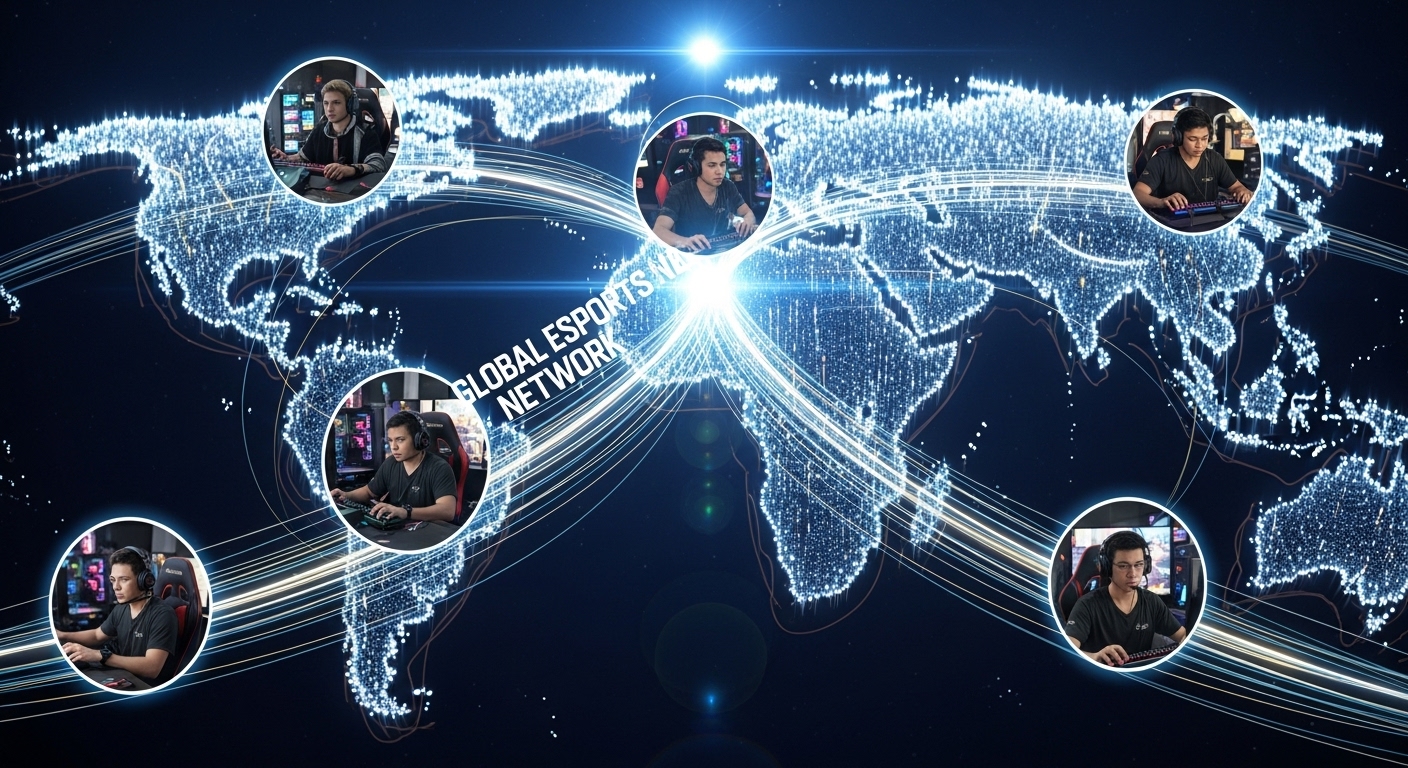
The fan base for esports has exploded, with millions of people watching live tournaments, following their favorite players, and engaging with content online. Platforms like Twitch have become the central hub for esports fans to watch live streams of their favorite games and interact with gamers in real time.
Esports events are now broadcast on mainstream platforms such as YouTube and even on television in some countries. The 2018 League of Legends World Championship attracted over 200 million viewers globally, surpassing the Super Bowl in viewership. This growth in audience numbers has made esports one of the fastest-growing entertainment sectors worldwide.
The appeal of esports goes beyond just watching the games. Fans are deeply invested in the personalities of the players and the narratives that unfold during tournaments. Much like traditional sports, esports competitions are filled with high-stakes drama, rivalries, and underdog stories that keep viewers coming back for more. Additionally, esports fans are often more engaged than traditional sports fans, regularly interacting with streamers, discussing strategies, and even influencing game design through online communities.
Esports Tournaments: The Major Leagues
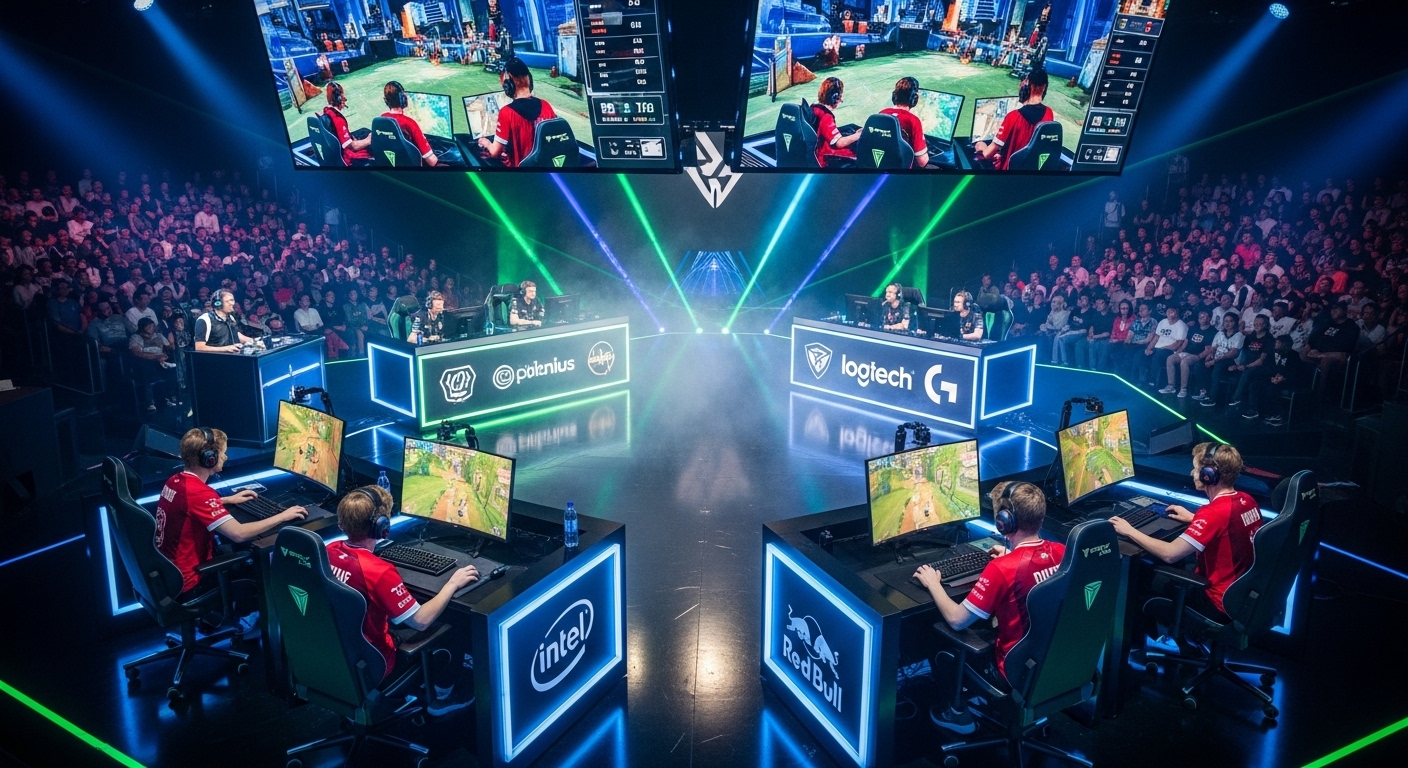
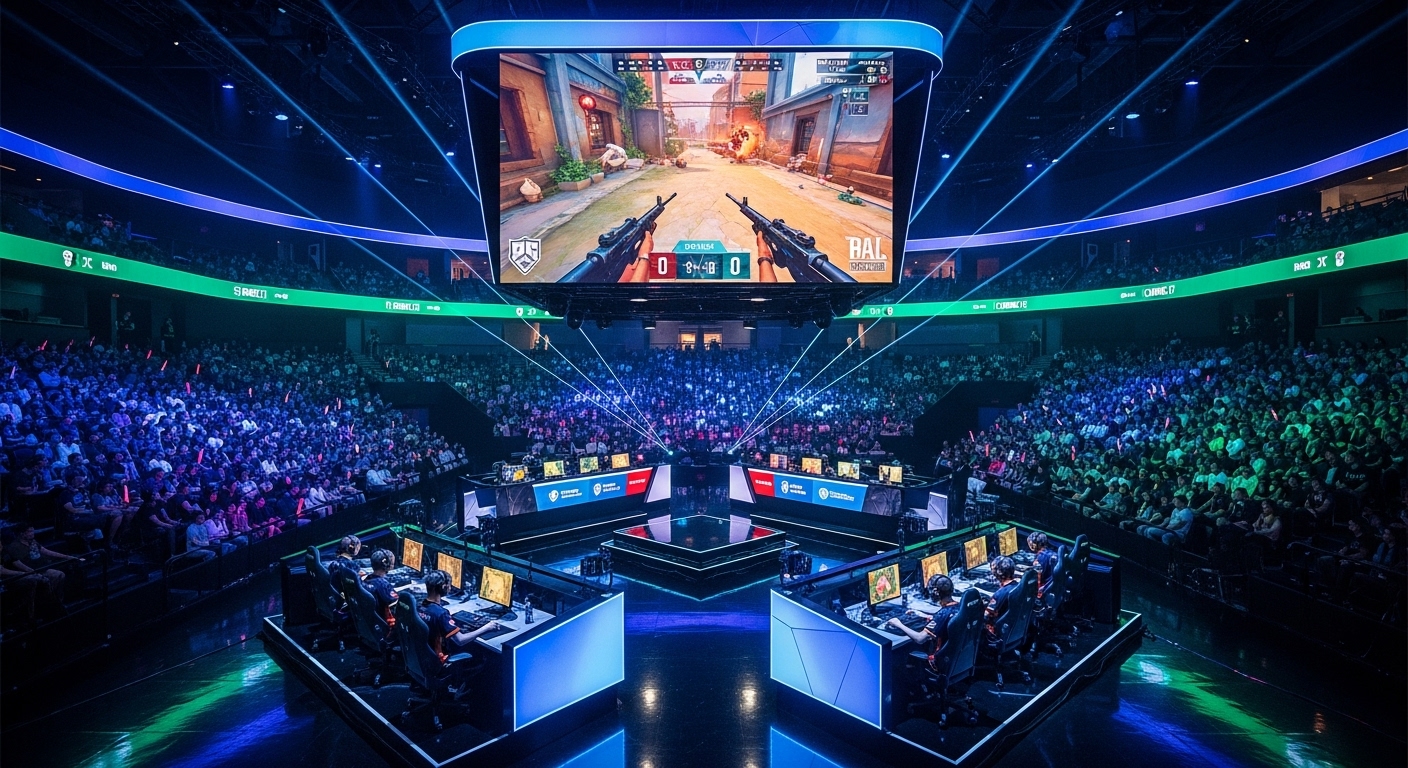
Esports tournaments are now large-scale events that rival the spectacle of traditional sports competitions. These events often take place in massive arenas, with thousands of fans in attendance and millions more watching online. The prize pools for esports tournaments can reach millions of dollars, attracting the best players from around the world to compete for a share of the wealth and glory.
Some of the most popular esports tournaments include:
- The International (Dota 2): Known for having one of the largest prize pools in esports history, The International brings together top Dota 2 teams from around the world to compete for a multi-million-dollar prize.
- League of Legends World Championship: This event attracts millions of viewers and brings together the best League of Legends teams from different regions to crown the world champions.
- Fortnite World Cup: With its enormous popularity among younger gamers, the Fortnite World Cup has become a marquee event with a prize pool that exceeds $30 million.
- CS:GO Major Championships: Counter-Strike: Global Offensive (CS:GO) tournaments are a major part of esports, with the Major Championships being some of the most prestigious and well-viewed in the industry.
These tournaments offer not just prize money but also the opportunity for players and teams to establish their reputations in the esports world, with sponsorship deals, endorsements, and media appearances following their success.
The Role of Streaming and Content Creation
In addition to tournaments, another key aspect of the esports ecosystem is the role of streaming and content creation. Streamers on platforms like Twitch and YouTube have become celebrities in their own right. They not only play games live but also interact with their communities, building strong fanbases who follow them for their gaming skills, personality, and entertainment value.
Some streamers have turned their gaming channels into full-blown businesses, creating merchandise, establishing partnerships with brands, and even branching out into other forms of media, such as podcasts or YouTube videos. The relationship between streamers and fans is more personal than traditional sports, as viewers often feel a direct connection with their favorite creators.
Moreover, esports content is no longer limited to just gameplay. Many streamers and content creators produce tutorials, reviews, and commentary that help to expand the gaming community and teach viewers about strategies and techniques. This diverse range of content contributes to the overall growth and accessibility of esports.
Esports and Education: The Rise of Esports Programs
Esports is also making its way into educational institutions. High schools and universities around the world are now offering esports programs, allowing students to compete in leagues and tournaments while pursuing their education. In fact, some colleges offer esports scholarships, recognizing that competitive gaming requires the same level of dedication and skill as traditional sports.
These programs offer students opportunities not only to develop their gaming skills but also to learn about team management, broadcasting, and event planning. With the continued growth of esports, these educational initiatives are helping to develop the next generation of players, coaches, and industry professionals.
The Future of Esports: Expanding Horizons
Looking ahead, the future of esports seems incredibly bright. As the industry continues to grow, we can expect to see even more games becoming staples of competitive play. New titles will emerge, new forms of competition will evolve, and esports will become even more integrated into mainstream entertainment.
Technological advancements such as Virtual Reality (VR) and Augmented Reality (AR) could lead to the next evolution in esports, creating fully immersive experiences for both players and viewers. With the rise of mobile gaming, esports could also become more accessible, allowing gamers to compete from their phones and tablets, further expanding the reach of the industry.
In addition, as esports continue to be recognized as legitimate sports, we could see them added to major international competitions like the Olympics, which would give competitive gaming even more global recognition.
Conclusion: Esports is Here to Stay
Esports has already established itself as a dominant force in the entertainment world, with millions of fans, professional players, and lucrative sponsorships. It’s no longer just a subculture for gamers; it’s a global industry with its own ecosystem, complete with dedicated fans, organizations, and media attention.
Whether you’re a casual gamer, an aspiring professional player, or simply a fan of the action, esports offers something for everyone. With its continued growth and potential for innovation, esports is poised to become an even more significant part of the global entertainment landscape in the years to come.