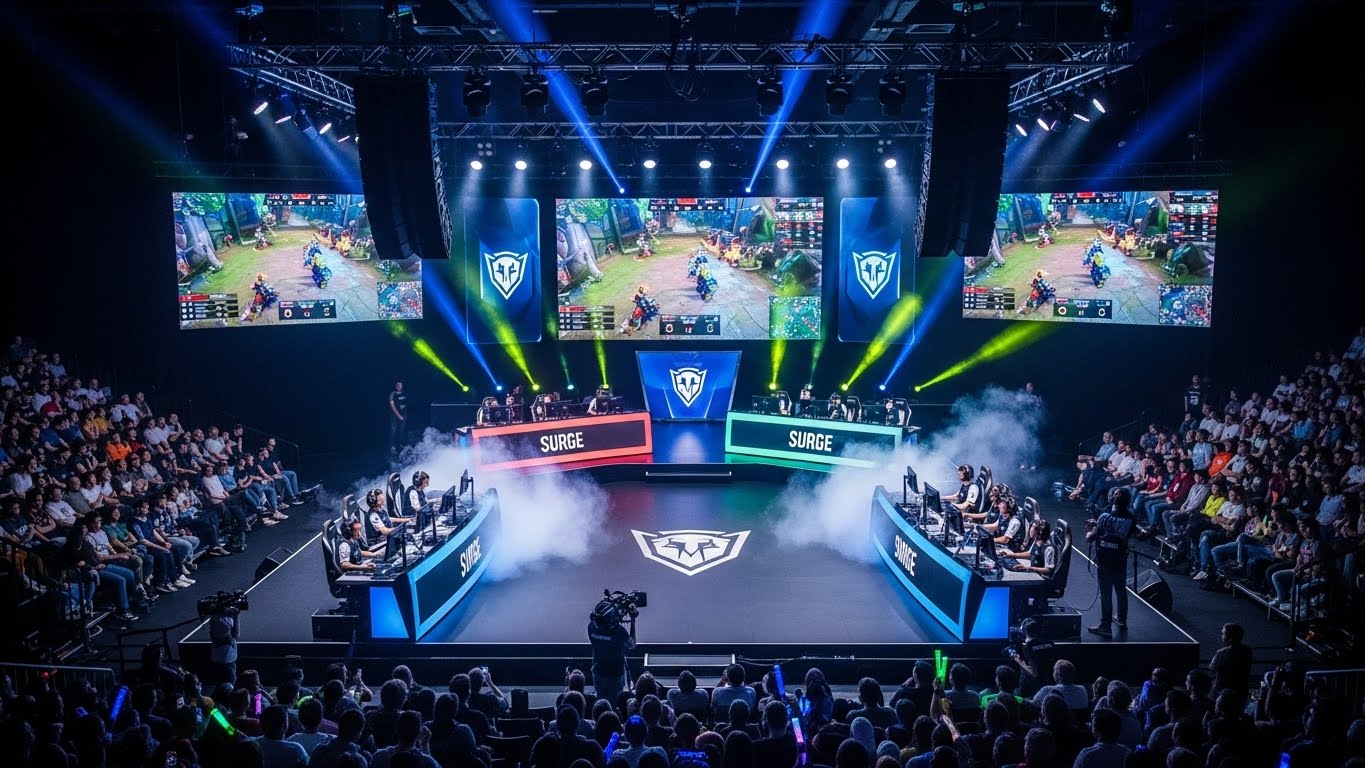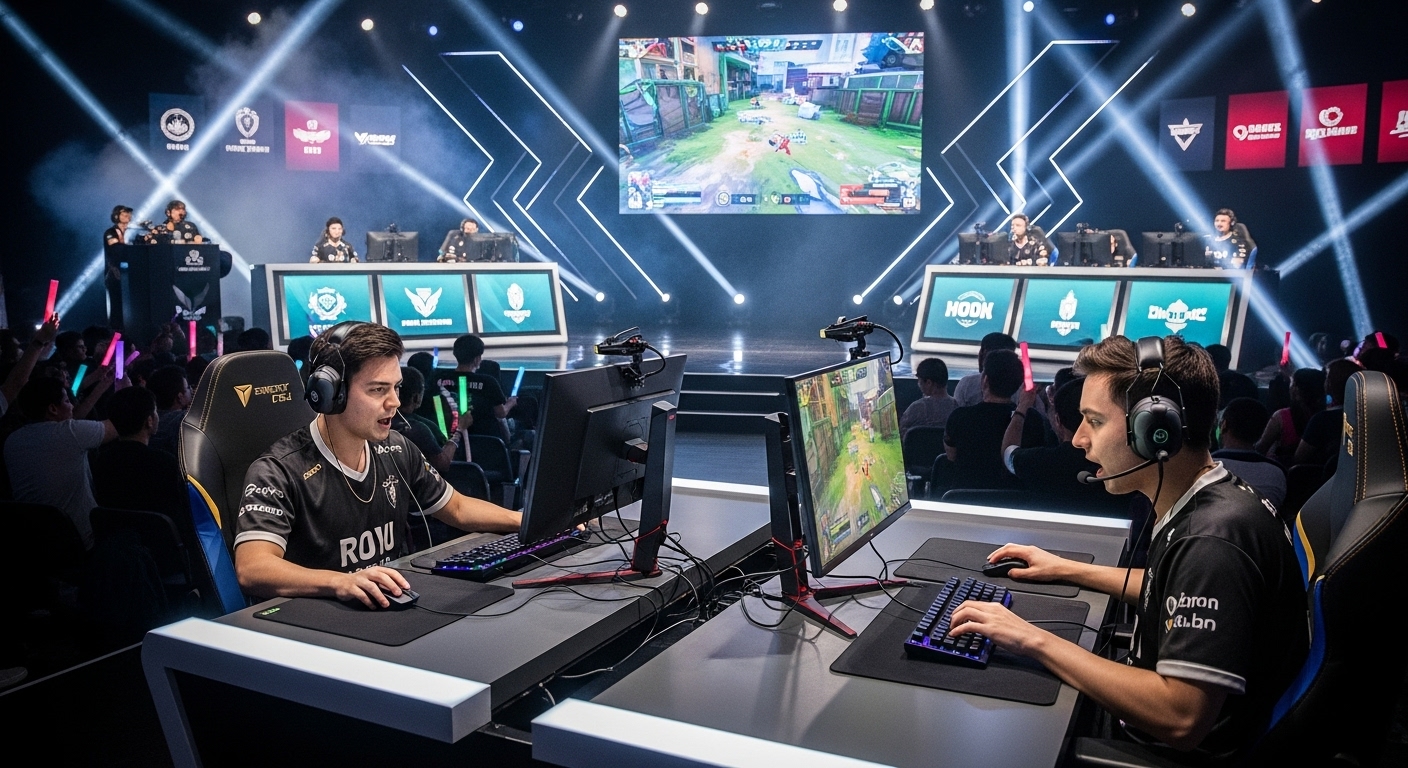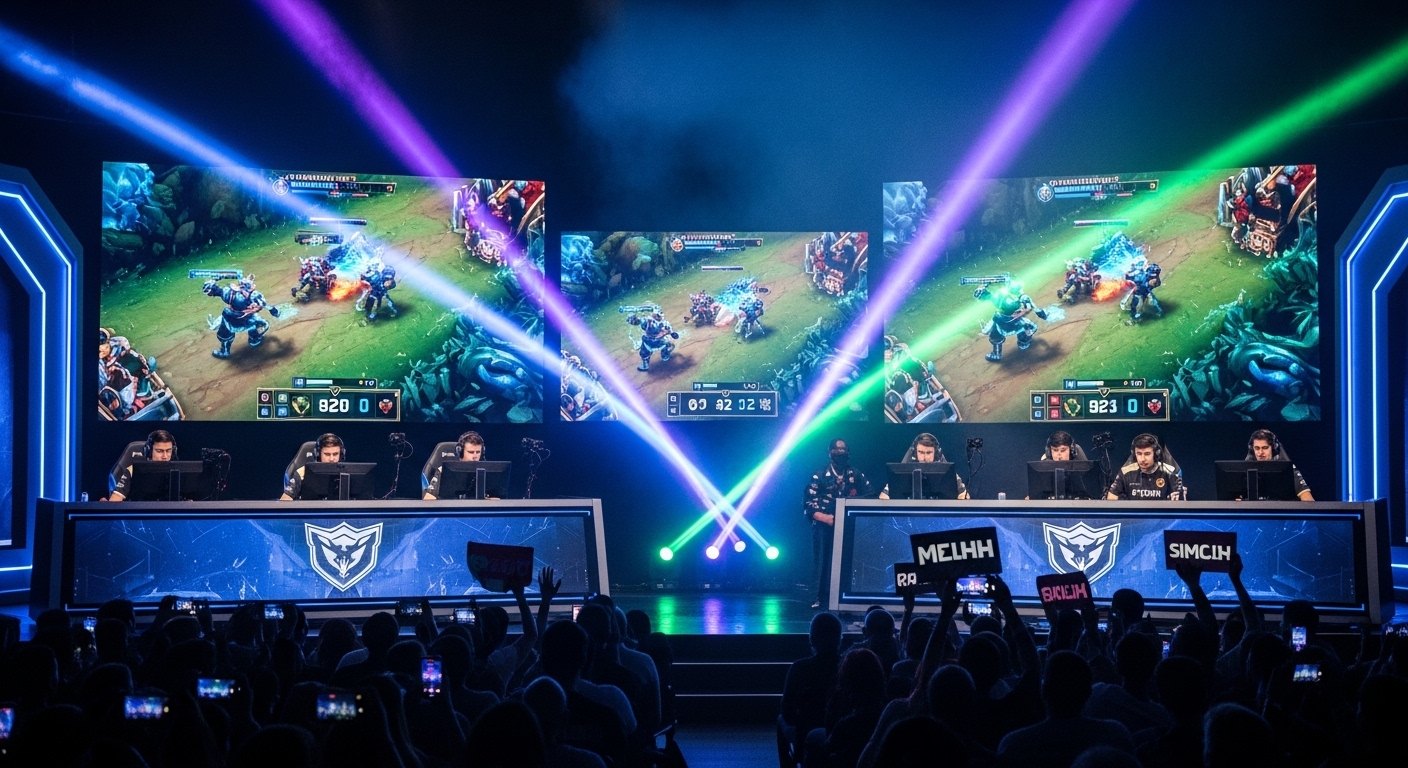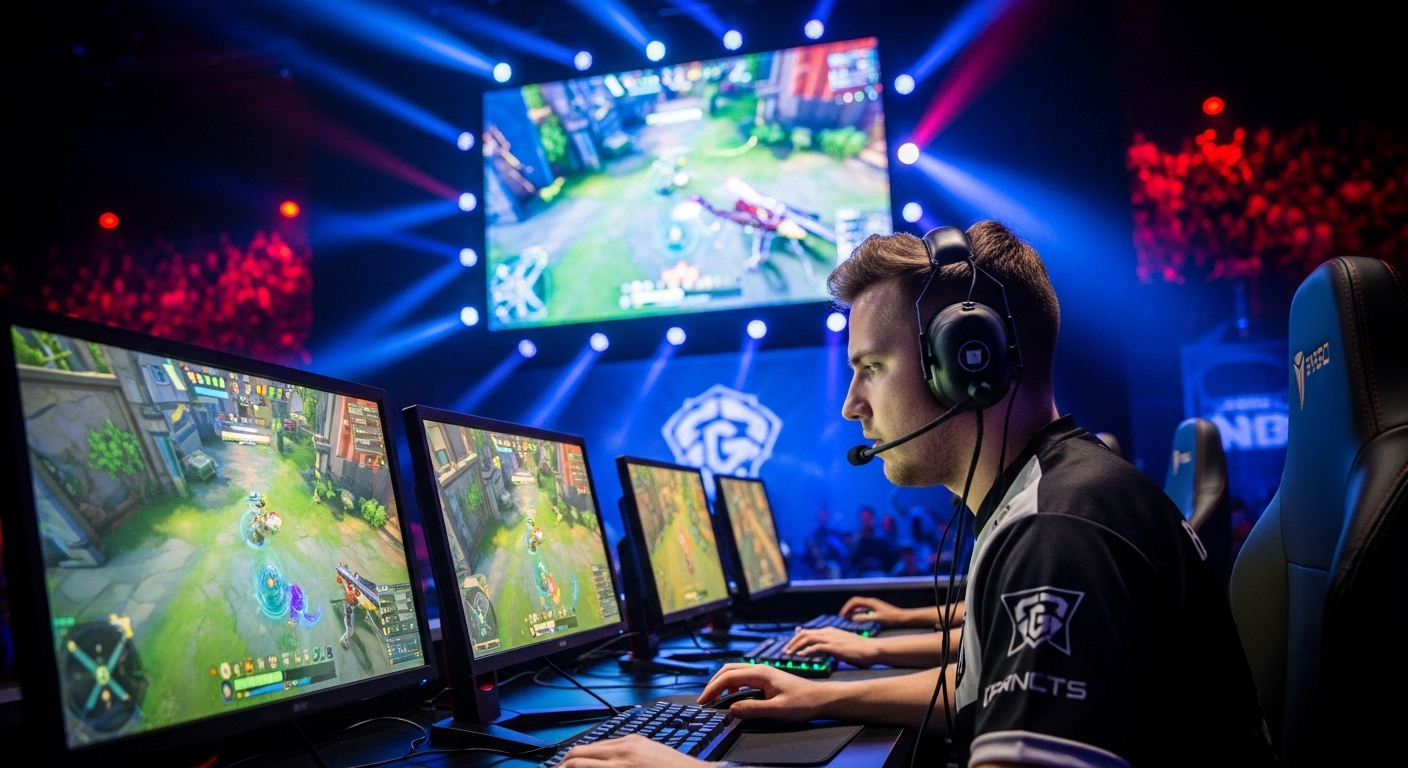
Esports is no longer a subculture; it has evolved into a global phenomenon that is reshaping the way we view competition, entertainment, and even sports themselves. What was once considered a hobby for a niche group of gamers has blossomed into a massive multi-billion-dollar industry. With millions of fans, professional leagues, and huge sponsorship deals, esports is changing the landscape of both gaming and traditional sports. In this post, we explore the rise of esports, what makes it so popular, and how it’s shaping the future of entertainment.
The Early Days of Esports
Esports, short for electronic sports, has humble beginnings. While video games have been around since the 1970s, it wasn’t until the 1990s that competitive gaming began to take shape. Games like Doom and Quake paved the way for online multiplayer gaming, allowing players to battle against each other in real-time across the internet. This sparked the idea of organized gaming competitions, which began taking place in local LAN parties and online tournaments.
The turn of the century saw games like StarCraft and Warcraft III become staples in the competitive gaming community. These games’ strategy-based mechanics, combined with multiplayer capabilities, created a foundation for what would become modern esports. But it wasn’t until 2009, with the release of League of Legends, that the esports scene truly began to take off. League of Legends became a staple for competitive players, leading to the formation of professional teams and the first major global esports tournaments. Riot Games, the developer behind League of Legends, provided the structure and support for a new generation of competitive players, creating an industry that would soon captivate millions.
Esports Growth: A Cultural Shift
The Rise of Streaming Platforms
One of the most significant factors behind the rapid growth of esports is the rise of live-streaming platforms. Sites like Twitch, YouTube Gaming, and Facebook Gaming have made it possible for players to showcase their skills while allowing fans to watch tournaments and gameplay in real-time. Streaming has transformed esports into a spectator sport, where fans from around the world can tune in to watch their favorite games, players, and teams.
Twitch, in particular, has become the go-to platform for competitive gaming. It allows gamers to stream their gameplay, interact with viewers, and build fanbases. This new form of engagement has not only attracted millions of fans but also helped make esports more mainstream. With popular streamers earning millions of dollars through sponsorships, donations, and ad revenue, gaming has become a viable career for many.
A New Era of Professionalization
What started as informal competitions has now become a fully professionalized industry. Esports has grown into a legitimate career path for players, coaches, analysts, and content creators. In just a few years, esports players can earn significant salaries, often rivaling those of traditional athletes. The level of professionalism in esports has increased dramatically, with teams like Cloud9, T1, and FaZe Clan investing heavily in infrastructure, training, and player development.
Esports organizations have adopted similar structures to traditional sports teams, complete with dedicated coaches, analysts, and managers who help players perform at the highest level. Professional esports players train for hours every day, perfecting their strategies, improving their reflexes, and staying in peak mental condition. This is a far cry from the days of casual gaming, with esports now requiring the same dedication, discipline, and professionalism as any other competitive sport.
Why Esports Is So Popular
Accessibility for Everyone
One of the primary reasons for esports’ massive success is its accessibility. Unlike traditional sports, which often require specialized equipment, training, and facilities, esports only requires a gaming device and an internet connection. This low barrier to entry has allowed people from all walks of life, regardless of location or income level, to engage in competitive gaming.
Mobile gaming has further democratized esports by allowing players to compete on smartphones and tablets. Games like PUBG Mobile and Clash Royale have created competitive ecosystems where players can join tournaments directly from their mobile devices. This accessibility has led to a surge in the number of esports players, many of whom are young and tech-savvy.
The Thrill of Competition
At its core, esports is about competition. Whether it’s a fast-paced first-person shooter like Call of Duty, a strategic multiplayer game like Dota 2, or a team-based battle game like Overwatch, esports provides players and fans with the thrill of competition. Professional players battle in high-stakes tournaments with multi-million-dollar prize pools, while fans root for their favorite teams or individuals. The excitement of watching these games unfold, combined with the skill and strategy involved, has turned esports into a spectator sport in its own right.
The tournaments themselves are massive events, often held in large arenas and broadcast to millions of viewers online. The League of Legends World Championship and The International (Dota 2) are just a few examples of esports events that have sold out arenas and attracted millions of viewers worldwide. These events showcase the best of what esports has to offer and contribute to its growing cultural significance.
The Business of Esports
Big Money in Sponsorships and Partnerships
As esports has gained popularity, it has attracted significant investment from corporate sponsors, traditional sports franchises, and major media companies. Major brands like Intel, Red Bull, Coca-Cola, and Nike have become key sponsors of esports events, players, and teams. These partnerships provide financial backing, helping to fund tournaments, offer bigger prize pools, and create more expansive fan experiences.
Additionally, traditional sports teams and organizations have also entered the esports space. Football clubs like Manchester City and basketball teams like the Dallas Mavericks have established their own esports divisions, recognizing the potential for growth in this new form of entertainment. This fusion of traditional sports and esports signals the growing importance of gaming in the global sports ecosystem.
Esports Media and Broadcasting
Another key aspect of esports’ success is its media coverage. Broadcasting platforms like ESPN have started covering major esports events, offering mainstream audiences access to live games and highlights. Major esports tournaments, including Overwatch League and League of Legends Worlds, are also broadcasted on television networks and digital platforms, reaching wider audiences than ever before.
The accessibility of esports content has transformed it into a global entertainment phenomenon. Fans can watch esports events live or on-demand from virtually anywhere in the world, making it easy to follow their favorite players and teams. Media companies are increasingly investing in esports, not only because of the growing viewership but also because esports offers a new and engaging form of content that resonates with younger, tech-savvy audiences.
The Future of Esports
Technological Advancements and Virtual Reality
As technology continues to evolve, esports is poised for even greater innovation. Virtual reality (VR) and augmented reality (AR) are two areas that could have a major impact on the future of esports. With VR headsets, fans could experience live events in a fully immersive 3D environment, making them feel as though they are inside the game itself. AR could create interactive elements during broadcasts, allowing viewers to engage with the gameplay in new and exciting ways.
These technological advancements have the potential to revolutionize the esports experience, providing fans with unprecedented levels of immersion and engagement. As VR and AR technology become more mainstream, esports events could evolve into fully interactive experiences that blur the lines between gaming and reality.
Expanding Global Reach
The global nature of esports is another factor driving its future success. Esports is truly international, with players and fans from all corners of the globe coming together to compete and watch tournaments. As internet infrastructure improves and more regions gain access to high-speed internet, esports will continue to expand, reaching even more players and audiences.
Regions like Southeast Asia, Latin America, and the Middle East are rapidly emerging as esports hubs, with new tournaments, leagues, and players entering the scene. The growing international appeal of esports will continue to shape its future, fostering global communities and creating new opportunities for players, teams, and organizations.
Conclusion: Esports Is Here to Stay
Esports has come a long way from its humble beginnings in arcades and LAN parties. Today, it is a multi-billion-dollar industry with professional players, global tournaments, and a dedicated fanbase. As the industry continues to grow, it will shape the future of both gaming and entertainment, offering new career opportunities, technological innovations, and unique fan experiences.
Whether you’re a casual gamer or a die-hard fan, esports is a force to be reckoned with. Its impact on culture, media, and entertainment is undeniable, and as the digital world continues to evolve, esports will remain at the forefront of the next generation of sports and entertainment. The digital revolution has arrived, and esports is leading the way.