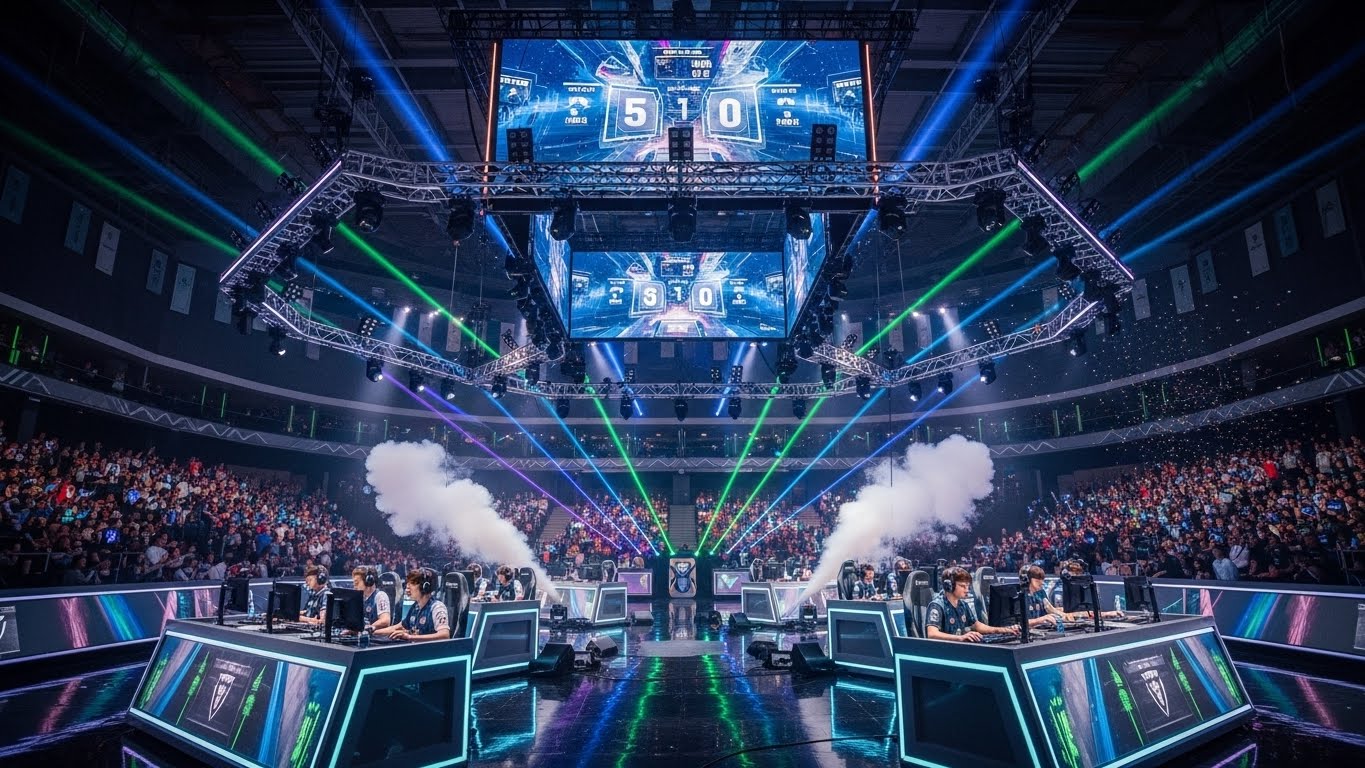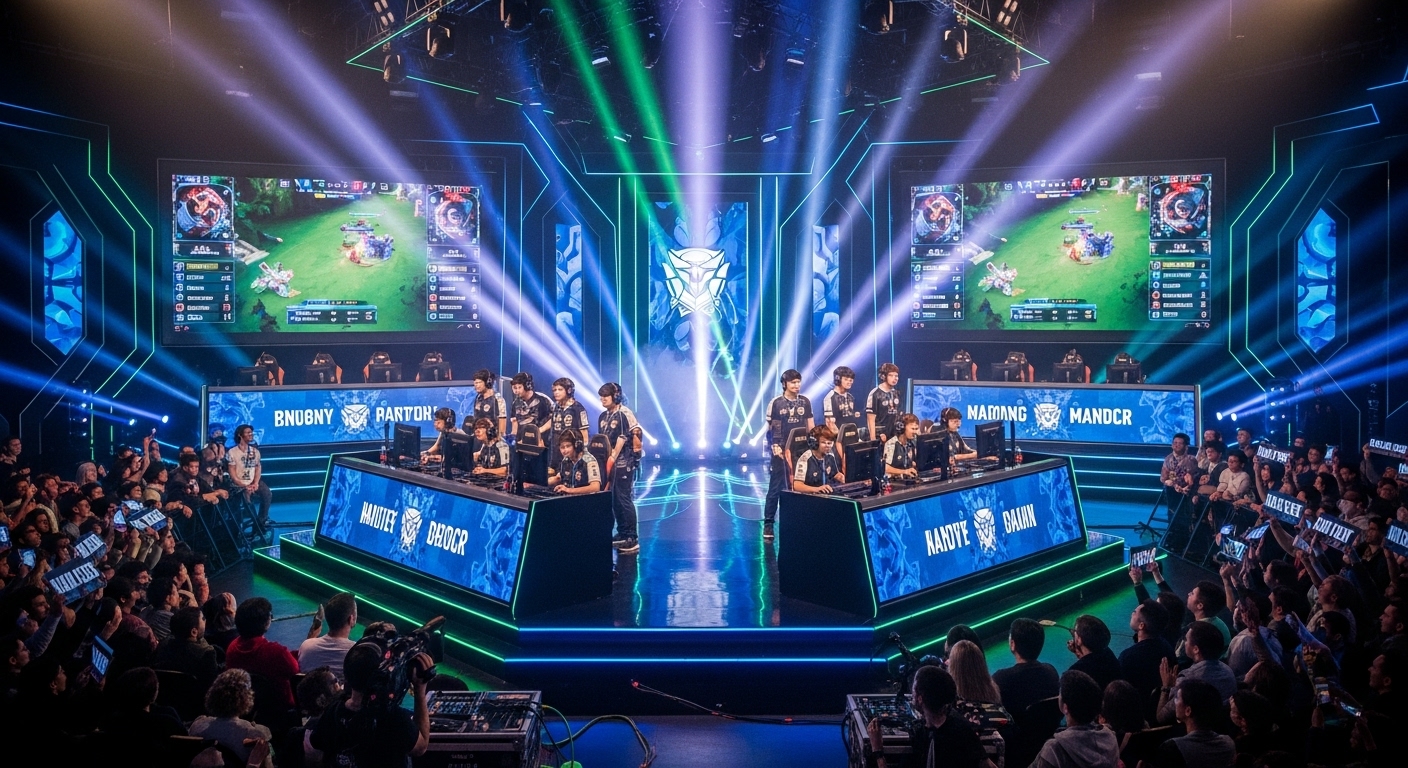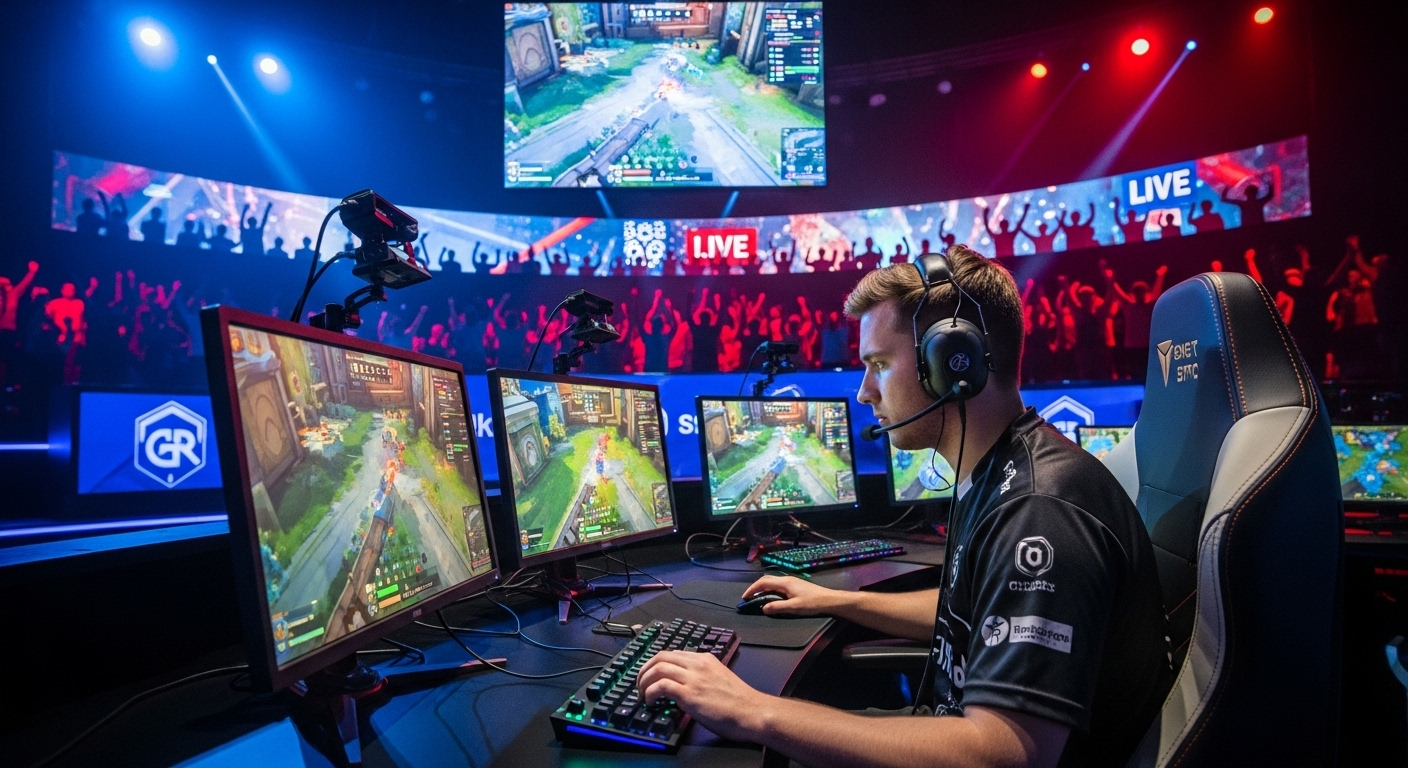
Esports has evolved from a niche hobby into a global phenomenon, with millions of fans watching, following, and supporting their favorite games, teams, and players. While much of the spotlight tends to shine on the players and their performances, it is important to acknowledge a powerful driving force behind the success of esports: the fans. Esports fans are not just passive viewers—they are active participants in the growth, evolution, and shaping of competitive gaming as we know it today.
In this blog post, we’ll explore how fans have helped define esports history, how their influence extends beyond the screen, and why their involvement is so crucial to the success of the industry.
1. The Growth of Esports Through Fan Engagement
Building a Community
One of the most fundamental aspects of esports is the sense of community that fans create. From the early days of StarCraft and Warcraft III tournaments to today’s massive League of Legends Worlds and The International events, fans have been there, cheering for their favorite teams and players, forming communities both online and offline. This fan engagement has been crucial in driving the growth of esports.
Esports fans are not just passive spectators; they are deeply invested in the success of their favorite teams, players, and games. They participate in online discussions, share content on social media, and attend live events. The passionate fanbase surrounding games like Fortnite, Valorant, and CS:GO helps build hype around tournaments, creating a buzz that attracts more viewers, sponsors, and media coverage.
Social Media’s Role in Fandom
Platforms like Twitter, Reddit, and Twitch have provided fans with direct access to teams and players, enabling real-time interaction and engagement. Esports fans use these platforms to communicate, debate strategies, share highlights, and build relationships with other fans across the globe. Social media has played a pivotal role in fostering this sense of community, allowing fans to have a voice in the narrative surrounding their favorite games and players.
2. Financial Support: Sponsorships and Crowdfunding
Powerful Economic Drivers
Fans not only support esports emotionally, but they also play a significant role in the financial success of the industry. A large portion of esports revenue comes from sponsorships, advertising, and fan-driven revenue streams such as merchandise sales and ticket sales to live events. Brands and sponsors are eager to align themselves with the massive, loyal fanbases that esports teams and players have built. In fact, many esports organizations rely heavily on their fanbase to secure sponsorship deals that help fund their operations, pay player salaries, and support team development.
Crowdfunding Esports Tournaments
Another area where fans have had a direct influence is in the creation of prize pools for esports tournaments. Games like Dota 2 have seen fans actively contribute to prize pools through crowdfunding campaigns, helping raise millions of dollars for competitive events. The Dota 2 International tournament, for example, is known for having one of the largest esports prize pools, largely funded by the community through in-game purchases and donations. This fan-driven financial support has enabled some of the most significant esports tournaments to offer record-breaking prize pools, making the competition more exciting and drawing global attention to esports.
3. Fan Influence on Game Development and Balance
Feedback Loop: Shaping Game Mechanics
Esports fans have a unique ability to shape the future of competitive gaming. Through feedback, community-driven forums, and dedicated esports subreddits or Discord channels, fans provide invaluable insights that influence the development of games. Game developers are increasingly listening to their fanbase to make adjustments to balance, mechanics, and features, ensuring that the game remains fair, exciting, and engaging for competitive play.
Take, for instance, League of Legends. The game’s developer, Riot Games, has a strong history of incorporating fan feedback into the game’s development cycle. Fans’ concerns about certain champions, items, or strategies have often resulted in patches or changes that impact how the game is played at the competitive level. This constant dialogue between developers and fans ensures that the esports scene remains fresh and dynamic, adapting to the needs of its players and community.
Esports Ecosystem Changes
The rise of Valorant and its massive success in the esports world is another example of how fan engagement shaped the game. Riot Games created a closed beta where fans were directly involved in testing the game, providing feedback on issues like hit registration, map designs, and agent abilities. This community-driven development process helped refine the game before its official launch, ensuring that it was polished and ready for competitive play.
4. Creating a Competitive and Inclusive Environment
Representation and Diversity
In recent years, fans have also played a critical role in pushing for a more inclusive and diverse esports scene. Fans have advocated for better representation of women, LGBTQ+ players, and people of color in competitive gaming. As esports grows, fans are pushing for better diversity both in terms of player representation and tournament opportunities.
Organizations and teams are increasingly responding to these calls, creating more opportunities for marginalized groups to participate in esports and feel represented. Fans have held esports companies and organizations accountable, demanding changes that promote inclusivity, equality, and a positive environment for everyone involved in the competitive scene.
Fan-Driven Events and Tournaments
In addition to supporting professional esports tournaments, fans also create and organize grassroots competitions. Platforms like Twitch and Discord have enabled fans to host their own esports tournaments, whether it’s a small community event or a larger-scale competition. These fan-driven initiatives not only serve as a training ground for aspiring players but also contribute to the overall ecosystem by creating more ways for people to engage with the sport. The involvement of fans in these amateur and semi-professional tournaments strengthens the community and allows for greater diversity in competitive esports.
5. Esports Fandom as a Culture
The Role of Esports in Popular Culture
Fans are at the heart of the esports culture, contributing to the fandom’s broader influence in popular culture. From memes and viral moments to fan art and cosplay, esports fans are creative, passionate, and deeply connected to their favorite games and players. Esports events often transcend the games themselves, creating a cultural phenomenon that extends to fashion, music, and even mainstream media.
A Global Community
Esports fans are part of a global community that transcends geographic boundaries. With major tournaments streamed online and fanbases from all around the world, esports has become one of the most inclusive entertainment mediums. Fans share their passion for the games, players, and teams with others from different cultures, creating a sense of unity in a fragmented world. Whether they are chanting in the stands at an international event or cheering online during a major tournament, fans are the lifeblood of the esports movement.
Conclusion: The Underrated Architects of Esports
While players and teams undoubtedly drive the action, it is the fans who truly shape the landscape of esports. From providing financial support through crowdfunding and merchandise sales to influencing game development and promoting inclusivity, fans are integral to the success and evolution of esports. Their passion and dedication have helped transform competitive gaming into a global phenomenon, and as esports continues to grow, fans will remain at the heart of the industry, helping it reach new heights.
The future of esports is, in many ways, being written by the fans themselves—one cheer, tweet, and donation at a time. Their collective power cannot be overstated; after all, without fans, esports wouldn’t be the massive, thriving community it is today.