Introduction: The New Era of Digital Combat
In the span of just a few decades, what began as casual get‑togethers in basements or early internet cafés has grown into a full‑blown global industry. Esports—organized, competitive video gaming—has risen from fringe hobby to cultural juggernaut, with professional players, massive audiences, and lucrative sponsorships. But beyond the hype and headlines lies a deeper story: one of innovation, community, identity, and the redefining of what it means to compete.
This blog post traces the evolution, psychology, structure, challenges, and future of esports. It explores how digital competition has become a parallel realm of athleticism, how the ecosystem functions, and where it’s headed next. If you’re curious about how pixel‑powered gladiators are shaping the next generation of sports, welcome to the arena.
The Origins and Evolution of Esports
Early Sparks: LAN Parties and Arcade Roots
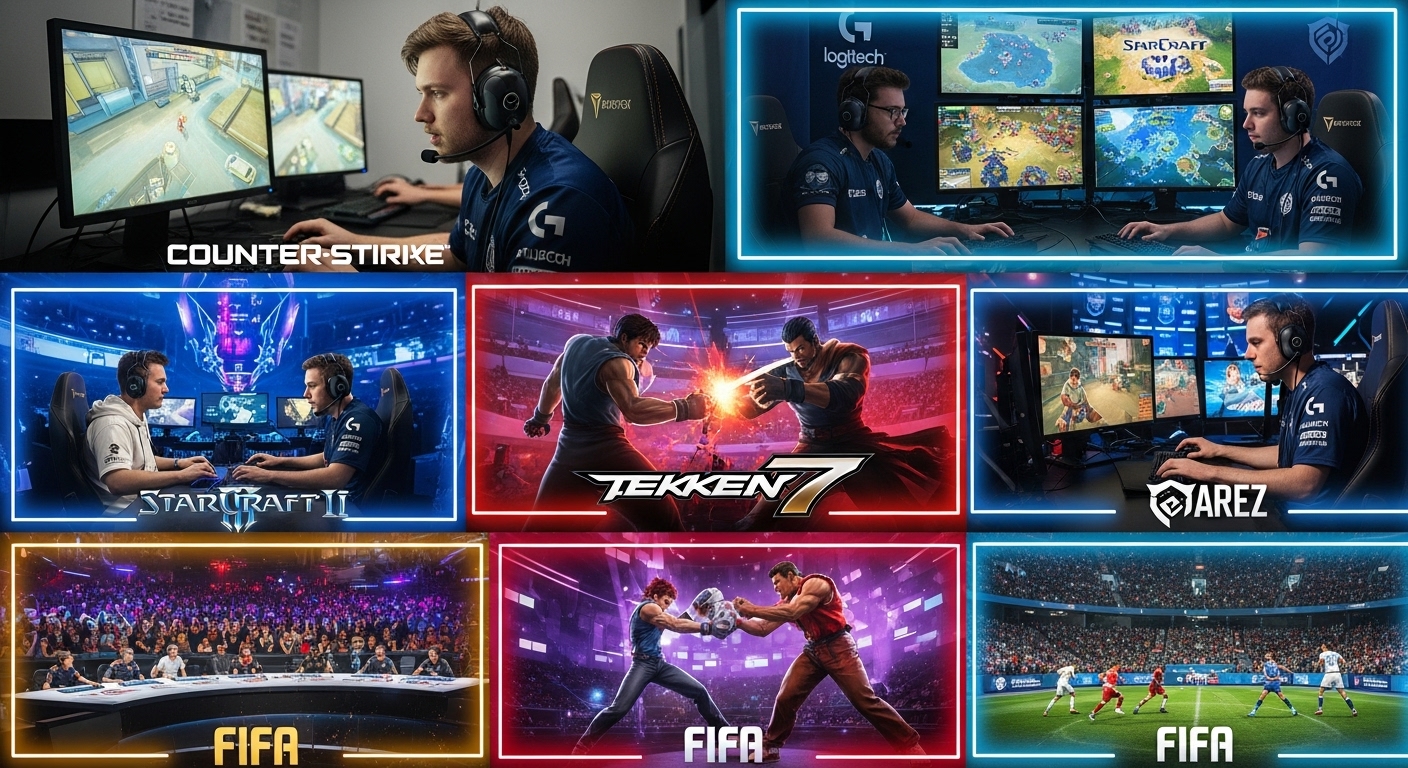
Long before streaming platforms and million‑dollar prize pools, gamers gathered in cramped rooms with bulky CRT monitors. Local area network (LAN) events allowed multiple PCs to connect to the same network so players could battle each other in person. Titles like “Quake,” “StarCraft,” and “Counter‑Strike” were staples. The competitive spirit was real even then, though the reach was limited to those within a city, region, or friend group.
Arcade tournaments also seeded competitive culture. Players would compete for high scores or challenge each other in head‑to‑head arcade cabinets. These early competitive formats planted the first seeds of formalized tournaments and public recognition.
The Internet Boom and Organized Leagues
As internet infrastructure improved, online play became the norm. Game publishers and fans organized online ladders, tournaments, and ranking systems. Communities sprang up around games like “Warcraft III,” “DotA,” and “Brood War” (the precursor to StarCraft II), and they experimented with tournament formats.
By the late 2000s and early 2010s, organizers such as DreamHack, MLG (Major League Gaming), and ESL (Electronic Sports League) began hosting large events. Prize pools increased, sponsors appeared, and professional teams emerged. Viewers began tuning into match broadcasts, first via early streaming platforms and then via more polished, specialized channels.
The Modern Explosion: Streaming, Franchises, and Global Reach
In the 2010s, streaming platforms revolutionized how audiences consumed esports. Matches could be broadcast live to millions, with real‑time commentary, chats, and interactivity. The democratization of broadcasting meant that even small tournaments could reach global audiences.
Simultaneously, franchises and structured league models emerged. Games like “League of Legends,” “Overwatch,” and “Valorant” adopted regional leagues with city‑based teams, revenue sharing, and seasonal circuits. Traditional sports organizations and investors entered the scene, further legitimizing esports as a serious competitive domain.
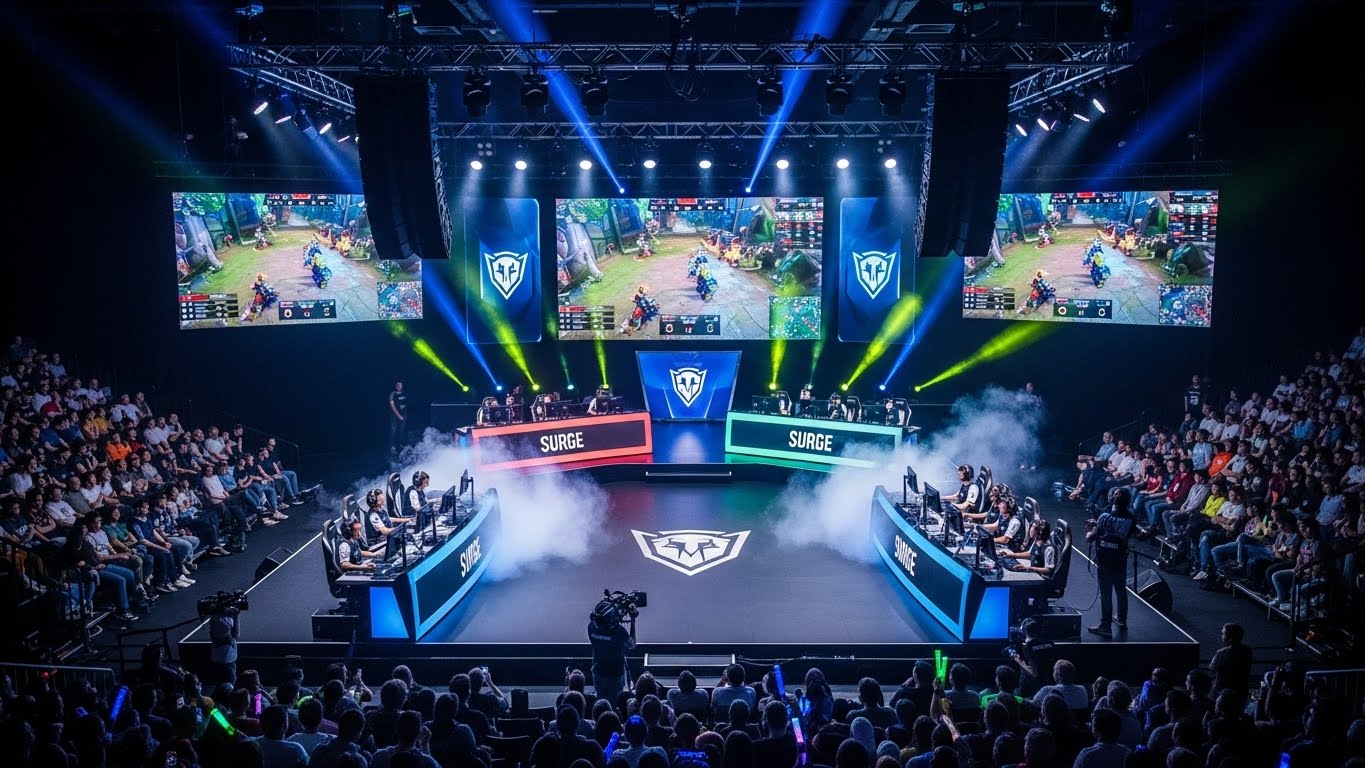
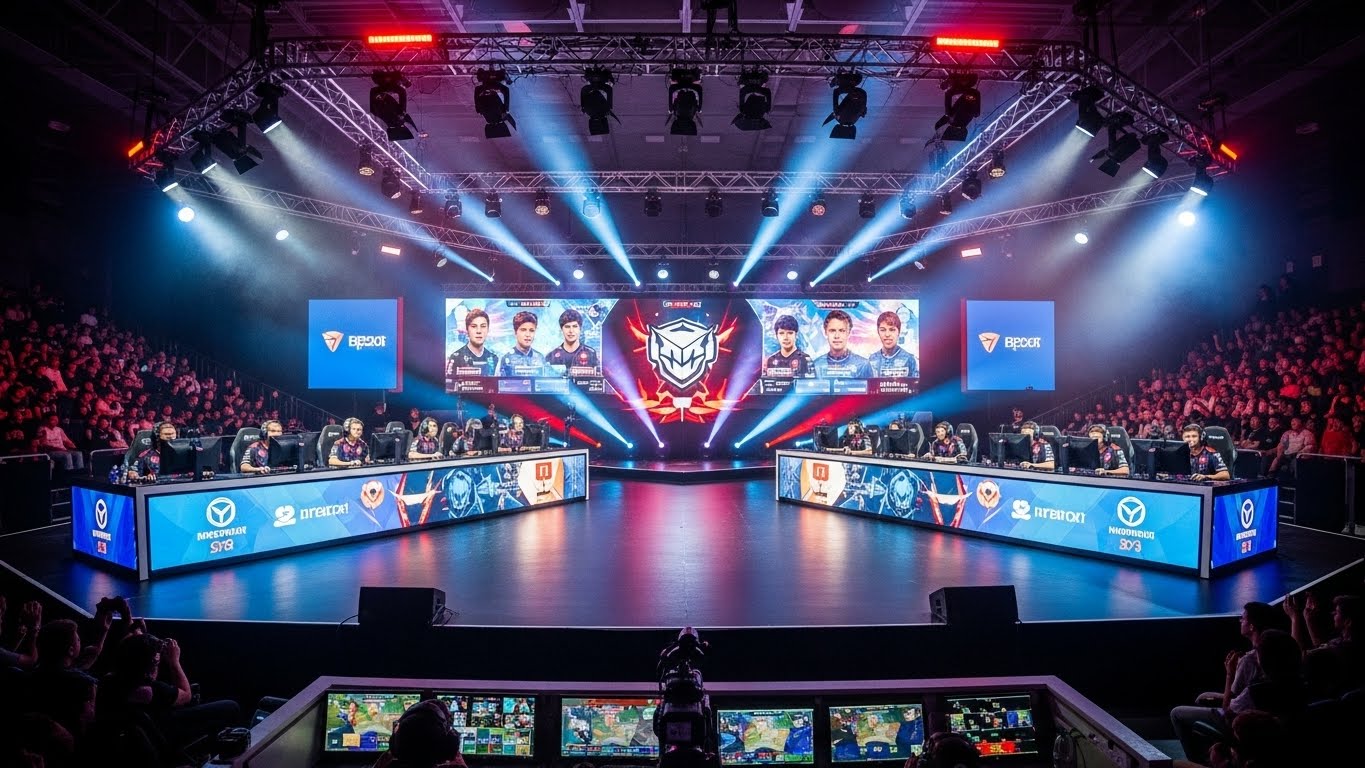
Esports now spans continents, languages, and cultures. Tournaments are held in packed stadiums, watched by millions online. Top players are celebrities. Sponsorships from non‑endemic brands (i.e., outside gaming) abound. The ecosystem comprises players, teams, leagues, broadcast platforms, event organizers, sponsors, and fans.
The Anatomy of an Esports Ecosystem
To understand why esports works—and what challenges it faces—it helps to break down the major components.
Game Publishers and Developers
In traditional sports, the rules and organization are somewhat separated from the game itself. In esports, however, the publisher (the company that created the game) holds significant power: they control balance updates, tournament rules, licensing, and often broadcast rights. A game’s ecosystem thrives only so long as the publisher supports it.
Developers decide when to add new characters, nerf overpowered mechanics, or introduce new maps. These changes affect competitive play directly, so the relationship between developers and pro communities is critical. A bad patch or unpopular design choice can alienate players and harm viewership.
Teams and Organizations
Professional teams employ players—but also coaches, analysts, managers, content creators, marketing staff, and more. Teams provide structure, training environments, support systems, and brand identity. Some teams own multiple rosters across different game titles.
Revenue streams for teams include sponsorships, merchandise, media rights, and tournament winnings. Teams must manage performance, branding, and business operations—just like traditional sports clubs.
Players, Coaching, and Support Staff
Top esports athletes train hard. Their daily routines may include:
- Skill drills: mechanical practice, aim training, reaction exercises
- Strategy sessions: reviewing replays, analyzing opponents, planning compositions
- Team scrimmages (scrims): practice matches against other teams
- Physical and mental conditioning: fitness, rest, nutrition, mental health support
Support staff like coaches, strategists, psychologists, and physiotherapists are increasingly common. Esports has acknowledged that burnout, wrist injuries, and mental strain are real risks.
Tournament Organizers and Leagues
Organizers design competition formats, set rules, manage event logistics, and produce broadcasts. Leagues (e.g. regional circuits) create predictable seasons with promotion/relegation systems or franchise models. Knockout tournaments, group stages, round robins—all add variety and drama.
These events may be online, offline, or hybrid. Offline events require venue readiness, stage production, spectator experience, and more. Organizers must balance competitive integrity (ping, equipment fairness) with spectacle (crowd, lighting, production value).
Broadcast Platforms and Media
Live streaming is central. Platforms host match broadcasts, chat interaction, and highlight clips. Commentary teams (casters) narrate matches, adding color, context, and excitement. Observers control camera angles, replays, and visuals.
Beyond live events, esports media includes interviews, docuseries, news coverage, player profiles, podcasts, and editorial content. Media helps expand audience engagement and connects fans deeper to the scene.
Sponsors and Brands
Esports draws sponsors both endemic (hardware, peripherals, gaming products) and non‑endemic (automotive brands, apparel, consumer goods, energy drinks). Brands attach logos to team jerseys, event stages, ad slots, and promotional campaigns.
A key tension is authenticity: fans check whether brands genuinely understand gaming culture or just leap in for trends. Successful partnerships often include co‑created content, community activations, and meaningful integration.
Fans and Community
At its heart, esports thrives because of passionate fans. Communities congregate on forums, streaming chats, Discord servers, social media, and in‑person meetups. They debate strategies, cheer for teams, create memes, and build identity.
Fan engagement is deeper than passive viewing: interactive broadcasts, fantasy leagues, merch, and in‑game events help pull fans into the ecosystem. Community feedback can influence game balance, tournament decisions, and team branding.
Why Esports Appeals: The Psychology of the Digital Arena
High Accessibility and Global Reach
Unlike traditional sports, esports require minimal physical infrastructure. A gamer in a remote village can compete online and access international tournaments. This democratizes entry and produces geographically diverse talent pipelines.
Fast Iteration and Variety
Video games evolve rapidly. New patches, game modes, and titles keep competitive scenes fresh. Fans migrate to new games, breeding vibrant meta shifts and emergent strategies. This flexibility prevents stagnation that some traditional sports struggle with.
Spectacle and Narrative
Esports thrives on stories: rookie upsets, dynastic teams, comeback narratives, rivalries. Tournaments are dramatic theaters, with underdog runs, pivotal moments, and emotional climaxes. Commentators, cinematics, and broadcast production amplify the spectacle.
Player Identity and Celebrity
Top players accrue personality, visibility, and fan followings. They stream, post content, and engage directly with fans in ways traditional athletes often cannot. This bridges gaps and creates a more intimate connection between players and audiences.
Integration with Technology
Esports fits naturally into the digital age. Streaming, overlays, augmented reality graphics, in‑game stats, predictive analytics, interactive polls—all can be integrated into the viewer experience. This synergy is harder for traditional sports.
Challenges and Criticisms
As promising as esports is, it has growing pains and critiques.
Sustainability of Titles
Because so much depends on publishers, a game’s popularity can die fast. If a publisher shifts focus, stops updating, or fails to support the pro scene, player bases can collapse. That volatility discourages long‑term investments.
Player Welfare and Burnout
The grind to stay at the top is grueling. Repetitive strain injuries, mental health struggles, erratic schedules, and burnout are real problems. Many players retire early because the lifestyle is not sustainable long term.
Financial Inequality
Prize pools are top heavy: only elite teams and players consistently earn life‑changing sums. Smaller teams often struggle to break even. Without revenue sharing or stable salaries, many talented players drop out due to financial stress.
Cheating, Match Fixing, and Integrity
Because matches happen digitally, vulnerabilities exist: collusion, cheating software, or inside trading scandals. Maintaining competitive integrity demands strict rules, oversight, and transparent governance.
Fragmentation and Overlapping Leagues
Multiple publishers, rival leagues, and fragmented tournaments can dilute fan attention and sponsor capital. Some regions dominate in prestige, leading to global disparities. Coordination is chaotic compared to unified structures in traditional sport.
Access and Equity
Although esports is digitally accessible, not everyone has access to high‑end hardware, fast internet, or stable infrastructure. Regions with weaker connectivity or economic constraints may be underrepresented.
Case Studies: Iconic Esports Titles and Their Impact
League of Legends
One of the flagship esports, “League of Legends” supports a fully franchised global league system. Riot Games, the publisher, organizes regional leagues (e.g. LCS, LEC, LCK) and a yearly World Championship. The game’s emphasis on team composition, macro strategy, and frequent updates keeps its competitive scene evolving.
Counter‑Strike: Global Offensive (CS:GO)
As a long‑running classic, CS:GO’s core gameplay—team deathmatch, bomb defusal—remains largely unchanged. Esports organizers host major tournaments (Majors) that draw massive viewership. The consistency of the rules and appeal of pure competitive play keep CS:GO evergreen.
Dota 2
Dota 2 stands out for its community‑funded prize pools, especially The International, which often boasts tens of millions in prize money. Its deep strategic complexity and unpredictable meta make it exciting and challenging, though its steep learning curve can sometimes deter new spectators.
Overwatch and Valorant
These first‑person shooters blend hero abilities with shooting mechanics. Valorant adds a modern twist with tactical agents and unique abilities tied to maps. Franchised leagues and publisher backing make these games examples of how new esports can be built from the ground up.
The Journey of a Pro Player: From Amateur to Legend
Discovery and Amateur Ranks
Most professionals start at local tournaments, online ladders, or amateur circuits. Streaming success or standout performances often attract attention. Some players are scouted early by semi‑pro teams.
Joining a Team and Professionalization
Once selected, players sign contracts that may include salaries, benefits, training resources, and performance incentives. They integrate into team houses or remote bootcamps. Their lives become regimented: scrims, review, fitness, content creation, media obligations.
Climbing the Ranks and Earning Prestige
Teams compete in regional leagues and qualifiers. Winning or placing high raises visibility, reputation, and potential sponsorship. Top performance unlocks invitations to global tournaments, where legacy is made.
Aging Out and Transition
Esports careers tend to be shorter than traditional sports. Players may retire in their mid‑20s or transition into coaching, content creation, analysis, or managerial roles. Their insight and name recognition often make them valuable assets beyond active play.
Esports and Education: New Opportunities for Youth
Recognizing the rising relevance, educational institutions now offer esports programs, scholarships, and clubs. Students can major in esports management, broadcasting, or game design. Universities host intercollegiate esports leagues that mirror traditional sports structures.
These programs build skills in team dynamics, media, event management, and technology. Moreover, they provide healthier pathways—supervised environments, coaching, academic balance—for youth passion to become viable careers.
The Business Model: Monetization Across the Ecosystem
Prize Pools and Revenue Sharing
High‑profile tournaments often guarantee prize pools funded by organizers, sponsors, or crowdfunding. Some leagues guarantee a minimum share of revenue to teams (media rights, sponsorship splits). This helps stabilize team finances.
Sponsorships and Brand Activations
Sponsorship deals may include brand placement on jerseys, in broadcasts, product tie‑ins, and cross‑platform content. Smart brands engage gaming communities authentically—content creation, influencer collaborations, interactive campaigns.
Media Rights and Broadcast Deals
As viewership grows, media rights become valuable assets. Esports organizations negotiate deals with streaming platforms, social media networks, or broadcasters. Exclusive streaming rights can command high fees.
Merchandise and Fan Commerce
Team merchandise—jerseys, apparel, accessories, digital goods—drives revenue. Limited editions, collaborations, and in‑game skins increase appeal. Fans wear their allegiance proudly.
Ticket Sales and Live Events
Offline events generate ticket sales, VIP packages, and venue revenue (food, merchandise, sponsorship booths). Live audience engagement enhances value for sponsors and fans alike.
Digital Monetization
Virtual passes, in‑game tie‑ins, enhanced viewing experiences (premium overlays, stats), and microtransactions tied to events can directly monetize fan engagement.
Building a Sustainable Future: Key Strategies
Diversified Revenue Streams
Dependence on a single revenue source (e.g. sponsorships) can be risky. Teams and leagues must balance prize money, media, merchandise, and fan monetization to weather fluctuations.
Investment in Player Welfare
To retain talent and maintain long careers, organizations must prioritize physical health, mental health, rest, recovery, and long‑term contracts. Burnout and injury mitigation are essential.
Governance and Standardization
At the moment, the esports industry is fragmented. Establishing common standards—codes of conduct, tournament integrity bodies, dispute resolution systems—will lend credibility and stability.
Regional Development and Infrastructure
Investing in grassroots scenes, improving internet and hardware access, and training local talent will reduce dominance gaps and expand global growth.
Adaptation to Technological Change
Emerging technologies like augmented reality, virtual reality, AI analytics, and interactive streaming could reshape viewing experiences. The industry must stay agile to adopt innovations.
Community Engagement and Transparency
Esports thrives on trust. Organizers and publishers should incorporate community feedback, be transparent about decisions, and nurture fan relationships to avoid backlash or alienation.
A Glimpse Ahead: The Future of Esports
Cross‑Media Integration and Storytelling
Esports could intersect more deeply with entertainment—documentaries, animated series, reality shows, fantasy leagues, virtual meetups. These narratives help anchor esports more firmly into mainstream culture.
Meta‑Universes and Interactive Viewership
Imagine immersive broadcasts where viewers interact with matches: switching camera angles, overlaying stats, buying in‑game items during live matches, or placing fantasy bets within authorized systems. A merge between gaming, entertainment, and social media looms.
VR/AR Esports
While still niche, competitions in virtual reality or augmented reality could emerge. Imagine stadium experiences where spectators and players occupy digital/physical hybrid spaces. These could demand new formats, hardware, and viewing innovations.
Traditional Sports Collaboration
We’ve already seen crossover: football clubs, basketball teams, and traditional sports brands entering esports. That trend will likely deepen, merging talent development, brand exposure, and shared audience.
Inclusion and Diversity
Esports has potential to be more inclusive than traditional sports. Projects promoting gender diversity, accessibility for disabled players (custom controllers, adaptive setups), and broader representation could reshape the cultural face of competition.
Longevity and Legacy
For esports to become a generation‑spanning institution, it must mature structurally, ethically, financially, and socially. Leagues that last decades, stars that transcend a single game, and institutions that preserve legacy will define success.
Conclusion: From Pixels to Promise
The rise of esports is more than just a flashy trend—it’s a redefinition of competition for the digital era. It brings together technology, community, storytelling, skill, and business in an ecosystem that hums with energy and potential. From grassroots LAN parties to global stadium spectacles, esports show how human ingenuity and passion reshape what sport can be.
But like any new frontier, esports faces trials—player welfare, financial equity, governance, sustainability. The path forward isn’t guaranteed. It demands careful stewardship, innovation, humility, and responsiveness to what fans and players value.
Yet the promise is high. In esports, a player in a remote region can fight on the global stage. A fan can feel intimately connected, not just a spectator. A sponsor can tap into culture instead of selling it. And future generations may look back and call this age the dawn of a new kind of athletic expression.
So whether you’re a curious newcomer or a hardened fan, the esports saga is still being written. The legends are rising. The pixels will pulse. And the arenas—real and virtual—await.