Introduction
Every successful team, whether in esports, business, or traditional sports, thrives on clear structure, communication, and collaboration. At the heart of these qualities lies an essential concept: role distribution. In any coordinated effort, understanding who does what—and how those roles complement one another—determines the team’s overall success.
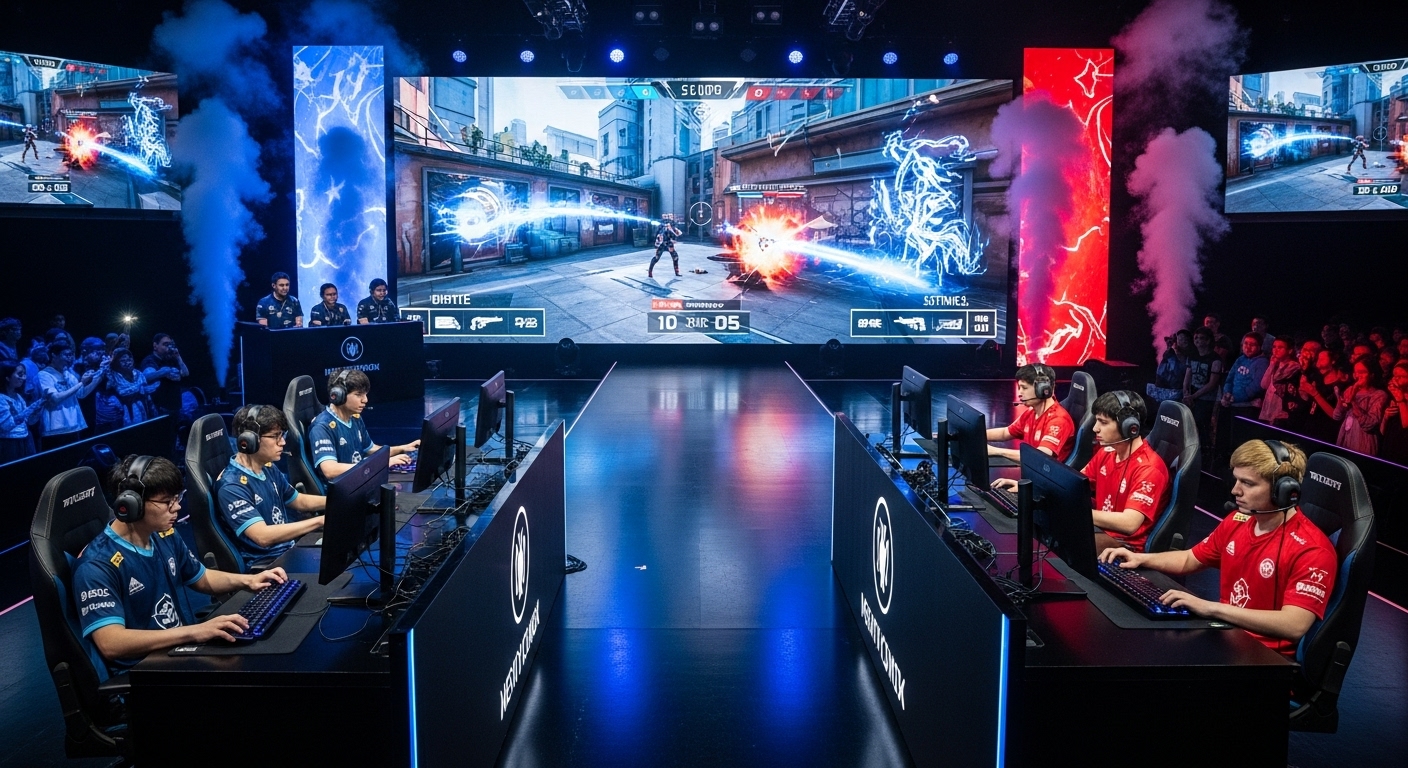
In esports, role distribution is even more crucial because every second counts. One player’s hesitation or miscommunication can decide the outcome of a match. The same holds true for any high-performance team environment. When roles are well-defined and distributed effectively, efficiency improves, morale rises, and the chances of victory increase.
This article explores the best role distribution methods, diving deep into how teams can assign, manage, and refine roles to achieve maximum synergy. From esports lineups to corporate teams, the principles remain universal: clarity, flexibility, and trust are key.
1. The Importance of Proper Role Distribution
Before examining the methods, it’s important to understand why proper role distribution matters so much. When team members know their responsibilities, it minimizes confusion and duplication of effort. It also ensures that everyone contributes according to their strengths.
In esports, for example, a team may consist of five players, each specializing in a specific role such as support, carry, in-game leader, or strategist. If roles are unclear, players may overlap tasks or compete for control, weakening coordination. The same logic applies in workplaces—poorly distributed roles lead to burnout, frustration, and decreased performance.
Proper role distribution aligns individual skills with collective goals. It establishes accountability while allowing autonomy. More importantly, it fosters trust: every member understands that others will handle their responsibilities, freeing everyone to focus on what they do best.
2. Understanding Team Dynamics Before Assigning Roles
The first step in effective role distribution is to analyze team dynamics. Each team is a blend of personalities, skill levels, and communication styles. Before assigning roles, leaders must evaluate these dynamics carefully.
Key factors include:
- Individual strengths: What does each member excel at? Technical skill, communication, strategy, or adaptability?
- Preferred working style: Some players or employees prefer structured tasks; others thrive in creative or reactive roles.
- Leadership tendencies: Identifying natural leaders helps assign responsibility for coordination and decision-making.
- Compatibility: Pairing members who communicate well enhances performance and reduces tension.
A strong understanding of these dynamics ensures that roles are not assigned randomly but strategically—matching people to the tasks where they can excel and contribute most effectively.
3. Skill-Based Role Assignment
One of the most common and effective role distribution methods is skill-based assignment. This approach matches each team member to a role based on their core strengths, technical proficiency, and comfort level.
In esports, this could mean assigning the most accurate shooter to a damage-dealing role, while a player with excellent game sense becomes the strategist or support. In the workplace, a data-driven individual may handle analytics, while a persuasive communicator leads presentations.
Skill-based distribution allows teams to perform efficiently because each member focuses on what they are best at. However, it also requires ongoing evaluation—skills evolve over time, and roles should adapt accordingly.
Regular performance reviews, open discussions, and feedback sessions help ensure that roles remain aligned with individual growth.
4. Personality-Based Role Distribution
While skills are vital, personality plays an equally important role in effective distribution. Teams consist of different behavioral types: leaders, analysts, communicators, supporters, and innovators. Balancing these personalities ensures harmony and efficiency.
For example, a strong leader might excel in a coordinator role but could clash with another dominant personality if roles aren’t clear. Similarly, a reserved team member might perform better in analytical or supportive roles rather than public-facing ones.
Tools like personality assessments or internal evaluations can help identify each member’s natural tendencies. The goal is not to label people but to understand how they function best within the team’s structure.
When personalities align with roles, communication improves, conflicts reduce, and motivation rises—creating a more cohesive and positive working environment.
5. The Flexibility Method
While structured role distribution is critical, flexibility is equally important. The flexibility method involves cross-training team members so they can temporarily take over other roles if needed.
In esports, this means that if a main shot-caller is unavailable, another player can assume the leadership role. In business, flexibility allows employees to handle overlapping tasks, preventing delays when someone is absent or a project changes direction.
This method builds resilience. Teams that rely too heavily on rigid structures risk collapsing under unexpected pressure. Flexibility encourages adaptability and growth while maintaining stability during transitions.
To implement this effectively, leaders should provide opportunities for members to learn about different roles, understand overlapping responsibilities, and develop empathy for teammates’ challenges.
6. The Rotational Method
The rotational method involves regularly switching team members between roles to broaden their experience and keep engagement high.
This technique is especially valuable for teams that depend on creativity or dynamic problem-solving. In esports, rotating between tactical and operational roles helps players develop a deeper understanding of team strategy. In workplaces, rotation between departments builds collaboration and reduces monotony.
Rotational distribution also identifies hidden talents. Sometimes, a team member may excel in a role they never expected to perform. It encourages versatility and fosters a culture of learning and mutual respect.
However, this method must be managed carefully. Constant rotation without structure can lead to confusion. The key is planned, timed rotations with clear learning objectives and feedback cycles.
7. Role Clarity through Communication
Even the best distribution methods fail without clear communication. Role clarity is the cornerstone of teamwork. Each member should know not only their duties but also how their work connects to others.
Regular meetings, briefings, and one-on-one check-ins help reinforce understanding. Leaders must encourage open dialogue so members can clarify responsibilities, express concerns, or request support.
In esports, communication clarity is critical—teams rely on instant, precise information exchange. Similarly, in business or creative projects, knowing who to turn to for what saves time and reduces frustration.
Good communication ensures that role distribution doesn’t create silos but fosters collaboration across the entire team structure.
8. Task Specialization and Micro-Roles
As teams grow, task specialization becomes increasingly necessary. Micro-roles—subdivisions within major roles—help distribute workload more efficiently.
In esports, one player might specialize in early-game strategy while another focuses on late-game decisions. In corporate settings, a marketing department might have separate specialists for social media, analytics, and copywriting.
Micro-roles improve precision and accountability. Each member knows their domain and can become a true expert in it. However, this approach requires coordination to prevent fragmentation. Over-specialization can create disconnects if not properly managed.
The best way to balance this method is by maintaining shared goals and frequent cross-role communication to ensure unity of direction.
9. Leadership-Centered Distribution
A highly effective method involves distributing roles around a central leadership figure who delegates based on real-time analysis.
In competitive esports, the in-game leader (IGL) performs this role. They monitor team performance, make tactical adjustments, and decide when to reassign responsibilities during matches. In organizations, project managers or team leads perform a similar function.
This structure works best in fast-paced environments where conditions change rapidly. The leader’s ability to evaluate team performance and redistribute tasks dynamically ensures agility and efficiency.
However, it requires a leader who is not only strategic but also empathetic—someone who listens, understands team capacity, and makes decisions that benefit the collective, not just the plan.
10. Hybrid Role Distribution
The hybrid method combines elements from multiple distribution strategies—balancing skill-based assignments, personality alignment, and flexibility.
This method is often seen in advanced esports organizations and innovative companies that value both structure and adaptability. Players or employees may have a “primary role” based on skill but also secondary responsibilities that draw on personality strengths.
For instance, a player might be a mechanical expert but also serve as morale leader. A data analyst might take on communication duties because they naturally build rapport with others.
Hybrid structures allow for deeper collaboration and create well-rounded team members who understand multiple aspects of performance and coordination.
It’s a complex system to manage, but when executed correctly, it produces resilient, intelligent, and cooperative teams.
11. Role Distribution Based on Team Goals
Effective role distribution should always reflect the team’s overarching objectives. If the goal is rapid innovation, roles should emphasize creativity and flexibility. If the goal is precision and consistency, structure and specialization take priority.
In esports, an aggressive playstyle demands fast decision-makers and mechanically skilled players in core roles. A defensive strategy, on the other hand, prioritizes analysts and communicators.
The same principle applies to any team: role assignments should evolve with objectives. Quarterly or seasonal evaluations can help teams realign roles as goals shift.
When everyone’s role supports the collective vision, performance becomes seamless, and motivation remains high.
12. Balancing Authority and Collaboration
A crucial part of role distribution involves managing authority levels. Too much hierarchy can stifle creativity, while too little can lead to chaos.
The best teams strike a balance: clear leadership with room for input. In esports, this means that while one player may call tactics, others are encouraged to offer suggestions or call out observations. In workplaces, leaders can delegate decision-making within boundaries.
Collaborative authority ensures that everyone feels valued and responsible. When team members have partial control over their domains, they take greater ownership of results.
This balance strengthens both accountability and innovation, leading to a more dynamic and motivated team environment.
13. Adapting Roles in Response to Performance Data
Data-driven evaluation is one of the most modern and reliable ways to refine role distribution. By tracking performance metrics, teams can identify strengths, weaknesses, and inefficiencies.
In esports, analytics tools measure factors like accuracy, reaction time, or decision efficiency. In workplaces, data might involve productivity, customer engagement, or project completion rates.
Leaders can use this information to redistribute roles strategically—assigning players or employees to positions where they statistically perform best.
This method promotes transparency and continuous improvement. When team members see objective data guiding decisions, they’re more likely to trust leadership and commit to development.
14. Encouraging Ownership and Self-Selection
Some of the most successful teams allow members to choose their own roles within guided boundaries. Self-selection empowers individuals to take responsibility for their choices, increasing motivation and satisfaction.
When people select roles that align with their interests and strengths, they perform with passion and creativity. In esports, players might naturally gravitate toward roles that suit their mindset—such as a calm strategist or an aggressive attacker.
Leaders can facilitate this process by presenting the team’s needs and allowing open discussion about who fits where. The key is transparency, trust, and mutual respect.
Ownership turns role distribution from a command structure into a collaborative, purpose-driven process.
15. Regular Review and Realignment
Even the best role distribution method needs constant review. Teams evolve. Players improve, new challenges emerge, and dynamics shift.
Periodic evaluation sessions—monthly or seasonal—allow leaders and members to discuss what’s working and what isn’t. Adjustments can be made based on feedback, data, or changing objectives.
Regular reviews prevent stagnation and ensure that everyone continues to grow in their positions. It also reinforces the idea that roles are not rigid boxes but evolving contributions to a shared mission.
By encouraging open dialogue during reviews, teams maintain transparency, fairness, and enthusiasm for improvement.
16. Emotional Intelligence in Role Distribution
A factor often overlooked in assigning roles is emotional intelligence. Understanding how people handle stress, conflict, and teamwork helps determine their ideal responsibilities.
A player or employee with strong empathy might excel in supportive roles, while someone with calm decision-making thrives under pressure-filled leadership duties. Emotional awareness ensures that roles align not only with skill but also with temperament.
When emotional intelligence informs role distribution, the team becomes more balanced. Members understand and respect each other’s limits, leading to fewer conflicts and more sustainable performance under pressure.
17. The Future of Role Distribution
As esports and digital teamwork continue to evolve, so will the methods of distributing roles. Artificial intelligence, data analytics, and advanced collaboration tools will allow even more precise assignments in the future.
AI can already analyze gameplay or productivity data to recommend role adjustments. Virtual environments will allow teams to simulate scenarios and test new structures before implementing them.
However, technology will never replace human understanding. The future of role distribution lies in combining data with empathy—using insights to enhance human connection, not replace it.
Teams that embrace both will stay agile, innovative, and balanced in an increasingly fast-paced world.
Conclusion
The best role distribution methods are not about rigid rules or static hierarchies—they’re about balance, communication, and growth. Whether in esports or business, effective teams thrive when every member understands their role, feels valued, and can rely on others to fulfill theirs.
From skill-based and personality-driven assignments to flexible and hybrid approaches, each method contributes to a shared goal: harmony in collaboration. The most successful teams continuously evaluate, adapt, and evolve their role distribution as they learn and grow.
At its core, good role distribution is about trust. It’s the belief that everyone has a place, a purpose, and the power to make the team stronger. When that belief is shared by all, success becomes not just a goal—but an inevitable outcome.