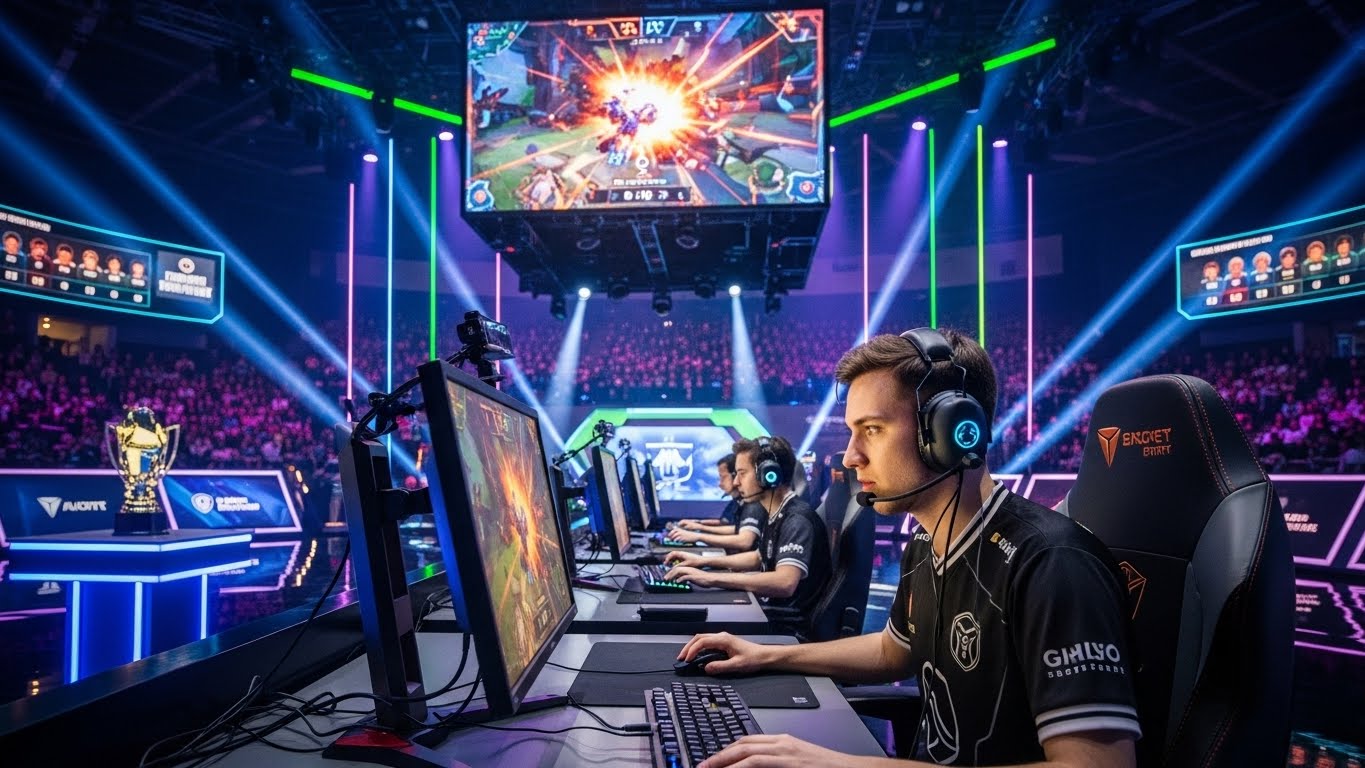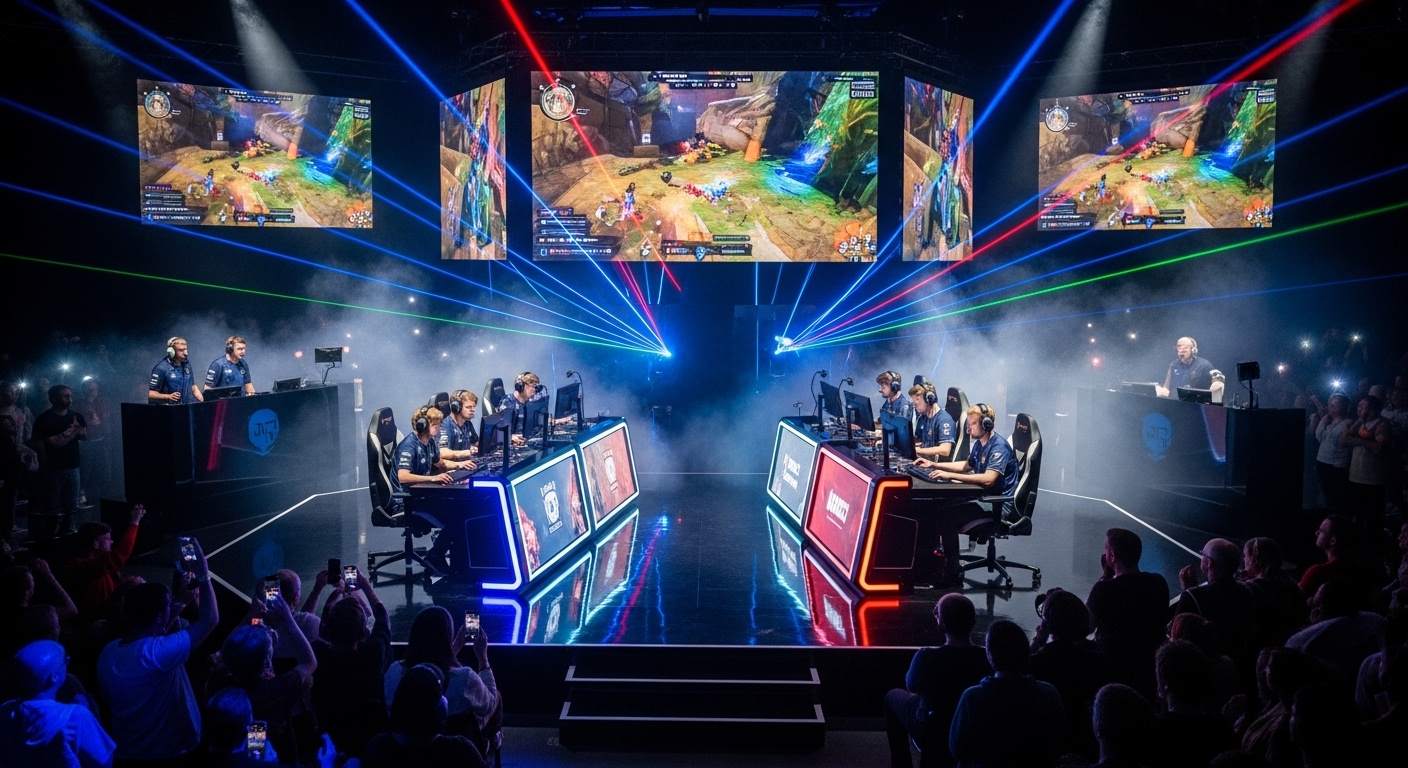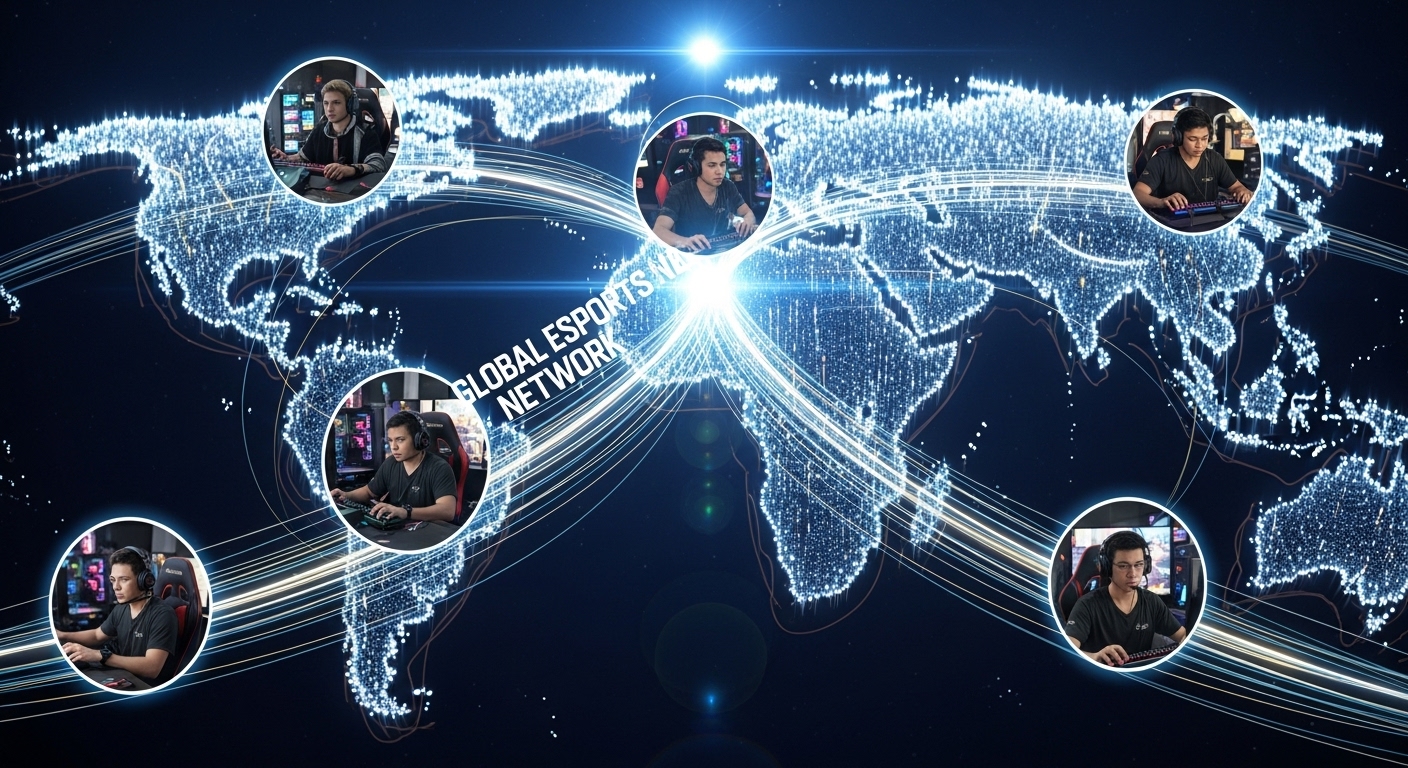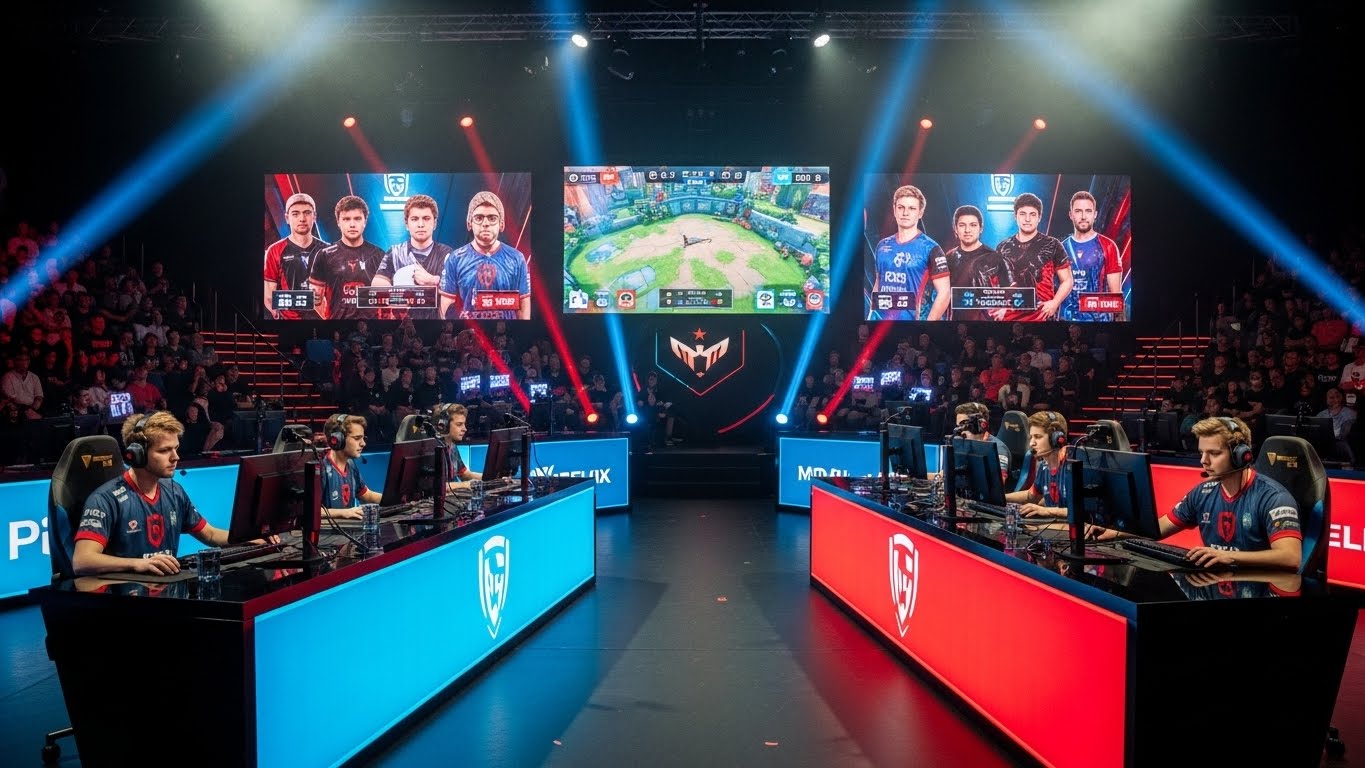
Esports has transformed from a casual pastime into a global competitive industry that rivals traditional sports in popularity, influence, and revenue. What was once seen as simple video gaming has evolved into a structured ecosystem featuring professional players, global tournaments, passionate fanbases, and dedicated careers. Esports is not just about entertainment anymore; it represents technological progress, cultural change, and new forms of competition. This blog explores the rise of esports, its structure, cultural significance, challenges, and its promising future.
Understanding Esports and Competitive Gaming
Esports, short for electronic sports, refers to organized competitive video gaming where players or teams compete against each other under standardized rules. These competitions are often hosted online or in physical arenas and are watched by millions of spectators worldwide. Unlike casual gaming, esports requires high levels of skill, strategic thinking, teamwork, and consistent practice.
Esports competitions are structured similarly to traditional sports, featuring leagues, seasons, rankings, and championships. Professional players train rigorously, follow disciplined schedules, and analyze gameplay to improve performance. This professional approach has helped legitimize esports as a serious competitive field rather than a recreational activity.
The Early Growth of Esports
The origins of esports can be traced back to the early days of arcade and console gaming. Friendly competitions among players gradually evolved into organized tournaments as gaming technology advanced. The introduction of multiplayer games and internet connectivity allowed players from different regions to compete, laying the foundation for global esports communities.
As gaming became more accessible, competitive scenes began forming around popular titles. Small local tournaments grew into national events, and eventually international championships. This steady progression marked the beginning of esports as an industry rather than a hobby.
Popular Esports Genres and Competitive Formats
Esports includes a wide variety of game genres, each offering unique competitive experiences. Multiplayer online battle arena games emphasize teamwork, strategic planning, and real-time decision-making. First-person shooter games focus on accuracy, reflexes, and tactical coordination. Strategy games reward long-term planning and adaptability, while sports simulation games appeal to fans of traditional athletics.
Each genre attracts a different audience and player skill set, contributing to the diversity of the esports ecosystem. Tournament formats vary from league-based seasons to knockout competitions, ensuring dynamic and engaging experiences for both players and spectators.
The Life of a Professional Esports Player
Becoming a professional esports player requires immense dedication and discipline. Players often train for several hours a day, refining mechanical skills, studying opponents, and practicing teamwork. Reaction speed, mental focus, communication, and adaptability are crucial for success at the highest level.
Professional players also face pressure from competition, performance expectations, and public scrutiny. Many teams provide support through coaching staff, analysts, and mental health professionals to help players maintain balance. Despite the challenges, successful esports careers can be rewarding, offering financial stability, recognition, and global exposure.
Esports as a Career Beyond Playing
The esports industry offers numerous career opportunities beyond professional gameplay. Coaches and analysts help teams develop strategies and improve performance. Broadcasters and commentators enhance viewer engagement by explaining gameplay and building excitement. Content creators and streamers connect directly with fans and build personal brands.
Additionally, careers in event management, marketing, game development, and production are essential to the esports ecosystem. These roles demonstrate that esports is not limited to players alone but supports a wide range of professions.
The Role of Streaming and Audience Engagement
Streaming platforms have played a major role in the growth of esports. Live broadcasts allow fans to watch tournaments in real time, interact with commentators, and support their favorite teams. This accessibility has expanded esports audiences far beyond physical venues.
Audience engagement is a defining feature of esports culture. Fans participate through live chats, social media discussions, and community events. This interactive experience strengthens the connection between players and viewers, making esports a highly immersive form of entertainment.
Cultural Impact of Esports
Esports has significantly influenced modern culture, especially among younger generations. Competitive gaming has shaped digital communities, fashion trends, and entertainment preferences. Esports athletes are recognized as role models and influencers, inspiring fans to pursue gaming seriously.
The global nature of esports encourages cultural exchange and collaboration. Players and teams from different countries compete and interact, fostering mutual respect and shared passion. Esports has become a platform where technology and culture intersect, redefining how people connect and compete.
Mental and Physical Health in Esports
Contrary to outdated stereotypes, esports demands both mental and physical fitness. Players must maintain concentration, manage stress, and make split-second decisions during intense matches. Long practice hours require proper posture, exercise, and rest to prevent injuries.
Mental health awareness is increasingly prioritized in esports. Teams and organizations now recognize the importance of psychological well-being, offering support systems to address burnout and performance anxiety. A healthy balance between competition and personal life is essential for long-term success.
Economic Growth and Industry Expansion
Esports has grown into a major economic force, generating revenue through sponsorships, merchandise, advertising, and tournament prizes. Large-scale events attract international audiences and boost local economies through tourism and employment opportunities.
Investments in esports infrastructure, such as training facilities and gaming arenas, reflect the industry’s long-term potential. As esports continues to expand, it contributes to technological innovation and economic diversification across regions.
Education and Skill Development Through Esports
Educational institutions are increasingly embracing esports as a tool for learning and development. Schools and universities offer esports programs that teach teamwork, leadership, problem-solving, and digital literacy. Scholarships and academic courses related to esports are becoming more common.
Esports also helps students develop transferable skills such as communication, strategic thinking, and time management. These skills are valuable not only within gaming but also in traditional career paths, highlighting esports’ broader educational value.
Challenges Facing the Esports Industry
Despite its success, esports faces challenges that must be addressed for sustainable growth. Issues such as player burnout, lack of standardized regulations, and toxic behavior within communities remain concerns. Gender inequality and inclusivity also require ongoing attention.
Addressing these challenges involves collaboration between developers, organizations, players, and fans. Ethical governance, community moderation, and support systems are essential to ensuring esports remains a positive and inclusive environment.
The Future of Esports
The future of esports is filled with innovation and opportunity. Advancements in technology such as virtual reality, artificial intelligence, and immersive broadcasting are expected to enhance gameplay and viewer experiences. Esports may also see greater integration with traditional sports and mainstream media.
As acceptance grows, esports will continue to influence education, entertainment, and professional development. Its adaptability and global reach position it as a defining aspect of digital culture in the years ahead.
Conclusion: Esports as a New Age of Competition
Esports represents a new era of competition shaped by technology, creativity, and global connectivity. It challenges traditional definitions of sports while offering unique opportunities for players, fans, and professionals. From grassroots communities to international championships, esports has proven its legitimacy and cultural significance.
As esports continues to evolve, it will shape how future generations compete, communicate, and collaborate. It is more than gaming; it is a reflection of modern society’s values, innovation, and passion for excellence. Esports stands as a powerful symbol of how digital platforms can unite people across borders and redefine what competition means in the modern world.