Introduction: From Bedroom Screens to World Stages
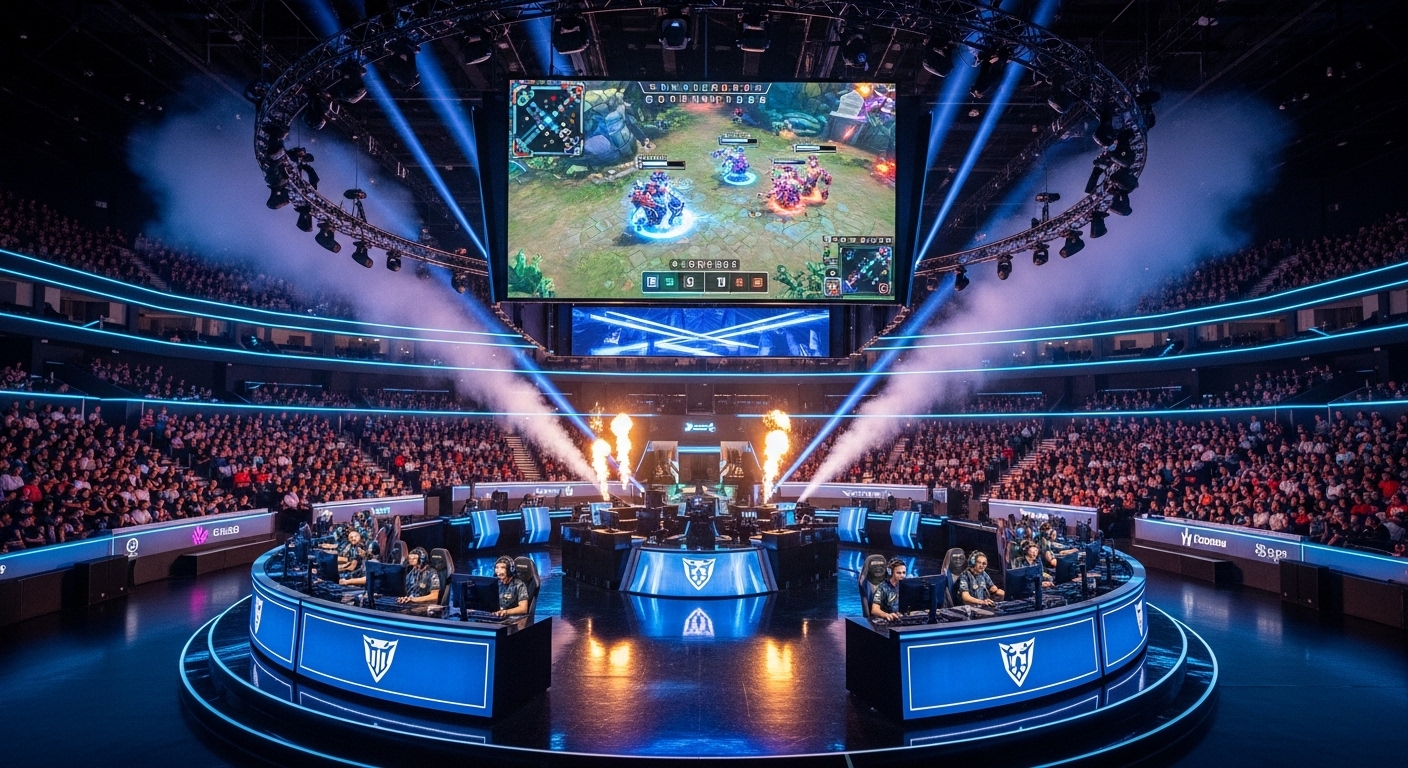
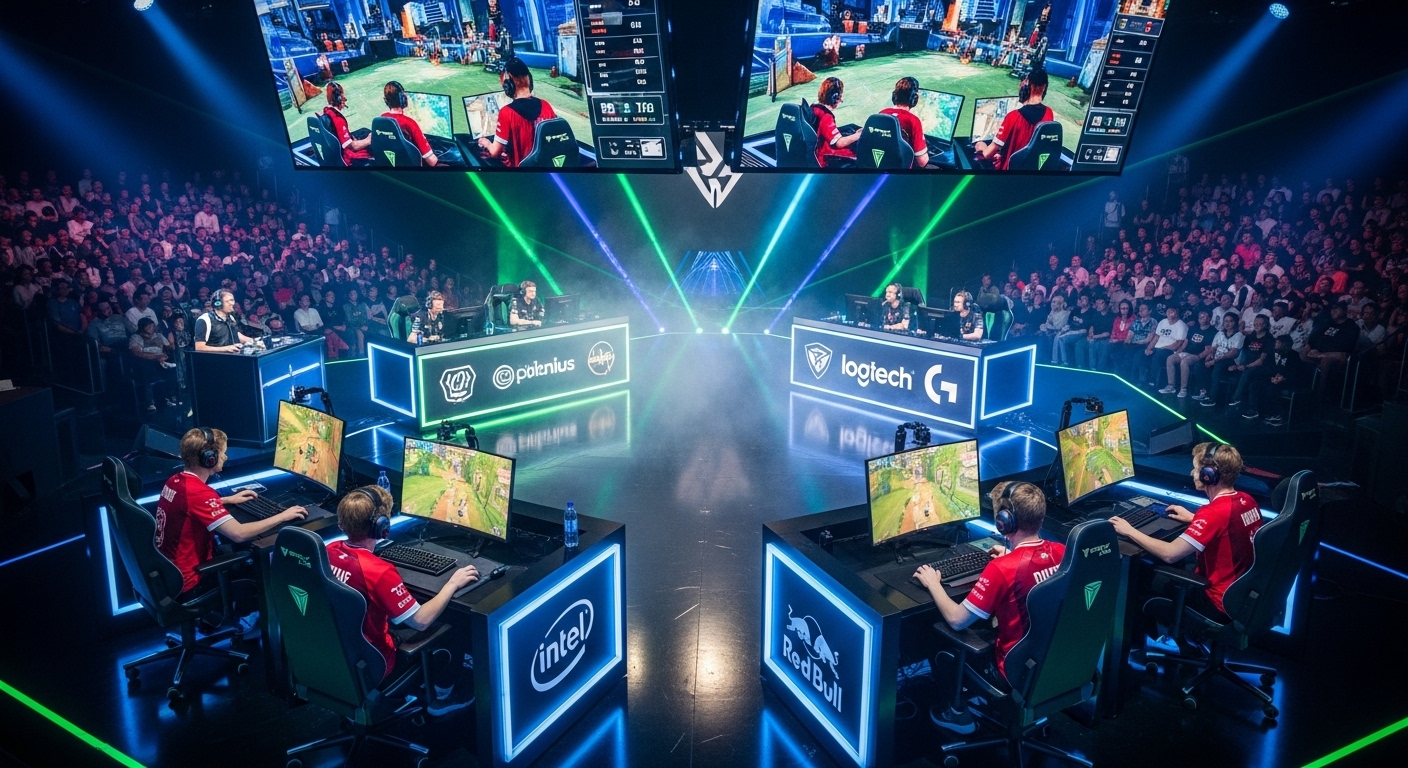
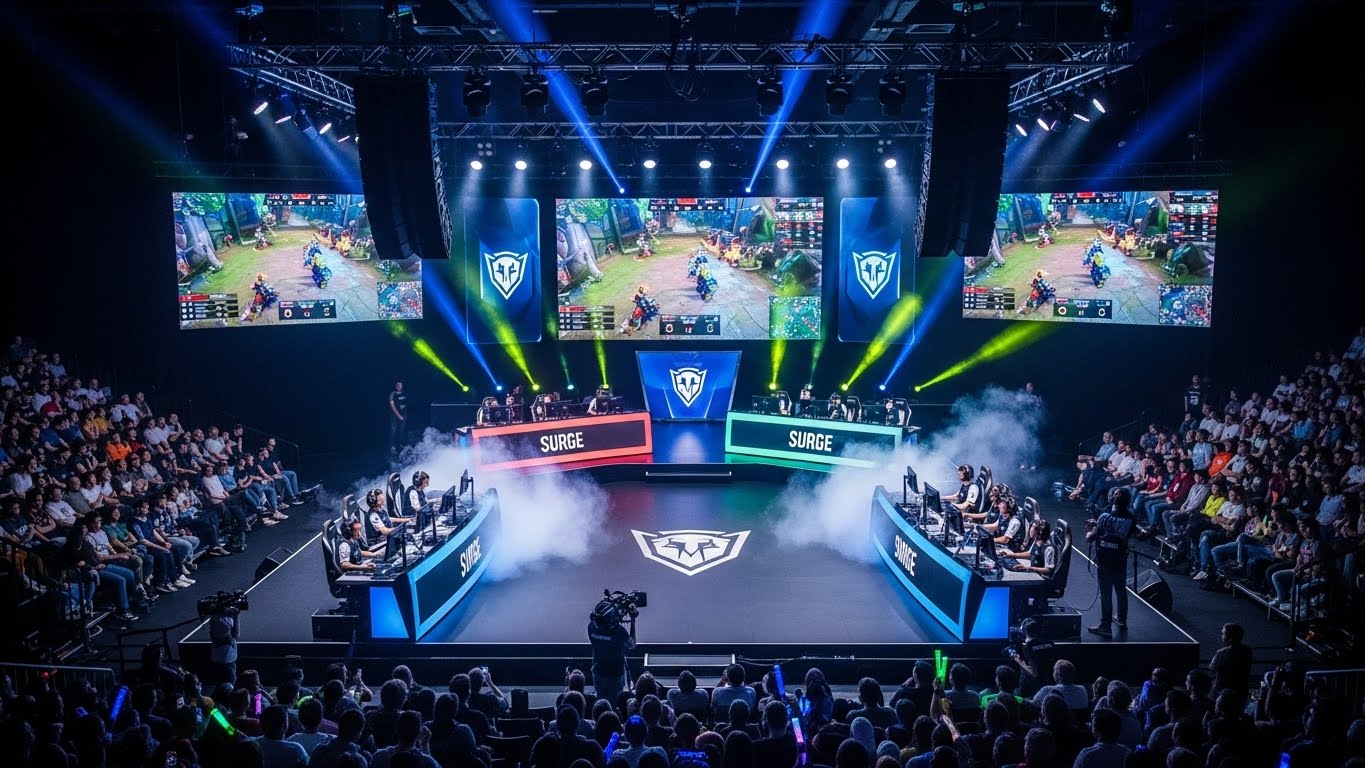
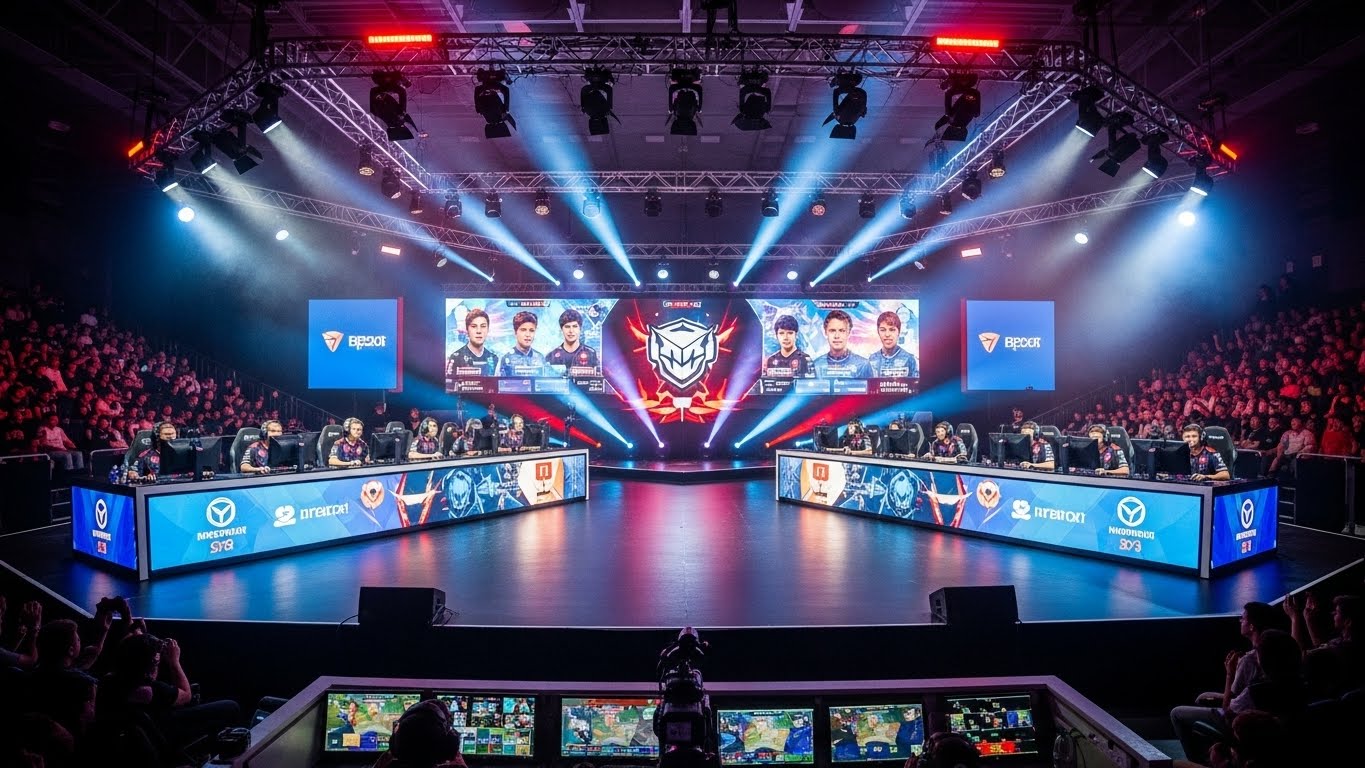
Esports, once a niche hobby confined to bedrooms and local gaming cafes, has evolved into a massive global industry. Competitive gaming now fills stadiums, attracts millions of online viewers, and generates revenue comparable to traditional sports. What was once dismissed as “just playing games” is now recognized as a legitimate profession, a form of entertainment, and a powerful cultural force shaping how younger generations connect, compete, and consume media.
Understanding Esports: More Than Just Gaming
Esports, short for electronic sports, refers to organized competitive video gaming. Players or teams compete in structured tournaments across various game genres such as multiplayer online battle arenas, first-person shooters, real-time strategy games, and sports simulations. Unlike casual gaming, esports demands high levels of skill, discipline, strategy, and teamwork. Professional players train for hours daily, analyze gameplay footage, and work with coaches, analysts, and sports psychologists to maintain peak performance.
The Early Days: Humble Beginnings of Competitive Gaming
The roots of esports can be traced back to the late twentieth century when small-scale competitions were held for arcade and computer games. These events were modest, often organized by game developers or enthusiast groups. As internet access expanded and online multiplayer gaming became more common, competitive gaming communities grew rapidly. Early tournaments laid the groundwork for the professional leagues and international championships seen today.
The Explosion of Popularity in the Digital Age
The true rise of esports coincided with the growth of high-speed internet, streaming platforms, and social media. Fans could now watch live matches, follow their favorite players, and engage with global communities in real time. This accessibility transformed esports into a spectator sport. Viewers were drawn not only by the games themselves but also by the personalities, rivalries, and dramatic storylines that emerged from competitive play.
Esports Titles and Genres: A Diverse Competitive Landscape
One of esports’ greatest strengths is its diversity. Different games appeal to different audiences, each offering unique mechanics and viewing experiences. Strategy-focused games emphasize tactical decision-making and teamwork, while shooter games highlight reflexes and precision. Sports-based games bridge the gap between traditional athletics and digital competition. This variety ensures that esports is not a single entity but an ecosystem of competitive experiences catering to a wide range of interests.
Professional Players: Athletes of the Digital Era
Esports professionals are often compared to traditional athletes, and for good reason. Their training schedules are intense, involving mechanical practice, strategic preparation, physical fitness routines, and mental conditioning. Reaction time, hand-eye coordination, and decision-making under pressure are critical skills. Many players begin their careers at a young age, reaching peak performance in their late teens or early twenties. The pressure to perform, combined with a short competitive lifespan, makes the profession both rewarding and demanding.
Teams, Organizations, and Leagues
Behind every successful player is a structured organization. Esports teams operate like traditional sports clubs, complete with managers, coaches, support staff, and sponsors. Major leagues and tournament circuits provide consistency and legitimacy to the scene. These organizations invest heavily in talent development, branding, and fan engagement, helping esports transition from grassroots competitions to polished global events.
The Role of Technology in Shaping Esports
Technology is the backbone of esports. Advances in gaming hardware, software optimization, and online infrastructure have made high-level competition possible on a global scale. Streaming technology allows millions of fans to watch matches live with minimal delay. Data analytics tools help teams analyze performance in detail, while virtual reality and augmented reality experiments hint at exciting future viewing experiences.
Esports and Traditional Sports: Competition or Collaboration
Rather than replacing traditional sports, esports has begun to coexist and collaborate with them. Many sports clubs have launched their own esports divisions, recognizing the opportunity to engage younger audiences. Athletes from traditional sports have invested in esports teams, while broadcasters have started airing major tournaments. This crossover highlights a broader shift in how society defines competition, athleticism, and entertainment.
Economic Impact: A Booming Global Industry
Esports has become a significant economic force. Revenue streams include sponsorships, advertising, merchandise, ticket sales, media rights, and in-game purchases. Major tournaments offer prize pools worth millions, attracting top talent from around the world. Cities and countries host large-scale events that boost tourism and local economies. As investment continues to grow, esports is increasingly viewed as a stable and lucrative industry.
Education and Career Opportunities in Esports
Beyond professional play, esports has opened doors to numerous career paths. Roles in coaching, event management, broadcasting, marketing, game development, and journalism are in high demand. Educational institutions have begun offering esports-related programs, scholarships, and research opportunities. This academic recognition further legitimizes esports as a serious field of study and employment.
Cultural Influence and Community Building
Esports has created global communities that transcend language and geography. Fans connect through shared passion, forming friendships and identities around teams and games. Streaming personalities and professional players influence fashion, music, and online culture. Esports also promotes inclusivity by allowing people of different physical abilities and backgrounds to compete on an equal playing field.
Challenges Facing the Esports Industry
Despite its growth, esports faces significant challenges. Issues such as player burnout, mental health concerns, lack of standardized governance, and cheating remain prevalent. The fast-paced nature of the industry can make long-term stability difficult for players and organizations alike. Addressing these problems is essential for sustainable growth and for protecting the well-being of those involved.
The Future of Esports: What Lies Ahead
The future of esports appears promising and dynamic. As technology evolves, new game genres and competitive formats will emerge. Improved infrastructure and regulation may lead to greater stability and wider mainstream acceptance. Esports could become a standard part of global entertainment, standing alongside traditional sports, film, and music as a dominant cultural medium.
Conclusion: Esports as a Defining Feature of Modern Entertainment
Esports is no longer a passing trend; it is a defining element of contemporary digital culture. Its journey from small gatherings of gamers to sold-out arenas and global broadcasts reflects broader changes in how people play, watch, and connect. As esports continues to grow, it challenges traditional notions of sport and competition while offering new opportunities for innovation, community, and expression. In a world increasingly shaped by technology, esports stands as a powerful symbol of how digital experiences can unite millions around the thrill of competition.