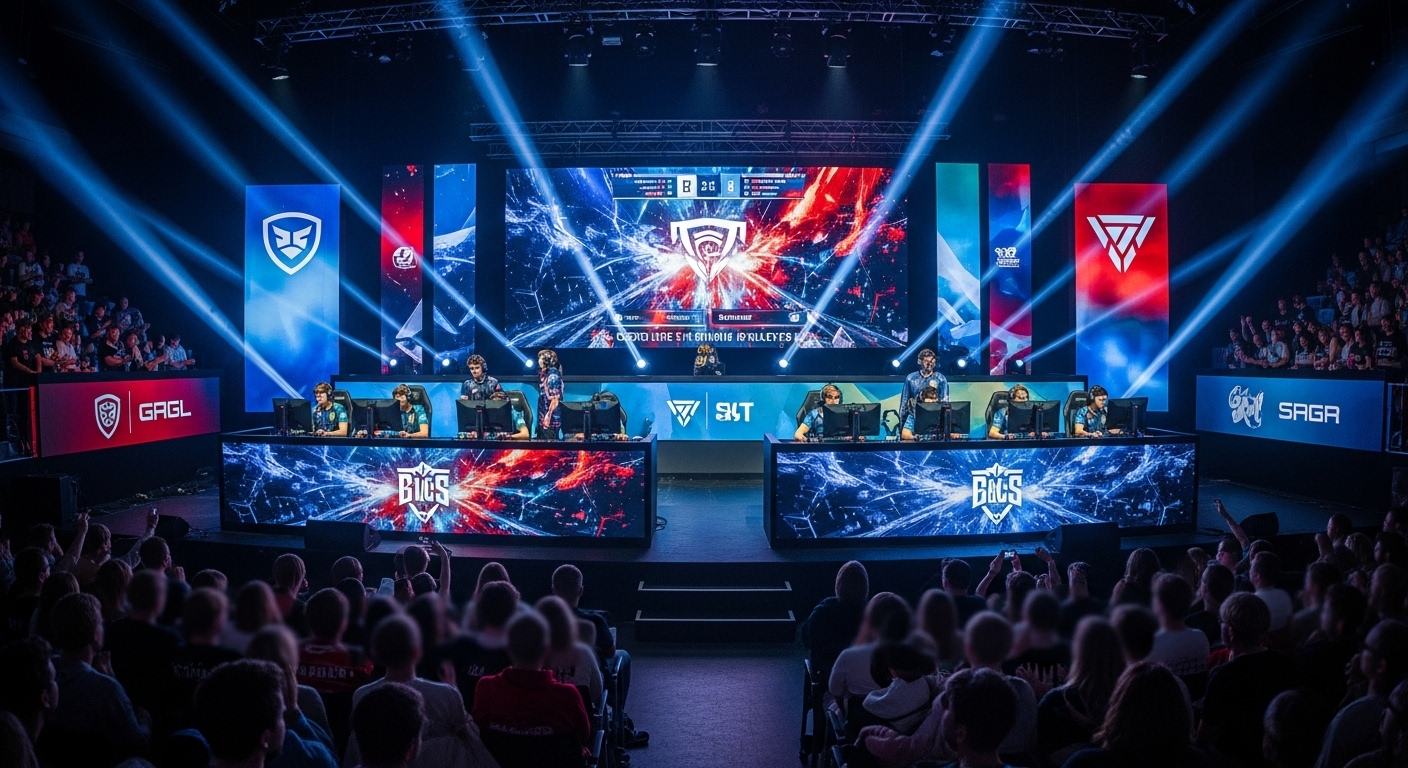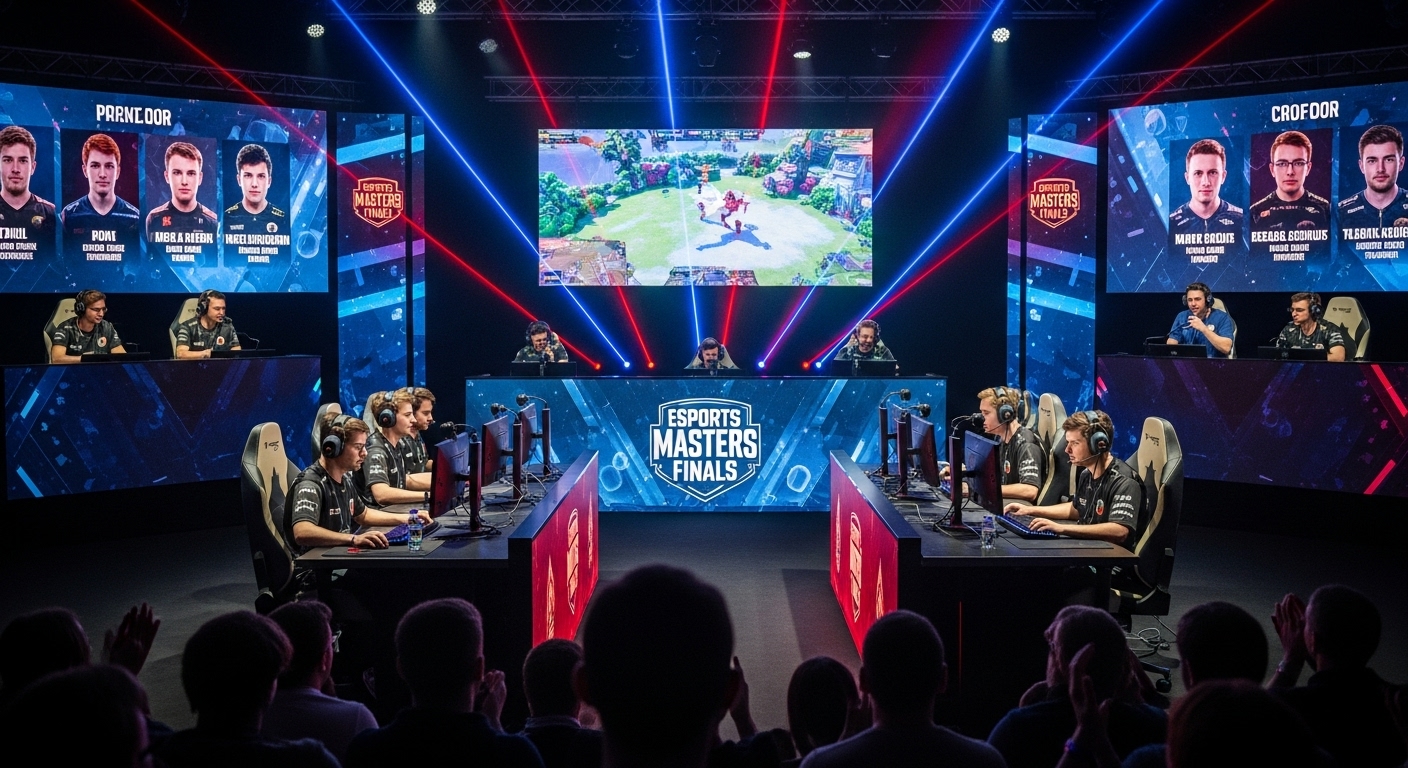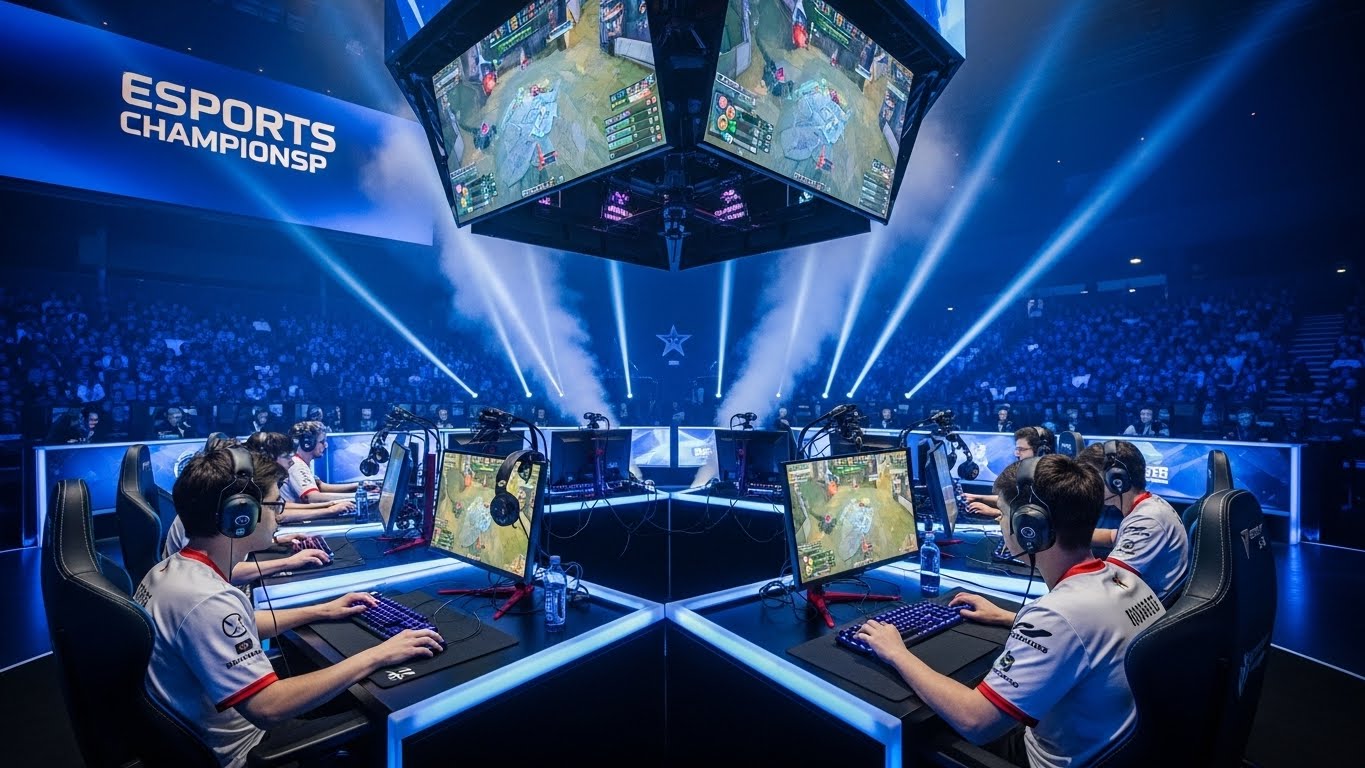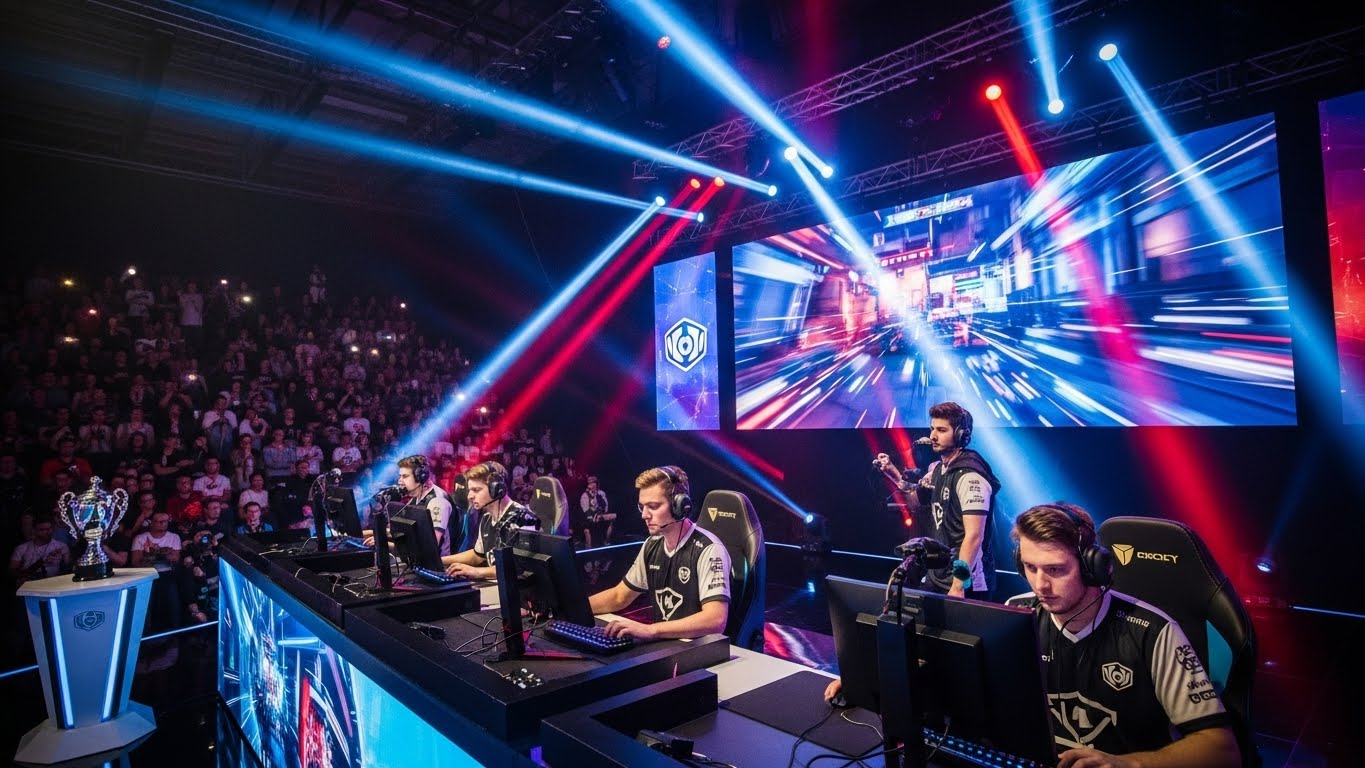
Esports, or electronic sports, has grown from a niche hobby into a global phenomenon that rivals traditional sports in popularity and influence. Once dismissed as a casual pastime, competitive gaming has now become a professional industry with millions of viewers, high-stakes tournaments, and players who are celebrated as modern-day celebrities. This blog explores the rise of esports, its impact on culture and society, the skills required to excel, and why it continues to captivate millions around the world.
The Origins of Esports
The journey of esports began decades ago, in arcades and small gaming competitions. In the late 1970s and early 1980s, simple video games like Pong and Space Invaders drew enthusiasts who competed for high scores. By the 1990s, competitive gaming had evolved with titles such as StarCraft, Quake, and Counter-Strike, which introduced organized multiplayer gameplay and LAN tournaments.
These early competitions were small-scale but laid the groundwork for professional esports. They introduced structured rules, rankings, and prize systems, proving that gaming could be more than entertainment—it could be a platform for skill, strategy, and intense competition.
Technological Advancements Driving Esports
The rise of esports is closely linked to technological innovation. High-speed internet, advanced gaming hardware, and streaming platforms have transformed how games are played and watched. Online multiplayer games now allow players to compete globally in real-time, breaking geographical barriers and connecting communities worldwide.
Streaming services like Twitch and YouTube Gaming revolutionized the fan experience, allowing audiences to watch live matches, engage with content creators, and follow their favorite teams from anywhere. Technology has turned esports into an accessible and interactive experience, fueling its rapid growth and creating a vibrant digital ecosystem.
Popular Esports Genres
Esports encompasses a wide range of game genres, each demanding unique skills. Multiplayer Online Battle Arena games like League of Legends and Dota 2 focus on teamwork, strategy, and coordination. First-Person Shooters, including Counter-Strike and Call of Duty, require precision, reflexes, and tactical awareness. Fighting games, sports simulations, and real-time strategy games add diversity to competitive gaming, catering to various interests and skill sets.
Each genre attracts a dedicated community and professional players often specialize in a single game to achieve mastery. This specialization allows players to develop intricate strategies, refine techniques, and become experts in their chosen fields, contributing to the depth and complexity of esports competitions.
The Emergence of Professional Esports
Professional esports has grown into a structured industry with organized leagues, franchises, and contracts. Major tournaments now offer prize pools in the millions, attracting elite players and teams from around the world. Leagues like the League of Legends Championship Series, Overwatch League, and Dota 2’s The International have professionalized competitive gaming, introducing coaching, training facilities, and sponsorship deals.
The professionalization of esports has also created diverse career opportunities beyond playing. Analysts, commentators, coaches, streamers, and event managers now form an essential part of the industry, providing sustainable livelihoods and contributing to the ecosystem’s growth.
Mental and Physical Skills in Esports
High-level esports requires exceptional mental acuity. Players must exhibit strategic thinking, situational awareness, quick decision-making, and teamwork. Success in competitive gaming demands focus, adaptability, and the ability to remain calm under pressure.
Physical fitness also plays a role, despite the misconception that esports is sedentary. Players maintain routines to improve reflexes, prevent fatigue, and avoid injuries like carpal tunnel syndrome or eye strain. Proper nutrition, sleep, and ergonomic setups are essential for consistent performance. Esports is therefore a discipline combining cognitive, strategic, and physical elements.
The Global Audience and Cultural Impact
Esports has cultivated a massive global audience, drawing millions of viewers for live tournaments and streamed events. Fans passionately follow teams and players, participate in online communities, and engage with gaming culture through merchandise, fan art, and media content.
The cultural impact of esports extends beyond the games themselves. Fashion, music, and entertainment are increasingly influenced by gaming culture. Gaming conventions, fan festivals, and live events foster shared experiences, making esports a lifestyle and not just a form of entertainment.
Education and Esports
Esports is increasingly being recognized as a valuable educational tool. Schools and universities are developing esports programs and scholarships, providing opportunities for students to hone skills such as teamwork, leadership, communication, and strategic thinking.
Participation in esports also teaches discipline, time management, and problem-solving. These skills are transferable to academic and professional settings, making esports a meaningful avenue for personal development. Educational institutions benefit by attracting students interested in technology, media, and gaming careers, further legitimizing esports as a serious pursuit.
Health and Wellbeing in Esports
While esports offers numerous benefits, it also poses challenges related to physical and mental health. Long gaming sessions can lead to poor posture, eye strain, and repetitive strain injuries. The pressure to perform at elite levels may cause stress, burnout, and anxiety.
Professional teams now emphasize balanced routines, including breaks, exercise, and mindfulness practices. Awareness of health and wellness is critical to sustaining performance in competitive gaming. Both players and organizations are increasingly promoting healthy gaming habits to ensure longevity in careers and overall wellbeing.
Women in Esports
The presence of women in esports is growing, challenging stereotypes and encouraging inclusivity. Female gamers are excelling in competitions, creating content, and participating in industry initiatives. Programs supporting women in gaming provide mentorship, resources, and visibility, helping break barriers in a traditionally male-dominated field.
Diversity in esports strengthens communities, encourages varied perspectives in gameplay and storytelling, and inspires the next generation of players. Representation matters, and the inclusion of women ensures a richer, more dynamic esports culture.
The Economic Impact of Esports
Esports is a major economic driver, generating revenue through sponsorships, advertising, merchandising, and broadcasting rights. High-profile tournaments attract corporate sponsorships, while streaming platforms and content creators contribute to a multi-billion-dollar industry.
The economic impact extends to hardware manufacturers, software developers, and event organizers, creating a robust ecosystem that supports thousands of jobs. Esports has proven that digital entertainment can be a significant contributor to the global economy, rivaling traditional sports in terms of revenue generation and commercial potential.
The Future of Esports
The future of esports is poised for further growth, fueled by technological innovation and increasing global participation. Virtual reality, augmented reality, and artificial intelligence are expected to transform gameplay and viewer experiences. Mobile esports is expanding rapidly, especially in regions with widespread smartphone access, offering new opportunities for competitive gaming.
Esports is also likely to intersect more with traditional sports and mainstream entertainment. Collaborations, hybrid events, and media partnerships will enhance visibility and legitimacy. As the industry matures, standardization, regulation, and professional development will ensure sustainable growth and wider recognition.
Conclusion: Esports as a Transformative Force
Esports has evolved from a niche hobby into a global cultural and economic powerhouse. It fosters mental agility, physical awareness, teamwork, and strategic thinking, offering participants opportunities for personal and professional growth. The industry engages millions worldwide, influences culture, and generates significant economic impact.
Competitive gaming is more than digital entertainment; it is a transformative force shaping the future of competition and community. As esports continues to evolve, it demonstrates the potential of technology, creativity, and passion to unite people across the globe. Embracing esports means recognizing the dedication, skill, and innovation of players while celebrating the digital arena as a vital part of modern culture.