Esports, or competitive gaming, has rapidly transformed from a niche hobby into a global phenomenon. It has become a major entertainment platform that combines strategy, skill, teamwork, and technology. Millions of people around the world watch esports tournaments, follow professional players, and engage in online communities. This blog explores the rise of esports, its impact on culture, economy, and society, and how it continues to redefine what it means to be an athlete in the digital age.
The Origins of Esports: From Arcades to Competitive Platforms
The roots of esports can be traced back to the earliest days of video gaming. In the 1970s and 1980s, arcade games like Space Invaders, Pac-Man, and Donkey Kong were not only popular entertainment but also competitive arenas where players vied for high scores. The 1990s saw the rise of LAN tournaments with games such as Quake, Doom, and StarCraft, where players competed in organized events. These early competitions laid the foundation for professional gaming, introducing the concept of structured tournaments, ranking systems, and competitive play.
The Rise of Multiplayer Online Gaming
The advent of high-speed internet revolutionized gaming and paved the way for modern esports. Multiplayer online games enabled players to compete against each other across cities, countries, and continents. Titles like Counter-Strike, League of Legends, Dota 2, and World of Warcraft introduced competitive leagues, ranking systems, and organized teams. This evolution transformed gaming from a casual pastime into a serious competitive sport. Online connectivity also allowed fans to watch live matches, interact with players, and participate in global gaming communities.
Popular Esports Titles and Their Unique Appeal
Esports encompasses a variety of game genres, each offering unique challenges and experiences. Multiplayer online battle arena (MOBA) games, such as League of Legends and Dota 2, emphasize strategy, teamwork, and quick decision-making. First-person shooters (FPS), including Counter-Strike and Call of Duty, test reflexes, precision, and tactical planning. Fighting games like Street Fighter and Tekken highlight individual skill, timing, and mastery of complex moves. Sports simulation games, such as FIFA and NBA 2K, allow players to compete in virtual renditions of real-world sports. Battle royale games like Fortnite combine strategy, survival, and action in fast-paced competitions. Each genre attracts a different type of audience, contributing to esports’ wide-ranging appeal.
The Life of Professional Esports Players
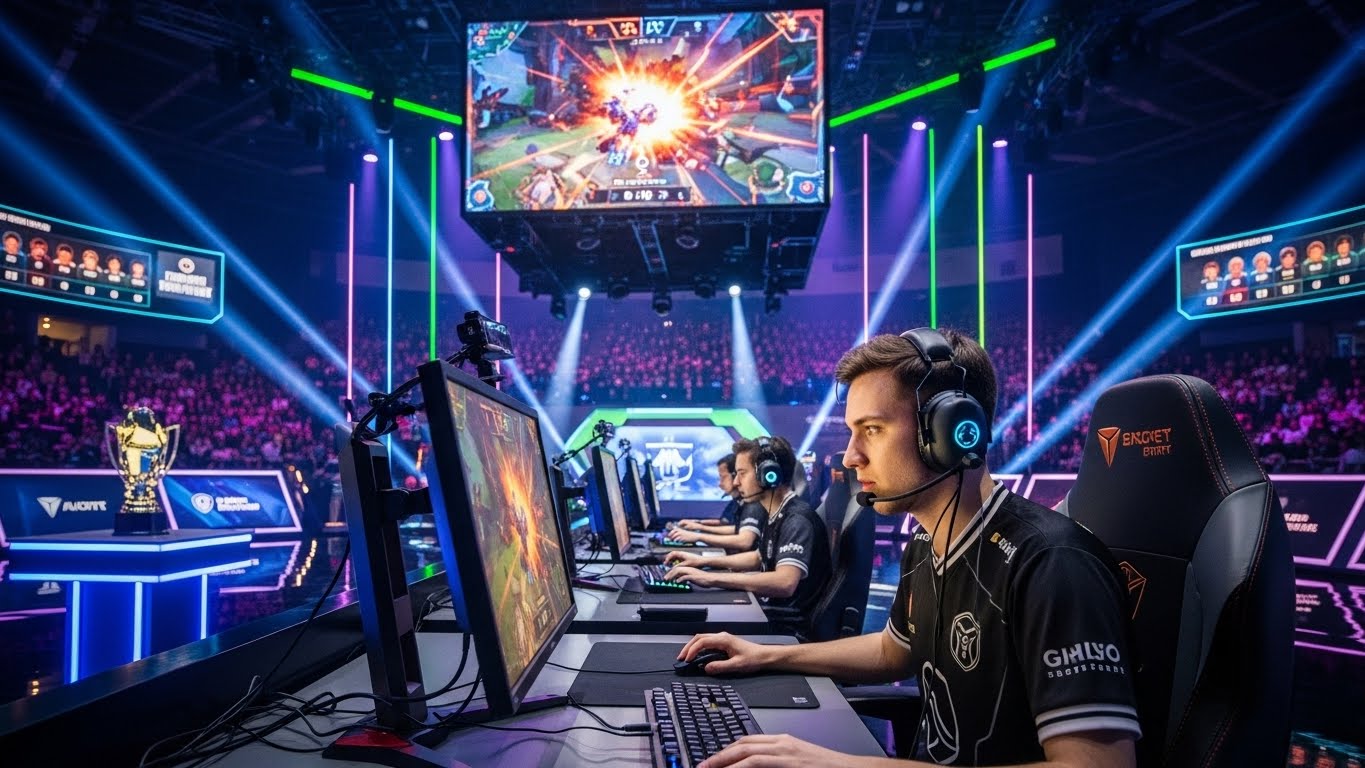
Professional esports players dedicate enormous amounts of time and effort to master their craft. Like traditional athletes, they follow strict practice schedules, analyze opponents’ strategies, and refine their skills daily. Training can involve up to ten hours of focused gameplay, along with physical exercises and mental conditioning to maintain peak performance. Many players work with coaches, strategists, and team analysts to improve teamwork and coordination. The dedication and discipline required to succeed in esports are comparable to those of athletes in traditional sports, highlighting the professional and competitive nature of the industry.
Esports Teams and Organizations
Esports teams function similarly to professional sports clubs, providing structure and resources to players. Organizations recruit top talent, manage training facilities, coordinate travel for tournaments, and handle sponsorships. Many organizations maintain multiple teams across different games, expanding their influence and fanbase. Sponsorships and partnerships with technology companies, apparel brands, and other industries have further professionalized esports, providing financial support and legitimacy. These organizations play a crucial role in the growth and sustainability of esports as a professional sport.
Tournaments and Competitive Events
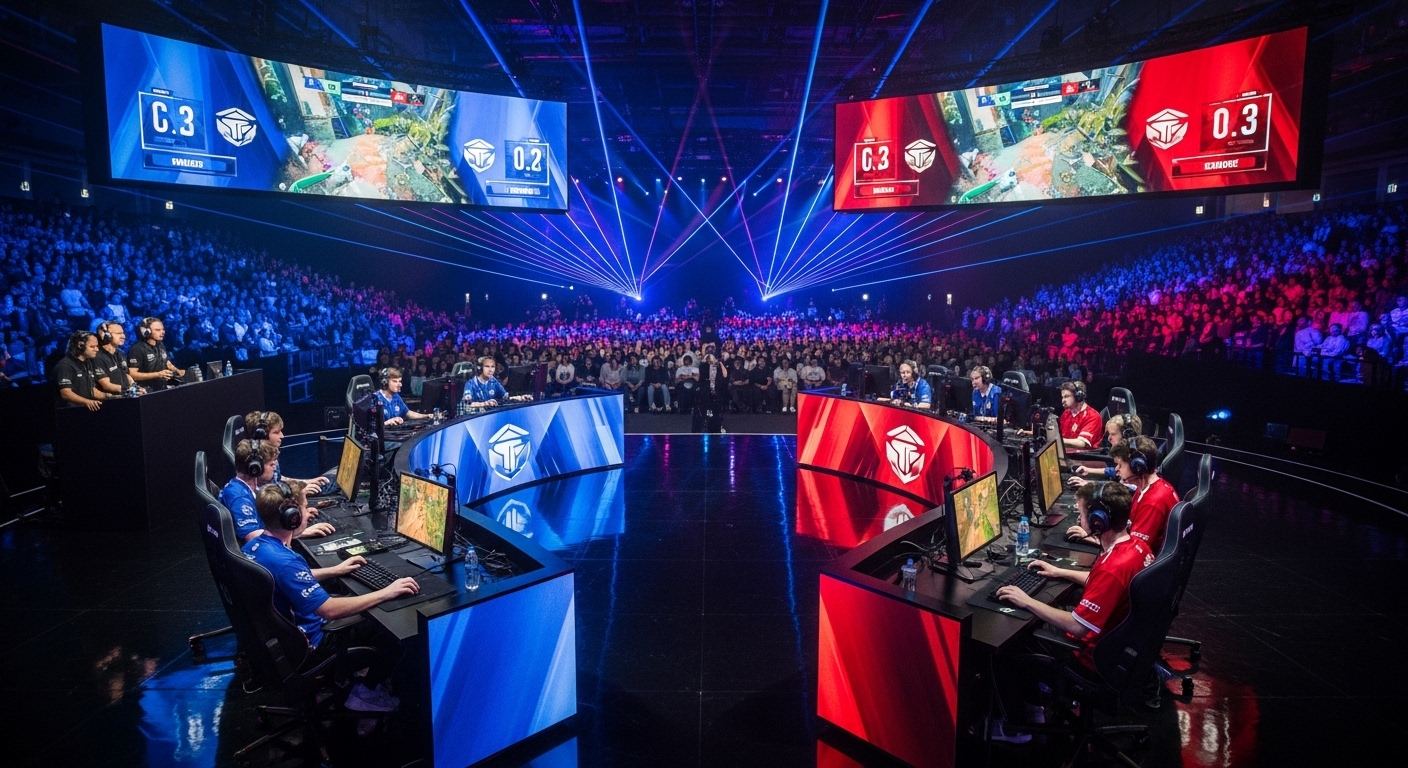
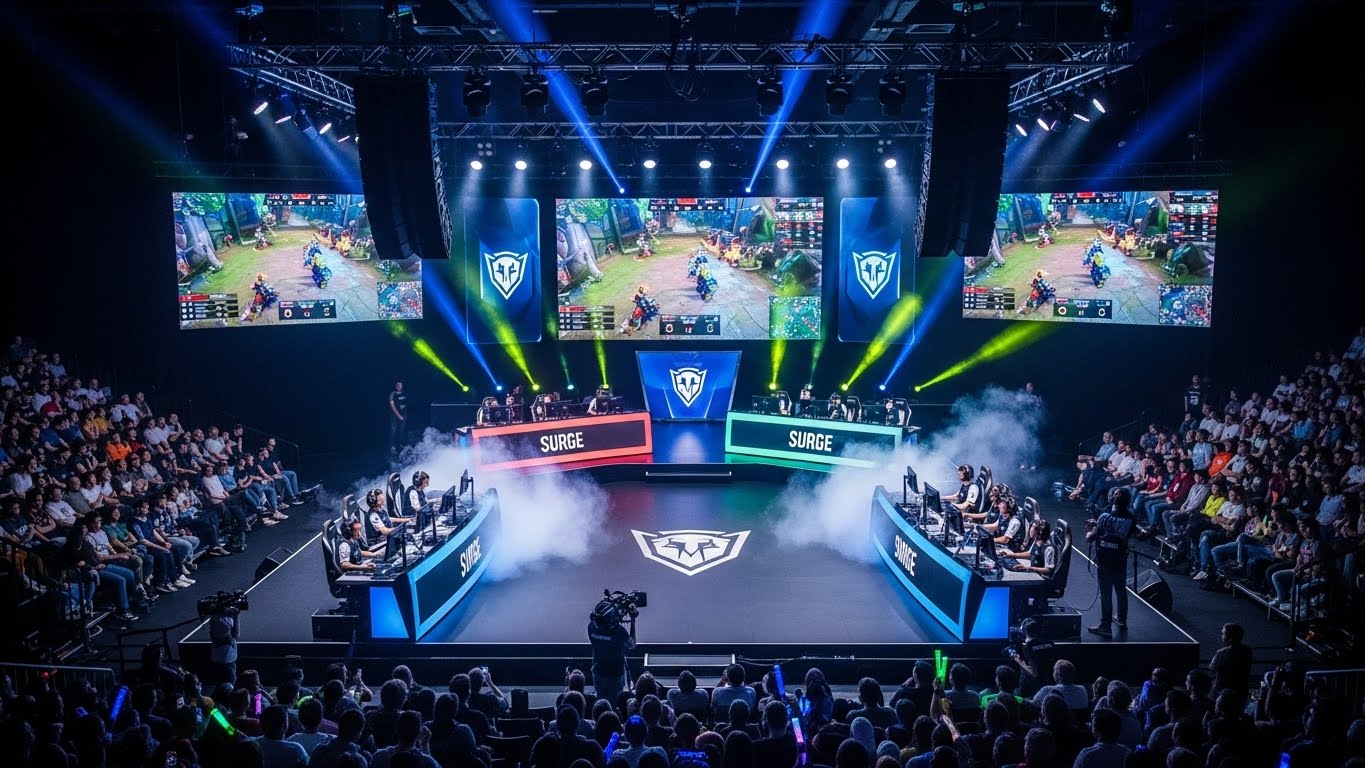
Esports tournaments have grown into massive events with production values rivaling those of traditional sports. Major competitions are held in arenas, streamed online, and broadcast to millions of viewers worldwide. Events like the League of Legends World Championship, Dota 2’s The International, and Fortnite World Cup feature multi-million-dollar prize pools and global media coverage. Spectators watch with the same passion and intensity as traditional sports fans, cheering for teams, analyzing strategies, and celebrating victories. Tournaments have transformed esports into a spectator sport, creating a unique blend of entertainment, competition, and community engagement.
Streaming and Content Creation
Streaming platforms have played a critical role in the rise of esports. Professional players and influencers broadcast their gameplay live, allowing fans to watch, interact, and learn from them. Streaming has also created new pathways to professional gaming, as talented individuals can gain recognition and join teams through online exposure. Beyond competitive matches, content creators produce tutorials, highlights, and entertainment videos that expand the reach of esports and engage fans across the world. Streaming has become a vital component of the esports ecosystem, connecting players, fans, and sponsors.
The Global Esports Community
The esports community is vast and diverse, encompassing millions of players and fans worldwide. Online forums, social media groups, and gaming platforms provide spaces for discussion, strategy sharing, and community building. Fans organize watch parties, create fan art, and follow favorite players with devotion. Esports transcends national boundaries, connecting people from different cultures through shared passion and enthusiasm. The sense of belonging and camaraderie within esports communities demonstrates how digital entertainment can foster meaningful social connections.
Economic Impact of Esports
Esports has grown into a multibillion-dollar industry, with revenue streams including sponsorships, advertising, merchandise, media rights, and ticket sales. Corporations from technology, entertainment, and consumer goods sectors invest heavily in esports, recognizing its influence over younger demographics. Career opportunities are abundant, spanning professional players, coaches, analysts, broadcasters, marketers, and event managers. The economic impact of esports extends beyond direct revenue, influencing technology development, media consumption, and youth engagement in gaming and digital industries.
Esports in Education and Youth Programs
Schools and universities are increasingly embracing esports as a legitimate activity. Esports clubs, varsity teams, and scholarships provide opportunities for students to compete, learn, and develop essential skills. Participating in esports teaches teamwork, communication, strategic thinking, and leadership. Some academic programs even offer courses in esports management, game design, and digital media production. Integrating esports into education reflects the growing recognition of gaming as both a professional pursuit and a valuable learning tool.
Health and Well-Being in Esports
While esports offers numerous benefits, it also presents challenges related to health and well-being. Long hours of gameplay, stress from competition, and sedentary lifestyles can affect players’ physical and mental health. To address these concerns, professional teams emphasize fitness, ergonomics, rest, and nutrition. Mental health support, counseling, and stress management strategies are also increasingly available to players. Maintaining a healthy balance between training, competition, and personal life is essential for sustainable performance and career longevity.
Challenges Facing the Esports Industry
Despite rapid growth, esports faces challenges that must be addressed for long-term success. Fair competition requires strict measures against cheating and hacking. Player burnout is common due to intense schedules and high expectations. Diversity and inclusivity remain ongoing discussions within the industry. Regulatory frameworks, player contracts, and financial security are still evolving. Addressing these challenges will ensure that esports remains a professional, ethical, and sustainable competitive field.
The Future of Esports
The future of esports is promising and full of innovation. Emerging technologies such as virtual reality, augmented reality, and artificial intelligence will redefine gameplay experiences. Increased accessibility will allow more players to participate in competitive gaming globally. Collaborations with traditional sports leagues are expanding esports’ reach and legitimacy. As viewership grows and investment continues, esports will continue to integrate into mainstream entertainment, shaping culture, technology, and digital interaction.
Conclusion: Esports as a Cultural and Competitive Force
Esports is no longer just a hobby; it is a professional, cultural, and social phenomenon that continues to grow and influence the world. It combines competition, strategy, entertainment, and technology to create an industry that rivals traditional sports in scale, excitement, and engagement. From professional players to global audiences, esports has built a unique ecosystem that fosters creativity, community, and opportunity. As technology and culture evolve, esports will continue to redefine entertainment, proving that digital competition can inspire, entertain, and connect people worldwide.