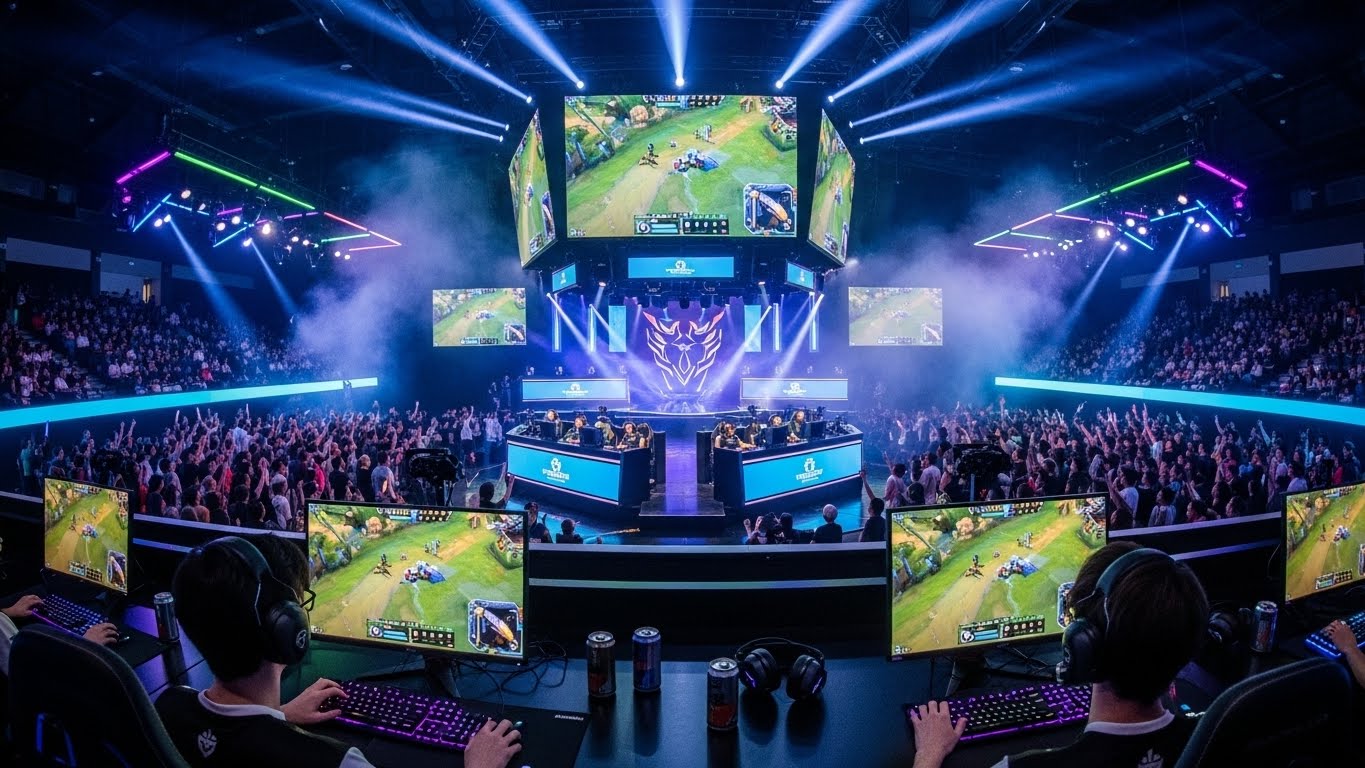
Esports, short for electronic sports, has evolved from a niche activity enjoyed by a small community of gamers into a global phenomenon. Today, esports encompasses a wide range of competitive video games played professionally and streamed to millions of viewers across the globe. From humble beginnings as small tournaments in local arcades and LAN (Local Area Network) parties to today’s massive international leagues with multimillion-dollar prize pools, esports has firmly established itself as a legitimate sport, complete with sponsorships, endorsements, and a dedicated fan base.
This blog explores the growth of esports, its impact on the gaming industry, its global reach, and its potential future.
The Origins of Esports
The origins of esports trace back to the early 1970s when video games were first becoming popular. The first recognized competitive video game event took place in 1972 at Stanford University, where students competed in Spacewar, one of the first video games. However, it wasn’t until the late 1990s and early 2000s that the concept of organized competitive gaming started to take shape.
In the late 90s, games like StarCraft and Warcraft started to be played in local tournaments in South Korea, where esports began to flourish. In 2000, the Korean game company OnGameNet launched the first professional esports league. This was a significant moment that would spark the growth of esports in South Korea and eventually the world. By 2002, South Korea was hosting massive StarCraft tournaments with TV broadcasts, attracting millions of viewers. The idea of esports being a spectator sport was born.
Simultaneously, North America and Europe began to adopt competitive gaming, with major franchises like Counter-Strike, Quake, and Warcraft becoming central to the growing esports ecosystem.
Esports Becomes a Global Phenomenon
By the late 2000s and early 2010s, esports started to attract mainstream attention. Companies like Riot Games (with League of Legends) and Valve (with Dota 2) launched multiplayer online battle arena (MOBA) games that quickly became staples of the esports scene. Their competitive scenes became massive, with annual tournaments like the League of Legends World Championship and The International (Dota 2) offering multi-million-dollar prize pools.
The rise of streaming platforms such as Twitch, YouTube Gaming, and Facebook Gaming also played a crucial role in the growth of esports. These platforms allowed players to stream their gameplay live, attracting millions of viewers. The ease of accessibility for fans to watch tournaments and casual gameplay helped build the community around esports.
Esports reached another milestone when traditional sports networks like ESPN and TBS began broadcasting esports events. This integration into traditional media platforms signified that esports was being recognized as a legitimate sport, with its own set of fans, influencers, and culture.
The Growth of Esports Leagues and Tournaments
The professionalization of esports continues to be one of its most defining features. One of the key factors contributing to the rise of esports is the establishment of large, organized leagues and tournaments. These events often mirror traditional sports leagues with regular seasons, team rosters, and prize money.
Major Esports Leagues and Games
- League of Legends (LoL): One of the most successful esports games ever, League of Legends is at the heart of the esports world. The League of Legends World Championship, held annually, attracts millions of viewers worldwide. The game has over 100 million active players globally, making it one of the most popular esports titles.
- Dota 2: Known for its massive prize pools, Dota 2’s annual tournament, The International, has consistently broken records for the largest esports prize money. In 2021, the prize pool reached an astonishing $40 million, largely funded by community contributions.
- Counter-Strike: Global Offensive (CS: GO): With a steady competitive scene since its release in 2012, CS: GO remains one of the most popular esports games in the world. Its major events, like CS: GO Major Championships, continue to draw large crowds, both in-person and online.
- Overwatch League (OWL): Overwatch, developed by Blizzard Entertainment, brought competitive gaming to new heights with the Overwatch League. The OWL operates like a traditional sports league, featuring city-based teams from around the world and regular seasons.
- Call of Duty League (CDL): Similar to the Overwatch League, the Call of Duty franchise introduced the Call of Duty League, where professional players and teams compete in high-stakes tournaments. The league continues to grow in popularity and is closely followed by a large fan base.
These leagues are often broadcast live on platforms like Twitch, YouTube, and even cable television, allowing fans to follow their favorite teams and players as they compete at the highest level.
The Business of Esports
Esports is no longer just about the games themselves; it has become a lucrative business with sponsorships, advertising, merchandise sales, and broadcasting rights playing a major role in its success. Large corporations, including tech giants like Intel, NVIDIA, Coca-Cola, Pepsi, and even traditional sports organizations, are investing heavily in esports.
Sponsorships and Partnerships
Sponsorships have become one of the primary revenue streams for esports teams, tournaments, and organizations. Global brands have realized the potential of esports to reach younger audiences, with some partnerships including exclusive team jerseys, equipment sponsorships, and product placements. For example, gaming hardware companies like Alienware and Razer often sponsor top-tier esports teams, providing them with high-performance gaming gear in exchange for marketing and brand exposure.
Esports as a Media Property
The media rights for esports events are rapidly becoming a significant part of the esports ecosystem. Just like the NFL or NBA, esports leagues and tournament organizers are negotiating multi-million-dollar broadcasting deals with platforms like Twitch, YouTube, and even traditional television networks.
This has led to increased visibility for esports and its athletes. Major tournament broadcasts are no longer limited to niche gaming channels; esports events are now regularly featured on mainstream sports channels, expanding its audience reach significantly.
The Esports Ecosystem: Players, Teams, and Fans
Professional Players
The rise of esports has created opportunities for players to compete professionally, earn salaries, and build personal brands. Today, many esports players are regarded as celebrities in their own right. Some have millions of followers on social media and earn substantial salaries from tournament prize pools, sponsorships, and streaming revenue.
Top players in games like League of Legends, Dota 2, and CS: GO can earn millions of dollars annually from competing. Tyler “Ninja” Blevins, for example, became a household name thanks to his success in Fortnite and his presence on Twitch, where he amassed millions of followers and endorsement deals.
Teams and Organizations
Esports teams have become fully-fledged organizations with multiple players, coaches, analysts, and other support staff. Teams like Team Liquid, Cloud9, Fnatic, and G2 Esports are household names in the esports world. These organizations have team rosters across various games and participate in multiple leagues.
Esports teams are often backed by investors and sponsors, helping them sign talented players, provide professional coaching, and develop new talent. These teams have become brands in their own right, with fans supporting them just as much as traditional sports teams.
Fans and Communities
Esports fans are some of the most passionate and loyal supporters in the world of sports. The sense of community within the esports world is incredibly strong, with fans following their favorite teams and players across multiple platforms. Esports events attract fans from all walks of life, often transcending geographical boundaries. Many fans engage in live chats during broadcasts, forming online communities that often carry on well after the games have ended.
Streaming and Content Creation
Streaming platforms like Twitch and YouTube Gaming have opened up a new avenue for fans to engage with their favorite esports personalities. Many professional players also stream their gameplay on these platforms, allowing fans to watch their favorite players in real-time and interact with them directly. Additionally, content creators often make videos analyzing matches, providing commentary, and engaging with fans through Q&A sessions or casual gameplay streams.
The Future of Esports
Esports is still in its relative infancy, and there is much potential for further growth. The future of esports looks promising, with several factors contributing to its expansion:
Expanding into New Markets
While esports has a strong following in North America, Europe, and Asia, it is increasingly expanding into new markets like Latin America, the Middle East, and Africa. As internet infrastructure improves in these regions, more and more people are being exposed to esports and gaming. This global expansion is opening up new opportunities for players, teams, sponsors, and broadcasters.
The Rise of Mobile Gaming
Mobile gaming is another area where esports is growing rapidly. Games like PUBG Mobile, Free Fire, and Mobile Legends are dominating mobile esports tournaments, particularly in Asia. The accessibility of mobile gaming, combined with the growing mobile gaming community, means that esports will continue to expand on a global scale.
Integration with Traditional Sports
The line between traditional sports and esports is beginning to blur. Some sports organizations, such as Manchester City and Paris Saint-Germain, have invested in esports teams, while others are exploring ways to incorporate esports into their existing sports ecosystems. There are also conversations about esports being included in the Olympics, with discussions of how competitive gaming might one day become a part of the event.