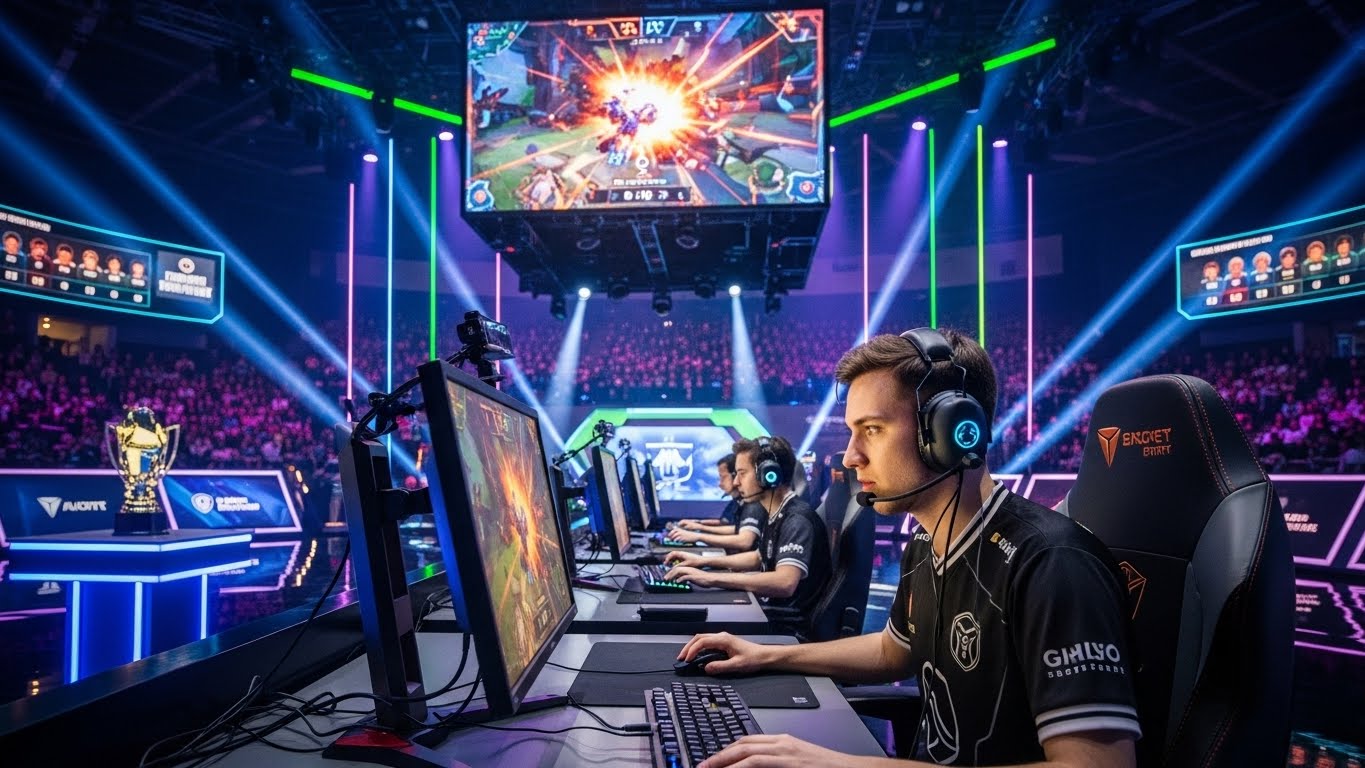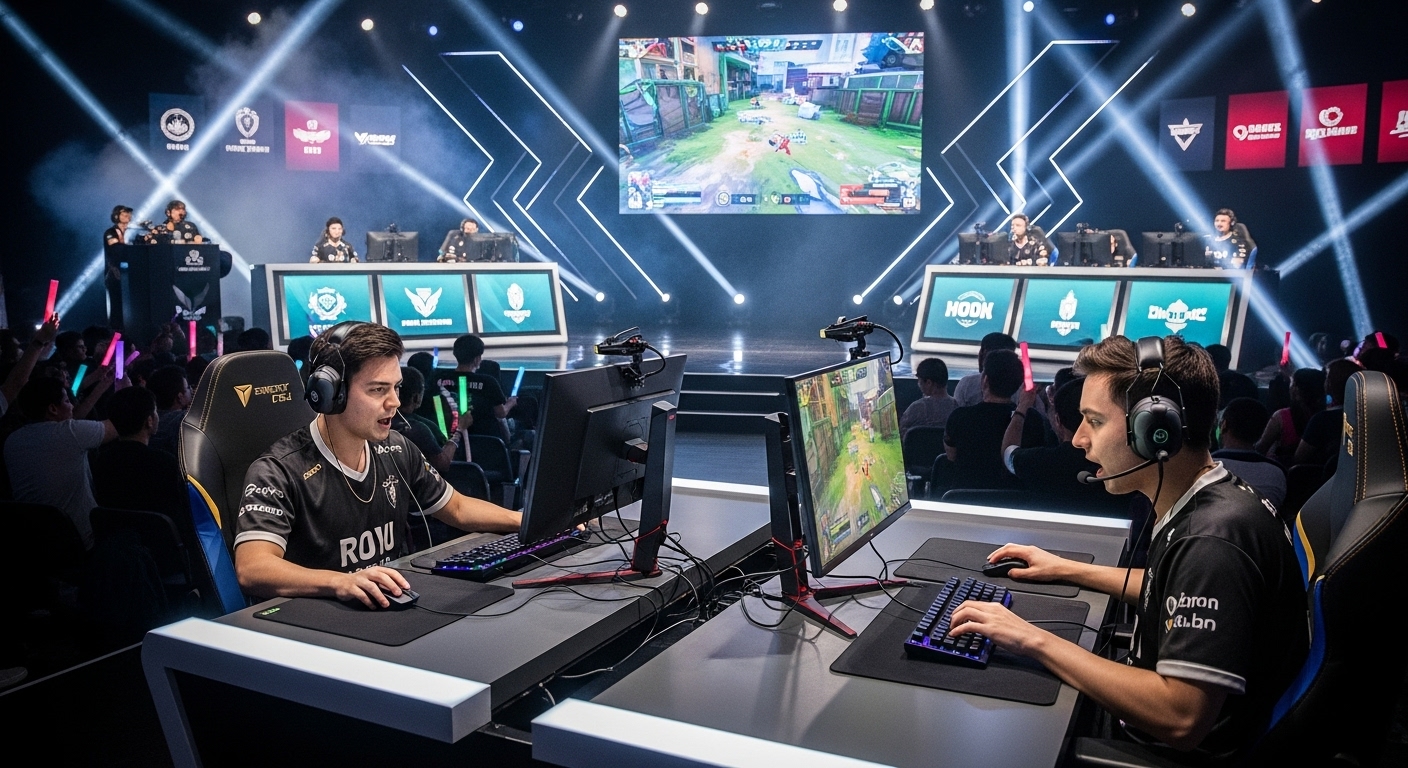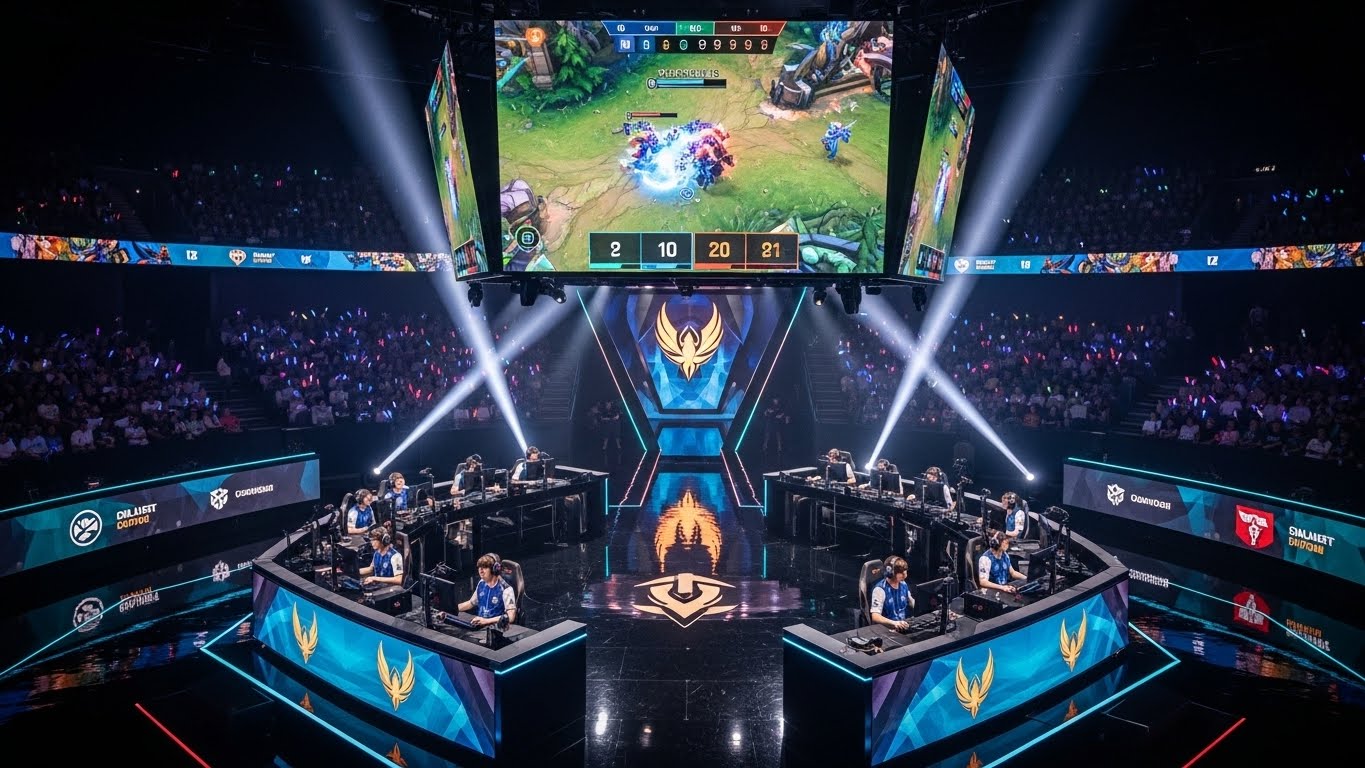
Esports, or electronic sports, has transformed from a niche hobby into a global phenomenon, captivating millions of players and viewers worldwide. Once considered a pastime for a small group of gaming enthusiasts, competitive gaming now rivals traditional sports in popularity, organization, and revenue. This digital revolution has reshaped entertainment, social interaction, and professional opportunities, creating a unique ecosystem where skill, strategy, and technology converge. In this article, we explore the history, growth, cultural impact, economic significance, and future of esports.
The Origins of Esports
The roots of esports trace back to the early days of video gaming in the late 1970s and 1980s. Arcade competitions and local gaming tournaments laid the foundation for competitive play. Classic games like Pac-Man, Space Invaders, and later Street Fighter and Mortal Kombat brought players together to test their skills in structured environments.
The 1990s saw the rise of online multiplayer games such as Quake and StarCraft, which allowed players to compete globally. The launch of online platforms and LAN tournaments marked the beginning of organized esports, where players could showcase their talent beyond local communities. Early tournaments often offered modest prizes, but they established a competitive framework that would evolve into today’s professional esports industry.
What Defines Esports
Esports is competitive gaming at a professional or semi-professional level. Unlike casual gaming, esports emphasizes skill, strategy, teamwork, and consistency. Players compete individually or in teams in games ranging from first-person shooters and real-time strategy games to multiplayer online battle arenas and sports simulations.
Professional esports tournaments are highly structured, featuring leagues, seasonal competitions, and global championships. Spectators watch these events live, both in-person and online, creating an interactive entertainment experience. Commentary, analysis, and fan engagement enhance the spectator appeal, making esports a full-fledged spectator sport.
Popular Esports Genres
Esports encompasses a wide variety of game genres, each attracting different types of players and audiences.
Multiplayer Online Battle Arena (MOBA)
MOBA games like League of Legends and Dota 2 are among the most popular esports genres. Teams of players compete to destroy the opponent’s base while managing strategy, resources, and teamwork. MOBA games require strategic thinking, communication, and adaptability, making them both exciting to play and watch.
First-Person Shooter (FPS)
FPS games, including Counter-Strike: Global Offensive and Call of Duty, emphasize precision, reflexes, and tactical planning. Players navigate complex maps, manage resources, and coordinate with teammates to achieve objectives. FPS esports tournaments attract large audiences due to their fast-paced, high-intensity gameplay.
Real-Time Strategy (RTS)
RTS games such as StarCraft require players to manage resources, build units, and make strategic decisions in real-time. These games test planning, multitasking, and adaptability, creating thrilling competitions where even small mistakes can determine outcomes. RTS games were among the first to gain international esports recognition.
Sports Simulation
Sports simulation games like FIFA, NBA 2K, and Madden NFL bring traditional sports into the digital arena. Players emulate professional athletes and teams, competing in virtual leagues and tournaments. Sports simulations combine real-world strategy with gaming skill, appealing to both traditional sports fans and gamers.
Fighting Games
Fighting games like Street Fighter, Tekken, and Super Smash Bros. focus on individual skill, timing, and strategy. One-on-one or team-based matches highlight player reflexes, adaptability, and mastery of game mechanics, making them staples of competitive gaming events.
The Global Popularity of Esports
Esports has grown into a worldwide phenomenon, attracting millions of viewers and participants. Countries like South Korea, the United States, China, and many European nations have established professional esports leagues, infrastructure, and training facilities.
Live streaming platforms have played a crucial role in expanding esports audiences. Platforms such as Twitch and YouTube Gaming allow fans to watch tournaments, interact with players, and participate in the esports community. Streaming has transformed esports into a spectator-driven industry, creating fan engagement similar to traditional sports.
Major esports tournaments now fill stadiums and broadcast globally, featuring commentary, analysis, and fan interaction. Championships such as The International for Dota 2, the League of Legends World Championship, and the Fortnite World Cup offer multi-million-dollar prize pools and international recognition, elevating esports to a mainstream entertainment medium.
The Economic Impact of Esports
Esports is not only a cultural phenomenon but also a significant economic force. The industry generates revenue through multiple streams, including sponsorships, advertising, merchandise, ticket sales, and digital content. Professional esports teams, leagues, and tournament organizers have become profitable enterprises, attracting investments from traditional sports organizations and venture capital.
Sponsorship deals from global brands, technology companies, and consumer goods manufacturers support professional teams and events. Esports advertising targets younger demographics, offering high engagement and brand visibility in digital spaces. Additionally, game developers benefit from esports through increased game sales, in-game purchases, and community engagement.
Esports also creates career opportunities beyond playing, including roles in coaching, broadcasting, event management, content creation, marketing, and technology development. The economic ecosystem of esports continues to expand, providing employment and innovation opportunities worldwide.
The Role of Technology in Esports
Technology is the backbone of esports. High-performance gaming hardware, fast internet connectivity, and advanced software enable competitive play at the highest level. Graphics engines, network optimization, and game design ensure smooth, fair, and visually engaging experiences.
Live streaming and broadcast technology have revolutionized how fans consume esports. High-definition streams, real-time commentary, and interactive features create immersive experiences for viewers. Virtual and augmented reality technologies are beginning to enhance fan engagement, offering interactive perspectives and immersive tournament experiences.
Artificial intelligence and analytics are also influencing esports. AI helps analyze player performance, optimize strategies, and enhance game balancing. Data analytics allows teams to study opponents, improve training methods, and refine in-game decisions, elevating competitive play to a scientific level.
Social and Cultural Impact of Esports
Esports has transformed social interaction, community building, and entertainment culture. Online platforms allow players from different countries to connect, compete, and collaborate, fostering global communities united by gaming. Esports also encourages inclusivity, offering opportunities for players regardless of physical ability, geography, or background.
Cultural impact extends to mainstream media and popular culture. Esports athletes are recognized as celebrities, and tournaments are celebrated like major sporting events. The rise of esports has influenced fashion, music, and entertainment trends, integrating gaming culture into broader cultural expressions.
Esports also emphasizes discipline, teamwork, and personal growth. Professional players train rigorously, often for many hours a day, refining reflexes, strategy, and mental resilience. These skills translate beyond gaming, promoting perseverance, strategic thinking, and adaptability.
Challenges in the Esports Industry
Despite its growth, esports faces challenges. Player burnout is a significant concern, as professional gamers often maintain demanding schedules with intense physical and mental stress. Ensuring physical health, mental well-being, and work-life balance is essential for sustainability.
The industry also faces regulatory challenges, including standardizing competition rules, ensuring fair play, and preventing cheating or hacking. Intellectual property, licensing, and copyright issues can complicate tournament organization and content distribution.
Diversity and inclusion remain ongoing challenges. While esports is inherently global, gender representation and inclusivity in professional leagues are areas that require attention. Efforts are being made to create equitable opportunities and welcoming environments for all players.
The Future of Esports
The future of esports is promising and transformative. Advancements in technology, such as virtual reality, augmented reality, and artificial intelligence, will create more immersive and interactive experiences. Esports will continue to expand into new regions, reaching broader audiences and demographics.
Education and professional development programs for esports are emerging, creating structured pathways for aspiring players, coaches, and industry professionals. Universities and institutions now offer esports scholarships, degrees, and research programs, legitimizing esports as a professional career and academic pursuit.
Esports is likely to continue integrating with mainstream sports and entertainment, creating hybrid events, cross-industry partnerships, and multimedia experiences. The growth of mobile esports, casual competitions, and community-driven tournaments will make esports more accessible, diverse, and inclusive than ever before.
Conclusion
Esports has evolved from small-scale competitions to a global digital phenomenon that rivals traditional sports. It combines skill, strategy, technology, and entertainment, attracting millions of players and viewers worldwide. The industry has created new economic opportunities, social communities, and professional pathways, transforming how we perceive competitive gaming.
The rise of esports reflects broader trends in digital culture, connectivity, and entertainment consumption. It emphasizes discipline, teamwork, innovation, and adaptability, providing meaningful experiences for players and audiences alike.
As technology advances and audiences grow, esports will continue to redefine competitive entertainment, blending digital innovation with human skill. It represents a revolution in how we play, watch, and engage with games, marking a new era in the history of sports and entertainment.
Esports is no longer just gaming; it is a cultural, economic, and social movement that bridges technology, skill, and community, shaping the future of competitive entertainment for generations to come.