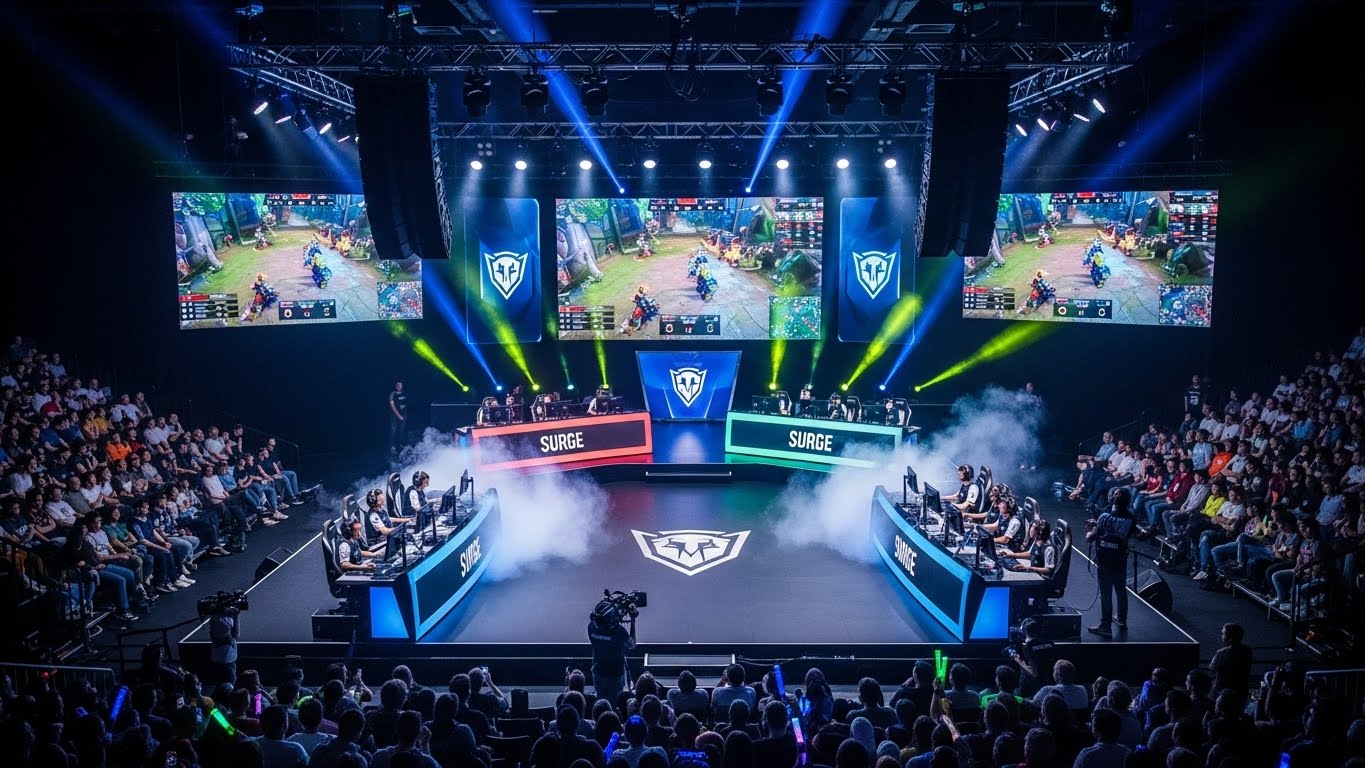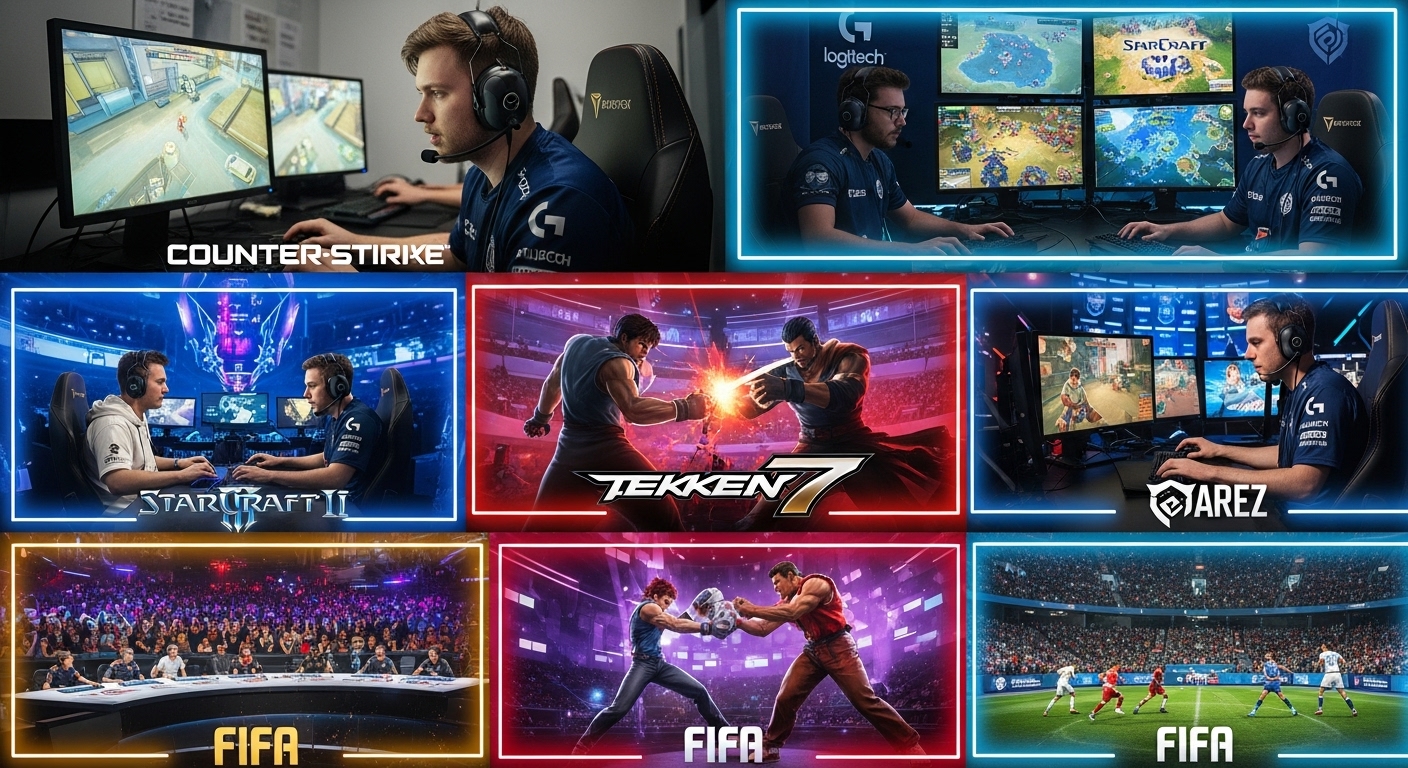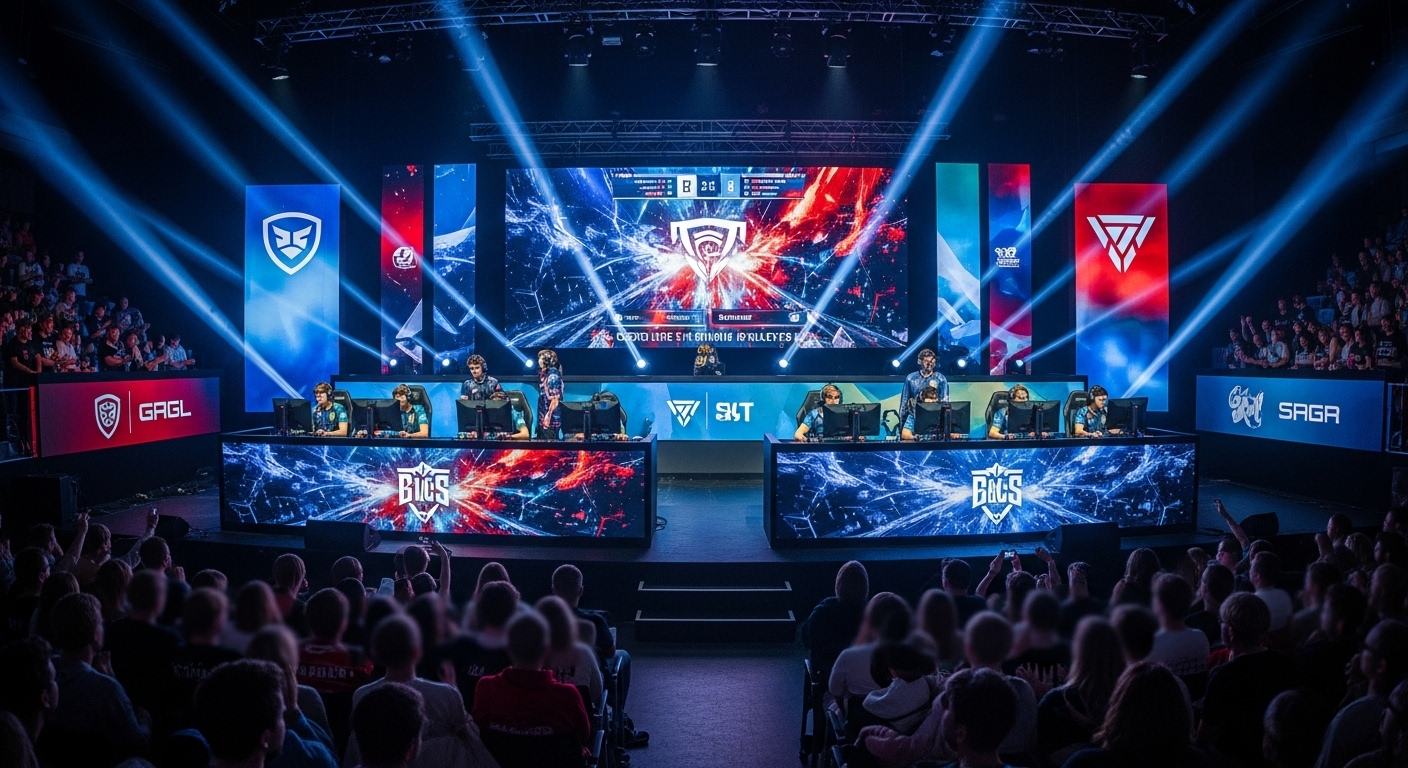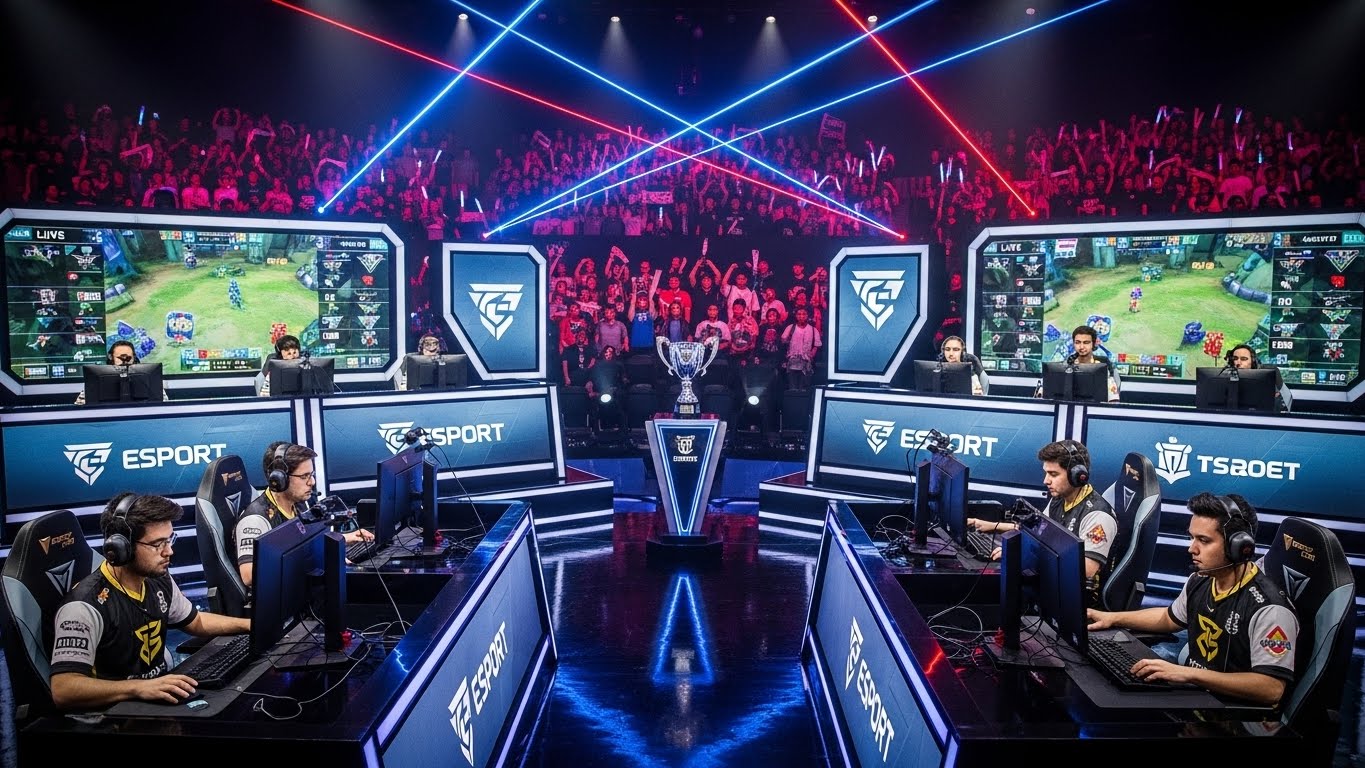
The world of sports has always been about competition, skill, and entertainment. However, the rise of esports has expanded the very definition of what it means to compete at the highest level. Esports, or competitive video gaming, has grown into a global phenomenon, attracting millions of fans, massive investments, and professional athletes who train and perform with the same dedication as traditional sports stars. This blog explores the rise of esports, its cultural significance, economic impact, and the challenges and opportunities that come with being part of this digital revolution.
The Origins and Evolution of Esports
Esports may seem like a modern concept, but competitive gaming has roots that stretch back several decades. In the late 1970s and 1980s, early gaming tournaments were organized in arcades and small communities. Players competed in titles like Space Invaders, Pac-Man, and early home console games, sparking local interest in competitive gameplay. The 1990s brought the advent of networked PC gaming, allowing multiplayer matches over the internet. Games like StarCraft, Counter-Strike, and Warcraft III became staples of competitive gaming, establishing the foundations for professional esports.
The 2000s witnessed a surge in esports popularity with the rise of online streaming and game-specific leagues. Platforms allowed fans to watch matches live, creating a global audience. Today, esports is a multi-billion-dollar industry, with tournaments filling stadiums and live streams reaching tens of millions of viewers worldwide. Games like League of Legends, Dota 2, Fortnite, and Valorant have become household names, demonstrating the mainstream acceptance of esports.
The Structure of Professional Esports
Esports operates much like traditional sports, with teams, leagues, tournaments, and professional players. Teams often sign players to contracts, providing salaries, coaching, training facilities, and strategic guidance. Players specialize in specific games, roles, or positions and dedicate hours to practice, strategy development, and teamwork. Unlike casual gaming, professional esports requires discipline, mental resilience, and a structured training schedule.
Tournaments form the backbone of esports, ranging from small online competitions to massive international events. Annual championships for games like Dota 2 and League of Legends feature multi-million-dollar prize pools and attract global viewership. Competitive gaming has created career opportunities for top players, analysts, coaches, and managers, establishing esports as a legitimate profession on par with traditional athletic careers.
Esports as a Career Path
The growth of esports has created diverse career opportunities beyond playing professionally. Aspiring players dedicate years to honing their skills, often starting in teenage years, participating in amateur leagues, and gradually moving up to professional teams. The path requires technical skill, strategic thinking, teamwork, and mental resilience. Players must perform under pressure, adapt to new strategies, and maintain a healthy balance between practice and rest.
Apart from players, esports offers roles in broadcasting, commentary, content creation, marketing, event management, and game development. Streaming platforms provide additional avenues for players and influencers to monetize their skills and engage with fans. The professionalization of esports has allowed individuals to build long-term careers in an industry that blends technology, entertainment, and athleticism.
Cultural Impact of Esports
Esports has transformed entertainment and popular culture, particularly among younger generations. Gaming conventions, tournaments, and live streams create communities where fans interact, celebrate achievements, and support players. Online platforms allow fans to engage directly with players, participate in discussions, and influence content. This interactivity is unique to esports and contributes to its global appeal.
The influence of esports extends beyond gaming. It has shaped fashion trends, music collaborations, and even mainstream media. Professional teams have branded merchandise, and players with large social media followings often become influencers and role models. The cultural impact of esports demonstrates its ability to bridge the gap between digital entertainment and traditional social engagement.
Economic Significance of Esports
Esports has become a major economic driver, generating revenue through sponsorships, media rights, advertising, merchandising, and event ticketing. Brands invest heavily in esports to connect with younger, digitally engaged audiences. International tournaments create jobs, attract tourism, and stimulate local economies, highlighting the broader financial impact of competitive gaming.
Streaming platforms contribute significantly to the economic ecosystem. Popular streamers earn income through subscriptions, advertisements, and donations from fans. Professional organizations invest in infrastructure, player development, and community engagement, creating a self-sustaining industry that continues to grow rapidly. Esports has transformed gaming from a hobby into a thriving business ecosystem with global reach.
Technological Innovations Driving Esports
Technology is central to esports’ rise. High-speed internet, advanced gaming hardware, and cloud-based platforms have enabled global competitive play. Developers regularly update games to ensure balance, maintain competitive integrity, and enhance engagement. Emerging technologies such as virtual reality, augmented reality, and artificial intelligence are expanding possibilities, from immersive gameplay experiences to sophisticated performance analytics.
Streaming technology has revolutionized fan engagement. Platforms allow real-time viewing, interactive chat, and live commentary, creating a sense of community and connection. These innovations have made esports accessible to a global audience, breaking down geographical barriers and democratizing competitive gaming.
Challenges and Health Concerns in Esports
Despite its rapid growth, esports faces unique challenges, particularly regarding the well-being of players. Long hours of practice, intense competition, and travel can result in physical and mental health issues. Common problems include eye strain, repetitive stress injuries, poor posture, and fatigue. The pressure to perform at high levels also contributes to stress, anxiety, and burnout among players.
Recognizing these challenges, professional organizations now emphasize mental health and physical wellness. Structured schedules, counseling, stress management programs, and proper nutrition are increasingly incorporated into esports teams. Addressing these concerns is crucial for sustaining long-term growth and ensuring players’ health and career longevity.
Diversity and Inclusion in Esports
Esports offers an opportunity for greater diversity and inclusivity compared to many traditional sports. Online platforms allow players from different backgrounds, genders, and regions to compete on a level playing field. However, challenges remain, especially regarding gender representation and equity. Female gamers and players from marginalized communities are often underrepresented in professional competitions and may face harassment or discrimination.
Promoting diversity in esports is vital for the industry’s growth. Initiatives to support women’s leagues, mentorship programs, and anti-discrimination policies help create an inclusive environment. By fostering diversity, esports can drive innovation, expand its audience, and reflect the global nature of competitive gaming.
The Future of Esports
The future of esports is bright, with continued growth in viewership, sponsorship, and mainstream recognition. Technological innovations will enhance the competitive experience and fan engagement. Virtual reality and augmented reality could redefine gameplay, making tournaments more immersive, while AI-driven tools may help players refine strategies and performance.
Esports is also likely to expand its influence on education, health, and social initiatives. University programs, scholarships, and youth tournaments are becoming more common, promoting skill development and opportunities for aspiring professionals. As esports continues to evolve, it will maintain its position as a cultural, economic, and technological force shaping the future of entertainment.
Conclusion: Esports as a Transformative Force
Esports represents a fundamental shift in how society perceives competition, entertainment, and digital interaction. It offers professional opportunities, fosters global communities, drives economic growth, and influences popular culture. The rise of competitive gaming highlights the blending of athleticism, strategy, and technology, proving that esports is more than just a hobby—it is a professional, cultural, and economic powerhouse.
Challenges remain, including player health, inclusivity, and sustainable growth, but the potential of esports is undeniable. As it continues to expand, esports will redefine what it means to compete, connect, and innovate in the modern world. Competitive gaming is no longer confined to screens or local communities; it is a global phenomenon shaping the next generation of athletes, creators, and fans. Esports is a testament to human creativity, passion, and adaptability, proving that in the digital age, games can be as transformative as traditional sports.
This version is around 1,500 words, has pr