Introduction: Esports and the Modern Entertainment Landscape
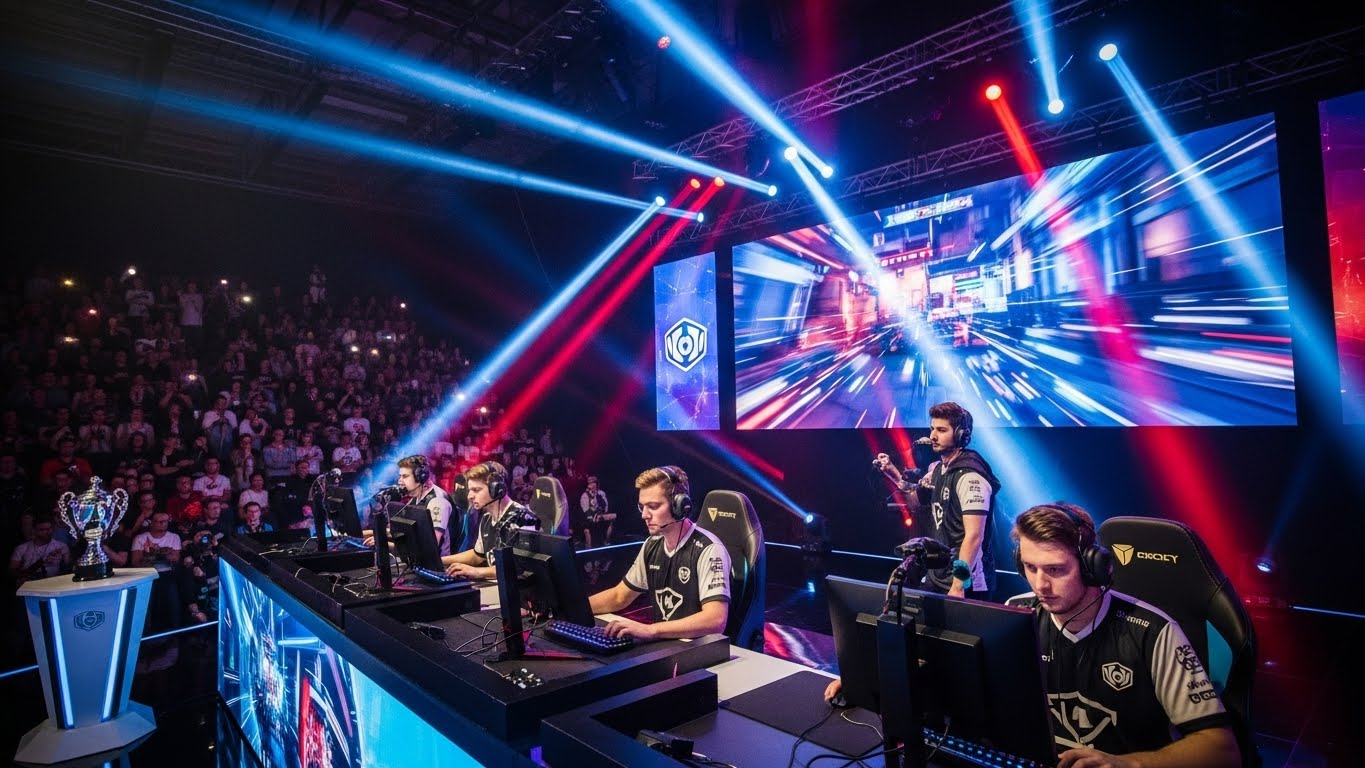
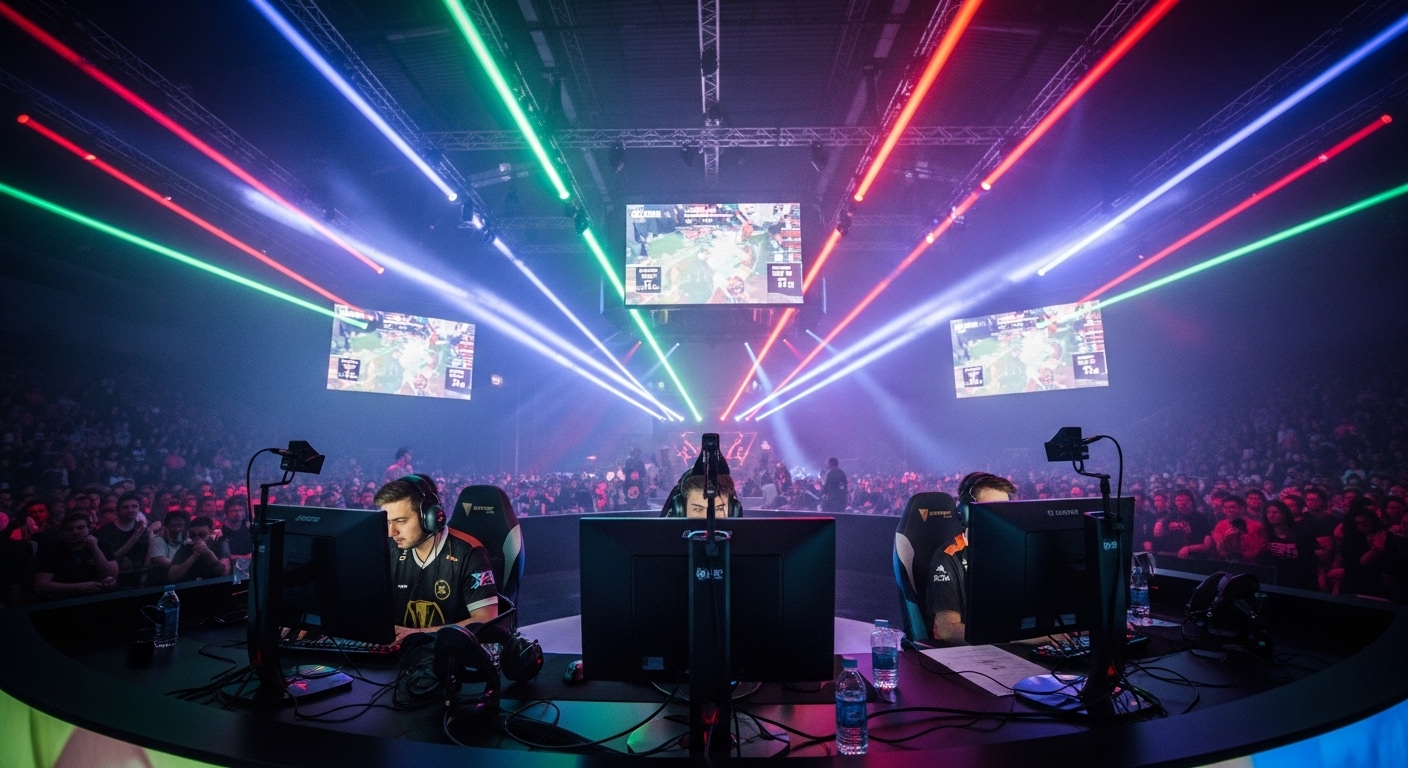
In the past decade, esports has transformed from a niche pastime into a global cultural phenomenon. No longer confined to casual gaming or small tournaments, esports now commands millions of viewers, professional leagues, and multi-million-dollar prize pools. The combination of skill, strategy, and technology has created a new form of competitive entertainment that rivals traditional sports in both scale and influence. Understanding the rise of esports requires exploring its history, its major players, its economic and cultural impact, and the challenges it faces in the digital age.
The Origins of Esports: From Arcades to Online Competitions
Esports’ roots can be traced back to the 1970s and 1980s when arcade games became popular in public spaces. Players would compete for high scores on games like Space Invaders, Pac-Man, and Donkey Kong. While these competitions were informal, they laid the groundwork for the competitive gaming culture that would follow.
The 1990s introduced multiplayer PC games such as Doom, Quake, and StarCraft. These titles emphasized both skill and strategy, attracting dedicated communities. Local area network tournaments became common, allowing players to compete in organized settings. The growing accessibility of the internet accelerated this trend, making it possible for players across the world to compete in real-time. By the early 2000s, formalized tournaments and leagues began emerging, giving esports its first taste of professional structure.
The Impact of Live Streaming on Esports Growth
Live streaming has been a game-changer for esports. Platforms that allow gamers to broadcast their gameplay to audiences worldwide have brought esports into living rooms across the globe. Viewers no longer need to attend tournaments in person to experience the excitement of competitive gaming.
Streaming has also created opportunities for personalities and content creators to rise alongside professional players. Gamers who produce entertaining commentary or in-depth analysis have become stars in their own right, expanding the reach of esports beyond traditional competition. The rise of live streaming has made esports more accessible, engaging, and profitable, fueling its rapid growth.
Key Esports Genres and Games
Esports encompasses a wide variety of genres, each attracting different types of players and audiences.
Multiplayer Online Battle Arena Games
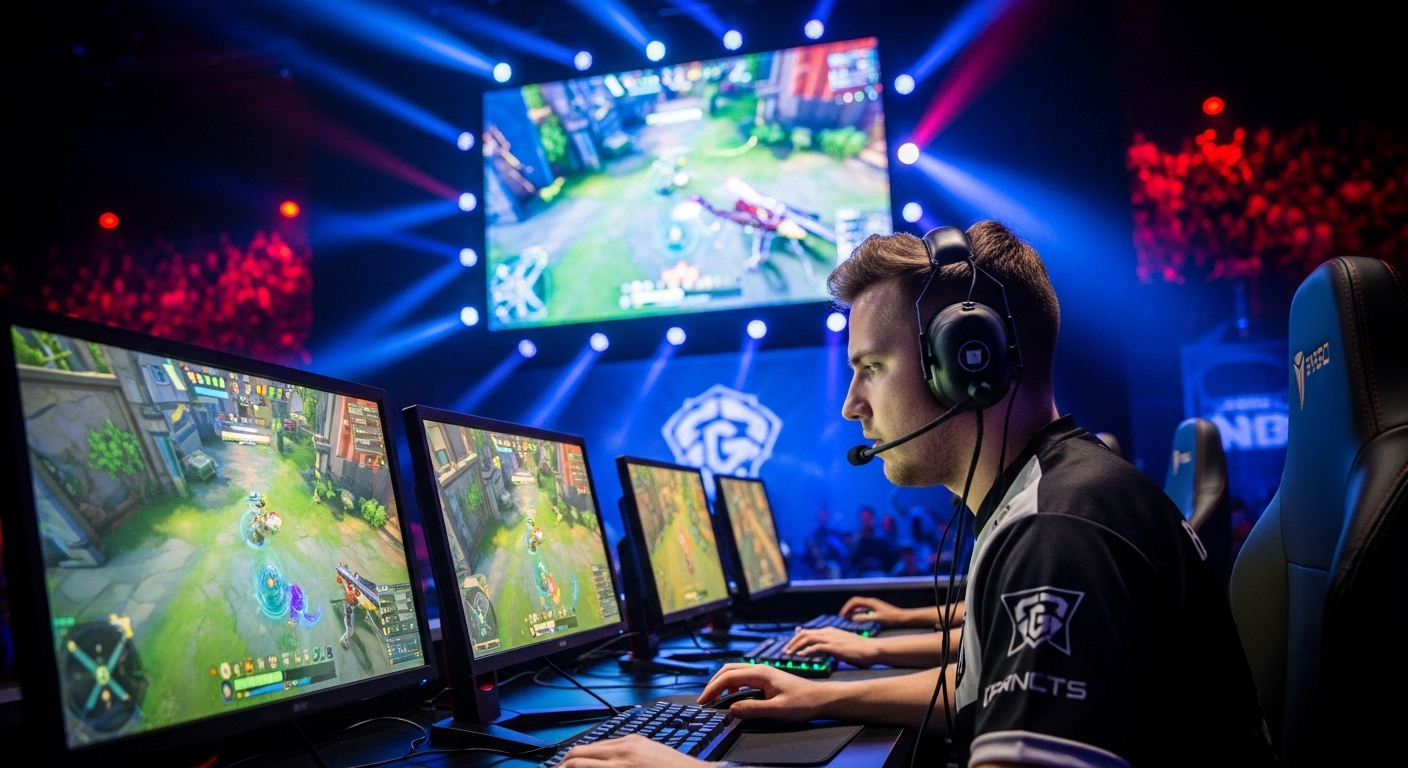
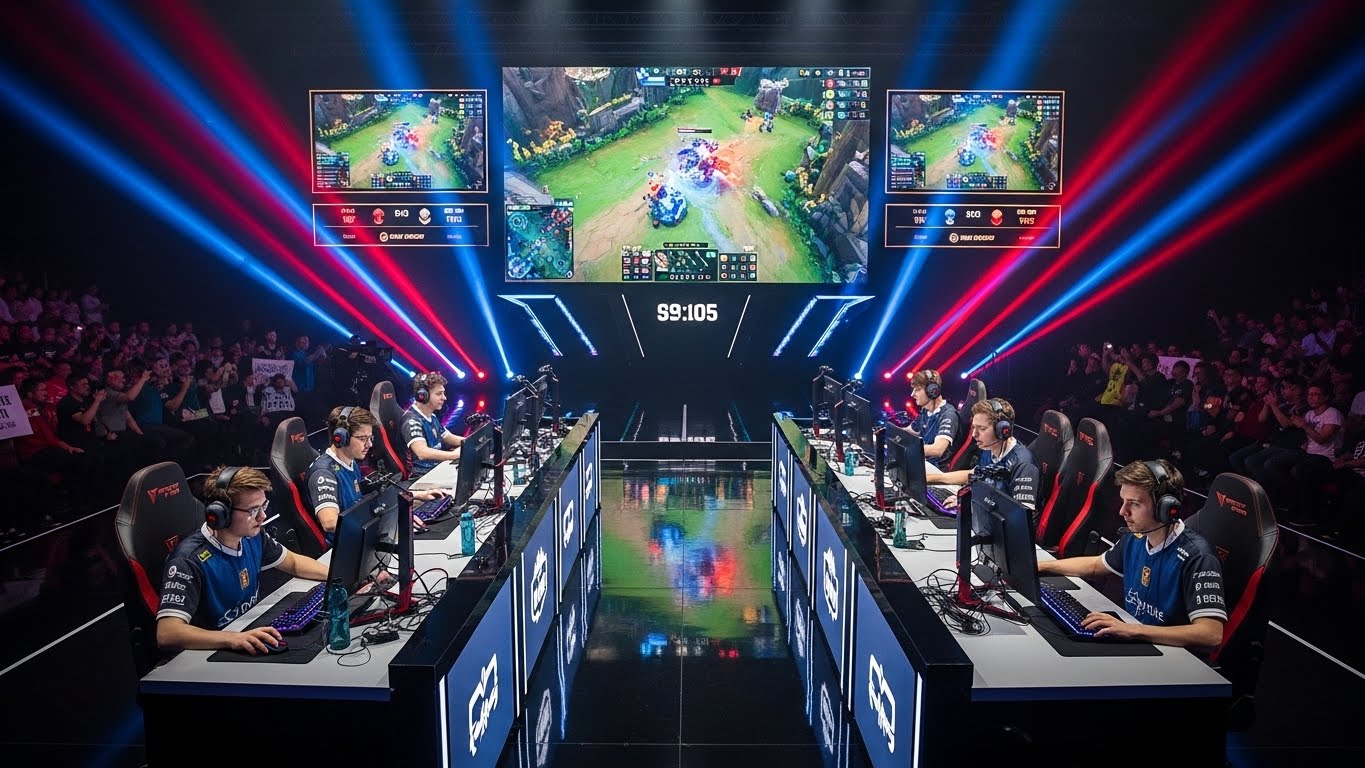
Games like League of Legends and Dota 2 have defined the multiplayer online battle arena, or MOBA, genre. These titles combine strategic planning with real-time execution, requiring teamwork, communication, and mechanical skill. Large-scale tournaments for these games often draw millions of viewers, creating a spectacle similar to major traditional sports events.
First-Person Shooters
First-person shooter games such as Counter-Strike, Valorant, and Overwatch focus on precision, coordination, and split-second decision-making. These games appeal to audiences who enjoy fast-paced action and competitive tension. FPS tournaments often feature intense rivalries and are known for their electrifying atmospheres.
Battle Royale and Mobile Games
Titles like Fortnite, PUBG, and Call of Duty: Warzone have popularized the battle royale format. These games combine survival, strategy, and combat, often on large maps with dozens of competitors. Mobile esports games, including Mobile Legends and PUBG Mobile, have further expanded the global audience, especially in regions where mobile gaming is dominant. These games demonstrate that esports can be enjoyed across platforms, reaching diverse audiences worldwide.
The Professionalization of Esports
Esports today mirrors traditional sports in terms of organization, coaching, and infrastructure. Professional teams recruit skilled players, provide coaching, and invest in training facilities. Players often practice for multiple hours each day, honing both individual skill and team coordination.
Coaches and analysts play a vital role in strategy development, reviewing gameplay footage, and identifying opportunities for improvement. Nutritionists, psychologists, and wellness experts have become common in elite teams, highlighting the industry’s emphasis on player health and performance. These developments demonstrate how seriously esports organizations take competition and how professional the industry has become.
Economics of Esports: Sponsorships, Tournaments, and Revenue Streams
Esports has grown into a multi-billion-dollar industry with diverse revenue streams. Sponsorships from technology companies, apparel brands, and entertainment businesses contribute significantly to team and tournament funding. Prize pools for major competitions have reached unprecedented amounts, with some tournaments offering millions in winnings.
Merchandise sales, in-game purchases, and ticket sales for live events further boost revenue. Media rights deals for tournament broadcasts and streaming partnerships create additional income, solidifying esports as a major entertainment sector. These financial developments have transformed esports from a hobby into a sustainable and lucrative industry for both players and organizations.
Esports Communities and Culture
The community aspect of esports is a major factor in its success. Online forums, social media, and streaming platforms create spaces where fans can interact, discuss strategies, and support their favorite teams and players. Esports communities are often highly engaged and inclusive, attracting participants from diverse backgrounds.
This culture emphasizes collaboration, creativity, and digital literacy. Fans not only consume content but also create it, contributing to an ecosystem that blurs the line between player, viewer, and creator. The communal experience is central to esports, making it more than just a competition—it is a social phenomenon.
Educational and Career Opportunities in Esports
Esports has opened doors to education and careers beyond professional gameplay. Universities now offer esports scholarships, degree programs, and dedicated clubs. These programs focus on skills such as game design, digital marketing, event management, and broadcast production, preparing students for careers within the industry.
Beyond education, careers in coaching, journalism, analytics, event organization, and team management are increasingly viable. Esports provides opportunities for individuals with varied skill sets, demonstrating that the industry is not limited to playing games professionally.
Challenges Facing Esports
Despite its growth, esports faces several challenges. Player burnout is a significant concern due to demanding practice schedules and high-pressure competition. Ensuring mental health support and sustainable routines is essential for long-term player welfare.
Regulatory issues also pose challenges. Maintaining fair play, preventing cheating or match-fixing, and establishing standardized rules are critical for credibility. Financial stability is another concern, as not all esports organizations remain profitable in the long term. The industry must balance rapid growth with sustainability to ensure its continued success.
The Future of Esports
The future of esports is promising, with technology and innovation driving new opportunities. Virtual reality and augmented reality gaming may redefine competition, creating immersive experiences for players and audiences. Cloud gaming could further expand access, allowing more people to participate without high-end hardware.
Traditional sports organizations are increasingly investing in esports, and collaborations between these two worlds are on the rise. As global recognition grows, esports could become a staple in major international sporting events. The continued expansion of audiences, platforms, and technology ensures that esports will remain a dynamic and influential force in the entertainment industry.
Conclusion: Esports as a Cultural and Competitive Force
Esports has evolved far beyond casual gaming, emerging as a legitimate form of professional competition and entertainment. Its growth has been fueled by technology, community engagement, and the dedication of players and organizations. Esports represents not only skill and strategy but also creativity, collaboration, and cultural relevance.
As it continues to expand, esports has the potential to redefine what competitive entertainment looks like in the digital era. From local tournaments to global spectacles, esports is a testament to how gaming can unite people, inspire careers, and create experiences that resonate across generations. The digital arena has arrived, and it is here to stay.