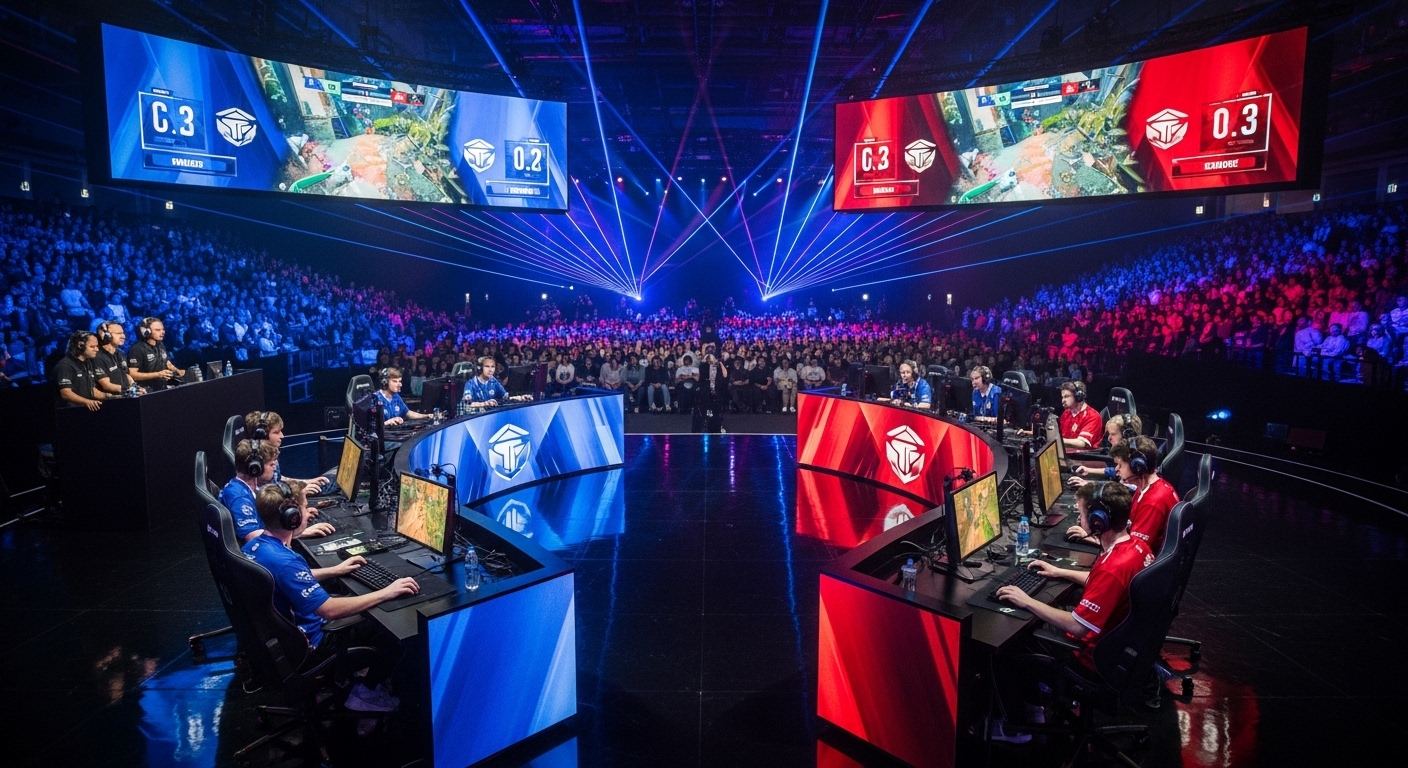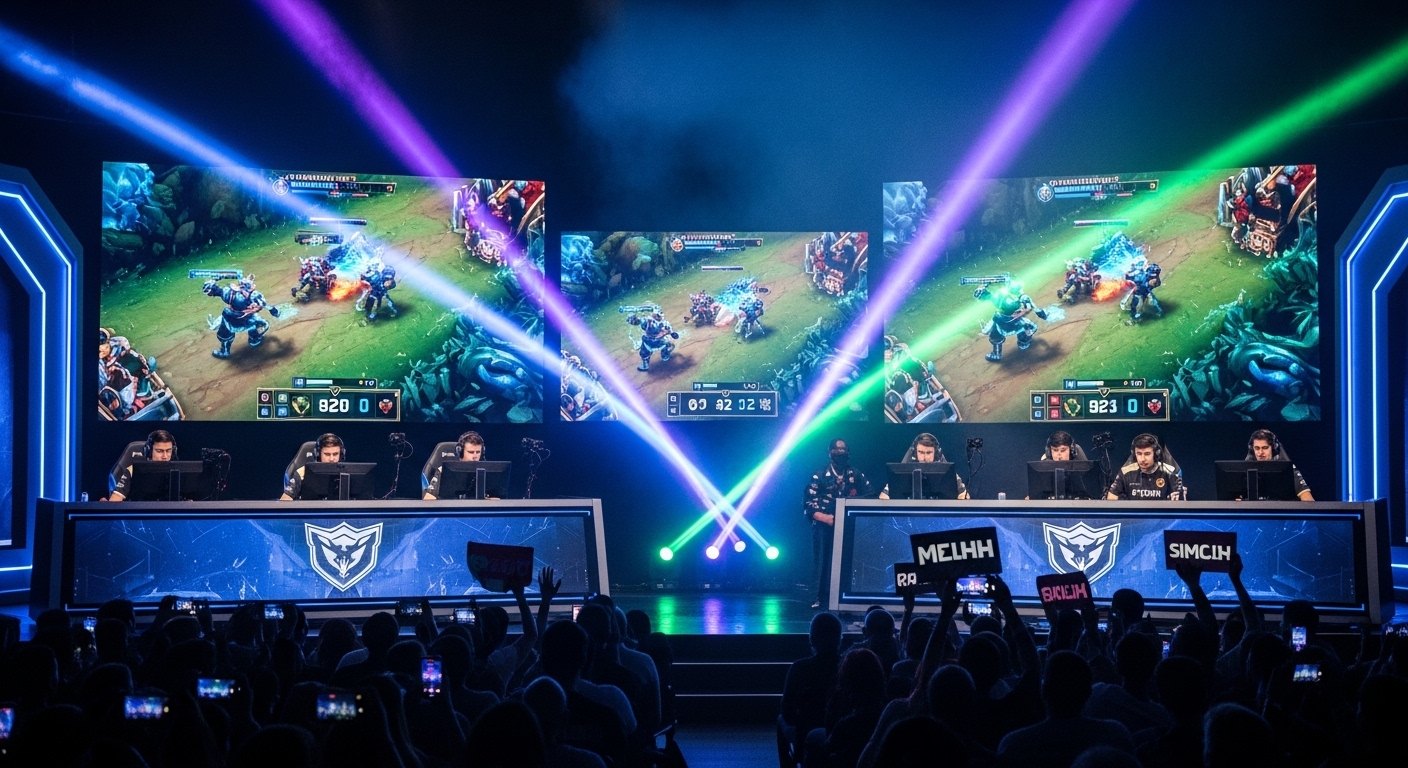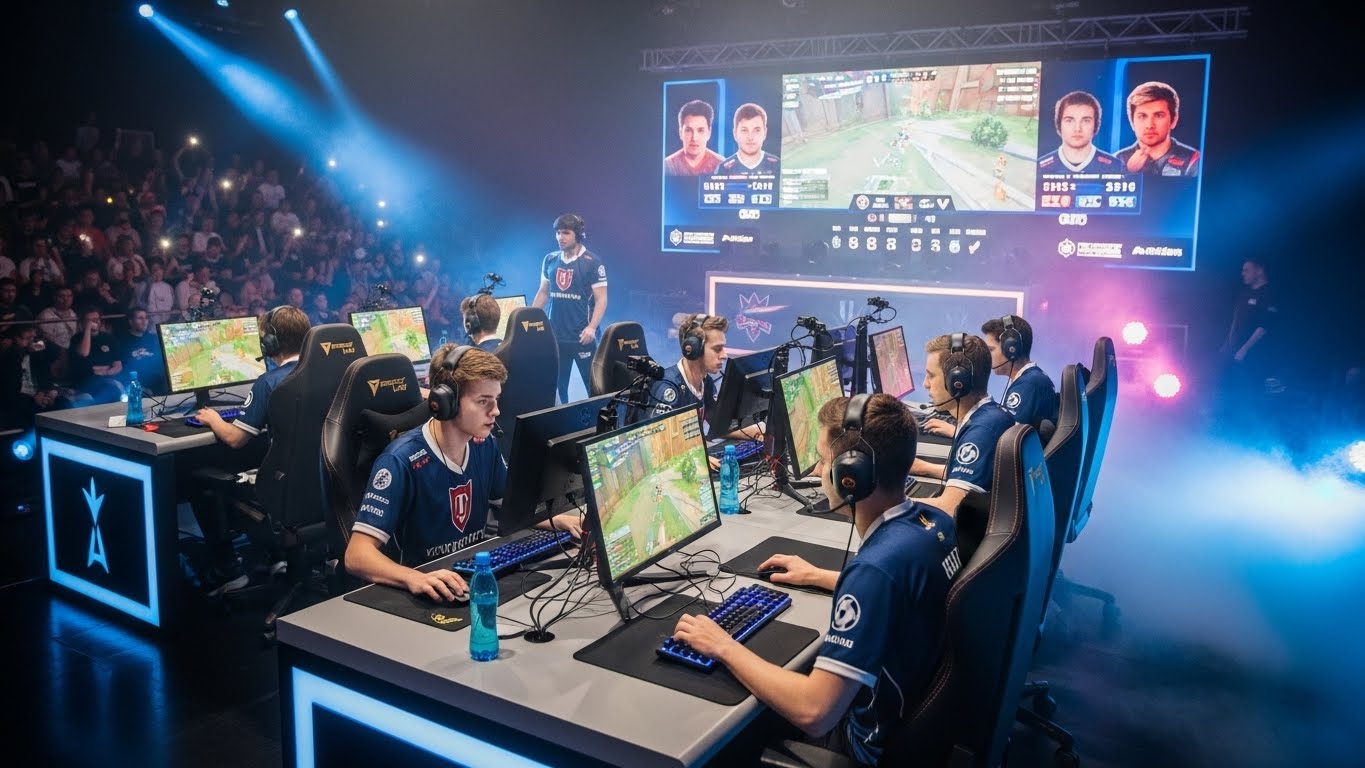
Over the past few decades, esports has evolved from a niche hobby to a multi-billion-dollar global industry. What was once seen as a pastime for the gaming community has blossomed into a fully-fledged competitive sport with professional players, sponsors, fans, and massive prize pools. The world of esports now touches a wide range of people across the globe, from casual gamers to professional athletes, and has even begun to shape traditional sports media and entertainment.
In this blog post, we’ll explore the explosive growth of esports, the factors driving its popularity, and the potential future of this dynamic industry. Whether you’re a seasoned esports fan or someone just starting to explore the world of competitive gaming, this article will give you an in-depth look at the phenomenon that’s redefining how we think about gaming and sports.
The Rise of Esports: From Hobby to Industry
Esports, or electronic sports, refers to organized multiplayer video game competitions, particularly between professional players, individually or as teams. The origins of esports can be traced back to the early 2000s, when games like StarCraft and Warcraft III began to gain traction in competitive circles. However, it was the launch of League of Legends in 2009 and Dota 2 a few years later that truly propelled esports into the mainstream. These games attracted a massive audience, creating the foundation for what would soon become an international industry.
The rise of streaming platforms, particularly Twitch, played a pivotal role in the success of esports. In the early 2010s, Twitch made it easier than ever for viewers to watch live esports events and stream their own gameplay, contributing to the democratization of competitive gaming. As a result, competitive gaming events began to fill arenas, drawing thousands of fans, while online audiences soared into the millions. These events were not only broadcasted online but also picked up by major television networks, further cementing esports as a legitimate form of entertainment.
Today, esports is one of the fastest-growing sectors in the entertainment industry. Major tournaments offer multi-million-dollar prize pools, sponsorships from global brands, and media coverage that rivals that of traditional sports. Games like Fortnite, Counter-Strike: Global Offensive, Overwatch, and Valorant have attracted legions of players and spectators alike, with professional teams and leagues springing up around the world.
What Makes Esports So Popular?
Esports’ meteoric rise can be attributed to several key factors that resonate with modern audiences. Here are some of the primary reasons why esports has become so popular:
1. Accessibility and Inclusivity
One of the major appeals of esports is its accessibility. All that’s required to participate is a computer or console and an internet connection. This low barrier to entry has made esports particularly popular among young people, who can easily join competitive gaming communities without the need for physical infrastructure or specialized facilities.
Furthermore, esports is inherently inclusive. Unlike traditional sports, where physical attributes such as strength or height can play a role, esports focuses on skill, strategy, and teamwork. This allows individuals from diverse backgrounds and demographics to compete on a level playing field, creating a more inclusive environment for both players and fans.
2. Global Reach and Community Building
Esports transcends borders and language barriers, with millions of people across the globe coming together to compete, watch, and celebrate their favorite games. The rise of online platforms like Twitch, YouTube, and Discord has made it easier for players and fans to connect, creating a sense of community that spans across countries and cultures.
Esports tournaments are often streamed live in multiple languages, and events can be watched from anywhere in the world. This global connectivity fosters a shared sense of excitement and camaraderie among fans, further solidifying esports as a universal form of entertainment.
3. Thrill of Competition and Spectatorship
At its core, esports offers the thrill of competition. Whether you’re a player striving to improve your skills or a fan cheering for your favorite team, esports delivers high-stakes, fast-paced action that captivates audiences. Much like traditional sports, competitive gaming requires immense focus, strategy, and practice, which makes it exciting to watch.
Professional players often train for hours each day, honing their mechanical skills and strategic knowledge to gain an edge over their opponents. This level of dedication and expertise makes esports a compelling spectacle for fans who enjoy watching top-tier athletes push the limits of their abilities. The drama, tension, and unpredictability of esports events often mirror that of traditional sports, which makes it an easy transition for sports fans to embrace esports as a legitimate form of entertainment.
4. The Rise of Esports Influencers and Personalities
Alongside the growth of esports, a new wave of digital influencers has emerged. Professional players, streamers, and content creators have become celebrities in their own right, building massive followings on platforms like YouTube and Twitch. These influencers offer fans a behind-the-scenes look at their training, personal lives, and interactions with the gaming community.
Streamers like Ninja and Shroud have become household names, bridging the gap between gaming culture and mainstream entertainment. As these personalities continue to gain recognition and brand partnerships, they contribute to the overall popularity of esports by making it more relatable and accessible to the average person.
The Structure of Esports: Leagues, Teams, and Tournaments
Esports operates similarly to traditional sports in terms of structure. There are professional leagues, teams, tournaments, and a ranking system that mirrors the competitive landscape of traditional sports like football or basketball. Here’s a breakdown of the key elements that make up the esports ecosystem:
1. Professional Leagues and Teams
Much like traditional sports leagues, esports features organized competitions with professional teams representing various organizations or sponsors. These teams often consist of players who specialize in a specific game, and many of them have coaches, analysts, and support staff to help players improve their performance.
Some of the most popular esports leagues include the Overwatch League, the League of Legends Championship Series (LCS), and Dota 2’s The International. These leagues have regular seasons, playoffs, and championship events, and the teams compete for both prestige and large cash prizes.
Teams like Cloud9, Fnatic, and Team Liquid have become household names in the esports world, attracting sponsorships from major brands and building fan bases around the world. These teams often have dedicated fan bases, much like professional sports teams, and their players are often regarded as elite athletes in their respective games.
2. Major Tournaments and Events
Esports tournaments, such as The International (Dota 2), League of Legends World Championship, and Intel Extreme Masters (IEM), are some of the largest and most prestigious events in the industry. These tournaments often feature massive prize pools, sometimes reaching tens of millions of dollars, and attract global audiences both in-person and online.
The grandeur and spectacle of esports tournaments have transformed them into major events that rival traditional sports competitions in terms of viewership. These events are often held in large arenas or stadiums and can be broadcasted to millions of viewers on streaming platforms, television networks, or even social media.
The Business Side of Esports: Sponsorships, Revenue, and Media
As esports continues to grow, it has attracted significant investment from a range of industries, including technology, entertainment, and traditional sports. Sponsorship deals, media rights, and advertising have become major revenue sources for esports organizations, teams, and players. Major companies like Coca-Cola, Intel, and Pepsi sponsor tournaments and teams, providing financial backing to help esports continue to thrive.
In addition to traditional sponsorships, esports organizations and teams have begun to monetize their own brands through merchandise, streaming platforms, and exclusive content. The potential for esports to generate revenue continues to expand, and it’s clear that the business side of esports will play a crucial role in its future growth.
The Future of Esports: What’s Next?
Looking ahead, the future of esports appears incredibly promising. As technology continues to evolve, so too will the capabilities of competitive gaming. Augmented reality (AR) and virtual reality (VR) are already beginning to make their mark on esports, offering fans and players a more immersive experience. The integration of AI, machine learning, and enhanced data analytics will also play a role in making esports more dynamic, from both a competitive and viewer experience standpoint.
Additionally, esports is likely to continue gaining recognition in the mainstream. With esports already being recognized as a legitimate sport in some regions, it’s not hard to imagine a future where esports is fully integrated into educational systems, with students being able to pursue degrees in esports management, broadcasting, and other related fields.
Esports is also poised to become a significant part of the Olympic Games. In recent years, the International Olympic Committee (IOC) has expressed interest in incorporating esports into the Olympics, with the potential to showcase the best esports players in the world on a global stage.
Conclusion: Esports as the Future of Competitive Entertainment
Esports has transformed from a hobby to a global phenomenon, captivating millions of people around the world with its high-octane gameplay, strategic depth, and dedicated communities. As the industry continues to evolve, it’s clear that esports will play a crucial role in shaping the future of entertainment and competitive sports.
From the rise of professional teams and leagues to the massive tournaments and streaming platforms, esports is here to stay. As more people embrace gaming as both a spectator sport and a career, the opportunities for growth within the industry are limitless. Whether you’re a casual gamer or an esports enthusiast, one thing is certain: the world of competitive gaming is only going to get bigger, more exciting, and more immersive in the years to come.