In the last decade, esports has emerged as a powerhouse in the world of entertainment, transforming from a niche hobby into a global phenomenon. Esports, short for electronic sports, refers to competitive video gaming at the professional level. Today, it is an industry valued in the billions, attracting millions of fans worldwide and reshaping how we think about gaming, sports, and digital culture. Whether it’s the thrill of watching a League of Legends match or the high-stakes tension of a Fortnite tournament, esports has carved out its own space in mainstream media and culture. This blog delves into the rise of esports, its key elements, the business behind it, and what the future holds for competitive gaming.
The Birth of Esports: From Casual Competition to Professional Leagues
The story of esports began decades ago, rooted in the early days of arcade gaming. In the 1970s and 1980s, arcade games such as Space Invaders and Pac-Man introduced the concept of high-score competitions. Although these early tournaments were small-scale and informal, they set the stage for competitive gaming’s potential. As video game technology improved in the 1990s, the foundation for modern esports was laid with multiplayer games such as Warcraft, Quake, and StarCraft that allowed players to compete against each other online.
The early 2000s saw the emergence of organized esports tournaments, with events like the World Cyber Games (WCG) and Electronic Sports World Cup (ESWC) offering players the chance to compete on a global stage. These events were instrumental in establishing esports as a legitimate, competitive pursuit. StarCraft, in particular, became a phenomenon in South Korea, where it developed a passionate following and played a pivotal role in the professionalization of esports. The game’s popularity in Korea led to the creation of dedicated esports channels, sponsored tournaments, and a highly structured league system, all of which helped shape the modern esports landscape.
The Digital Revolution: Streaming and the Rise of Online Communities
One of the key factors that has fueled the rapid growth of esports is the rise of digital streaming platforms. In 2011, Twitch was launched, providing a dedicated space for gamers to stream their gameplay and interact with their audiences. This platform became a game-changer, offering both players and fans a direct and immersive way to experience esports events. With Twitch, esports fans could watch tournaments live, engage with players through chat, and even follow the career trajectories of their favorite professional gamers.
Twitch’s success sparked the development of similar platforms such as YouTube Gaming and Facebook Gaming, expanding the ways fans could watch esports events. Streaming also allowed fans to connect in new ways, creating a digital ecosystem of content creators, fans, and brands. Esports tournaments, once only available through limited broadcast channels or niche websites, became accessible to anyone with an internet connection. As a result, esports expanded its reach and cultivated a global fanbase.
Beyond Twitch, platforms like YouTube also became major venues for esports content. Professional gamers, teams, and organizations began to upload highlight reels, full match replays, and strategy tutorials, allowing fans to consume esports content at their own pace. This democratization of esports content made it easier for people to discover new games, players, and teams, fostering a vibrant and interactive community.
The Growth of Esports Leagues: Professional Teams and Global Competitions
As esports continued to gain popularity, the concept of professional leagues began to take shape. The League of Legends Championship Series (LCS), Overwatch League (OWL), and Dota 2‘s The International are just a few examples of major esports leagues that have transformed competitive gaming into a spectator sport. These leagues feature regular seasons, playoff events, and championship tournaments, mirroring the structure of traditional sports leagues like the NBA or NFL.
The development of these leagues helped establish a professional framework for esports, with organizations, sponsors, coaches, and analysts becoming integral parts of the ecosystem. In the past, professional players often competed solo or in small groups, but modern esports teams operate with a full support system. Coaches provide strategic advice, analysts break down opponents’ tactics, and managers handle logistics and sponsorship deals. Teams like Team Liquid, Fnatic, and Cloud9 have become iconic names in the industry, with dedicated fanbases that follow their every move.
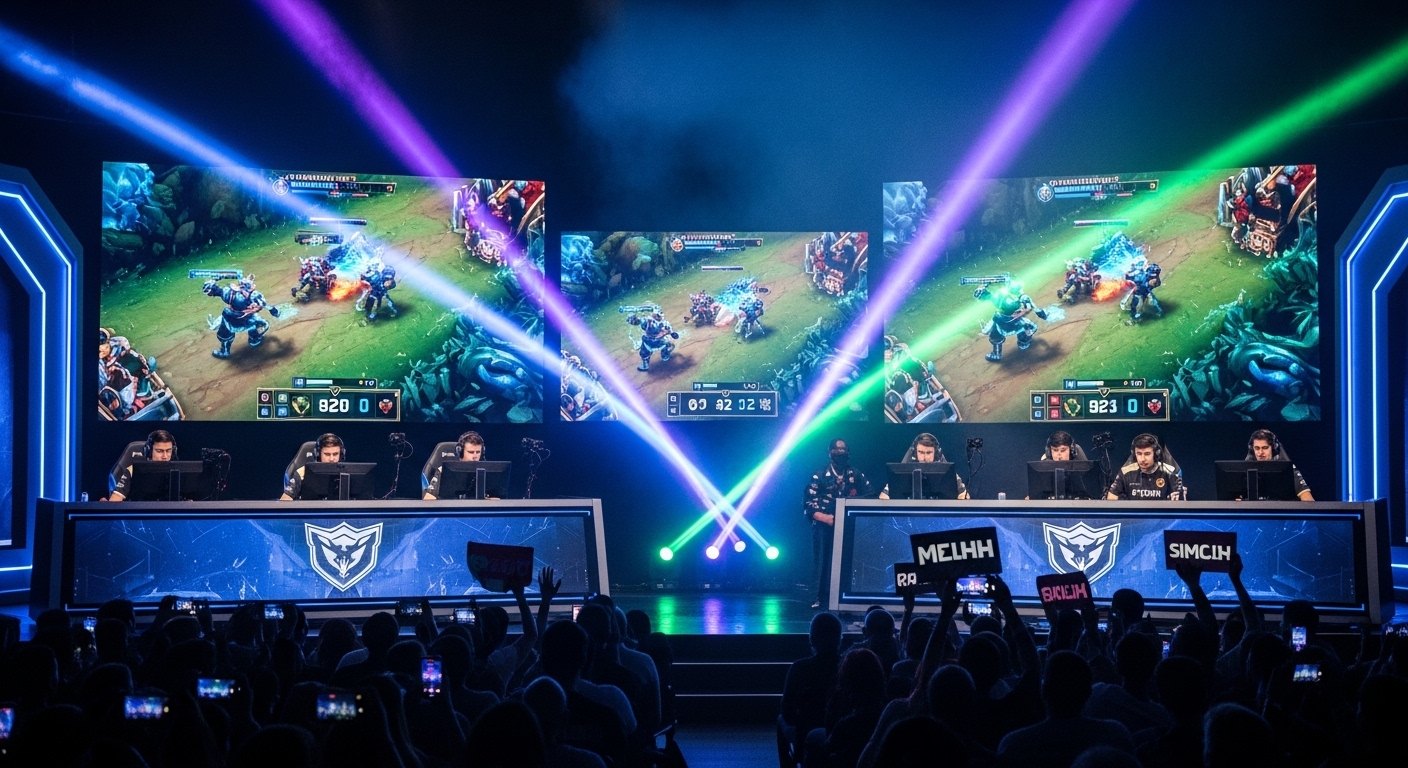
These leagues and organizations have not only elevated the level of competition but also brought esports into the mainstream. Major esports tournaments now attract viewership numbers comparable to traditional sports events. The League of Legends World Championship, for example, regularly draws over 100 million viewers, rivaling the viewership of the Super Bowl. Esports has become a legitimate spectator sport, and its growing global appeal shows no signs of slowing down.
The Business of Esports: Revenue Streams and Sponsorships
One of the most striking aspects of esports is the amount of money flowing into the industry. Esports has become a multi-billion-dollar industry, and its rapid growth is fueled by multiple revenue streams. The primary sources of income for esports organizations, teams, and tournaments include sponsorships, media rights, ticket sales, and merchandise.
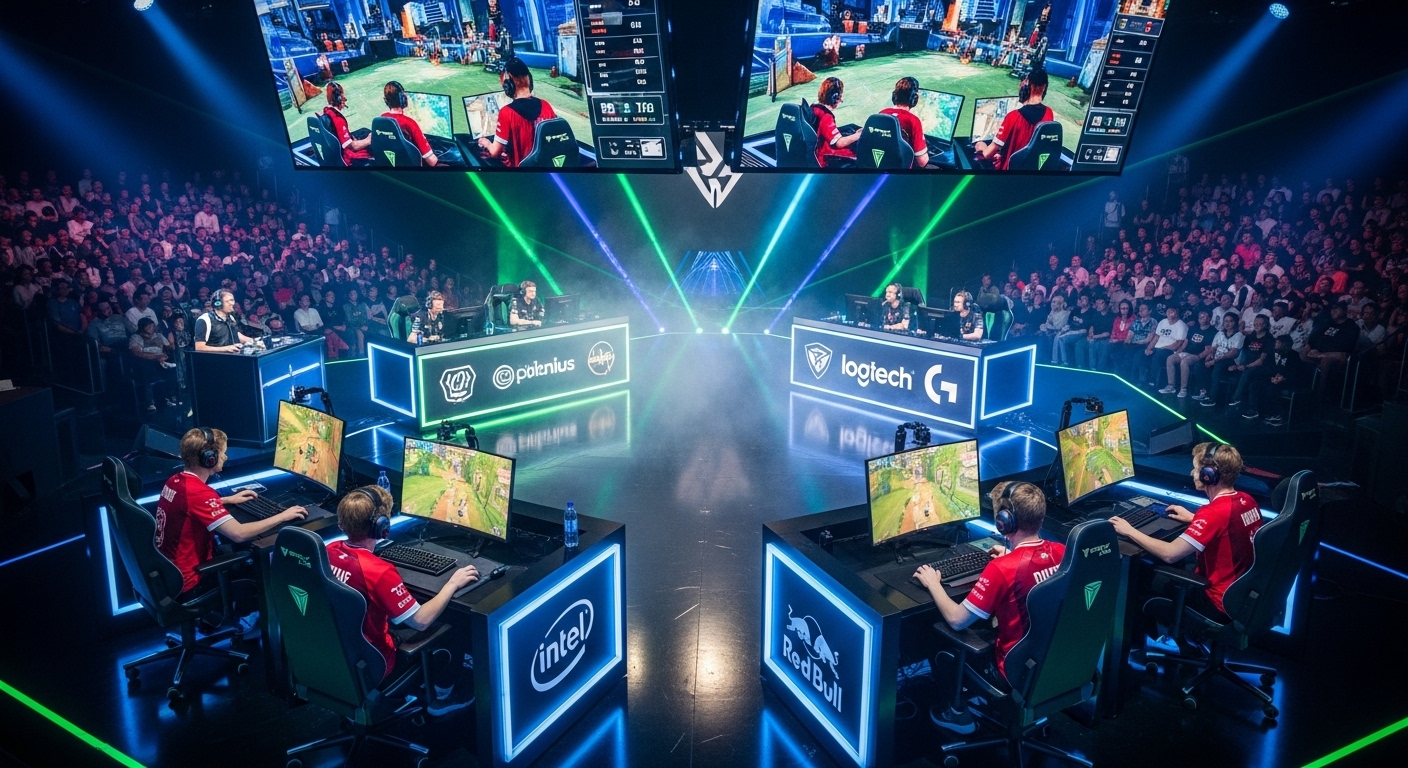
Sponsorships are a cornerstone of the esports business model. Big-name brands across a variety of industries, from tech companies like Intel and Nvidia to beverage giants like Coca-Cola and Red Bull, have recognized the potential of esports and invested heavily in the space. These sponsorship deals help fund tournaments, teams, and events, and also provide visibility to brands looking to engage with a younger, tech-savvy demographic. Esports sponsorships are often more lucrative than those in traditional sports due to the passionate, global fanbase and the digital nature of the industry, which allows for targeted marketing.
Media rights have also become a major revenue driver for esports. With the increasing popularity of esports, broadcasting deals with networks like ESPN, TBS, and cable TV channels have emerged, bringing esports to a wider audience. Many esports tournaments are also streamed live on platforms like Twitch, with some events even attracting multi-million-dollar deals from platforms like YouTube and Facebook. These broadcasting rights help generate revenue for tournament organizers and allow them to produce high-quality streams that reach millions of viewers worldwide.
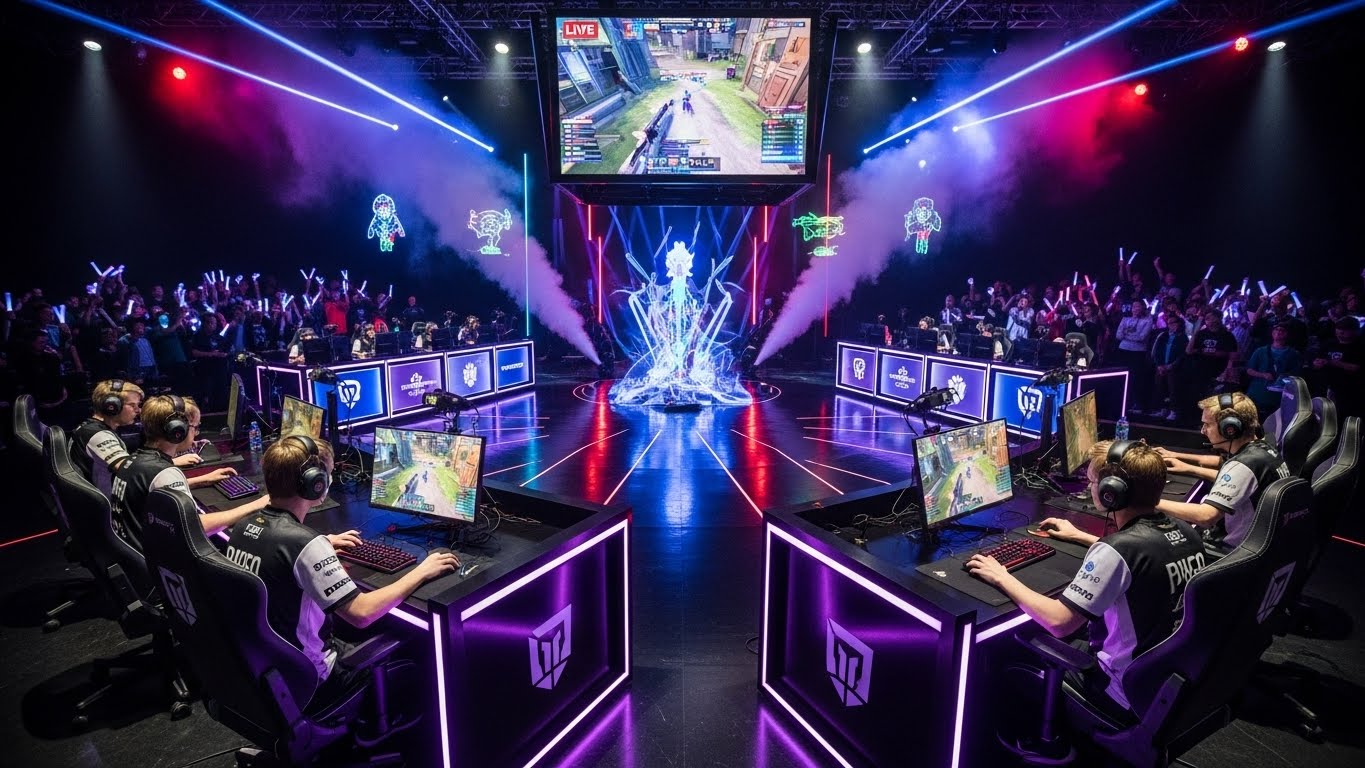
Ticket sales for live events have also contributed significantly to the financial success of esports. Major tournaments, such as The International and ESL One, are held in large arenas and stadiums, drawing tens of thousands of spectators. The growing number of live events, combined with the global nature of esports, has turned competitive gaming into a massive live entertainment business, with fans eager to witness their favorite teams battle for victory in person.
The Players: The Unsung Heroes of Esports
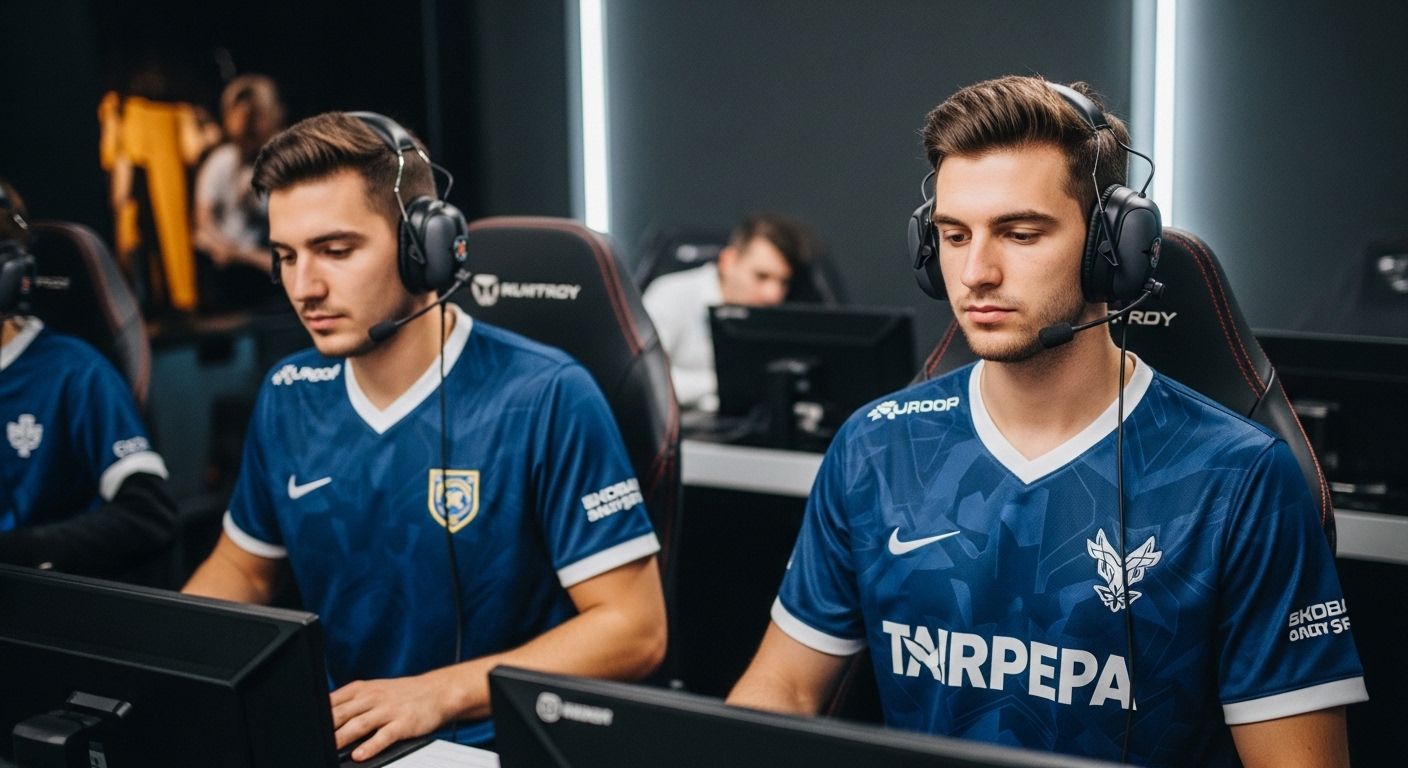
While the business side of esports is impressive, the true heart of the industry lies in the players themselves. Professional gamers dedicate hours of training and practice to perfect their skills, often starting at a young age. Many esports players begin their careers in their teenage years, and it’s not uncommon to see players in their early 20s dominating the competition. However, the life of an esports player is demanding, with long hours of gameplay, intense mental focus, and the pressure of performing in front of millions of viewers.
Esports players, like traditional athletes, have a team of coaches, analysts, and support staff behind them to help optimize their performance. The physical toll of sitting for hours on end, combined with the mental strain of high-stakes competition, means that players often have to take care of their physical health, including posture, vision, and reaction times. Many esports organizations also provide psychologists to help players manage stress and maintain a healthy work-life balance.
The role of the esports player has evolved from that of a simple gamer to a full-fledged professional athlete. Players are not only responsible for their performance in-game but also for engaging with fans, participating in promotional activities, and maintaining a positive public image. Some of the most popular esports players, such as Faker from League of Legends and Dendi from Dota 2, have become global icons, with large followings on social media and substantial endorsement deals.
The Social and Cultural Impact of Esports
Esports has made a profound impact on global culture, fostering communities, breaking down social barriers, and changing the way people engage with gaming. Competitive gaming is no longer seen as a solitary activity but a social one. Fans connect with each other through online forums, social media, and live-streaming platforms, sharing their love for their favorite games and players. Esports has helped build a global community of gamers, transcending geographical, linguistic, and cultural boundaries.
Furthermore, esports has contributed to the broader acceptance of gaming as a mainstream activity. Video games, once stigmatized as a hobby for introverted individuals, are now celebrated as an integral part of modern entertainment. Esports tournaments and gaming events are no longer niche occurrences but global spectacles, held in large arenas with thousands of fans in attendance. This shift has paved the way for gaming to be taken seriously as a form of entertainment and as a legitimate career option.
Esports has also had an impact on education. Many universities and colleges around the world now offer esports scholarships, recognizing the skill and discipline required to excel in competitive gaming. High school esports leagues have also sprung up, giving younger players the opportunity to compete and develop their skills at an early age. These initiatives help legitimize esports as a valuable pursuit and offer pathways for players to pursue gaming professionally.
The Future of Esports: New Frontiers and Opportunities
The future of esports looks incredibly promising. With technological advancements in virtual reality (VR), augmented reality (AR), and artificial intelligence (AI), esports will continue to evolve and offer new forms of immersive gameplay and viewing experiences. VR and AR have the potential to revolutionize the way we interact with games, making esports even more dynamic and engaging for players and spectators alike.