Introduction to Esports
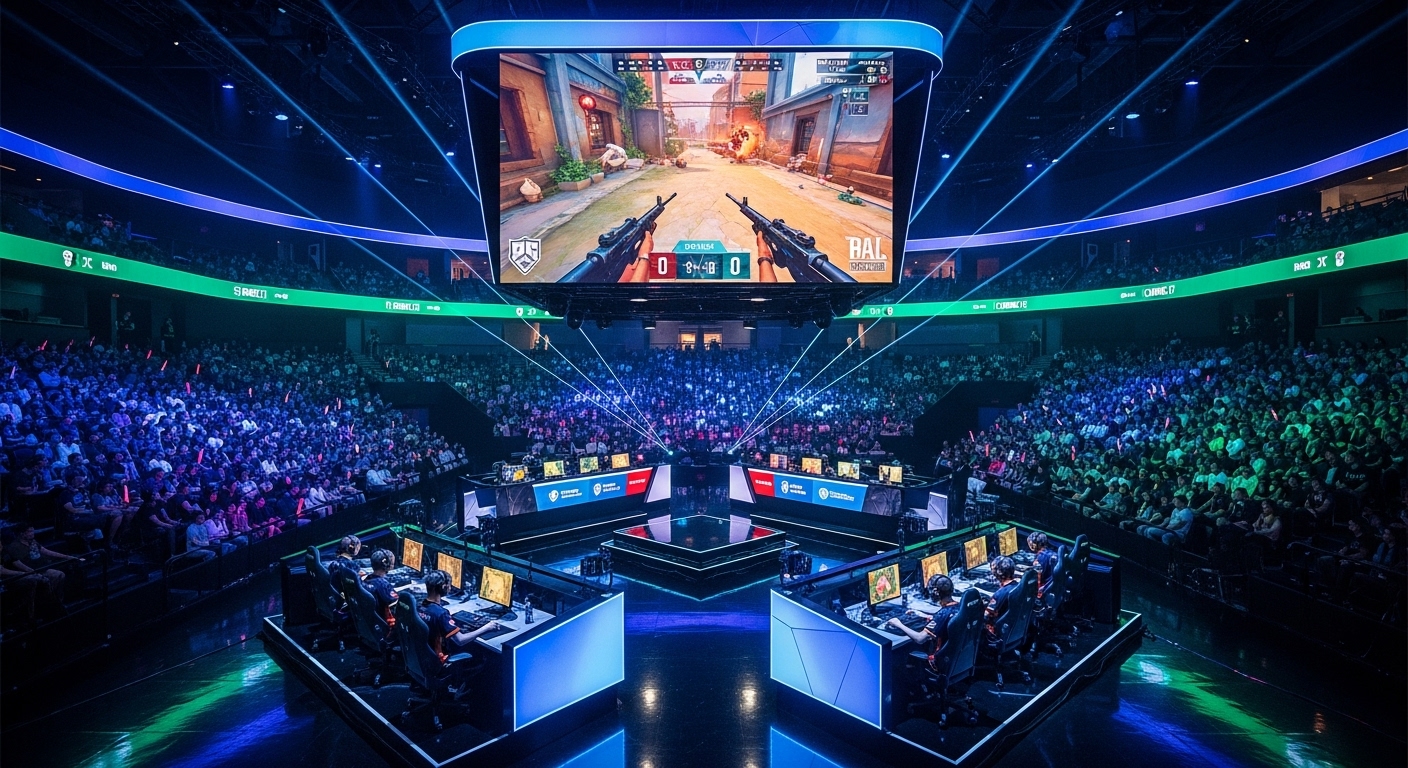
In the past decade, esports has transformed from a niche hobby into a global phenomenon. Competitive gaming, once perceived as a pastime for a few enthusiasts, has now evolved into a multi-billion-dollar industry with professional players, massive audiences, and corporate sponsorships. Esports encompasses organized video game competitions across a variety of genres, including multiplayer online battle arenas, first-person shooters, sports simulations, and real-time strategy games. This dynamic industry bridges the gap between technology, entertainment, and sports, creating new opportunities for players, audiences, and businesses alike.
Historical Evolution of Esports
Esports has roots stretching back to the 1970s and 1980s with arcade tournaments and early gaming competitions. One of the first notable events was the 1980 Space Invaders Championship, which attracted thousands of participants and showcased the potential of competitive gaming. As home consoles and personal computers became more widespread, tournaments expanded to include titles like Street Fighter, StarCraft, and Counter-Strike, which laid the foundation for modern esports.
The late 2000s marked a significant turning point with the rise of streaming platforms such as Twitch and YouTube Gaming. These platforms allowed audiences to watch live gameplay, making competitive gaming more accessible and increasing its global visibility. This period also saw the emergence of professional esports teams, leagues, and structured tournaments, setting the stage for esports to become a mainstream entertainment medium.
Popular Esports Titles and Their Appeal
The esports ecosystem is diverse, with certain games achieving iconic status. Titles like League of Legends, Dota 2, Counter-Strike: Global Offensive, Fortnite, and Call of Duty dominate the competitive scene. Each game offers unique mechanics, strategic depth, and skill requirements, appealing to different types of players and audiences.
League of Legends, for instance, is celebrated for its strategic complexity and team coordination. Players must master character abilities, item builds, and map control to outmaneuver opponents. Dota 2 shares similar strategic elements but with a steeper learning curve, attracting a dedicated fanbase that thrives on high-level tactical gameplay. First-person shooters like Counter-Strike: Global Offensive and Call of Duty emphasize reflexes, precision, and split-second decision-making, making them highly thrilling to watch and play. Meanwhile, Fortnite combines building mechanics with shooting skills, appealing to a younger audience and casual players.
The Structure of Esports Competitions
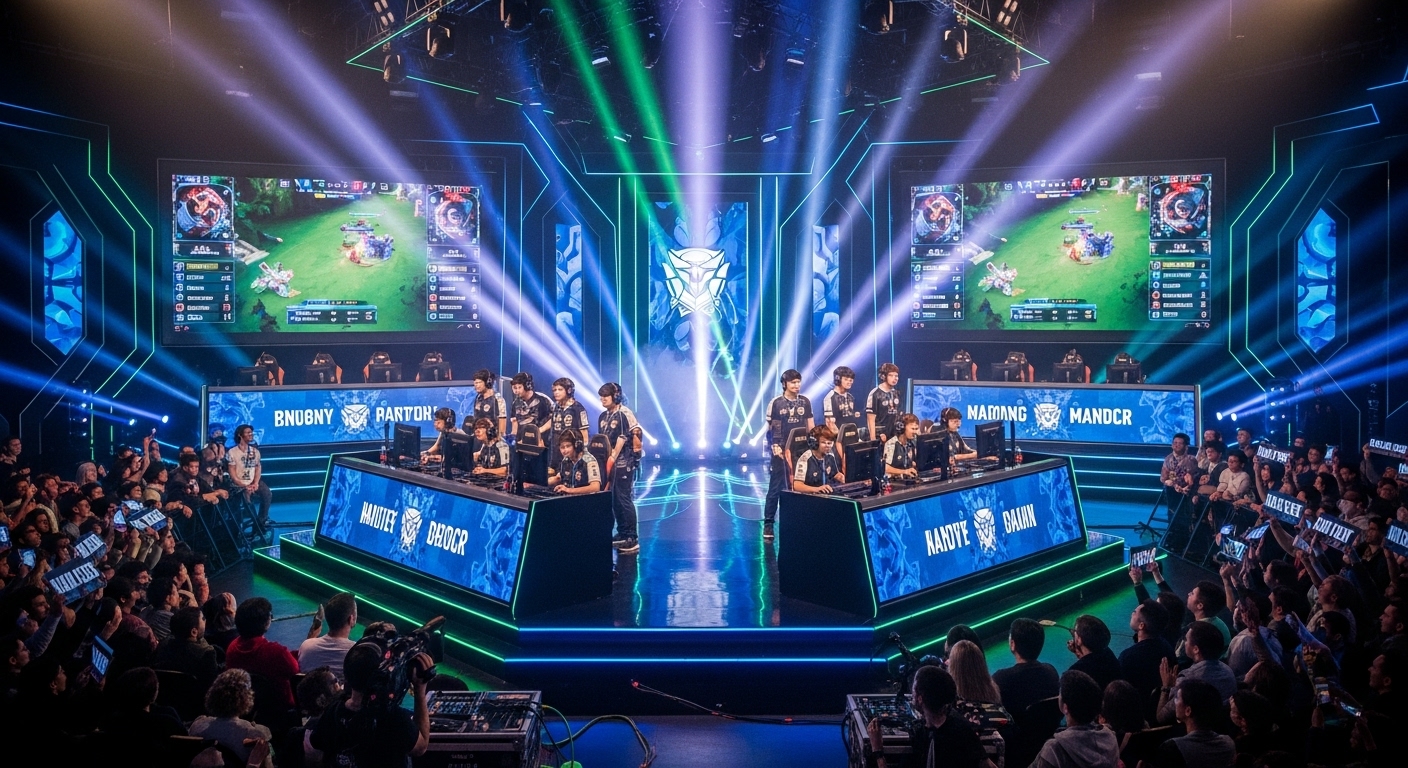
Esports tournaments range from small local events to massive international competitions. Professional leagues often follow structured seasons, culminating in championships with prize pools reaching millions of dollars. For example, the League of Legends World Championship and The International Dota 2 Championship are renowned for their grand scale and multi-million-dollar prize distributions.
Competitions are usually organized in formats like single elimination, double elimination, round-robin, or group stages, depending on the number of participants and the stakes involved. Team-based games emphasize collaboration, strategy, and communication, while individual games highlight personal skill and mastery. These structures provide a framework for fair competition and ensure that the best players and teams consistently rise to the top.
Esports as a Professional Career
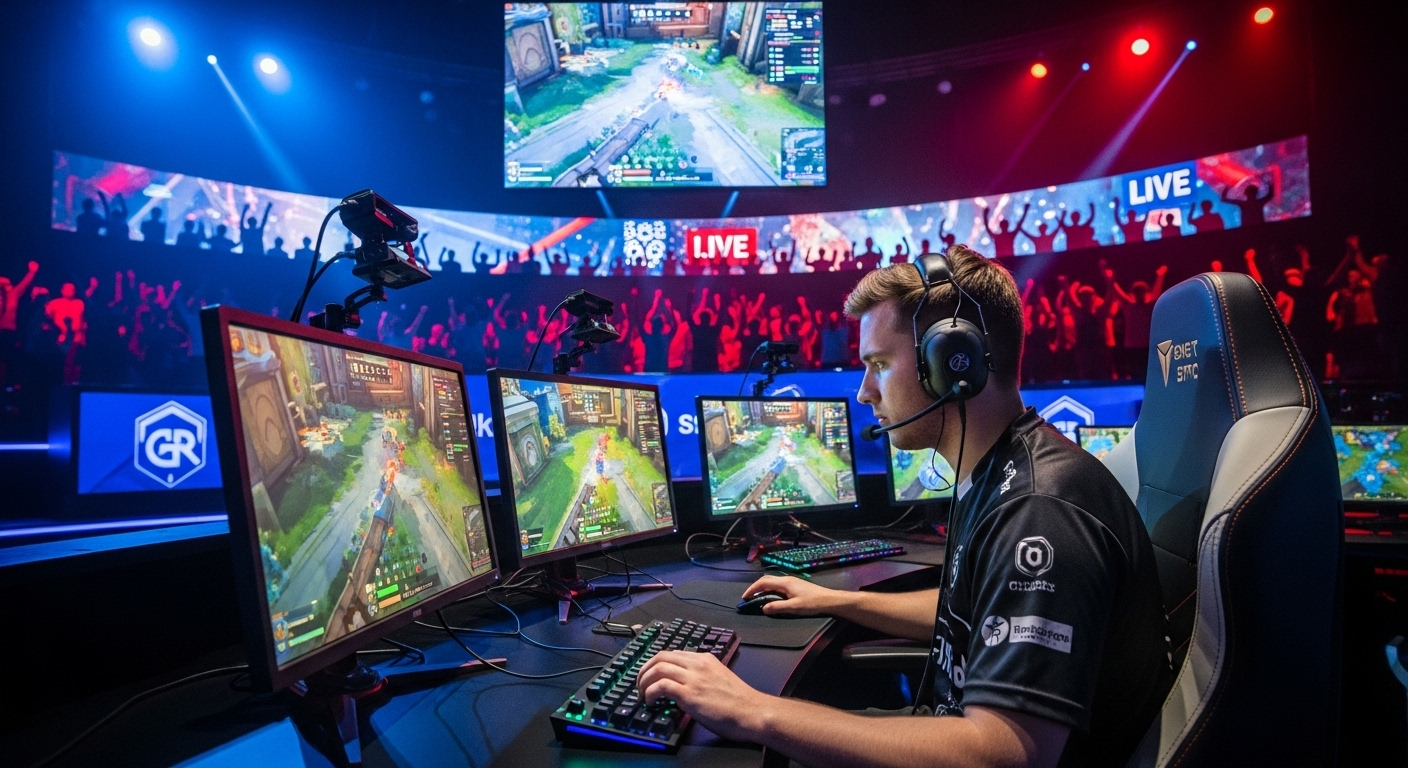
Becoming a professional esports player requires dedication, discipline, and exceptional skill. Unlike traditional careers, esports demands long hours of practice, rigorous training schedules, and mental resilience. Professional players often start young, honing their skills through online ranked matches and amateur tournaments before joining professional teams.
Beyond players, esports offers careers in coaching, game analysis, content creation, broadcasting, and event management. Analysts study gameplay to provide teams with strategies, while content creators engage fans through streaming, social media, and video production. Commentators, known as casters, bring tournaments to life with their insight, energy, and storytelling abilities. Event organizers handle logistics, ensuring tournaments run smoothly. Together, these roles form a vibrant ecosystem that sustains the industry.
The Global Esports Audience
The esports audience has grown exponentially, attracting millions of viewers worldwide. Platforms like Twitch, YouTube, and Facebook Gaming enable fans to watch live matches, interact with players, and participate in community discussions. This accessibility has expanded the audience beyond traditional gamers, attracting casual viewers and mainstream entertainment enthusiasts.
Demographically, esports fans tend to be younger, tech-savvy individuals, but the appeal spans across age groups and regions. The global nature of esports allows fans from different countries to support international teams, creating a sense of community and shared experience. Major events draw stadium-sized crowds, further cementing esports as a spectator sport comparable to traditional athletics.
Economic Impact of Esports
Esports is not just entertainment; it is a major economic driver. The industry generates revenue through sponsorships, advertising, media rights, merchandise, and tournament prize pools. Big brands, including tech companies, apparel brands, and energy drink manufacturers, invest heavily in esports sponsorships to reach younger, digitally engaged audiences.
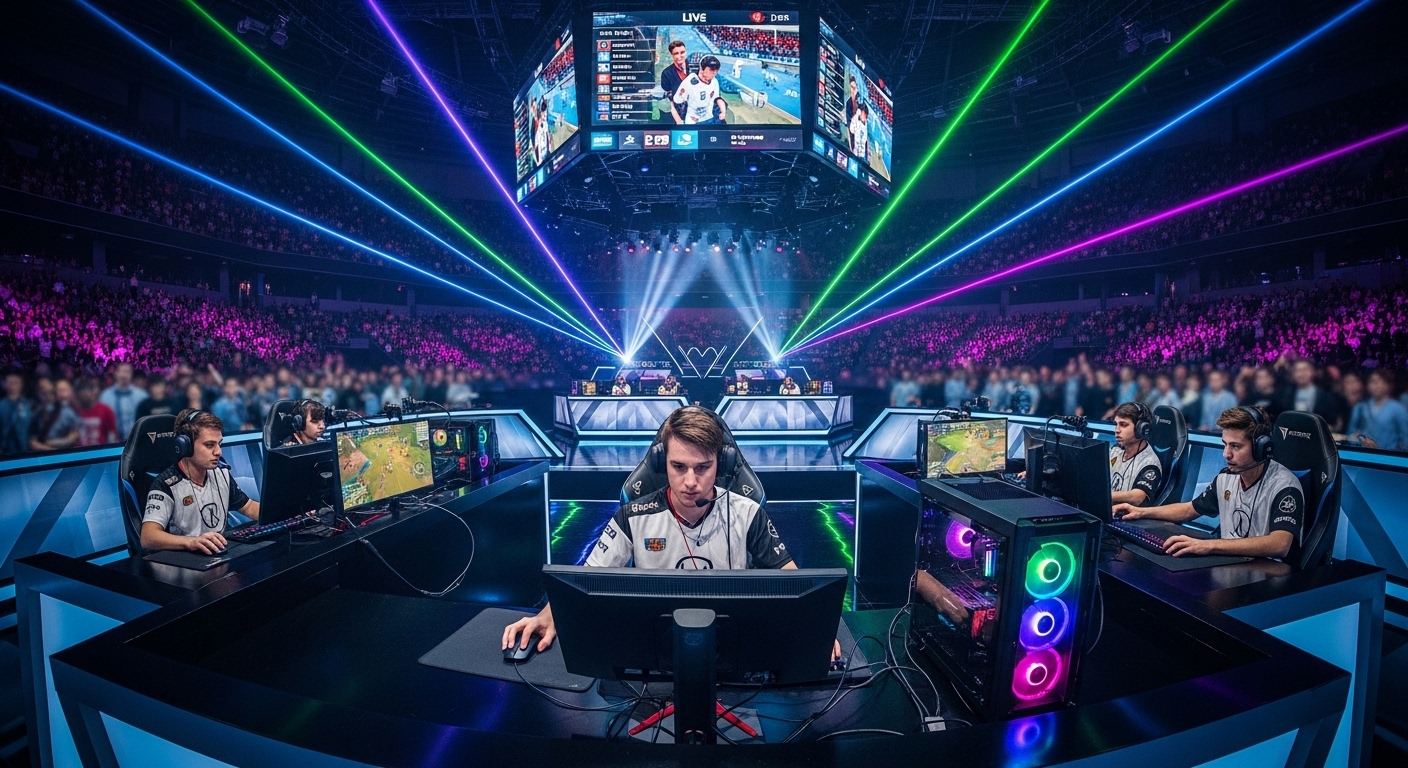
The rise of esports has also created ancillary markets. Gaming peripherals, such as high-performance mice, keyboards, and headsets, are in high demand. Training facilities, esports academies, and performance coaching services cater to aspiring professionals. Moreover, cities hosting international tournaments benefit from tourism, hospitality, and media exposure, making esports a significant contributor to local economies.
Cultural Significance of Esports
Esports has influenced modern culture, blending gaming with music, fashion, and social media trends. Streamers and professional players have become influencers, shaping online communities and driving engagement across platforms. Cosplay, fan art, and digital content creation further integrate esports into popular culture.
Esports also challenges traditional notions of sports. It redefines athleticism by emphasizing mental acuity, strategic thinking, teamwork, and hand-eye coordination over physical prowess. This shift broadens the definition of competition and inspires new generations to pursue excellence in digital arenas.
Technological Advancements Driving Esports
Technology plays a central role in the growth of esports. High-speed internet, powerful gaming hardware, and streaming infrastructure enable competitive play and real-time audience engagement. Virtual reality and augmented reality are poised to create new immersive experiences, expanding the potential of esports into hybrid physical-digital events.
Artificial intelligence and machine learning also contribute by analyzing player performance, predicting strategies, and enhancing training regimens. These technological advancements elevate the level of competition and improve viewer experiences, making esports increasingly sophisticated and engaging.
Challenges Facing the Esports Industry
Despite its rapid growth, esports faces several challenges. Player burnout is a significant concern due to the intense practice schedules and high-pressure environments. Mental health issues, including stress, anxiety, and depression, are prevalent among professional gamers, necessitating support systems and wellness programs.
Regulation and governance are also evolving. Ensuring fair play, preventing cheating, and standardizing tournament rules remain ongoing challenges. Additionally, issues such as doping, harassment, and financial instability in smaller esports organizations require careful attention. Addressing these challenges is crucial to maintaining the integrity and sustainability of the industry.
The Future of Esports
The future of esports looks promising, with continued growth in audience size, revenue, and mainstream recognition. Traditional sports organizations are investing in esports teams, bridging the gap between conventional athletics and digital competition. Universities are offering scholarships for esports players, highlighting its legitimacy as a career path.
Emerging technologies like cloud gaming, VR esports, and AI-driven analytics will shape new gameplay experiences. As global connectivity improves, esports will expand into new regions, fostering cross-cultural engagement and collaboration. The integration of esports into education, entertainment, and media promises to redefine how society perceives competition and sportsmanship in the digital age.
Conclusion
Esports has come a long way from its humble beginnings in arcades and early PC competitions. Today, it stands as a legitimate global industry, blending technology, entertainment, and sports in unprecedented ways. With professional careers, massive audiences, cultural influence, and economic impact, esports is more than just gaming—it is a transformative force shaping the future of digital entertainment.
The journey of esports reflects human ingenuity, passion, and the pursuit of excellence in the digital realm. As it continues to grow, it will inspire new generations of players, fans, and innovators, cementing its place in the cultural and economic landscape of the 21st century.