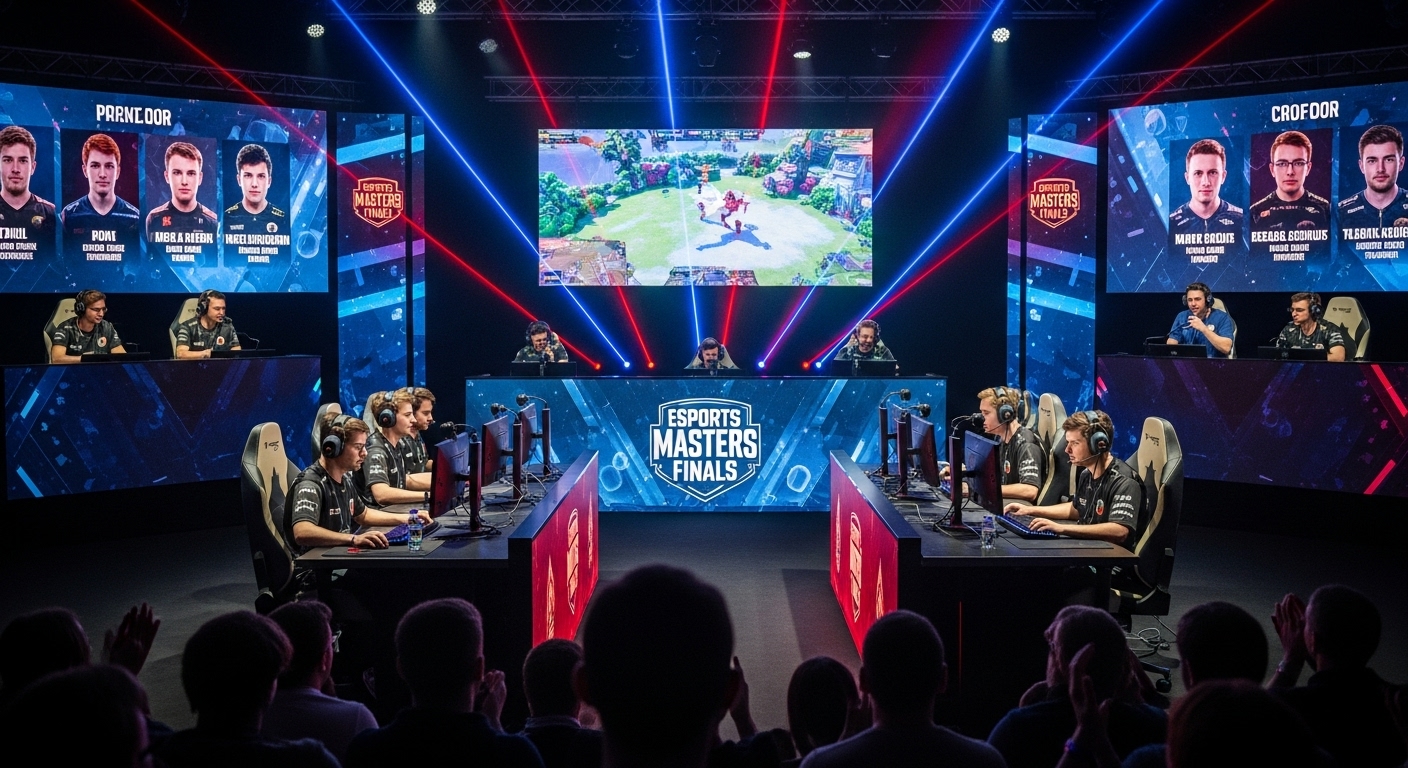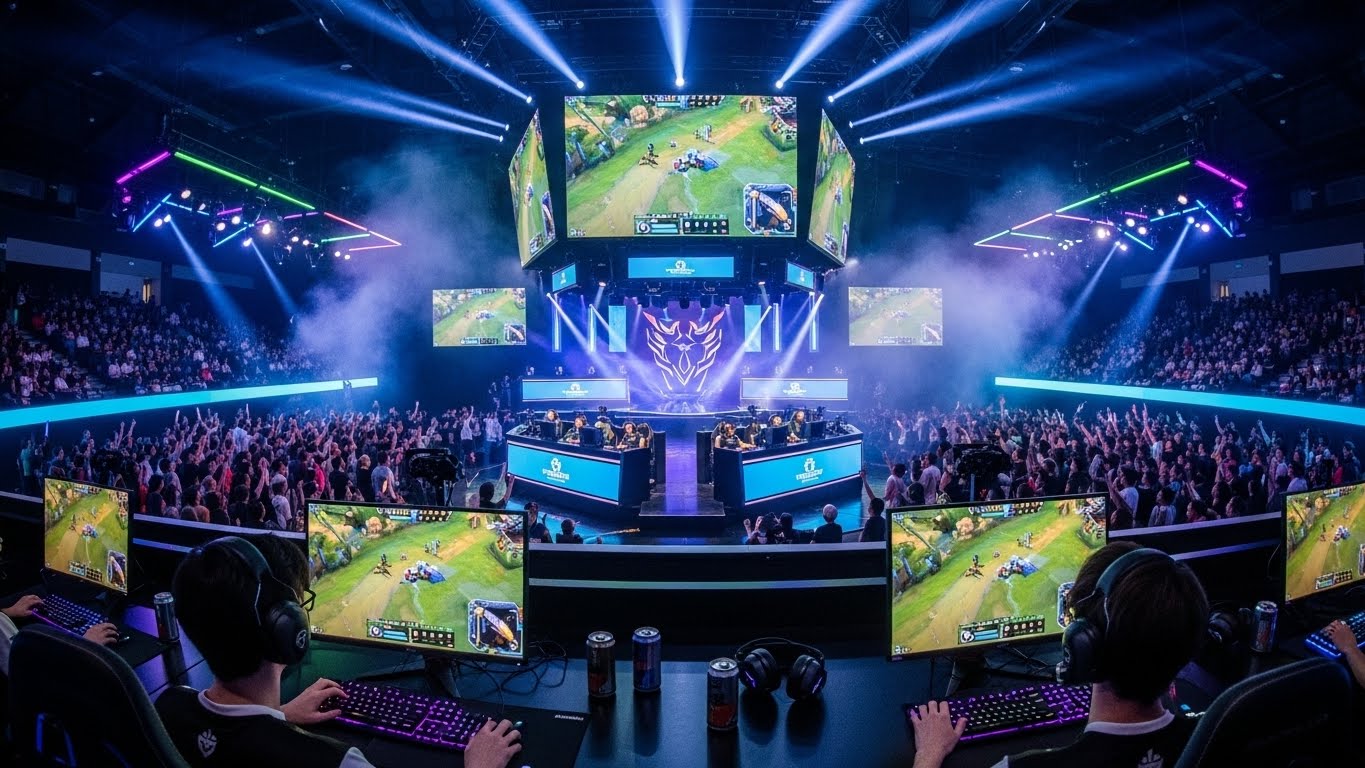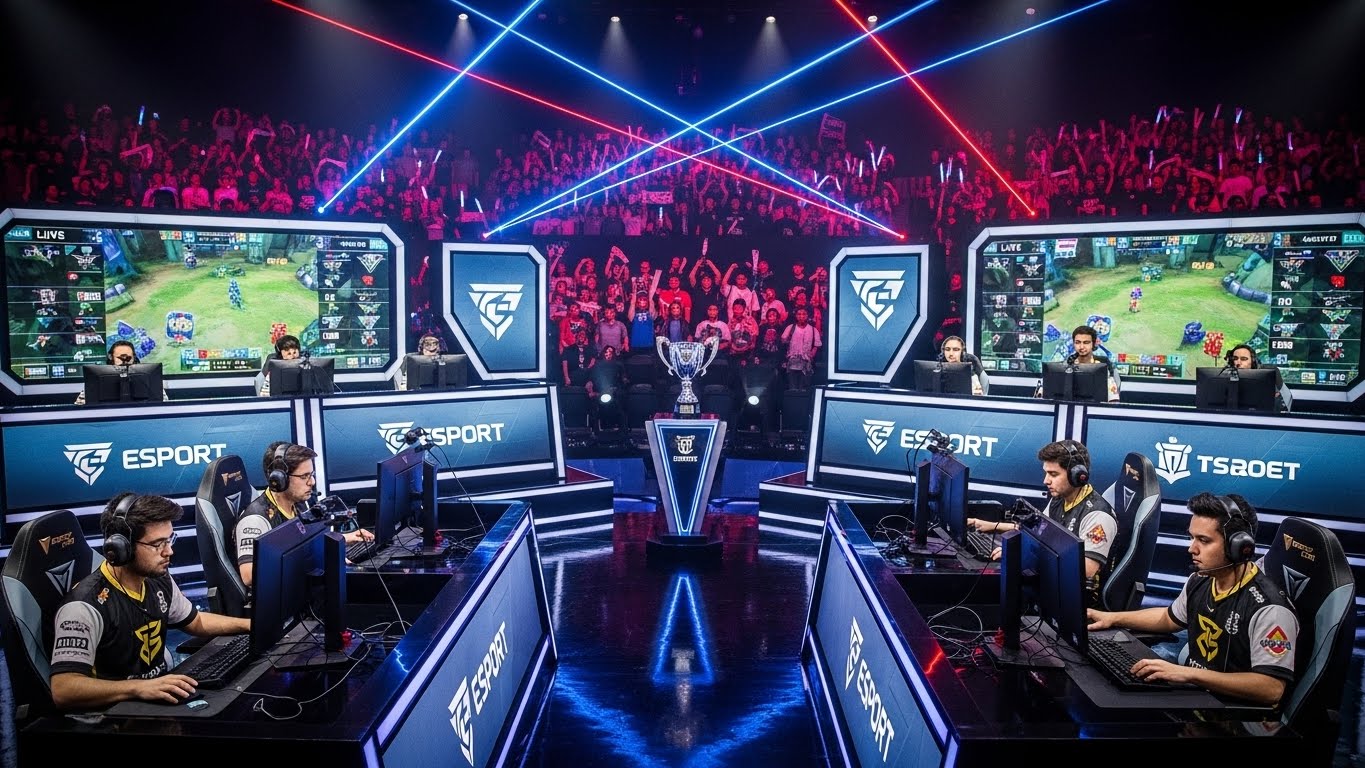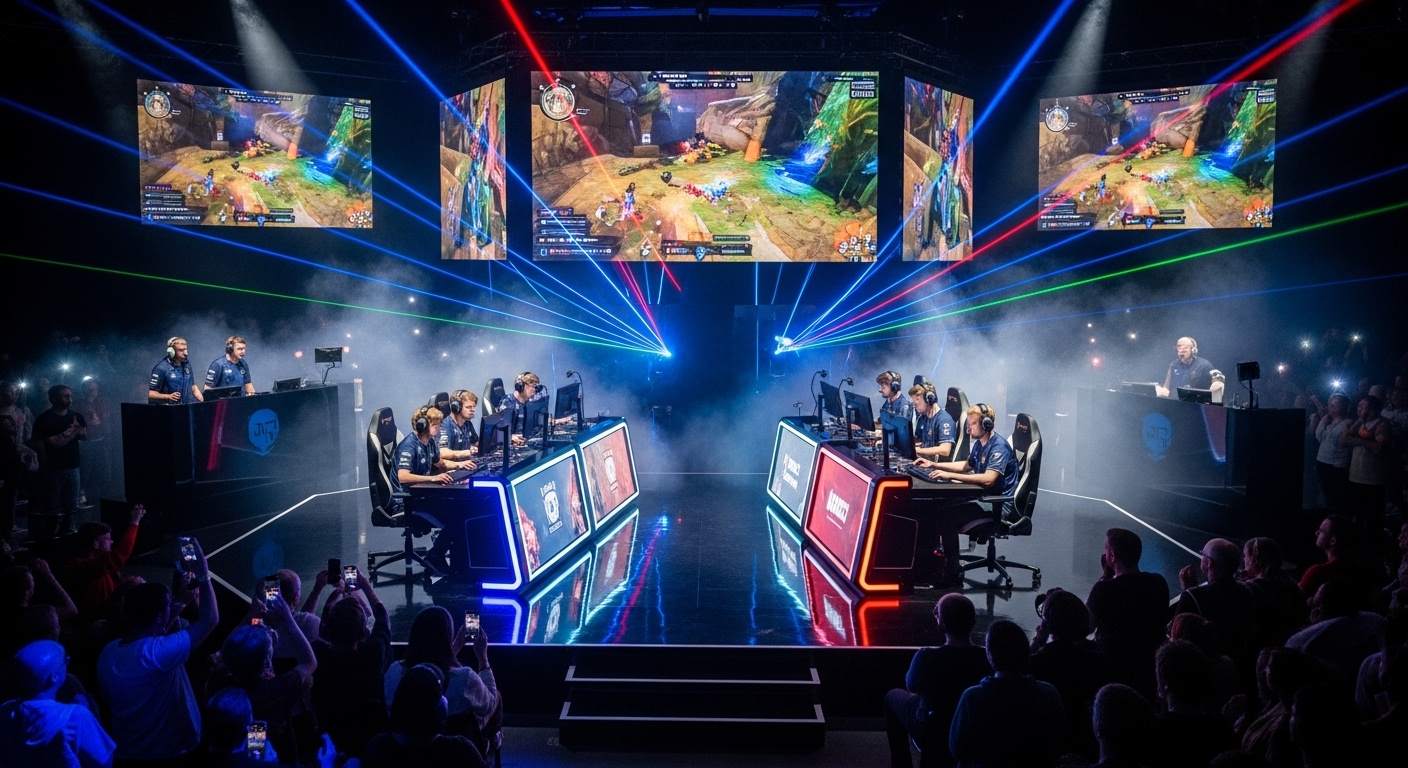
Esports has grown from a niche hobby into a global phenomenon, transforming the way we think about competition, entertainment, and digital culture. What began as casual gaming among friends has evolved into a professional industry with multi-million-dollar tournaments, professional teams, and a dedicated worldwide fanbase. It has become a platform where skill, strategy, and technology intersect to create a unique form of competition that rivals traditional sports in popularity and intensity. This blog explores the evolution of esports, its cultural significance, economic impact, and its potential future.
The Birth of Competitive Gaming
Esports traces its origins back to the early days of video games. In the 1970s and 1980s, arcade games like Space Invaders and Pac-Man allowed players to compete for high scores, laying the groundwork for competitive play. As home consoles and personal computers became more widespread in the 1990s, multiplayer games such as StarCraft, Counter-Strike, and Quake introduced online competition. Players could now challenge opponents from around the world, marking the beginning of global esports communities. These early competitions demonstrated that gaming could be more than entertainment—it could be a serious arena for skill and strategy.
The Rise of Professional Esports
As technology advanced, competitive gaming became more structured and professional. Teams formed with dedicated coaching, training schedules, and performance analytics. Titles like League of Legends, Dota 2, and Overwatch became global esports staples, drawing massive audiences and offering substantial prize pools. Professional players began earning salaries, sponsorships, and endorsements, allowing esports to become a viable career path. Organizations now operate like traditional sports franchises, complete with management, branding, and marketing strategies. The rise of professional esports solidified its legitimacy as a competitive sport and a global entertainment medium.
Esports as a Global Phenomenon
Esports is unique in its ability to transcend geographic boundaries. Players from different continents can compete in real time, and fans can watch live tournaments from anywhere in the world. This global reach has fostered diverse communities united by shared passion for games. Streaming platforms such as Twitch and YouTube Gaming provide interactive experiences where audiences can comment, react, and engage with their favorite players. Esports communities are inclusive, offering opportunities for talent regardless of physical ability, location, or age, making it one of the most accessible forms of competitive entertainment.
The Economic Impact of Esports
Esports has become a multi-billion-dollar industry with a diverse economic ecosystem. Revenue is generated through sponsorships, merchandise, media rights, ticketed events, and advertising. Brands target esports audiences for their engagement, influence, and youthful demographics. Professional players earn significant income through salaries, tournament winnings, and sponsorship deals, while organizations profit from merchandising and streaming rights. The industry also creates jobs in areas like content creation, event management, game development, and broadcasting. Esports’ economic growth highlights its potential as a sustainable and influential sector in the global economy.
Streaming Platforms: The Heartbeat of Esports
Streaming platforms have played a central role in esports’ rise. Platforms like Twitch, YouTube Gaming, and Facebook Gaming allow millions of viewers to watch tournaments live and interact in real time. Players can build personal brands, engage with fans, and generate income through subscriptions, donations, and sponsorships. The interactive nature of streaming differentiates esports from traditional sports, creating a unique experience where fans feel part of the competition. Live commentary, instant replays, and audience interaction elevate the spectator experience, turning esports into a dynamic form of entertainment.
Cultural Significance of Esports
Esports has become a cultural phenomenon with influence extending beyond gaming. It shapes fashion, language, and social interactions, particularly among younger generations. Online communities and fan networks provide social spaces where creativity, collaboration, and shared enthusiasm flourish. Esports also emphasizes strategic thinking, teamwork, and cognitive skill, challenging stereotypes that gaming is purely recreational. The cultural impact of esports extends to music, art, and streaming content, making it a significant driver of digital youth culture worldwide.
Training and Strategy in Esports
Professional esports requires rigorous training, comparable to traditional athletics. Players practice daily to refine reflexes, improve coordination, and master game mechanics. Teams analyze gameplay to develop strategies, optimize performance, and anticipate opponents’ moves. Coaches, analysts, and mental performance experts support players, ensuring both physical and cognitive readiness. Reaction time, decision-making, and teamwork are critical to success. The combination of skill, strategy, and mental focus makes esports a highly competitive and demanding discipline, requiring dedication and professionalism.
Diversity and Inclusion in Esports
Esports is inherently inclusive, allowing players from diverse backgrounds to compete on equal footing. The digital nature of the industry reduces physical barriers, making it accessible to people of all abilities and geographies. Women, minorities, and players from underrepresented regions are increasingly gaining recognition and excelling in competitive gaming. While challenges remain, including harassment and unequal representation, the industry continues to promote inclusivity. Esports is proving that skill, strategy, and commitment can outweigh traditional social barriers.
Esports in Education
Esports is increasingly integrated into educational systems. Universities and high schools offer esports programs, scholarships, and competitive teams, teaching students teamwork, leadership, and critical thinking. These programs provide structured opportunities for aspiring players while demonstrating that gaming can foster personal growth and professional skills. Educational involvement also legitimizes esports as a recognized competitive activity, showing that it combines entertainment with cognitive development and career opportunities.
Esports as a Spectator Sport
Watching esports has become a popular form of entertainment. Tournaments attract millions of viewers online and in live venues, creating a shared experience similar to traditional sports. Fans engage through live commentary, in-game analysis, and online discussions. Unlike traditional sports, esports allows interactive participation, giving audiences the chance to influence content and connect with players. This level of engagement makes esports a uniquely immersive spectator experience, blending entertainment, competition, and community interaction.
Health and Lifestyle in Esports
Competitive gaming requires attention to physical and mental well-being. Long hours of practice can lead to eye strain, repetitive stress injuries, and posture problems. Mental health challenges, such as stress and burnout, are common in high-pressure competitive environments. Top esports organizations now emphasize fitness, mental conditioning, and ergonomic support to maintain player health. Promoting wellness ensures sustainable careers and demonstrates the professionalism of esports as both a sport and a demanding discipline.
Technological Innovation Driving Esports
Technology is central to esports’ growth. High-speed internet, powerful hardware, and advanced gaming software enable competitive play at a global scale. Streaming technology allows live broadcasts to millions of fans, while AI and analytics tools help players improve strategy and performance. Virtual reality, augmented reality, and other emerging technologies promise to create more immersive gaming experiences in the future. Continuous technological innovation ensures esports remains at the forefront of entertainment and digital culture.
The Future of Esports
The future of esports is poised for expansion and innovation. Virtual reality and augmented reality could create fully immersive competitions, while AI-powered training tools may further enhance player performance. Greater internet accessibility will allow global participation from previously underserved regions. Integration with mainstream media, sponsorship deals, and education programs will continue to grow. As esports evolves, it will increasingly influence entertainment, culture, and professional development, solidifying its place as a major force in the digital era.
Esports and Society
Esports reflects larger societal trends, including globalization, digital connectivity, and youth culture. It challenges traditional definitions of sport by emphasizing skill, strategy, and teamwork over physical strength. Esports provides opportunities for social engagement, economic growth, and professional development, creating communities that extend beyond the digital world. Its rise demonstrates how technology and culture intersect to redefine entertainment, competition, and career opportunities in modern society.
Conclusion: Esports as a New Era of Competition
Esports has evolved from casual gaming into a global industry, cultural movement, and professional career path. It combines strategy, skill, and technology to create a competitive environment that captivates millions worldwide. By connecting players and fans globally, promoting inclusivity, and leveraging technological innovation, esports represents the future of competitive entertainment. It is more than a pastime—it is a redefinition of sport and competition in the digital age. The rise of esports illustrates the potential of digital culture to create communities, careers, and global engagement unlike anything before.